


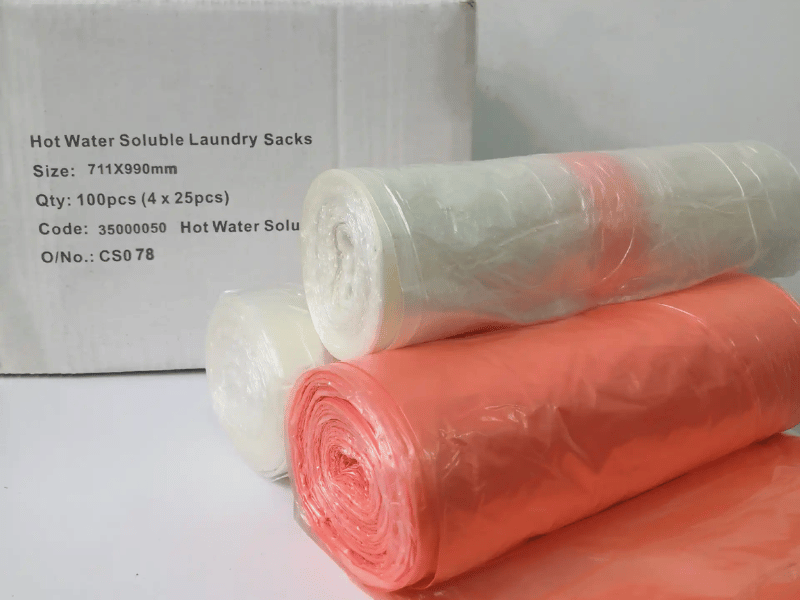
Water-soluble bags are an innovative solution in the packaging industry, offering an eco-friendly alternative to traditional plastic bags. These bags dissolve in water under specific conditions, reducing waste and minimizing environmental impact. In this blog, we will explore the composition of water-soluble bags, their history, initial applications, and advantages in the packaging sector. By understanding how these unique materials work, businesses and consumers can make smarter, more sustainable choices that help protect our natural ecosystems from long-term pollution and dangerous plastic buildup.
Water-Soluble Bags: A Next-Generation Packaging Material
Water-soluble bags are primarily made from polyvinyl alcohol, a biodegradable, fully water-soluble polymer. This advanced material is derived from natural gas or petroleum and is carefully designed to dissolve completely in water. It leaves absolutely no harmful residues behind to damage the delicate natural environment or pollute local water systems.
The rapid development of water-soluble bags has revolutionized the modern packaging industry by providing a highly sustainable alternative to single-use plastics. Today, these innovative bags are commonly used to package everyday items such as laundry detergents, strong chemicals, and even certain food products, significantly reducing global reliance on harmful traditional plastics.
Polyvinyl alcohol-based water-soluble bags are not only incredibly eco-friendly but also remarkably durable and versatile for daily operations. Manufacturers can easily customize them for various specialized applications, effectively including heavy industrial, widespread commercial, and typical household uses. This flexibility allows companies to seamlessly transition toward greener packaging solutions without losing quality.
The highly unique properties of water-soluble bags, specifically their amazing ability to dissolve completely in water, make them a true next-generation material. They actively play a major role in reducing plastic waste and aggressively promoting long-term sustainability in commercial packaging. Embracing this technology helps create a cleaner, much healthier environment overall.
History of Water-Soluble Bags
The foundational concept of water-soluble materials dates back to the mid-twentieth century, beginning with the initial development of polyvinyl alcohol as a functional water-soluble polymer. Initially used heavily in specialized industrial applications, this material quickly gained widespread popularity for its completely unique dissolvable properties and highly reliable structural integrity during transport.
In the late nineteen nineties, water-soluble bags began to successfully emerge as a highly practical solution for commercial packaging. They became particularly valuable in industries that require the safe handling of hazardous materials, such as concentrated detergents and aggressive agricultural chemicals, protecting workers from dangerous chemical exposure during daily tasks.
Over time, incredible advancements in material science and rapidly growing global environmental concerns have powerfully driven the widespread adoption of water-soluble bags. Today, they stand as a highly important key player in the massive global effort to definitively reduce stubborn plastic waste and protect our fragile ecosystems from permanent synthetic pollution.
First Use: Packaging for Detergents and Chemicals
The very first widespread commercial use of water-soluble bags was in the careful packaging of detergents and other potent chemicals. These specialized bags provide a remarkably safe and highly convenient way to handle potentially hazardous substances, as they dissolve completely in water, leaving absolutely no toxic residue behind.
By eliminating the urgent need for direct physical contact with hazardous materials, water-soluble bags have vastly improved daily safety for both everyday consumers and professional workers in heavy industrial settings. This practical innovation quickly gained massive traction in the demanding cleaning and chemical manufacturing industries worldwide.
Today, highly versatile, water-soluble bags are widely used in a variety of essential applications. From convenient daily laundry detergent pods to highly concentrated agricultural chemicals, these bags consistently demonstrate their incredible versatility and undeniable effectiveness in significantly reducing commercial waste while improving essential safety standards for users everywhere.
Advantages of Water-Soluble Bags in Packaging
Water-soluble bags routinely offer numerous profound environmental benefits for our modern society. By dissolving completely in warm or cold water, they drastically reduce persistent plastic waste and successfully prevent devastating long-term pollution in overflowing municipal landfills and our increasingly fragile oceans, actively protecting delicate marine wildlife from deadly plastic ingestion.
These advanced bags are also highly versatile, featuring practical applications naturally ranging from heavy industrial packaging to everyday consumer goods. Their incredible ability to dissolve directly in water makes them ideal for single-use products like convenient laundry detergent pods and for safe medical waste disposal in busy hospital environments.
In addition to their massive environmental benefits, water-soluble bags remain exceptionally safe and highly convenient for consumers. They completely eliminate the dangerous need for direct physical handling of hazardous materials, drastically reducing the severe risk of toxic chemical exposure and preventing accidental contamination during everyday household chores or industrial work.
The widespread use of water-soluble bags strongly supports a thriving circular economy by promoting sustainable daily practices and significantly reducing our heavy reliance on traditional fossil-fuel plastics. Their accelerating global adoption represents a highly critical step towards a greener, vastly more sustainable future for the entire packaging industry.
Water-soluble bags represent a truly significant advancement in sustainable packaging, consistently offering a highly practical and wonderfully eco-friendly alternative to harmful traditional plastics. Their unique properties, such as complete water solubility and incredible versatility, make them an ideal choice for significantly reducing global waste and powerfully promoting environmental sustainability. By actively adopting water-soluble bags, global industries and everyday consumers alike can easily contribute to a much cleaner, significantly greener future. Every single step towards effectively reducing plastic waste is a beautiful step towards perfectly preserving our wonderful planet for generations to come.
Related Posts
- PLA Meaning: Your Guide to Polylactic Acid
- What Are Compostable Bags Made of?
- Freezing Blueberries in Ziplock Bags: A Simple Guide to Preserving Freshness
- Wheat Straw vs. Bamboo vs. Plastic: Eco Tableware Plates & Bowls
- Discover the Future of Packaging: Eco-Friendly Protective Packaging Solutions
- Discover Eco-Friendly Biodegradable Garbage Bags for Sustainable Living
- Eco Friendly Packaging Materials for 2024: Help Your Business Go Green
- Unveiling the Secrets: How Biodegradable Packaging is Revolutionizing the Food Industry