



As the world shifts toward more sustainable practices, understanding the difference between biodegradable and compostable products has become increasingly important. Compostable products, in particular, offer a promising solution for reducing waste and supporting environmental health. These items break down into nutrient-rich organic matter under specific conditions, leaving no harmful residue behind. From compostable packaging to utensils and coffee pods, these eco-friendly alternatives are designed to minimize landfill waste and promote sustainable waste management. This guide explores the meaning of compostable, its environmental benefits, and how to make informed choices when navigating the world of green products.
Understanding Compostable Products
Compostable products are gaining popularity as eco-friendly alternatives to traditional materials. They break down into natural elements, leaving no harmful residue, and contribute to a healthier environment.
Definition of Compostable
A product is considered compostable if it can decompose into organic matter under specific conditions, typically in a composting environment. Unlike biodegradable items, which may take years to break down, compostable products decompose within a set timeframe, leaving no toxic byproducts. They return nutrients to the soil, supporting plant growth and reducing waste.
Meaning of Compostable in Environmental Terms
In environmental terms, compostable means that a product can naturally break down into non-toxic components, such as water, carbon dioxide, and nutrient-rich organic matter. This process occurs in controlled composting conditions, which include the right balance of heat, moisture, and microorganisms. Compostable products help reduce landfill waste, lower greenhouse gas emissions, and promote sustainable waste management practices.
It’s important to note that not all compostable items can break down in a backyard compost bin. Some require industrial composting facilities with higher temperatures and specific conditions to ensure complete decomposition.
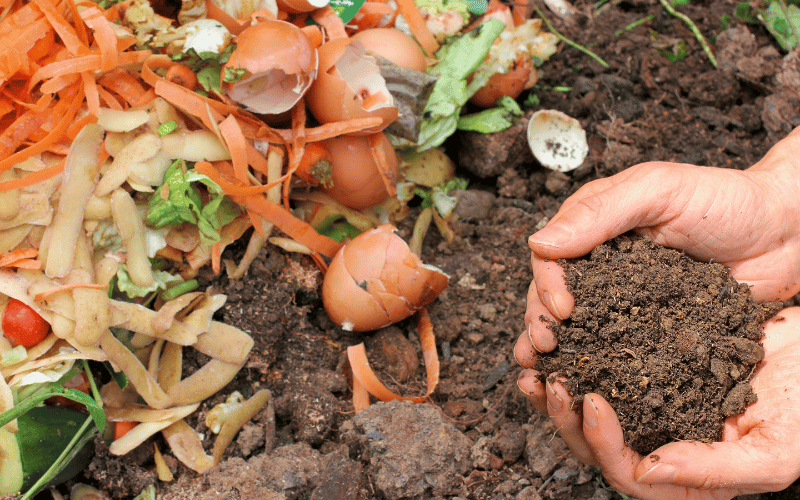
Examples of Compostable Products
- Compostable Packaging: Items like plant-based food containers, paper bags, and compostable mailers are designed to break down quickly in composting environments.
- Compostable Utensils: Forks, knives, and spoons made from materials like cornstarch or bamboo are common alternatives to plastic cutlery.
- Compostable Coffee Pods: Single-use coffee pods made from biodegradable materials can be composted instead of ending up in landfills.
- Compostable Bags: Grocery bags, trash bags, and produce bags made from plant-based materials decompose naturally in composting systems.
- Compostable Tableware: Plates, bowls, and cups made from sugarcane fiber or other organic materials are ideal for eco-friendly dining.
These products offer practical solutions for reducing waste and supporting a more sustainable lifestyle.
Biodegradable vs Compostable: Key Differences
Understanding the distinction between biodegradable and compostable products is essential for making informed, eco-friendly choices. While both terms relate to how materials break down, they differ in process, timeframe, and environmental impact.
Biodegradable Definition and Meaning
Biodegradable refers to materials that can naturally decompose into water, carbon dioxide, and biomass with the help of microorganisms like bacteria and fungi. This process occurs over time and doesn’t require specific conditions. However, the timeframe for biodegradation can vary widely, from a few weeks to several years, depending on the material and environment.
For example, a biodegradable plastic bag may take years to break down in a landfill due to the lack of oxygen and microorganisms, even though it’s labeled as biodegradable. This highlights the importance of proper disposal methods to ensure effective decomposition.
Compostable vs Biodegradable: What Sets Them Apart?
- Decomposition Timeframe: Compostable products break down faster than biodegradable ones, typically within 90–180 days in a composting environment. Biodegradable items may take much longer, depending on the material and conditions.
- End Result: Compostable products decompose into nutrient-rich organic matter that benefits the soil. Biodegradable items may leave behind residues or microplastics, depending on their composition.
- Required Conditions: Compostable materials need specific conditions, such as high temperatures, moisture, and microorganisms, often found in industrial composting facilities. Biodegradable products can break down in natural environments but may require extended periods.
- Environmental Impact: Compostable products are designed to leave no harmful byproducts, making them more eco-friendly. Biodegradable items, while better than non-degradable materials, may still contribute to pollution if not properly managed.
These differences highlight why compostable products are often preferred for reducing waste and supporting sustainability.
This table provides a clear side-by-side comparison to help you make informed, eco-friendly choices.
| Aspect | Biodegradable | Compostable |
|---|---|---|
| Definition | Materials that naturally decompose into water, carbon dioxide, and biomass. | Materials that decompose into nutrient-rich organic matter under specific conditions. |
| Decomposition Timeframe | Can take weeks to years, depending on material and environment. | Typically breaks down within 90–180 days in a composting environment. |
| End Result | May leave residues or microplastics, depending on composition. | Breaks down completely into non-toxic, nutrient-rich compost that benefits soil. |
| Required Conditions | Can decompose in natural environments but may take longer without proper disposal. | Requires specific conditions like high temperatures, moisture, and microorganisms, often in industrial composting facilities. |
| Environmental Impact | May still contribute to pollution if not managed properly. | Designed to leave no harmful byproducts, making it more eco-friendly. |
| Preferred Use | Suitable for general waste reduction but less effective for soil enrichment. | Ideal for reducing waste and supporting sustainability through composting. |
Understanding the Compostable Label
The compostable label indicates that a product meets specific standards for decomposition in a composting environment. Here’s what to look for:
- Certified Compostable: Products with certifications like ASTM D6400 (US) or EN 13432 (EU) have been tested to ensure they break down completely and leave no toxic residue.
- Industrial vs Home Composting: Some items are labeled for industrial composting only, meaning they require high temperatures and controlled conditions to decompose. Others are suitable for home composting and can break down in backyard bins.
- Material Composition: Compostable products are typically made from plant-based or organic materials, such as cornstarch, sugarcane, or bamboo.
- Clear Instructions: Look for disposal guidelines on the label to ensure the product is composted correctly. Improper disposal, such as throwing compostable items in regular trash, can prevent them from breaking down as intended.
By understanding the compostable label, you can make better choices and ensure products are disposed of in ways that benefit the environment.
The Role of Composting in Sustainability
Composting plays a vital role in sustainability by reducing waste, enriching soil, and lowering greenhouse gas emissions. It transforms organic waste into nutrient-rich compost, which can replace chemical fertilizers and support healthier ecosystems.
Benefits of Home Composting
- Reduces Household Waste: Home composting diverts food scraps and yard waste from landfills, significantly cutting down on the amount of trash produced.
- Improves Soil Health: Compost adds essential nutrients to the soil, improving its structure, water retention, and fertility for gardening or landscaping.
- Cuts Methane Emissions: Organic waste in landfills produces methane, a potent greenhouse gas. Composting at home prevents this by allowing waste to decompose aerobically.
- Saves Money: By creating your own compost, you reduce the need for store-bought fertilizers and soil amendments.
- Encourages Sustainable Habits: Home composting fosters eco-friendly practices and raises awareness about waste management.
Home composting is an accessible way for individuals to contribute to sustainability while reaping practical benefits.
Industrial Composting Processes
Industrial composting facilities handle large volumes of organic waste, including items that may not break down in home compost bins. The process typically involves:
- Collection and Sorting: Organic waste is collected from households, businesses, and institutions. Non-compostable materials are removed to ensure a clean composting stream.
- Shredding and Mixing: Waste is shredded into smaller pieces and mixed to create a balanced carbon-to-nitrogen ratio, which is essential for efficient decomposition.
- Controlled Decomposition: The waste is placed in windrows, aerated piles, or enclosed systems where temperature, moisture, and oxygen levels are carefully monitored.
- Curing and Screening: After the initial breakdown, the compost is cured to stabilize it and screened to remove any remaining contaminants.
- Final Product: The finished compost is sold or distributed for agricultural, landscaping, or gardening use.
Industrial composting is essential for processing items like compostable packaging and large-scale organic waste, making it a key component of sustainable waste management.
Eco-Friendly Practices in Composting
- Compost the Right Materials: Stick to organic waste like fruit peels, vegetable scraps, coffee grounds, and yard trimmings. Avoid adding meat, dairy, or oily foods, which can attract pests and slow decomposition.
- Maintain a Balanced Mix: Combine “greens” (nitrogen-rich materials like food scraps) with “browns” (carbon-rich materials like dry leaves) to create an ideal composting environment.
- Aerate Regularly: Turn your compost pile or bin to introduce oxygen, which speeds up decomposition and prevents foul odors.
- Conserve Water: Keep the compost moist but not soggy. Use rainwater or leftover water from cooking to maintain the right moisture level.
- Support Local Composting Programs: If home composting isn’t an option, participate in community or municipal composting initiatives to ensure your organic waste is properly processed.
By adopting these eco-friendly practices, you can maximize the benefits of composting and contribute to a more sustainable future.
Navigating Greenwashing in Eco-Friendly Products
Greenwashing, or misleading claims about a product’s environmental benefits, can make it challenging to identify truly eco-friendly options. By understanding how to spot genuine compostable products and avoid deceptive marketing, you can make informed, sustainable choices.
Identifying Genuine Compostable Products
- Look for Certifications: Genuine compostable products often carry certifications like ASTM D6400 (US), EN 13432 (EU), or the BPI (Biodegradable Products Institute) logo. These indicate the product has been tested and meets strict compostability standards.
- Check Material Composition: Compostable items are typically made from plant-based or organic materials, such as cornstarch, sugarcane, or bamboo. Avoid products with mixed materials, like plastic coatings, which may not decompose.
- Read Disposal Instructions: Authentic compostable products include clear guidelines for proper disposal, such as whether they require industrial composting or can break down in a home compost bin.
- Research the Brand: Companies committed to sustainability often provide transparent information about their products’ environmental impact. Look for detailed descriptions on packaging or the brand’s website.
By verifying these factors, you can confidently choose products that align with your eco-friendly goals.

Red Flags in Marketing: Terms to Watch For
- “Biodegradable” Without Context: While biodegradable sounds eco-friendly, it doesn’t guarantee the product will break down quickly or leave no harmful residue. Look for specifics about the timeframe and conditions required.
- “Eco-Friendly” Without Proof: Vague claims like “green” or “eco-friendly” are often unsubstantiated. Genuine products back these terms with certifications or detailed explanations.
- “Compostable” Without Certification: Products labeled as compostable but lacking certifications may not meet industry standards. Always check for recognized logos or testing information.
- Overuse of Green Imagery: Excessive use of leaves, trees, or earthy colors on packaging can be a tactic to appear sustainable without actual proof.
- Hidden Plastic Components: Some products marketed as compostable may contain hidden plastic layers or additives that prevent full decomposition.
Recognizing these red flags can help you avoid falling for greenwashing and focus on truly sustainable options.
Choosing Compostable Products Wisely
- Prioritize Certified Products: Always opt for items with recognized compostability certifications to ensure they meet environmental standards.
- Match Products to Your Composting Setup: If you compost at home, choose products labeled for home composting. For industrial-only items, check if your local facility accepts them.
- Start Small: Test a few compostable products to see how well they fit your needs and composting system before committing to larger purchases.
- Support Transparent Brands: Choose companies that provide clear, honest information about their products’ materials, certifications, and environmental impact.
- Educate Yourself: Stay informed about composting standards and practices to make better purchasing decisions and avoid misleading claims.
By carefully selecting compostable products, you can reduce waste, support sustainability, and avoid contributing to the problem of greenwashing.
Frequently Asked Questions
Q: What is the definition of compostable?
A: Compostable refers to materials that can break down into natural substances in a composting environment. Microorganisms decompose these materials into nutrient-rich soil, often within a specific timeframe. Compostable items are designed to disintegrate and contribute to compost rather than add to landfill waste.
Q: What’s the difference between compostable and biodegradable?
A: Compostable materials decompose in controlled composting environments, producing nutrient-rich compost that benefits the soil. Biodegradable products can break down in various environments but may not result in a beneficial end product like compost. While all compostable items are biodegradable, not all biodegradable items are compostable.
Q: How do compostable plastics differ from traditional plastics?
A: Compostable plastics are designed to break down in composting environments, leaving no harmful residues. In contrast, traditional plastics can take hundreds of years to decompose and often contribute to microplastic pollution. Certified compostable plastics meet specific standards, ensuring they decompose safely and completely.
Q: Are compostable products more eco-friendly than biodegradable products?
A: Compostable products are generally more eco-friendly because they break down into nutrient-rich compost that enhances soil health. Biodegradable products may decompose into materials that don’t benefit the soil and could leave microplastics behind. Choosing compostable items supports a circular economy by returning nutrients to the earth.
Q: What does BPI certified mean for compostable materials?
A: BPI certified means that a product has been tested and verified by the Biodegradable Products Institute to meet strict compostability standards. This certification ensures the product will break down in commercial compost facilities and contains no harmful substances, making it safe for the environment.
Q: Can I compost biodegradable items at home?
A: Some biodegradable items can be composted at home, but it’s important to check if they are labeled as home compostable. These items are specifically designed to break down in backyard compost piles. Other biodegradable products may require industrial composting facilities to decompose effectively.
Q: What types of compostable packaging are available?
A: Compostable packaging includes items like compostable bags, food containers, and wraps. These products are made from plant-based or organic materials and are designed to break down in composting environments, reducing waste and supporting sustainable waste management.
Q: What is the significance of a compostable label on products?
A: A compostable label indicates that a product meets specific standards for breaking down in a composting environment. This label helps consumers identify sustainable products and encourages proper disposal practices that reduce waste and benefit the environment.
Q: What is the process of backyard composting?
A: Backyard composting involves collecting organic waste like food scraps, yard trimmings, and compostable items, and placing them in a compost bin or pile. Microorganisms break down the materials over time, creating nutrient-rich compost for gardening. Maintaining a balance of green (nitrogen-rich) and brown (carbon-rich) materials is essential for successful composting.
Concluding Summary:
Compostable products play a vital role in reducing waste, enriching soil, and lowering greenhouse gas emissions. By understanding the key differences between compostable and biodegradable items, you can make more informed, eco-friendly choices. Whether you’re composting at home or utilizing industrial facilities, adopting compostable products and sustainable practices can significantly impact the environment. However, it’s equally important to stay vigilant against greenwashing by verifying certifications, reading labels, and supporting transparent brands. By choosing wisely and composting responsibly, you can contribute to a healthier planet and a more sustainable future.