


Did you know that Americans discard over 100 billion disposable food containers annually? Many of these end up in landfills, contributing to the growing problem of plastic pollution. If you’ve ever enjoyed a steaming bowl of soup on a chilly day, you’ve likely reached for a disposable bowl without thinking twice about its environmental impact. But what if there was a better option—one that keeps your soup hot and your conscience clear?
Compostable bowls have emerged as a sustainable alternative to traditional disposable options. Designed to withstand hot liquids without leaking or prematurely breaking down, these bowls provide a practical solution for eco-conscious individuals and businesses. However, not all compostable bowls are created equal. Some excel in durability and heat resistance, while others fall short in terms of performance.
In this guide, I’ll walk you through everything you need to know about choosing the best compostable bowls for hot soup. From understanding key materials to evaluating certifications, you’ll gain the tools to make an informed decision. Whether you’re hosting a party, running a café, or simply looking to reduce your environmental footprint, this guide will help you find the perfect balance between functionality and sustainability.
What to Look for in Compostable Bowls
Choosing the right compostable bowl for hot soup requires more than just selecting the first eco-friendly option you come across. The materials, certifications, and features of the bowl play a crucial role in its performance and sustainability. Let’s break down what you should prioritize to ensure you’re making the best choice.
Materials and Certifications
The material of a compostable bowl determines its durability, heat resistance, and environmental impact.
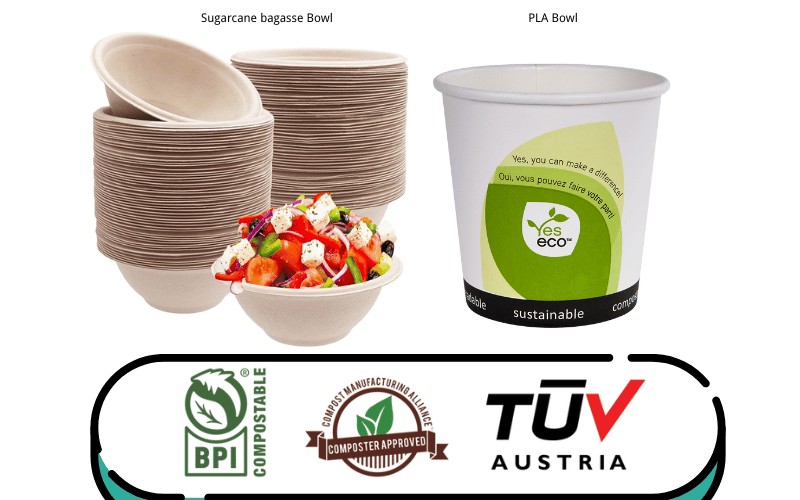
- Common Materials: Look for bowls made from bagasse (a byproduct of sugarcane), PLA (polylactic acid derived from cornstarch), or bamboo fiber. Bagasse is particularly popular for its sturdiness and ability to handle hot liquids without breaking down. PLA adds a smooth, plastic-like coating for extra leak resistance, while bamboo fiber offers a lightweight yet durable option.
- Importance of Certifications: Certifications like BPI (Biodegradable Products Institute) and CMA (Compost Manufacturing Alliance) ensure the bowl meets strict compostability standards. These labels confirm the product will break down in industrial composting facilities without leaving harmful residues. Avoid bowls that lack certifications, as they may be greenwashing—claiming to be eco-friendly without meeting compostable standards.
Key Features
Beyond materials, the features of a compostable bowl determine how well it performs in real-world use.
- Heat Resistance and Insulation: A good compostable bowl should handle hot soup without warping or becoming too hot to hold. Bagasse and bamboo fiber bowls excel in this area, as they naturally insulate heat while maintaining their shape.
- Leak Resistance and Durability: No one wants a bowl that leaks halfway through their meal. Look for bowls with a sturdy construction and, if needed, a PLA lining for added leak protection. Test the bowl with hot liquids to ensure it holds up under pressure.
- Material Safety: Always check that the bowl is BPA-free and PFAS-free. PFAS (per- and polyfluoroalkyl substances) are often used to make products water-resistant but can be harmful to health and the environment. Many reputable brands now offer PFAS-free options, so there’s no need to compromise on safety.
- Size and Capacity: Consider the portion sizes you’ll be serving. For a hearty bowl of soup, a 16-ounce capacity works well, while smaller bowls (8-12 ounces) are ideal for side dishes or appetizers. Having a variety of sizes on hand ensures you’re prepared for different needs.
By focusing on these materials, certifications, and features, you can confidently choose compostable bowls that meet your functional and environmental requirements. In the next section, we’ll explore how to properly dispose of these bowls to maximize their sustainability benefits.
Comparing Popular Compostable Bowl Options
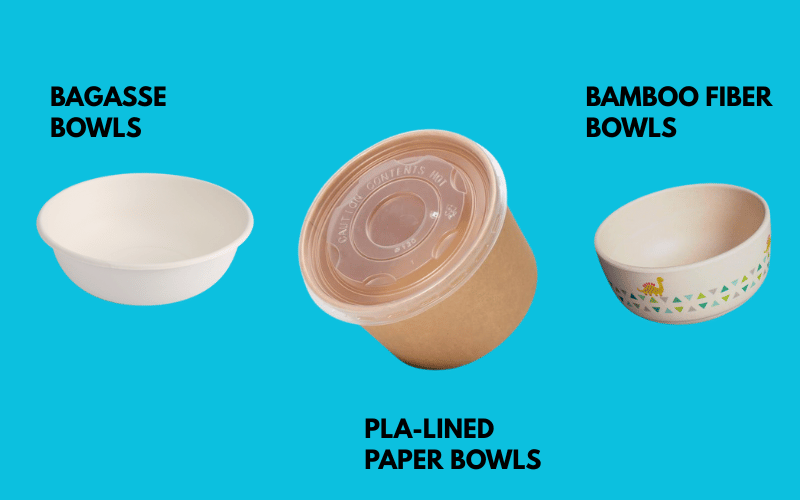
Not all compostable bowls are created equal, and understanding the differences between materials can help you choose the best option for your needs. Let’s take a closer look at three popular types of compostable bowls—bagasse, PLA-lined paper, and bamboo fiber—and evaluate their strengths and limitations.
Bagasse Bowls
Bagasse bowls are made from the fibrous byproduct of sugarcane processing, making them a highly sustainable choice.
- Pros: Bagasse bowls are incredibly sturdy and can handle hot liquids without warping. They are naturally heat-resistant, making them safe for use in microwaves. Their durability also makes them ideal for soups, stews, and other hot dishes.
- Cons: These bowls often come at a higher price point compared to other options. Additionally, while they are compostable, not all bagasse bowls are suitable for home composting. Many require industrial composting facilities to break down completely.
PLA-Lined Paper Bowls
PLA-lined paper bowls combine a paper base with a thin layer of polylactic acid (PLA), a plant-based bioplastic, for added leak resistance.
- Pros: These bowls are versatile and work well for both hot and cold items. The PLA lining provides excellent protection against leaks, making them a reliable choice for soups and sauces.
- Cons: PLA-lined bowls require industrial composting to decompose properly, as the bioplastic layer won’t break down in a home compost pile. They are also not microwave safe, as the PLA lining can melt or warp under high heat.
Bamboo Fiber Bowls
Bamboo fiber bowls are crafted from one of the fastest-growing renewable resources, offering a natural and eco-friendly aesthetic.
- Pros: These bowls have a unique, natural look that appeals to eco-conscious consumers. They offer good strength and can handle a variety of foods without breaking down.
- Cons: Heat resistance can vary depending on the manufacturing process, so not all bamboo fiber bowls are suitable for hot liquids. Some products may also contain melamine, a synthetic resin, which compromises their compostability and safety. Always check the label to ensure the bowl is 100% compostable and free of harmful additives.
Comparison Table
| Material | Pros | Cons |
|---|---|---|
| Bagasse | Sturdy, heat-resistant, microwave safe | Higher cost, not always home compostable |
| PLA-Lined Paper | Versatile for hot and cold items, leak-proof | Requires industrial composting, not microwave safe |
| Bamboo Fiber | Natural look, good strength | Varying heat resistance, some contain melamine |
By understanding the pros and cons of each material, you can select a compostable bowl that aligns with your specific needs, whether it’s for serving hot soup at a dinner party or offering eco-friendly options at your café. In the next section, we’ll discuss how to properly dispose of these bowls to ensure they deliver on their sustainability promise.
Environmental Impact and Proper Disposal
Compostable bowls offer a meaningful way to reduce waste and support sustainability, but their environmental benefits depend heavily on proper disposal. Let’s explore how these bowls contribute to a greener planet and the steps you can take to ensure they break down as intended.
Environmental Benefits
Switching to compostable bowls can significantly reduce the environmental burden caused by traditional disposable options.
- Reducing Landfill Waste and Carbon Footprint: Unlike plastic or foam bowls, compostable options decompose into organic matter, leaving no harmful residues behind. This reduces the volume of waste in landfills and minimizes the release of methane, a potent greenhouse gas emitted when organic materials decompose in anaerobic landfill conditions.
- Supporting Sustainable Practices: Compostable bowls are often made from renewable resources like bagasse, bamboo, or PLA, which require less energy and fewer fossil fuels to produce. By choosing these materials, you’re supporting a circular economy that prioritizes resource regeneration over depletion.
Disposal Tips
To maximize the environmental benefits of compostable bowls, you need to dispose of them correctly. Here’s how:
- Checking for Composting Labels: Always look for certifications like BPI Certified Compostable or TUV Austria on the packaging. These labels confirm that the bowl meets composting standards and will break down in the right conditions. Without these certifications, the product may not decompose as advertised.
- Locating Industrial Composting Facilities: Many compostable bowls require the high heat and controlled conditions of industrial composting facilities to break down completely. Use resources like FindAComposter.com or contact your local waste management service to locate a facility near you. Some municipalities also offer curbside composting programs that accept certified compostable products.
- Understanding Home Composting Limitations: While some compostable bowls are suitable for home composting, many are not. Home compost piles often lack the heat and microbial activity needed to break down materials like PLA or thicker bagasse bowls. If the packaging doesn’t explicitly state “home compostable,” it’s best to assume the product requires industrial composting.
By understanding the environmental impact of compostable bowls and following proper disposal practices, you can ensure these products deliver on their promise of sustainability. In the next section, we’ll explore practical tips for incorporating compostable bowls into your daily routine while minimizing waste.
FAQs
Q: Are compostable bowls microwave safe?
A: Many compostable bowls, especially those made from bagasse, are microwave safe and can handle reheating without warping or breaking. However, bowls with PLA linings or certain bamboo fiber options may not be suitable for microwaving, as the lining can melt or degrade. Always check the packaging for microwave safety instructions before use.
Q: Can they handle oily or liquid-heavy soups?
A: Yes, most compostable bowls are designed to handle oily or liquid-heavy soups without leaking. Bagasse bowls, in particular, excel at this due to their natural sturdiness and moisture resistance. PLA-lined paper bowls also provide excellent leak protection, but you should avoid using them with extremely hot liquids, as the lining may weaken.
Q: How long do they take to break down?
A: Compostable bowls typically take 90 to 180 days to break down in industrial composting facilities, where high heat and microbial activity accelerate the process. In home composting systems, the timeline may extend significantly, especially if the conditions lack sufficient heat or aeration. Always follow disposal guidelines to ensure proper decomposition.
Q: Do they affect the taste of food?
A: No, high-quality compostable bowls do not affect the taste of food. Materials like bagasse and bamboo fiber are food-safe and free from harmful chemicals like BPA or PFAS. However, lower-quality products or those with additives may impart a slight taste, so it’s important to choose bowls from reputable brands with certifications.
Q: Where can I buy certified compostable bowls?
A: You can find certified compostable bowls at eco-friendly retailers, online marketplaces like Amazon, and specialty stores that focus on sustainable products. Look for certifications such as BPI Certified Compostable or TUV Austria to ensure the bowls meet composting standards. Many local grocery stores and bulk suppliers also carry compostable options, especially in areas with strong sustainability initiatives.
Conclusion
Choosing the right compostable bowl means considering key factors like material, certifications, heat resistance, and durability. By focusing on these details, you can ensure the bowl meets your needs while aligning with your sustainability goals. Make informed, eco-conscious choices that reduce waste and support a healthier planet.