


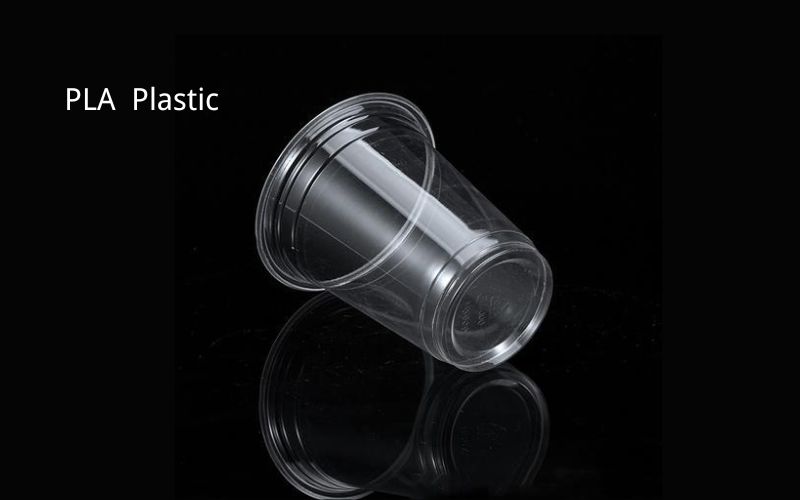
Polylactic Acid (PLA) plastic represents a major breakthrough in sustainable materials and modern manufacturing. Unlike traditional petrochemical plastics derived from fossil fuels, PLA is an innovative bioplastic created entirely from renewable, plant-based resources. This unique organic composition makes it a highly sought-after material for companies seeking to reduce their environmental impact and actively participate in the circular economy. As global industries push toward greener alternatives, PLA has quickly become a primary choice for a wide variety of commercial uses. You will find this versatile material integrated into everything from compostable food packaging and disposable cutlery to advanced medical implants and desktop 3D printing filaments. By relying on natural agricultural products rather than depleting finite oil reserves, PLA plastic provides a practical, eco-friendly solution that effectively bridges the gap between high-performance manufacturing requirements and vital global sustainability goals.
Advantages of PLA
- Biodegradability: PLA stands out as fully compostable under proper industrial conditions. When subjected to the right mix of heat, moisture, and microbial activity, this material breaks down into natural elements. This helps reduce long-term landfill waste and supports sustainable waste management practices worldwide.
- Renewable source: Manufacturers produce PLA using renewable agricultural crops rather than depleting fossil fuels. Common raw materials include fermented plant starch derived from corn, cassava roots, or sugarcane. Utilizing these readily available, annually renewable resources ensures a continuous, sustainable supply chain that relies completely on natural agricultural cycles.
- Versatility: When it comes to manufacturability, PLA is an exceptionally versatile material that adapts well to numerous fabrication techniques. It can be easily melted, molded, and shaped using widely available commercial processes like injection molding, continuous extrusion, and fused deposition modeling for 3D printing.
- Low carbon footprint: The production of PLA plastic generates significantly fewer greenhouse gas emissions compared to manufacturing conventional petroleum-based plastics. Because the plants used to produce the raw material absorb carbon dioxide as they grow, the overall carbon footprint of the final polymer is significantly reduced from start to finish.
- Food safety: Polylactic acid is generally recognized as safe for direct contact with food and beverages. This makes it an incredibly popular choice for producing eco-friendly food packaging, disposable containers, and single-use dining utensils that do not leach harmful synthetic chemicals into the items we consume daily.
- Aesthetic finish: PLA plastic naturally provides a glossy, smooth, and highly aesthetically appealing surface finish right out of the mold. It readily accepts a wide range of pigments and dyes, allowing manufacturers to create vibrant, custom-colored products and detailed prototypes that look professional and require very little post-processing or secondary surface finishing.
Disadvantages of PLA
- Limited heat resistance: One significant drawback of PLA plastic is its relatively low melting point and limited thermal stability. The material tends to warp, soften, or lose its mechanical properties when exposed to temperatures exceeding 60°C (140°F), which strictly limits its use in high-heat applications or hot beverage containers.
- Slow degradation: While heavily marketed as biodegradable, PLA does not easily decompose in natural environments or backyard compost bins. It strictly requires specialized industrial composting facilities capable of consistently delivering the high temperatures and specific microbial conditions needed to break down tough polymer chains effectively over time.
- Brittleness: Compared with rugged engineering plastics, standard PLA is typically quite rigid and brittle. It possesses lower impact resistance, meaning it can easily crack, shatter, or snap when dropped or subjected to heavy mechanical stress. Manufacturers often need to add modifiers to improve their overall toughness.
- Cost: The manufacturing and processing of plant-based bioplastics still remain slightly more expensive than producing conventional petroleum-derived plastics. The specialized agricultural harvesting, fermentation, and polymerization processes contribute to higher raw material costs, which can affect the final prices of consumer goods and commercial packaging solutions.
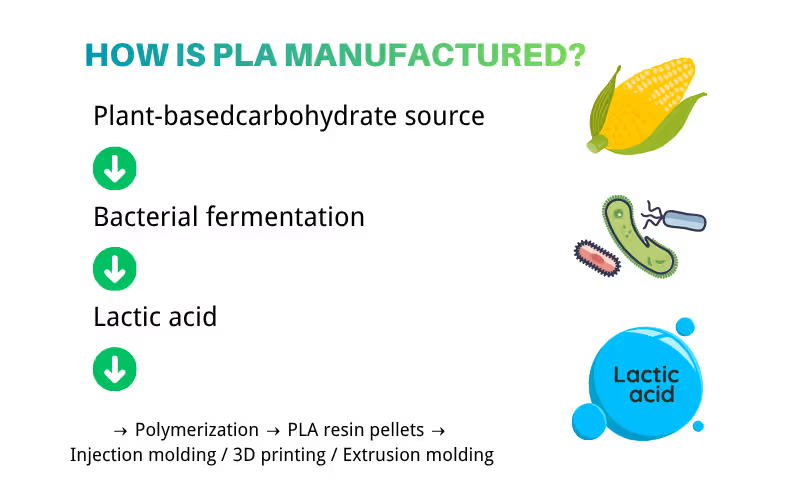
How is PLA Manufactured?
PLA plastic parts can be produced using various manufacturing processes. The ideal production method is influenced by the quantity needed, the geometry, and the desired properties of your final part. Some common methods include:
- Fermentation: The journey of PLA begins with harvesting renewable crops to extract natural plant sugars. These organic starches are carefully milled and subjected to a controlled bacterial fermentation process. This biological conversion transforms raw agricultural sugars into pure lactic acid, a foundational chemical building block.
- Polymerization: Once isolated, lactic acid undergoes a complex chemical polymerization process. Using specific heat and catalysts, the lactic acid molecules link together to form long, repeating chains. This continuous bonding reaction ultimately yields polylactic acid (PLA) resin, which is cooled and cut into usable raw plastic pellets.
- Injection molding: Injection molding is an excellent process for manufacturing high volumes of PLA plastic parts. The heated, molten PLA resin is forcefully injected into a closed metal mold cavity. This process is highly suitable for producing complex commercial parts with precise dimensions, smooth surface finishes, and intricate structural details.
- 3D printing: PLA remains the most popular and widely accessible material for desktop 3D printing, particularly with Fused Deposition Modeling (FDM) printers. It melts predictably, flows smoothly, and rarely warps as it cools. This route enables rapid production of complex custom geometries and early-stage prototypes.
- Extrusion: Manufacturers often use PLA extrusion to produce continuous, uniform profiles. By forcing molten plastic through a shaped die, they can effortlessly produce large volumes of flexible PLA sheets, transparent packaging films, and spools of 3D-printing filaments. These extruded materials are then cut or rolled for distribution.
Applications of PLA
PLA plastic is used to produce a wide range of products across various industries. Some common industries and types of products made out of PLA plastic include:
- Packaging: PLA is widely used to manufacture environmentally friendly, compostable food packaging. You will frequently see this bioplastic used to create clear clamshell containers, disposable drinking cups, fresh produce trays, and protective blister packs that offer excellent visibility while reducing the reliance on permanent landfill waste.
- 3D printing: The material is the gold standard for consumer and professional 3D printing applications. Because it requires relatively low printing temperatures and does not release toxic fumes, makers use PLA filaments extensively to print detailed architectural models, educational tools, custom figurines, and rapid mechanical prototypes.
- Medical devices: Because PLA is highly biocompatible and can break down harmlessly into natural lactic acid in the human body, the medical field uses it extensively. Surgeons rely on biodegradable PLA implants, dissolvable medical sutures, tissue-engineering scaffolds, and bone-fixation screws that safely dissolve as the patient heals.
- Consumer goods: Manufacturers use PLA to produce a wide variety of everyday disposable items. This includes single-use dining utensils, drinking straws, shopping bags, and cosmetic packaging. Using PLA for these short-lifespan items drastically cuts down on the global accumulation of permanent microplastics in our natural environments.
- Agriculture: The agricultural industry leverages PLA to produce sustainable farming tools that simplify crop management. Farmers frequently use biodegradable PLA mulch films to suppress weeds and retain soil moisture. They also utilize PLA plant pots that can be planted directly into the earth, where they will safely decompose.
- Textiles: Polylactic acid can be expertly spun into fine, continuous fibers to create breathable, lightweight fabrics. The textile industry uses these eco-friendly PLA fibers to manufacture sustainable clothing lines, activewear, moisture-wicking upholstery, and disposable nonwoven materials such as sanitary wipes, hospital garments, and environmentally friendly feminine hygiene products.
Plastics Similar to PLA
There are several materials that are similar to PLA in terms of their properties and applications. Here’s how they compare to PLA:
- Polyethylene Terephthalate (PET): PET is a highly transparent, strong thermoplastic widely used for water bottles and food packaging. While it is highly recyclable and offers better impact strength than PLA, it is derived from fossil fuels and is completely non-biodegradable.
- Polypropylene (PP): Polypropylene is a lightweight, incredibly durable plastic known for its high heat resistance and flexibility. Though it outperforms PLA in demanding, high-temperature structural applications, PP relies entirely on petrochemicals and lacks the sustainability and compostability of plant-based bioplastics.
- Polyhydroxyalkanoates (PHA): PHA is another innovative bioplastic derived from microbial fermentation. It offers vastly superior biodegradability compared to PLA, breaking down easily in natural soil and marine environments. However, PHA currently remains significantly more expensive and difficult to mass-produce efficiently.
- Polyethylene (PE): Polyethylene is an exceptionally versatile and chemically resistant plastic used heavily for grocery bags and sturdy containers. While it boasts better flexibility and moisture resistance than standard PLA, standard PE is entirely petroleum-based and will not compost naturally.
- Polycarbonate (PC): Polycarbonate is an incredibly tough, transparent engineering plastic renowned for its extreme impact resistance and high heat tolerance. While it far exceeds PLA in rugged mechanical durability, PC is an expensive, non-eco-friendly material primarily reserved for heavy-duty industrial applications.
Polylactic acid (PLA) plastic represents a critical step forward in the global mission to reduce our heavy environmental impact and build a truly circular economy. By relying on renewable, plant-based resources rather than depleting fossil fuels, this versatile bioplastic offers a practical, eco-friendly alternative across countless manufacturing sectors. From compostable food packaging and everyday consumer goods to life-saving medical devices and rapid 3D printing, PLA proves that sustainability need not sacrifice performance. As industrial composting infrastructure continues to improve and production costs decrease, adopting PLA plastic will undoubtedly play an essential role in securing a cleaner, greener, and more sustainable future for generations to come.