


Cardboard is a standard household material, but did you know it can also be a valuable addition to your compost pile? Composting cardboard not only reduces waste but also enriches your soil with essential nutrients. From understanding which types of cardboard are compostable to learning how to prepare and balance it with other organic materials, this guide will walk you through the process of turning cardboard into a sustainable resource for your garden. Whether you’re a composting novice or an eco-conscious expert, this article will help you maximize the benefits of your cardboard waste.
Understanding Cardboard and Its Compostability
What is Cardboard?
Cardboard is a versatile and widely used material made from paper pulp, which is derived from wood fibers. It is known for its durability, lightweight nature, and cost-effectiveness, making it a popular choice for packaging, shipping, and storage. Cardboard comes in various forms, such as corrugated cardboard, which features a fluted layer sandwiched between two flat sheets, and paperboard, which is thinner and often used for items like cereal boxes. The material’s composition and structure make it both functional and recyclable, contributing to its widespread use in both industrial and household applications.
While cardboard is primarily made from natural materials, its environmental impact depends on how it is processed, treated, and disposed of. Understanding the differences between types of cardboard and their compostability is essential for making eco-friendly choices.
Types of Cardboard

Cardboard can be categorized into several types based on its structure and intended use. The most common types include:
-
Corrugated Cardboard: This type is characterized by its three-layer structure, which includes an inner fluted layer for added strength and rigidity. It is commonly used for shipping boxes and heavy-duty packaging due to its durability and ability to withstand pressure.
-
Paperboard, also known as chipboard, is a single-layer, thinner type of cardboard often used for lightweight packaging, such as food boxes, shoe boxes, and cosmetic packaging. It is less sturdy than corrugated cardboard but serves its purpose for less demanding applications.
-
Wax-Coated Cardboard: This type is coated with a layer of wax to make it water-resistant. It is often used for packaging perishable goods, such as fruits and vegetables. However, the wax coating can complicate recycling and composting processes.
-
Laminated Cardboard: Laminated cardboard is reinforced with a plastic or foil layer to enhance its strength and resistance to moisture. This type is commonly used for beverage cartons and other packages containing liquids.
Each type of cardboard has unique properties that determine its suitability for composting or recycling. For instance, untreated corrugated cardboard is generally compostable, while wax-coated or laminated varieties may not break down easily in a composting environment.
Compostable Cardboard vs. Non-Compostable Cardboard
Not all cardboard is created equal in terms of compostability. The distinction between compostable and non-compostable cardboard lies in the materials and treatments used during the manufacturing process.
-
Compostable Cardboard: This includes untreated, plain cardboard that is free from coatings, inks, or adhesives. Examples are brown corrugated boxes and paperboard without any glossy finishes. These types of cardboard can be shredded and added to compost piles, where they break down into organic matter, enriching the soil.
-
Non-Compostable Cardboard: Cardboard that has been treated with chemicals, coated with wax, or laminated with plastic falls into this category. The added materials prevent the cardboard from decomposing naturally and can even release harmful substances into the environment. For instance, pizza boxes with grease stains or glossy packaging with heavy ink may not be suitable for composting.
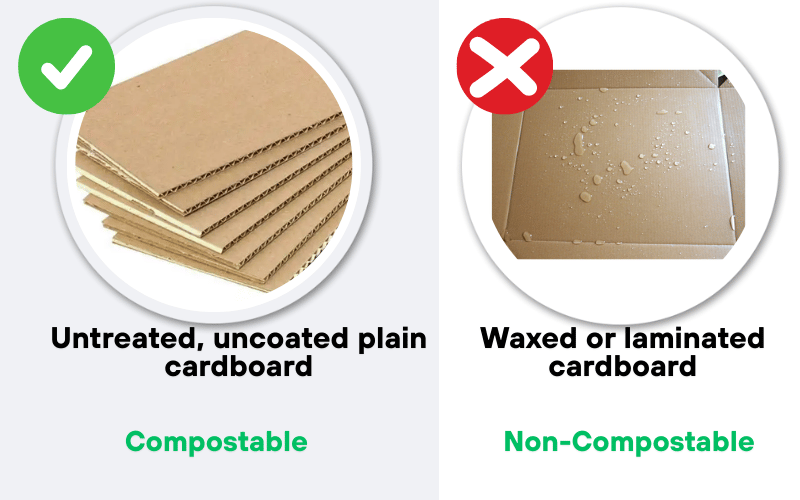
To determine whether a piece of cardboard is compostable, check for visible coatings, finishes, or contaminants, such as food residue. Compostable cardboard is an excellent addition to compost piles, as it provides carbon, also known as “browns,” which balances the nitrogen-rich “greens” such as food scraps.
Benefits of Composting Cardboard
Reduces Waste in Landfills
Composting cardboard is an effective way to minimize the amount of waste that ends up in landfills. Landfills are rapidly filling up, and materials like cardboard, which are often recyclable or compostable, contribute significantly to this problem when improperly disposed of. By diverting cardboard from the waste stream and incorporating it into composting systems, individuals and businesses can play a crucial role in reducing landfill overflow.
When cardboard decomposes in landfills, it often does so under anaerobic conditions, which can lead to the release of methane—a potent greenhouse gas. Composting, on the other hand, allows cardboard to break down in an oxygen-rich environment, preventing methane emissions and contributing to a more sustainable waste management process. This simple practice not only reduces environmental harm but also promotes a circular economy by turning waste into a valuable resource.
Improves Soil Quality
One of the most significant advantages of composting cardboard is its ability to enhance soil health. Cardboard, particularly untreated and uncoated varieties, is rich in carbon, a vital component of healthy compost. When added to a compost pile, shredded cardboard helps balance the carbon-to-nitrogen ratio, which is essential for efficient decomposition. This balance ensures that the composting process produces nutrient-rich organic matter that can be used to improve soil fertility.
The organic material derived from composted cardboard enriches the soil by increasing its ability to retain moisture and nutrients. This is particularly beneficial for gardens, farms, and landscaping projects, as it reduces the need for chemical fertilizers and irrigation. Additionally, the improved soil structure supports the growth of healthy plants, leading to higher yields and more sustainable agricultural practices.
Enhances Compost Pile Aeration
Cardboard plays a vital role in maintaining proper aeration within a compost pile. When shredded and mixed with other organic materials, such as food scraps and yard waste, cardboard creates air pockets that promote airflow. Adequate oxygen levels are crucial for the activity of aerobic microorganisms, which are responsible for breaking down organic matter into compost.
Without sufficient aeration, compost piles can become compacted, leading to anaerobic conditions that slow down decomposition and produce unpleasant odors. By incorporating cardboard into the mix, composters can prevent these issues and ensure a faster, more efficient composting process. Furthermore, the fibrous texture of cardboard helps absorb excess moisture, preventing the pile from becoming too wet and maintaining the ideal conditions for microbial activity.
How to Start Composting Your Cardboard
Preparing Cardboard Boxes for Composting
Before adding cardboard to your compost pile, it’s essential to prepare it properly to ensure efficient decomposition. Start by identifying the type of cardboard you have. Plain, untreated cardboard, such as brown shipping boxes or paperboard, is ideal for composting. Avoid using wax-coated, laminated, or heavily inked cardboard, as these materials can hinder the breakdown process and may introduce harmful chemicals into your compost.
Once you’ve selected suitable cardboard, remove any non-compostable elements, such as tape, labels, or staples. These materials do not decompose and can contaminate your compost. After cleaning the cardboard, cut or tear it into small pieces. Shredding the material increases its surface area, allowing microorganisms to break it down more quickly. If you don’t have a shredder, manually tearing the cardboard into strips or squares will work just as well. This step is particularly important for thicker cardboard, like corrugated boxes, as smaller pieces integrate more easily into the compost pile.
Best Practices for Adding Cardboard to Your Compost Pile
When incorporating cardboard into your compost, it’s important to mix it with other organic materials to create a balanced and efficient composting environment. Cardboard is rich in carbon, which is a critical component of the composting process. However, adding too much cardboard at once can disrupt the balance and slow down decomposition. To avoid this, layer shredded cardboard with nitrogen-rich materials, such as fruit and vegetable scraps, grass clippings, or coffee grounds.
A good rule of thumb is to maintain a ratio of approximately 2-3 parts carbon (browns) to 1 part nitrogen (greens). This balance ensures that the compost pile remains active and prevents unpleasant odors. Additionally, make sure to moisten the cardboard before adding it to the pile, especially if it’s dry. Damp cardboard breaks down more easily and helps maintain the overall moisture level of the compost. However, avoid overwatering, as excessive moisture can lead to anaerobic conditions and slow the process.
To further enhance the composting process, turn the pile regularly to aerate it and distribute the materials evenly. This practice ensures that the cardboard and other organic matter decompose uniformly, resulting in high-quality compost.
Balancing Carbon and Nitrogen in Your Compost
Achieving the right balance of carbon and nitrogen is crucial for successful composting. Cardboard serves as an excellent source of carbon, but it must be combined with nitrogen-rich materials to create an optimal environment for microbial activity. Without enough nitrogen, the composting process can become sluggish, while an excess of nitrogen can lead to foul odors and a soggy pile.
To maintain the ideal balance, monitor the types and quantities of materials you add to your compost. For example, if you’ve recently added a large amount of cardboard, compensate by incorporating more nitrogen-rich items, such as kitchen scraps or fresh grass clippings. Conversely, if your compost pile is too wet or emits a strong ammonia-like smell, add more shredded cardboard or other dry, carbon-rich materials to absorb the excess moisture and neutralize odors.
Regularly checking the texture, moisture level, and smell of your compost pile can help you identify imbalances and make adjustments as needed. By carefully managing the carbon-to-nitrogen ratio, you can create a thriving compost system that efficiently transforms cardboard and other organic waste into nutrient-rich soil.
Common Mistakes When Composting Cardboard
Ignoring Cardboard Types
One of the most frequent errors in composting cardboard is failing to differentiate between compostable and non-compostable varieties. Not all cardboard is suitable for composting, and using the wrong type can hinder the decomposition process or introduce harmful substances into your compost. For instance, wax-coated or laminated cardboard, often used for food packaging or beverage cartons, does not break down easily and can leave behind residues that contaminate the compost. Similarly, cardboard with heavy ink or glossy finishes may contain chemicals that are not eco-friendly.
To avoid this mistake, always inspect the cardboard before adding it to your compost pile. Opt for plain, untreated cardboard, such as brown shipping boxes or paperboard, and steer clear of materials with coatings, adhesives, or excessive printing. By being selective about the types of cardboard you compost, you can ensure a cleaner, more efficient composting process.
Not Shredding Cardboard Properly
Another common oversight is neglecting to shred or break down cardboard into smaller pieces before composting. Large, intact sheets of cardboard take significantly longer to decompose and can create barriers within the compost pile, restricting airflow and slowing down microbial activity. This can lead to uneven decomposition and even anaerobic conditions, which produce unpleasant odors.
To prevent this issue, always shred or tear cardboard into smaller pieces before adding it to your compost. Shredding increases the surface area, making it easier for microorganisms to break down the material. If you don’t have access to a shredder, manually tearing the cardboard into strips or squares is a simple and effective alternative. Additionally, dampening the shredded cardboard can further accelerate the decomposition process by softening the fibers and making them more accessible to microbes.
Overloading Your Compost Pile with Cardboard
Adding too much cardboard to your compost pile is another frequent mistake that can disrupt the balance of the composting process. Cardboard is rich in carbon, which is essential for composting, but an excess of carbon-rich materials can throw off the carbon-to-nitrogen ratio. This imbalance can slow down decomposition, leaving your compost pile inactive and inefficient.
To avoid overloading your compost with cardboard, always maintain a proper balance between carbon-rich “browns” and nitrogen-rich “greens.” A good rule of thumb is to aim for a ratio of about 2-3 parts carbon to 1 part nitrogen. If you notice that your compost pile is dry, slow to break down, or lacks the characteristic earthy smell of healthy compost, it may be a sign that you’ve added too much cardboard. In such cases, incorporate more nitrogen-rich materials, such as fruit and vegetable scraps, coffee grounds, or fresh grass clippings, to restore the balance.
By managing the quantity of cardboard you add and ensuring it is well-mixed with other organic materials, you can create a thriving compost pile that efficiently transforms waste into nutrient-rich soil.
Frequently Asked Questions about Cardboard Compostability
Q: Is cardboard compostable?
A: Yes, cardboard is compostable as long as it is free from harmful chemicals, coatings, and contaminants. It breaks down into organic matter, enriching your compost with valuable carbon. Be sure to remove any tape, labels, or stickers, as these often contain plastics that do not decompose.
Q: What types of cardboard can I compost?
A: Most types of cardboard can be composted, including plain brown boxes, paperboard (like cereal boxes), and pizza boxes without excessive grease. However, avoid wax-coated, laminated, or heavily glossy cardboard, as these materials can hinder decomposition and may introduce non-compostable elements.
Q: How should I prepare cardboard for composting?
A: To prepare cardboard for composting, shred or tear it into small pieces. This increases surface area, allowing for faster decomposition and better aeration in the compost pile. Mixing it with nitrogen-rich materials, such as food scraps or grass clippings, will also help maintain a balanced compost.
Q: Can I compost cereal boxes?
A: Yes, cereal boxes are compostable, but make sure to remove any plastic liners or non-paper packaging. Additionally, avoid adding boxes with heavy ink or glossy finishes, as these may contain chemicals that are not compost-friendly.
Q: How long does it take for cardboard to decompose in a compost heap?
A: Cardboard typically takes 6 to 8 months to decompose fully in a compost heap. The exact time depends on factors like moisture levels, temperature, and how well the materials in the pile are balanced and aerated.
Q: Should I mix cardboard with other materials in the compost?
A: Yes, mixing cardboard with other materials is essential for effective composting. Combine it with other carbon-rich items like dried leaves or shredded paper, and balance it with nitrogen-rich materials such as kitchen scraps or fresh grass clippings. This balance ensures efficient decomposition and nutrient-rich compost.
Q: What is the best way to add cardboard to my compost?
A: The best way to add cardboard to your compost is to tear or cut it into small pieces and layer it with other organic materials. Regularly turning the compost pile will help maintain aeration and speed up the decomposition process.
Q: Are there any types of cardboard I should avoid composting?
A: Avoid composting wax-coated cardboard, laminated cardboard, and cardboard with excessive tape, labels, or heavy ink. These materials often contain non-compostable elements or chemicals that can disrupt the composting process.
Q: How does cardboard contribute to nutrient-rich compost?
A: Cardboard is an excellent source of carbon, a key component in the composting process. When combined with nitrogen-rich materials, it creates an ideal environment for microorganisms to break down organic matter, resulting in nutrient-rich compost that improves soil health.
Q: Can I use cardboard packaging from deliveries in my compost?
A: Yes, delivery cardboard packaging can be composted, provided it is free from contaminants like plastic tape, stickers, or coatings. Break the cardboard into smaller pieces to speed up decomposition and ensure it integrates well with other compost materials.
Conclusion
Composting cardboard is a simple yet impactful way to reduce waste and contribute to a healthier environment. By choosing the right types of cardboard, preparing it properly, and maintaining a balanced compost pile, you can transform this everyday material into nutrient-rich compost that benefits your garden and the planet. Start composting your cardboard today and take a step toward a more sustainable lifestyle.