


In a world increasingly aware of the environmental impact of plastic waste, biodegradable water bottles emerge as a beacon of hope. These innovative solutions, crafted from plant-based materials like PLA, offer a sustainable alternative to traditional plastics. By breaking down naturally under the right conditions, they significantly reduce pollution and contribute to a healthier planet. Dive into this guide to explore the benefits, challenges, and future of compostable hydration solutions.
Understanding Biodegradable Water Bottles
What is a Biodegradable Water Bottle?
A biodegradable water bottle is an eco-friendly alternative to traditional plastic bottles, designed to break down naturally in the environment without leaving harmful residues. Unlike conventional plastic bottles, which can take hundreds of years to decompose, biodegradable bottles are made from plant-based or biodegradable polymers that decompose within months to a few years under the right conditions. These bottles are often crafted from materials such as polylactic acid (PLA), derived from cornstarch or sugarcane, or other innovative bio-based materials.
The primary goal of biodegradable water bottles is to mitigate the environmental impact of single-use plastics, which significantly contribute to pollution and landfill overflow. By utilizing renewable resources and ensuring the bottles can decompose back into the earth as organic matter, these products provide a sustainable solution to the growing plastic waste crisis. However, their effectiveness depends on proper disposal methods, as they require specific conditions, such as industrial composting facilities, to break down efficiently.

First Biodegradable Water Bottle: A Historical Overview
The concept of biodegradable water bottles emerged as a response to the increasing awareness of plastic pollution and its devastating effects on ecosystems. The first biodegradable water bottle was introduced in the early 2000s, marking a significant milestone in sustainable packaging innovation. Companies began experimenting with bio-based materials like PLA, which offered the dual benefits of being derived from renewable resources and having the ability to decompose more quickly than traditional plastics.
One of the earliest pioneers in this field was a company that developed bottles made entirely from plant-based materials, setting the stage for further advancements in biodegradable packaging. Over time, the technology evolved, and more companies entered the market, each striving to create bottles that were not only biodegradable but also durable, lightweight, and cost-effective. Today, biodegradable water bottles are widely available, with some even designed to decompose in home composting systems, making them more accessible to eco-conscious consumers.
How Biodegradable Water Bottles Work
Biodegradable water bottles work by utilizing materials that can be broken down by natural processes, such as microbial activity, into harmless substances like water, carbon dioxide, and organic matter. The decomposition process begins when the bottle is exposed to specific environmental conditions, such as heat, moisture, and the presence of microorganisms. These conditions are typically found in industrial composting facilities, although some bottles are designed to decompose in home composting setups or even in soil.
The key to their biodegradability lies in the materials used. For example, PLA-based bottles are made from fermented plant sugars, which are converted into a polymer that mimics the properties of traditional plastics. When disposed of correctly, microorganisms feed on the polymer, breaking it down into its natural components. Other biodegradable bottles may use additives that accelerate the breakdown process when exposed to sunlight or oxygen.
It’s important to note that while biodegradable water bottles are a step forward in reducing plastic waste, they are not a perfect solution. Improper disposal, such as throwing them into regular trash or recycling bins, can prevent them from decomposing as intended. Additionally, the production of biodegradable bottles still requires energy and resources, so reducing overall consumption and reusing bottles whenever possible remains the most sustainable choice.
The Environmental Impact of Plastic Water Bottles
The Plastic Problem and Its Consequences
Plastic water bottles have become a symbol of convenience, but their environmental impact is far from convenient. Globally, billions of plastic bottles are produced each year, with a significant portion ending up in landfills, oceans, and other natural environments. These bottles are made from polyethylene terephthalate (PET), a material that is durable but takes hundreds of years to decompose. As a result, plastic bottles accumulate in ecosystems, creating long-term pollution that affects wildlife, waterways, and even human health.
The production of plastic bottles also contributes to environmental degradation. Manufacturing PET requires significant amounts of fossil fuels, releasing greenhouse gases that exacerbate climate change. Additionally, the transportation of bottled water adds to the carbon footprint, making the entire lifecycle of plastic bottles a major contributor to environmental harm. Despite recycling efforts, only a small percentage of plastic bottles are actually recycled, with the rest either incinerated, which releases toxic emissions, or discarded improperly, further polluting the planet.
Microplastics and Their Effects on the Environment
One of the most alarming consequences of plastic water bottles is the creation of microplastics—tiny plastic particles that result from the breakdown of larger plastic items. Over time, exposure to sunlight, heat, and physical wear causes plastic bottles to fragment into microplastics, which are small enough to infiltrate soil, water, and even the air we breathe. These particles are nearly impossible to remove from the environment and have been found in oceans, rivers, and even remote areas like the Arctic.
Microplastics pose a significant threat to marine life, as they are often mistaken for food by fish, birds, and other aquatic organisms. Once ingested, these particles can cause physical harm, block digestive systems, and introduce toxic chemicals into the food chain. The effects don’t stop at wildlife—microplastics have been detected in drinking water, salt, and even human blood, raising concerns about their potential health impacts. The widespread presence of microplastics highlights the urgent need to reduce plastic waste and find sustainable alternatives to single-use plastic bottles.
Landfill Contributions of Plastic Water Bottles
Plastic water bottles are a major contributor to landfill waste, with millions of bottles discarded every day. In landfills, these bottles take up valuable space and can take centuries to decompose. Unlike organic waste, plastic does not break down into natural components but instead fragments into smaller pieces, further contributing to pollution. The slow decomposition process also releases harmful chemicals, such as bisphenol A (BPA) and phthalates, which can leach into the soil and groundwater, posing risks to both the environment and human health.
The sheer volume of plastic bottles in landfills is staggering, and the problem is compounded by the fact that many of these bottles could have been recycled. However, contamination, lack of proper recycling infrastructure, and consumer habits often prevent effective recycling. As a result, landfills continue to overflow with plastic waste, creating long-term environmental challenges. Reducing the use of single-use plastic bottles and promoting sustainable alternatives, such as reusable bottles or biodegradable options, are critical steps in addressing this growing issue.
Benefits of Choosing Compostable and Sustainable Hydration Solutions
Advantages of Biodegradable Water Bottles
Biodegradable water bottles offer a practical and eco-friendly alternative to traditional plastic bottles, addressing the growing concerns about plastic pollution. These bottles are typically made from plant-based materials, such as polylactic acid (PLA), which decompose naturally under the right conditions. One of the key benefits of biodegradable bottles is their ability to break down into organic matter, reducing the long-term environmental impact associated with conventional plastics.
Unlike traditional plastic bottles, which can take hundreds of years to decompose, biodegradable options can break down within months in industrial composting facilities. This significantly reduces the accumulation of waste in landfills and minimizes the risk of plastic pollution in oceans and other ecosystems. Additionally, the production of biodegradable bottles often relies on renewable resources, such as corn or sugarcane, which further reduces their carbon footprint compared to petroleum-based plastics.
However, it’s important to note that biodegradable bottles require proper disposal to achieve their environmental benefits. When composted in the right conditions, they contribute to a circular economy by returning valuable nutrients to the soil. This makes them an excellent choice for individuals and businesses looking to adopt more sustainable hydration solutions.
Comparing Reusable Water Bottles vs. Single-Use Plastic Bottles
When it comes to sustainability, reusable water bottles are a clear winner over single-use plastic bottles. Reusable bottles, made from materials like stainless steel, glass, or BPA-free plastic, are designed for long-term use, significantly reducing the need for disposable alternatives. By investing in a high-quality reusable bottle, individuals can prevent hundreds, if not thousands, of single-use bottles from entering the waste stream.
Reusable bottles also offer financial benefits. While the upfront cost may be higher, the long-term savings from not purchasing disposable bottles add up quickly. Additionally, many reusable bottles are designed with features like insulation, which keeps beverages at the desired temperature for extended periods, enhancing convenience and functionality.
In contrast, single-use plastic bottles contribute heavily to environmental degradation. Their production requires significant energy and resources, and their disposal often leads to pollution in landfills and natural habitats. Even with recycling programs in place, only a small percentage of plastic bottles are actually recycled, making reusable bottles a more sustainable and cost-effective choice.
By choosing reusable bottles, consumers can reduce their environmental footprint, save money, and support a shift toward more sustainable consumption habits.
The Role of PLA and Bioplastics in Sustainability
Polylactic acid (PLA) and other bioplastics play a crucial role in advancing sustainable packaging and hydration solutions. Derived from renewable resources like corn starch or sugarcane, PLA is a biodegradable polymer that mimics the properties of traditional plastics while offering a more eco-friendly alternative. Its ability to decompose into natural components under industrial composting conditions makes it a popular choice for biodegradable water bottles and other sustainable products.
One of the key advantages of PLA is its versatility. It can be used to create a wide range of products, from water bottles to food packaging, without relying on fossil fuels. This reduces greenhouse gas emissions during production and helps conserve non-renewable resources. Additionally, the use of bioplastics like PLA supports the development of a circular economy, where materials are designed to be reused, recycled, or composted, minimizing waste and environmental impact.
However, the effectiveness of PLA and other bioplastics depends on proper disposal and composting infrastructure. While these materials are biodegradable, they require specific conditions, such as high temperatures and controlled moisture levels, to break down efficiently. Without access to industrial composting facilities, PLA products may not decompose as intended, highlighting the need for improved waste management systems.
Despite these challenges, the adoption of PLA and bioplastics represents a significant step forward in reducing the environmental impact of single-use plastics. By supporting innovation in sustainable materials, consumers and businesses can contribute to a greener, more sustainable future.
Exploring Eco-Friendly Alternatives
What are PLA Bottles and Their Benefits?
PLA bottles, or polylactic acid bottles, are a sustainable alternative to traditional plastic bottles. Made from renewable resources such as corn starch or sugarcane, PLA is a biodegradable polymer that mimics the properties of conventional plastics while offering significant environmental benefits. These bottles are designed to break down naturally under industrial composting conditions, thereby reducing the long-term ecological impact of plastic waste.
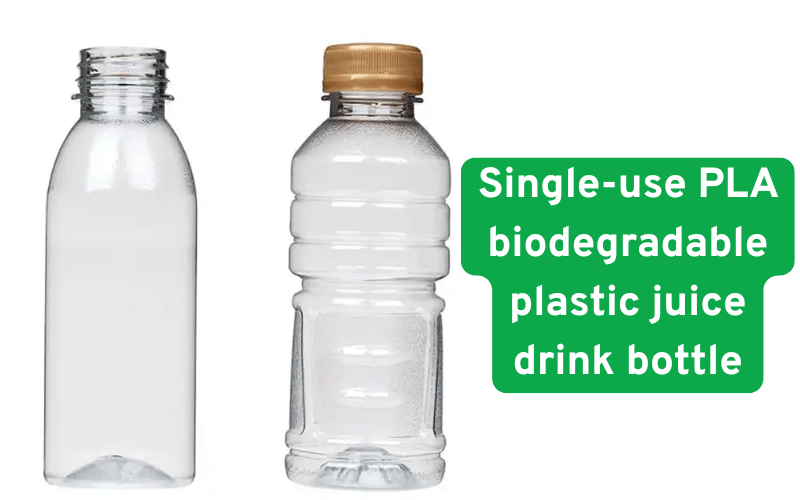
One of the primary benefits of PLA bottles is their ability to decompose into organic matter, such as water, carbon dioxide, and biomass, within a few months when disposed of correctly. This makes them an excellent choice for eco-conscious consumers looking to minimize their carbon footprint. Additionally, the production of PLA bottles requires less energy and generates fewer greenhouse gas emissions compared to petroleum-based plastics, further contributing to their sustainability.
However, it’s important to note that PLA bottles require specific conditions to biodegrade effectively, such as high temperatures and controlled moisture levels found in industrial composting facilities. Without proper disposal, these bottles may not decompose as intended, highlighting the need for improved composting infrastructure and consumer awareness.
Innovative Water Bottles Made from Compostable Materials
The market for eco-friendly water bottles has expanded significantly, with innovative designs and materials leading the way in sustainable hydration solutions. In addition to PLA, manufacturers are exploring other compostable materials, such as PHA (polyhydroxyalkanoates), which are derived from microbial fermentation of plant-based feedstocks. These materials offer similar benefits to PLA, including biodegradability and reduced reliance on fossil fuels, while also being suitable for a wider range of environmental conditions.
Some companies are even experimenting with water bottles made from natural fibers, such as bamboo or coconut husks, which decompose quickly and leave no harmful residues. These bottles not only reduce plastic waste but also promote the use of agricultural byproducts, creating a more circular economy. Additionally, innovations like edible water pods, made from seaweed-based membranes, are gaining popularity as a zero-waste alternative to single-use bottles.
These advancements demonstrate the potential for compostable materials to revolutionize the way we consume and dispose of water bottles. By choosing products made from innovative, biodegradable materials, consumers can actively support the transition to a more sustainable future.
Sustainable Solutions for Reducing Plastic Waste
Reducing plastic waste requires a multifaceted approach that combines individual actions, corporate responsibility, and systemic changes. One of the most effective ways to minimize plastic waste is by adopting reusable water bottles made from durable materials like stainless steel or glass. These bottles eliminate the need for single-use plastics and can last for years with proper care.
For those who prefer disposable options, choosing compostable water bottles made from PLA or other biodegradable materials is a step in the right direction. However, proper disposal is crucial to ensure these bottles decompose as intended. Consumers should familiarize themselves with local composting facilities and guidelines to maximize the environmental benefits of these products.
On a larger scale, businesses and governments play a critical role in reducing plastic waste by investing in sustainable packaging solutions, improving recycling and composting infrastructure, and implementing policies that encourage the use of eco-friendly materials. Public awareness campaigns can also help educate consumers about the environmental impact of plastic waste and the importance of making sustainable choices.
By combining innovative products, responsible consumption, and systemic changes, we can significantly reduce plastic waste and move toward a more sustainable and eco-friendly future.
Frequently Asked Questions
Q: What materials are biodegradable water bottles made from?
A: Biodegradable water bottles are typically crafted from plant-based materials like polylactic acid (PLA) and polyhydroxyalkanoates (PHA). These bioplastics are derived from renewable resources such as corn starch, sugarcane, or other plant-based feedstocks, making them a more sustainable alternative to traditional petroleum-based plastics.
Q: How do biodegradable bottles compare to traditional plastic bottles?
A: Biodegradable bottles decompose much faster than traditional plastic bottles, which can take hundreds of years to break down. When disposed of in appropriate composting environments, biodegradable bottles return to the earth as organic matter, reducing plastic pollution and lowering the carbon footprint associated with bottled water.
Q: Are biodegradable water bottles fully biodegradable?
A: Many biodegradable water bottles are designed to be fully biodegradable, but their ability to decompose depends on the disposal conditions. In industrial composting facilities, these bottles can break down efficiently alongside food waste, leaving no toxic residues and returning nutrients to the soil. However, they may not decompose as effectively in home composting systems or natural environments.
Q: Can biodegradable water bottles be recycled?
A: Biodegradable water bottles are generally not accepted in traditional recycling systems because they are made from different materials than conventional plastics. However, some facilities may accept them for composting or as part of specialized programs focused on sustainable packaging and waste reduction. Always check local guidelines for proper disposal.
Q: What is the environmental impact of using biodegradable water bottles?
A: Biodegradable water bottles help reduce plastic pollution and reliance on fossil fuels. By choosing plant-based materials, consumers support the use of renewable resources and contribute to a healthier planet. These bottles also minimize the long-term environmental damage caused by traditional plastics, making them a more eco-friendly choice.
Q: Where can I find biodegradable water bottles?
A: Biodegradable water bottles are available at various retailers, including eco-friendly stores, health food markets, and online platforms. Many brands now offer these sustainable options to cater to environmentally conscious consumers. Check specialty shops or online marketplaces for a wide selection of plant-based bottles.
Q: What are the benefits of using plant-based water bottles?
A: Plant-based water bottles offer numerous benefits, including reduced plastic waste, a lower carbon footprint, and the use of renewable resources. They are a healthier choice for the environment and consumers, as they decompose naturally without leaving harmful residues. These bottles are a practical step toward sustainable living.
Q: How do PHA and PLA bottles differ?
A: PHA and PLA are both bioplastics used in biodegradable water bottles, but they have distinct properties. PLA is made from fermented plant starch, making it ideal for clear and rigid bottles. PHA, on the other hand, is produced through microbial fermentation and is more flexible, durable, and heat-resistant. Both materials contribute to reducing the environmental impact of single-use bottles, but their applications may vary based on specific needs.
Conclusion
Biodegradable water bottles represent a pivotal step toward a sustainable future. While they are not a perfect solution, their ability to reduce plastic waste and reliance on fossil fuels makes them a compelling choice for eco-conscious consumers. By embracing these alternatives and supporting advancements in compostable materials, we can collectively work toward a cleaner, greener planet. Choose sustainability—every small step counts.