


Bioplastics are revolutionizing the way we think about sustainable materials. Derived from renewable resources like corn starch, sugarcane, and even algae, these innovative plastics offer a greener alternative to traditional petroleum-based plastics. With their ability to reduce environmental impact and support a circular economy, bioplastics are becoming a key player in industries ranging from packaging to automotive and medical applications. This article delves into the various types of bioplastics, their biodegradability, and their role in shaping a sustainable future.
Understanding Bioplastics
What are Bioplastics?
Bioplastics are a groundbreaking innovation in the world of materials science, offering a sustainable alternative to traditional plastics. Unlike conventional plastics, which are derived from non-renewable fossil fuels, bioplastics are made from renewable biological sources such as corn starch, sugarcane, or even algae. These materials are designed to reduce the environmental footprint of plastic production and disposal, as they can often decompose under specific conditions, leaving behind no harmful residues.
The versatility of bioplastics is one of their most significant advantages. They can be engineered to mimic the properties of traditional plastics, such as flexibility, durability, and transparency, making them suitable for a wide range of applications. From packaging and disposable cutlery to medical devices and automotive parts, bioplastics are steadily replacing their petroleum-based counterparts. However, their effectiveness in reducing environmental impact depends heavily on proper disposal methods and the availability of industrial composting facilities.

Comparison with Conventional Plastic
When comparing bioplastics to conventional plastics, several key differences stand out. Traditional plastics, made from petroleum-based polymers, are notorious for their environmental impact. They take hundreds of years to decompose, contributing to landfill overflow and marine pollution. In contrast, many bioplastics are designed to break down within months under the right conditions, significantly reducing their long-term environmental footprint.
Another critical difference lies in their production process. The manufacturing of conventional plastics relies heavily on fossil fuels, leading to high greenhouse gas emissions. Bioplastics, on the other hand, are produced from renewable resources, which can help reduce carbon emissions and conserve non-renewable energy sources. However, it’s important to note that not all bioplastics are biodegradable, and some require specific conditions to decompose, which may not always be available in standard waste management systems.
Despite their advantages, bioplastics are not without challenges. Their production can sometimes compete with food supply, as crops like corn and sugarcane are diverted for industrial use. Additionally, the cost of producing bioplastics is often higher than that of conventional plastics, which can limit their widespread adoption. Nevertheless, ongoing research and technological advancements are addressing these issues, paving the way for a more sustainable future.
The Role of Biopolymers
Biopolymers play a crucial role in the development and functionality of bioplastics. These naturally occurring polymers, derived from biological sources, serve as the building blocks for many bioplastic materials. Examples of biopolymers include polylactic acid (PLA), polyhydroxyalkanoates (PHA), and starch-based polymers, each offering unique properties and applications.
Polylactic acid (PLA), for instance, is widely used in packaging and disposable items due to its clarity and rigidity. It is derived from fermented plant sugars, making it a renewable and biodegradable option. Polyhydroxyalkanoates (PHA), on the other hand, are produced by microbial fermentation and are known for their flexibility and durability. They are often used in medical applications, such as sutures and drug delivery systems, as well as in packaging.
The use of biopolymers extends beyond bioplastics. They are also employed in industries like agriculture, where they are used to create biodegradable mulch films, and in the medical field, where they are used to develop bioresorbable implants. By leveraging the properties of biopolymers, manufacturers can create materials that not only meet functional requirements but also align with sustainability goals.
Main Types of Bioplastics
Starch-Based Bioplastics

Starch-based bioplastics are among the most widely used alternatives to traditional plastics, primarily due to their cost-effectiveness and availability. Derived from natural starch sources such as corn, potatoes, or cassava, these materials are biodegradable and renewable. Starch-based plastics are often blended with other biopolymers or synthetic polymers to enhance their mechanical properties, making them suitable for various applications, including food packaging, disposable cutlery, and agricultural films.
One of the key advantages of starch-based bioplastics is their ability to decompose in natural environments, provided the conditions are right. However, their performance can vary depending on the blend and the specific application. For instance, pure starch-based plastics may lack the durability required for certain uses, but when combined with other materials, they can achieve the necessary strength and flexibility. Despite these benefits, the production of starch-based bioplastics can sometimes compete with food supply, raising concerns about resource allocation.
PLA (Polylactic Acid)
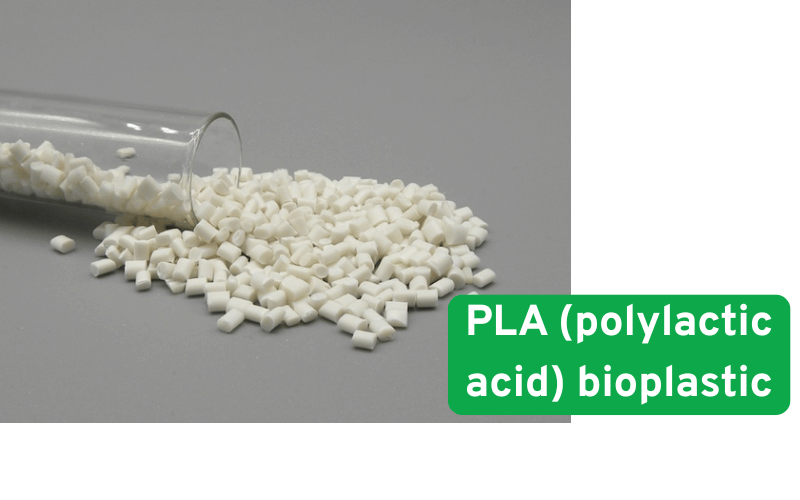
Polylactic acid, or PLA, is a popular bioplastic known for its versatility and eco-friendly properties. Made from fermented plant sugars, such as those found in corn or sugarcane, PLA is both renewable and biodegradable. It is widely used in applications like food packaging, disposable tableware, and even 3D printing due to its clarity, rigidity, and ease of processing.
PLA stands out for its ability to decompose into natural components like water and carbon dioxide under industrial composting conditions. However, it requires specific temperatures and moisture levels to break down effectively, which may not be available in standard composting or landfill environments. Additionally, while PLA is a sustainable alternative to petroleum-based plastics, its production still involves energy-intensive processes, highlighting the need for continued innovation in this area.
PHA (Polyhydroxyalkanoates)
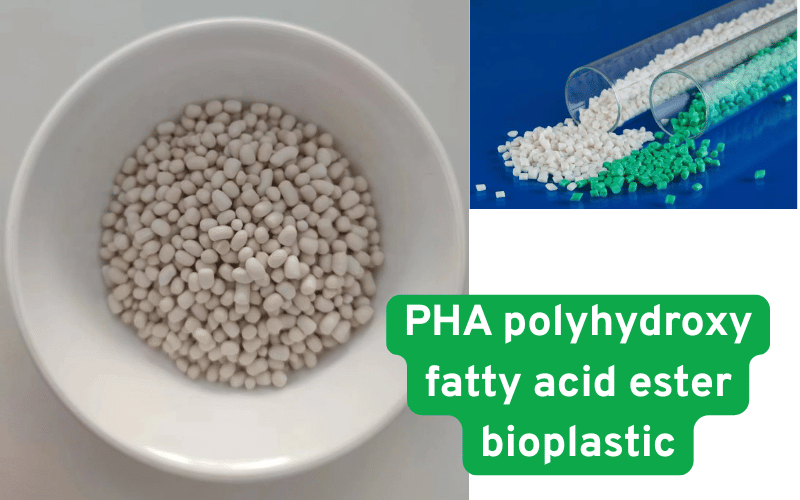
Polyhydroxyalkanoates, or PHA, are a family of bioplastics produced through microbial fermentation of plant-based feedstocks. Known for their flexibility and durability, PHAs are utilized in a wide range of applications, including medical devices such as sutures and implants, as well as packaging and agricultural films. Unlike some other bioplastics, PHAs can decompose in various environments, including soil and marine settings, making them a highly sustainable option.
One of the unique features of PHAs is their ability to be tailored for specific applications. By adjusting the fermentation process, manufacturers can create PHAs with varying properties, such as increased elasticity or rigidity. However, the production of PHAs is currently more expensive than other bioplastics, which limits their widespread adoption. As research and technology advance, the cost of PHA production is expected to decrease, making it a more accessible solution for reducing plastic waste.
Cellulose-Based Bioplastics

Cellulose-based bioplastics are derived from plant fibers, such as wood, cotton, or hemp, making them one of the most abundant and renewable types of bioplastics. These materials are often used in the production of films, coatings, and packaging due to their excellent barrier properties and biodegradability. Cellulose-based plastics are particularly valued for their ability to resist moisture and grease, making them ideal for food packaging applications.
Unlike some other bioplastics, cellulose-based materials can decompose in natural environments without requiring industrial composting facilities. This makes them a practical choice for reducing environmental impact. However, the production process for cellulose-based bioplastics can be complex and resource-intensive, which may affect their overall sustainability. Despite these challenges, their renewable nature and functional properties make them a promising alternative to traditional plastics.
Algae-Based Bioplastics

Algae-based bioplastics represent an innovative approach to sustainable materials, utilizing algae as a raw material. Algae grow rapidly and require minimal resources, making them an ideal feedstock for bioplastic production. These materials are still in the early stages of development but show great potential for applications in packaging, textiles, and even construction.
One of the most significant advantages of algae-based bioplastics is their ability to sequester carbon dioxide during production, contributing to a reduction in greenhouse gas emissions. Additionally, algae can be cultivated in non-arable land and saltwater, avoiding competition with food crops. While the technology for algae-based bioplastics is still evolving, their potential to address both plastic pollution and carbon emissions makes them a promising area of research.
Protein-Based Bioplastics

Protein-based bioplastics are made from natural proteins, such as casein (derived from milk), soy, or wheat gluten. These materials are biodegradable and renewable, providing a sustainable alternative for specific applications such as packaging, adhesives, and coatings. Protein-based bioplastics are particularly valued for their mechanical strength and barrier properties, which can be enhanced through chemical modifications.
The production of protein-based bioplastics often involves using byproducts from the food industry, such as whey or soy protein, making them a resource-efficient option. However, their sensitivity to moisture and limited thermal stability can pose challenges for specific applications. Ongoing research aims to enhance the performance of protein-based bioplastics, thereby expanding their potential applications and making them a viable alternative to conventional plastics.
Biodegradability of Bioplastics
How Bioplastics Biodegrade
Bioplastics are designed to break down into natural components, such as water, carbon dioxide, and biomass, through biological processes. This biodegradation occurs when microorganisms, such as bacteria and fungi, consume the material as a source of food. The process typically requires specific environmental conditions, such as the presence of heat, moisture, and oxygen, to facilitate microbial activity. For example, polylactic acid (PLA) bioplastics decompose effectively in industrial composting facilities where temperatures exceed 50°C. At the same time, polyhydroxyalkanoates (PHA) can degrade in a broader range of environments, including soil and marine ecosystems.
The rate at which bioplastics decompose depends on their chemical composition. Starch-based bioplastics, for instance, break down relatively quickly due to their natural origin and simple structure. In contrast, more complex bioplastics, such as those blended with synthetic polymers, may take longer to degrade. While the biodegradability of these materials is a significant advantage over traditional plastics, improper disposal can hinder the process. For instance, if bioplastics end up in landfills where oxygen is limited, they may not decompose as intended, highlighting the importance of proper waste management.
Environmental Impact of Biodegradable Options
Biodegradable bioplastics offer a promising solution to the growing problem of plastic pollution, but their environmental impact is not entirely straightforward. On the positive side, these materials reduce the accumulation of long-lasting waste in landfills and natural habitats. When disposed of correctly, bioplastics decompose into harmless substances, minimizing their ecological footprint. This is particularly beneficial in marine environments, where traditional plastics pose a significant threat to wildlife.
However, the production and disposal of bioplastics are not without challenges. Manufacturing bioplastics often requires agricultural resources, such as land, water, and energy, which can contribute to environmental degradation if not managed in a sustainable manner. Additionally, the decomposition of bioplastics in industrial composting facilities can release greenhouse gases like carbon dioxide, albeit in smaller quantities compared to the lifecycle emissions of conventional plastics. Furthermore, the lack of widespread composting infrastructure means that many biodegradable materials are not disposed of properly, reducing their environmental benefits.
Despite these challenges, the adoption of biodegradable bioplastics represents a step forward in reducing plastic waste and its associated environmental impacts. By improving production methods and waste management systems, the potential benefits of these materials can be maximized, contributing to a more sustainable future.
Factors Influencing Biodegradation
Several factors, including environmental conditions, material composition, and disposal methods influence the biodegradation of bioplastics. Understanding these factors is crucial for optimizing the performance and sustainability of biodegradable materials.
-
Environmental Conditions: Temperature, moisture, and oxygen levels play a critical role in the decomposition process. High temperatures and adequate moisture accelerate microbial activity, making industrial composting facilities ideal for breaking down bioplastics like PLA. In contrast, materials like PHA can degrade in more diverse environments, including soil and water.
-
Material Composition: The chemical structure of bioplastics determines their biodegradability. Simple, plant-based materials like starch decompose more quickly than complex polymers blended with synthetic components. Additives used to enhance the durability or flexibility of bioplastics can also affect their decomposition rate.
-
Disposal Methods: Proper disposal is essential for ensuring that bioplastics degrade as intended. Industrial composting facilities provide the controlled conditions needed for efficient decomposition, while home composting systems may not reach the required temperatures. Improper disposal, such as discarding bioplastics in regular trash or recycling bins, can prevent them from breaking down and may even contaminate recycling streams.
-
Microbial Activity: The presence and diversity of microorganisms in the environment significantly impact the biodegradation process. Environments rich in bacteria and fungi, such as compost piles or fertile soil, are more conducive to breaking down bioplastics than sterile or nutrient-poor settings.
By addressing these factors through improved material design, waste management practices, and public awareness, the biodegradability of bioplastics can be optimized, enhancing their role in reducing plastic pollution and promoting environmental sustainability.
Development and Future of Bioplastics
Innovations in Bioplastic Technology
The field of bioplastics has witnessed remarkable advancements in recent years, driven by the need for sustainable alternatives to traditional plastics. One of the most significant innovations is the development of advanced biopolymers, such as polyhydroxyalkanoates (PHA) and polylactic acid (PLA), which offer improved performance and biodegradability. Researchers are also exploring the use of unconventional feedstocks, such as algae, agricultural waste, and even carbon dioxide, to produce bioplastics. These feedstocks not only reduce reliance on food crops but also help in utilizing byproducts and waste materials, making the production process more sustainable.
Another exciting development is the creation of bioplastics with enhanced properties, such as increased strength, flexibility, and heat resistance. For instance, blending biopolymers with natural fibers like hemp or bamboo has resulted in materials that are both durable and eco-friendly. Additionally, advancements in nanotechnology have enabled the incorporation of nanoparticles into bioplastics, improving their barrier properties and making them suitable for applications like food packaging. These innovations are paving the way for bioplastics to compete with conventional plastics in terms of functionality and cost-effectiveness.
Challenges in Bioplastic Development
Despite the progress, the development of bioplastics faces several challenges that need to be addressed to ensure their widespread adoption. One of the primary issues is the high production cost compared to traditional plastics. The use of renewable feedstocks and the complexity of manufacturing processes often result in higher prices, making bioplastics less accessible to consumers and industries. However, as technology advances and economies of scale are achieved, these costs are expected to decrease.
Another challenge is the limited infrastructure for proper disposal and recycling of bioplastics. While many bioplastics are designed to be compostable, they often require industrial composting facilities that are not widely available. This can lead to improper disposal, reducing the environmental benefits of these materials. Additionally, the lack of standardized labeling and certification for bioplastics can create confusion among consumers, making it difficult to distinguish between biodegradable, compostable, and recyclable options.
The environmental impact of bioplastic production is another area of concern. Although bioplastics are made from renewable resources, their cultivation and processing can have negative effects, such as deforestation, water usage, and greenhouse gas emissions. To address these issues, researchers are focusing on developing more efficient production methods and exploring alternative feedstocks that do not compete with food crops.
Using Bioplastics in Various Industries
Bioplastics are finding applications across a wide range of industries, thanks to their versatility and eco-friendly properties. In the packaging sector, bioplastics are being used to create compostable bags, food containers, and films that reduce plastic waste. These materials are particularly popular in the food and beverage industry, where they help maintain product freshness while minimizing environmental impact.
In the automotive industry, bioplastics are being used to manufacture interior components, such as dashboards and seat cushions. These materials not only reduce the vehicle’s overall weight, improving fuel efficiency, but also contribute to sustainability by replacing petroleum-based plastics. Similarly, the electronics industry is exploring the use of bioplastics for casings and components, offering a greener alternative to traditional materials.
The medical field is another area where bioplastics are making a significant impact. Biodegradable polymers like PLA and PHA are being used to create sutures, drug delivery systems, and implants that naturally break down in the body, eliminating the need for surgical removal. Additionally, bioplastics are being used in agriculture to produce biodegradable mulch films and plant pots, which decompose in the soil and reduce waste.
As bioplastics continue to evolve, their potential applications are expected to expand further, driving innovation and sustainability across multiple industries. By addressing the challenges and leveraging advancements in technology, bioplastics can play a crucial role in reducing plastic pollution and promoting a circular economy.
Frequently Asked Questions
Q: What are the main types of bioplastics?
A: The main types of bioplastics include biodegradable plastics, compostable plastics, and those made from renewable resources. These materials can be derived from sources like corn starch, vegetable oils, and other biomass, offering an eco-friendly alternative to petroleum-based plastics.
Q: How do bioplastics biodegrade?
A: Bioplastics biodegrade through the activity of microorganisms that break down their polymer structure into natural byproducts such as water, carbon dioxide, and organic matter. The speed of this process depends on factors like temperature, moisture, and the specific type of bioplastic.
Q: Are all bioplastics compostable?
A: No, not all bioplastics are compostable. While some bioplastics are biodegradable, only those labeled as “compostable” meet the standards for industrial composting. These products decompose within a specific timeframe under controlled conditions, leaving no toxic residues.
Q: What is the environmental impact of using bioplastics?
A: Bioplastics generally have a lower environmental impact compared to traditional plastics. They reduce reliance on fossil fuels, utilize renewable resources, and can be biodegradable or compostable, helping to decrease landfill waste and pollution. However, their impact depends on proper disposal and production practices.
Q: How are bioplastics made?
A: Bioplastics are produced from renewable resources like starch, plant oils, and agricultural byproducts. The process involves extracting these raw materials and converting them into polymers through fermentation or chemical synthesis, which are then used to create products like packaging and consumer goods.
Q: What is the role of bioplastics in the circular economy?
A: Bioplastics contribute to the circular economy by offering a sustainable alternative to conventional plastics. They are often made from renewable resources, can be biodegradable, and support waste reduction by promoting recycling and composting, thereby enhancing resource efficiency.
Q: What are some examples of bioplastics used in food packaging?
A: Examples of bioplastics commonly used in food packaging include polylactic acid (PLA) and polyhydroxyalkanoates (PHA). These materials are valued for their biodegradability and compostability, making them ideal for items like food containers, wraps, and disposable utensils.
Q: What is the demand for bioplastics in the market?
A: The demand for bioplastics is growing rapidly as industries and consumers prioritize sustainability. Key drivers include increased environmental awareness, stricter regulations on single-use plastics, and technological advancements that improve the performance and affordability of bioplastics.
Conclusion
Bioplastics represent a significant step forward in addressing the global plastic waste crisis. By leveraging renewable resources and innovative technologies, they offer a sustainable alternative that reduces reliance on fossil fuels and minimizes environmental harm. As industries and consumers increasingly adopt bioplastics, their potential to transform waste management and promote a circular economy becomes ever more evident. Embracing bioplastics is not just a choice—it’s a commitment to a greener, more sustainable planet.