


Sugarcane bagasse, a byproduct of sugar production, is revolutionizing the food service industry with its eco-friendly and compostable packaging solutions. As businesses and consumers alike seek sustainable alternatives to single-use plastics, sugarcane bagasse cups have emerged as a practical and environmentally responsible choice. In this blog, we’ll explore the different types of sugarcane bagasse cups, their benefits, and how they’re transforming food service into a greener, more sustainable industry.
Introduction to Sugarcane Bagasse
What is Sugarcane Bagasse?
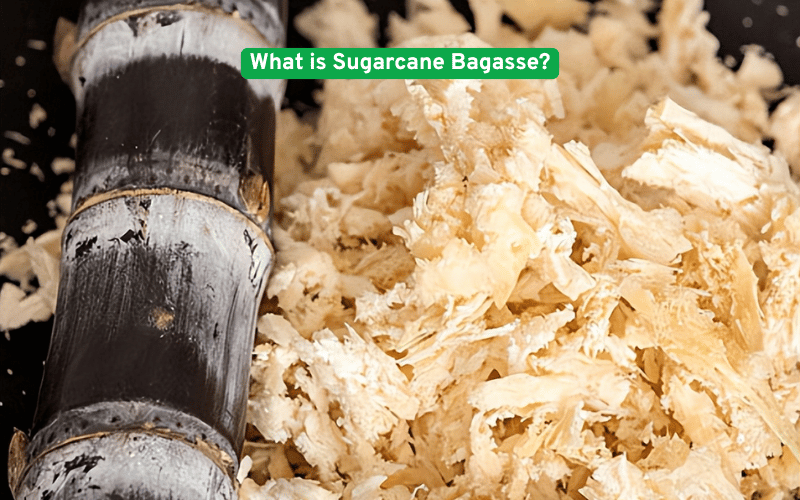
Sugarcane bagasse is the fibrous residue left behind after the extraction of juice from sugarcane stalks. This byproduct, previously considered agricultural waste, has gained significant attention for its potential as a sustainable raw material. Composed primarily of cellulose, hemicellulose, and lignin, bagasse is a lightweight, biodegradable, and highly versatile material. It is commonly used in industries such as packaging, paper production, and bioenergy, offering an eco-friendly alternative to traditional materials like plastic and wood.
One of the most notable features of sugarcane bagasse is its abundance. As a byproduct of sugar production, it is readily available in large quantities, particularly in countries with thriving sugarcane industries like Brazil, India, and Thailand. This makes it a cost-effective and renewable resource for various applications. Additionally, its natural composition allows it to be processed into a wide range of products, from biodegradable food containers to biofuels, further enhancing its value in promoting sustainability.
Benefits of Using Sugarcane Bagasse
The use of sugarcane bagasse offers numerous benefits, both environmentally and economically. One of its primary advantages is its role in reducing waste. By repurposing a byproduct that would otherwise be discarded or burned, industries can minimize agricultural waste and lower their environmental footprint. This not only helps in waste management but also reduces air pollution caused by the burning of bagasse in open fields.
Another significant benefit is its potential to replace non-renewable materials. For instance, bagasse is widely used to produce biodegradable packaging, such as plates, bowls, and takeout containers. These products decompose naturally, unlike plastic, which can take hundreds of years to break down. By substituting plastic with bagasse-based materials, businesses can contribute to reducing plastic pollution and promoting a circular economy.
In addition to its environmental advantages, sugarcane bagasse is also economically beneficial. Its availability as a byproduct makes it a cost-effective raw material for industries. Moreover, its lightweight nature reduces transportation costs, while its insulating properties make it an ideal choice for applications such as food packaging. These factors, combined with its renewable and biodegradable nature, make sugarcane bagasse a desirable option for sustainable manufacturing.
Environmental Impact of Bagasse
The environmental impact of sugarcane bagasse is overwhelmingly positive, particularly when compared to traditional materials such as plastic and wood. One of its most significant contributions is its ability to reduce greenhouse gas emissions. When used as a biofuel, bagasse can replace fossil fuels in energy production, significantly lowering carbon dioxide emissions. This is particularly important in sugar mills, where bagasse is often burned to generate electricity and steam, creating a closed-loop system that minimizes waste and energy consumption.
Bagasse also plays a crucial role in reducing deforestation. By using bagasse as a raw material for paper and packaging, industries can decrease their reliance on wood, helping to preserve forests and maintain biodiversity. Additionally, the production of bagasse-based products requires less water and energy compared to traditional materials, further reducing their environmental footprint.
However, it is essential to manage bagasse production and disposal responsibly. While it is biodegradable, improper disposal or excessive accumulation can lead to the release of methane, a potent greenhouse gas. To maximize its environmental benefits, bagasse should be processed in controlled conditions, such as composting or industrial applications, to ensure it decomposes efficiently and contributes to sustainability goals.
Understanding Compostable Cups
Definition of Compostable Cups
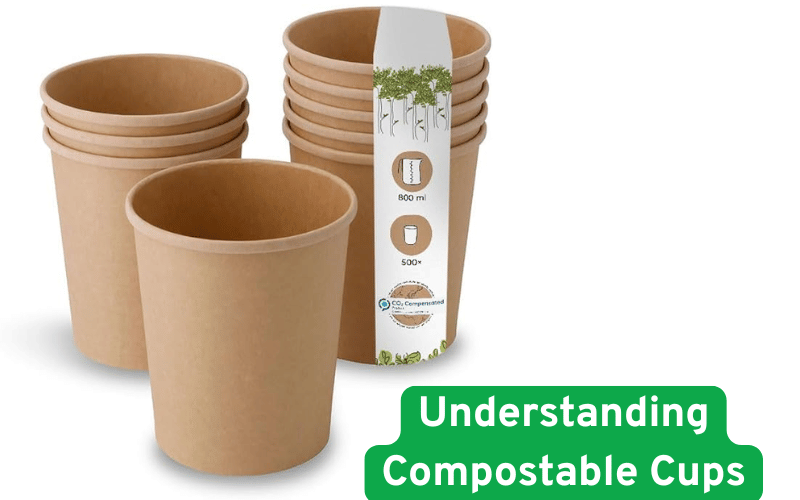
Compostable cups are an eco-friendly alternative to traditional disposable cups, designed to break down into natural elements like water, carbon dioxide, and organic matter under specific composting conditions. Unlike conventional plastic cups, which can take hundreds of years to decompose, compostable cups are made from plant-based materials or bioplastics that decompose within a few months in industrial composting facilities. These cups leave no toxic residues, making them a sustainable choice for reducing waste and environmental pollution.
The key distinction between compostable and biodegradable cups lies in their decomposition process. While biodegradable cups may break down over time, they do not necessarily do so in a way that benefits the environment. Compostable cups, on the other hand, are specifically designed to decompose into nutrient-rich compost, which can be used to enrich soil and support plant growth. This makes them an ideal solution for businesses and consumers seeking to minimize their environmental impact.
How Compostable Cups are Made
The production of compostable cups involves the use of renewable, plant-based materials such as polylactic acid (PLA), bagasse (sugarcane fiber), or cornstarch. These materials are processed into bioplastics or molded into cup shapes, creating a product that mimics the functionality of traditional disposable cups while being environmentally friendly. For instance, PLA is derived from fermented plant sugars and is commonly used as a lining for compostable cups to make them leak-proof.
The manufacturing process typically begins with the extraction of raw materials, such as starch or cellulose, from plants. These materials are then converted into biopolymers through fermentation or chemical processes. Once the biopolymers are ready, they are molded into the desired shape using heat and pressure. Additional features, such as lids or insulation layers, may also be added to enhance the usability of the cups.
One of the advantages of compostable cups is that they can be produced using agricultural byproducts, such as bagasse, which reduces waste and promotes resource efficiency. However, it is important to note that the compostability of these cups depends on proper disposal. They require specific conditions, such as high temperatures and controlled moisture levels, to break down effectively, which are typically found in industrial composting facilities.
Comparison with Traditional Disposable Cups
When comparing compostable cups to traditional disposable cups, several key differences highlight the environmental and functional benefits of the former. Traditional disposable cups are often made from petroleum-based plastics or paper lined with polyethylene, making them non-biodegradable and difficult to recycle. These materials can persist in landfills for centuries, contributing to pollution and waste accumulation.
In contrast, compostable cups are designed to decompose within a short period, provided they are disposed of in the right conditions. This significantly reduces their environmental impact, as they do not contribute to long-term waste or release harmful microplastics into the environment. Additionally, the use of renewable resources in their production helps conserve non-renewable fossil fuels and reduces greenhouse gas emissions.
However, compostable cups are not without challenges. Their decomposition requires access to industrial composting facilities, which may not be widely available in all regions. Improper disposal, such as throwing them into regular trash or recycling bins, can prevent them from breaking down as intended. Despite these limitations, the shift toward compostable cups represents a significant step forward in reducing the environmental impact of single-use products and promoting sustainable consumption practices.
Types of Sugarcane Bagasse Cups
Hot Cups vs. Cold Cups
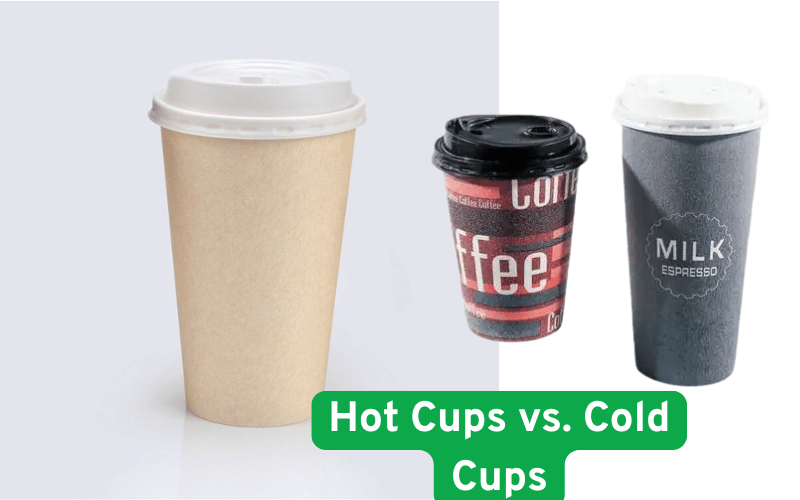
Sugarcane bagasse cups are versatile and can be designed specifically for serving hot or cold beverages, making them a sustainable alternative to traditional disposable cups. Hot cups are crafted to withstand high temperatures, ensuring they do not deform or leak when filled with coffee, tea, or other hot drinks. These cups often feature an additional layer of insulation, which helps maintain the beverage’s temperature while protecting the user’s hands from heat. The natural insulating properties of bagasse make it an excellent material for hot cups, as it retains heat without requiring additional plastic linings.
On the other hand, cold cups are designed for serving chilled beverages like iced tea, smoothies, or soft drinks. These cups are lightweight yet durable, ensuring they hold up well against condensation and moisture. Unlike traditional plastic cold cups, bagasse cold cups are biodegradable and compostable, reducing their environmental impact. Both hot and cold bagasse cups are free from harmful chemicals, such as BPA, making them a safer choice for consumers and the planet.
Bagasse Portion Cups for Food Serving

In addition to beverage cups, sugarcane bagasse is widely used to create portion cups for serving condiments, sauces, and small food items. These bagasse portion cups are ideal for restaurants, catering services, and takeout businesses looking to adopt eco-friendly practices. Available in various sizes, they are perfect for serving items like ketchup, salad dressings, or even small desserts.
Bagasse portion cups are not only biodegradable but also grease-resistant, making them suitable for both liquid and semi-solid foods. Their sturdy construction ensures they do not leak or collapse, even when holding oily or acidic contents. Moreover, these cups are microwave-safe, allowing users to heat food directly in the container without worrying about harmful chemicals leaching into the food. By replacing plastic or foam portion cups with bagasse alternatives, businesses can significantly reduce their contribution to plastic waste.
Eco-Friendly Packaging Solutions
Sugarcane bagasse cups are part of a broader range of eco-friendly packaging solutions that cater to the growing demand for sustainable products. These cups, along with other bagasse-based items like plates, bowls, and food containers, offer a comprehensive solution for businesses aiming to minimize their environmental footprint. Bagasse packaging is not only compostable but also made from renewable resources, making it a key player in the shift toward a circular economy.
One of the standout features of bagasse packaging is its ability to decompose naturally within a few months under composting conditions. This makes it an excellent alternative to single-use plastics, which can take centuries to break down. Additionally, bagasse packaging is lightweight yet durable, reducing transportation costs and energy consumption during shipping. Its natural texture and aesthetic appeal also resonate with eco-conscious consumers, enhancing brand perception for businesses that adopt these solutions.
By incorporating sugarcane bagasse cups and other packaging products into their operations, businesses can align with sustainability goals while meeting consumer demand for environmentally responsible options. This shift not only benefits the planet but also positions companies as leaders in the movement toward sustainable practices.
Applications in Food Service
Usage in Cafes and Restaurants
Cafes and restaurants are increasingly adopting compostable and eco-friendly products, such as sugarcane bagasse cups and containers, to align with sustainability goals and meet consumer expectations. These establishments use bagasse cups for serving both hot and cold beverages, offering an environmentally friendly alternative to traditional plastic or foam cups. The natural insulation properties of bagasse make it ideal for hot drinks like coffee and tea, while its durability ensures it can handle iced beverages without leaking or collapsing.
In addition to cups, many cafes and restaurants utilize bagasse-based plates, bowls, and takeout containers for serving food. These products are grease-resistant, sturdy, and microwave-safe, making them practical for a variety of menu items, from soups and salads to sandwiches and desserts. By incorporating bagasse products into their operations, food service businesses not only reduce their environmental footprint but also enhance their brand image as eco-conscious establishments. This shift is particularly appealing to younger, environmentally aware customers who prioritize sustainability when choosing where to dine.
Benefits for Catering Services
Catering services benefit significantly from using compostable products like bagasse cups and containers, especially for large-scale events where single-use items are a necessity. Bagasse products are lightweight yet durable, making them easy to transport and handle during events. Their compostable nature ensures that waste management is simplified, as these items can be disposed of in composting facilities, reducing the volume of landfill waste.
Another advantage for catering services is the versatility of bagasse products. From portion cups for sauces and condiments to large serving trays for main dishes, bagasse packaging can accommodate a wide range of food items. These products are also aesthetically pleasing, with a natural, clean look that complements the presentation of food. Additionally, their ability to withstand both hot and cold temperatures makes them suitable for diverse catering menus, whether serving chilled appetizers or hot entrees.
By choosing bagasse products, catering businesses can position themselves as leaders in sustainable practices, appealing to clients who value eco-friendly solutions. This not only helps in reducing environmental impact but also enhances the reputation of the catering service, making it a preferred choice for environmentally conscious customers.
Consumer Preferences for Compostable Options
Consumer demand for compostable and sustainable products has grown significantly in recent years, driven by increased awareness of environmental issues and the harmful effects of plastic waste. Many consumers now actively seek out cafes, restaurants, and catering services that use eco-friendly packaging, including compostable cups and containers. This shift in preferences is particularly evident among younger generations, who are more likely to support businesses that prioritize sustainability.
Compostable options like bagasse cups resonate with consumers because they offer a guilt-free alternative to traditional single-use plastics. These products decompose naturally, reducing the long-term environmental impact and aligning with the values of eco-conscious individuals. Additionally, the use of renewable materials like sugarcane bagasse appeals to consumers who are concerned about resource conservation and the carbon footprint of the products they use.
Businesses that adopt compostable options not only meet consumer expectations but also differentiate themselves in a competitive market. Offering sustainable packaging solutions can enhance customer loyalty and attract a broader audience, as more people prioritize environmental responsibility in their purchasing decisions. By embracing compostable products, food service providers can create a positive impact on the planet while catering to the evolving preferences of their customers.
Future of Sugarcane Bagasse Cups
Trends in Eco-Friendly Products
The demand for eco-friendly products, including sugarcane bagasse cups, is on the rise as consumers and businesses alike prioritize sustainability. This trend is driven by growing environmental awareness, stricter regulations on single-use plastics, and the increasing popularity of zero-waste lifestyles. Sugarcane bagasse cups, being compostable and made from renewable resources, align perfectly with these global shifts toward greener alternatives.
One notable trend is the adoption of bagasse cups in industries beyond food service, such as retail and events. For instance, bagasse cups are now being used at music festivals, corporate events, and even in offices as part of sustainability initiatives. Additionally, businesses are branding these cups with eco-friendly messaging to emphasize their commitment to reducing environmental impact. This not only appeals to environmentally conscious consumers but also enhances brand reputation.
Another emerging trend is the integration of technology into eco-friendly products. For example, QR codes printed on bagasse cups can provide consumers with information about proper disposal methods or the environmental benefits of using compostable products. These innovations help educate users and encourage responsible behavior, further supporting the shift toward sustainable consumption.
Potential Market Growth
The market for sugarcane bagasse cups is poised for significant growth in the coming years, fueled by increasing consumer demand and supportive government policies. As more countries implement bans or restrictions on single-use plastics, businesses are turning to sustainable alternatives like bagasse cups to comply with regulations. This creates a favorable environment for the expansion of the bagasse cup market.
In addition to regulatory drivers, the cost of producing bagasse cups is expected to decrease as manufacturing processes become more efficient and economies of scale are achieved. This will make these products more accessible to small and medium-sized businesses, further boosting market adoption. Moreover, the rise of e-commerce and food delivery services presents a unique opportunity for bagasse cups, as these industries require large quantities of disposable packaging.
The global push for sustainability is also opening up new markets for bagasse cups in regions where eco-friendly products were previously less common. For example, developing countries with growing middle-class populations are beginning to adopt sustainable practices, creating new demand for compostable packaging solutions. This expansion into untapped markets highlights the immense potential for growth in the bagasse cup industry.
Innovations in Bagasse Cup Design
Innovation is playing a crucial role in shaping the future of sugarcane bagasse cups, with manufacturers continuously improving their design and functionality. One area of focus is enhancing the durability and performance of bagasse cups to make them suitable for a wider range of applications. For instance, advancements in material science have led to the development of bagasse cups that are more resistant to heat and moisture, ensuring they perform well under various conditions.
Another exciting innovation is the incorporation of multi-functional features into bagasse cups. For example, some manufacturers are designing cups with built-in lids or dual compartments for serving beverages and snacks simultaneously. These features not only improve convenience for consumers but also reduce the need for additional packaging, further minimizing waste.
Sustainability-focused innovations are also gaining traction, such as the use of natural dyes and inks for branding and customization. These eco-friendly printing methods ensure that the entire product remains compostable, aligning with the principles of a circular economy. Additionally, some companies are exploring the use of hybrid materials, combining bagasse with other plant-based fibers to create cups with unique textures and enhanced strength.
As these innovations continue to evolve, sugarcane bagasse cups are becoming more versatile, functional, and appealing to both businesses and consumers. This progress not only supports the growth of the bagasse cup market but also reinforces its role as a key player in the transition to sustainable packaging solutions.
Frequently Asked Questions about Sugarcane Bagasse Cups
Q: What are sugarcane bagasse cups made from?
A: Sugarcane bagasse cups are made from the fibrous residue left after extracting juice from sugarcane stalks. This byproduct is processed into a biodegradable and compostable material, offering an eco-friendly and sustainable alternative to traditional plastic cups.
Q: How are sugarcane bagasse cups environmentally friendly?
A: These cups are eco-friendly because they are made from renewable resources and decompose naturally under composting conditions. Unlike plastic cups, which can take centuries to break down, bagasse cups significantly reduce landfill waste and environmental pollution.
Q: Can sugarcane bagasse cups handle hot and cold beverages?
A: Yes, sugarcane bagasse cups are designed to hold both hot and cold beverages. They are sturdy enough to handle liquids like coffee, tea, and iced drinks without losing their shape or leaking, making them versatile for various food service applications.
Q: Are sugarcane bagasse cups available in different sizes?
A: Absolutely! Sugarcane bagasse cups come in a range of sizes, such as 8oz, 12oz, and 16oz, ensuring there’s an option for every beverage or serving need, whether for takeout or dine-in use.
Q: Do sugarcane bagasse cups come with lids?
A: Yes, sugarcane bagasse cups can be paired with lids, which are typically sold separately. These lids provide a secure, spill-free solution for on-the-go beverages, ensuring convenience and mess-free transportation.
Q: What are the benefits of using biodegradable bagasse cups?
A: Biodegradable bagasse cups offer numerous benefits, including reducing plastic waste, supporting sustainability, and lowering the environmental impact of food packaging. They are also non-toxic, safe for food contact, and decompose into nutrient-rich compost.
Q: Where can I buy sugarcane bagasse cups?
A: Sugarcane bagasse cups are widely available through online retailers and suppliers specializing in eco-friendly packaging. Many stores offer a variety of options to suit different needs, making it easy to find the right cups for your business or personal use.
Q: Are bagasse coffee cups more expensive than plastic cups?
A: While bagasse coffee cups may cost slightly more than plastic cups, their environmental benefits and sustainability often justify the price. Additionally, many consumers are willing to pay a premium for eco-friendly products, making them a worthwhile investment for businesses.
Conclusion
Sugarcane bagasse cups are more than just a sustainable alternative—they’re a step toward a cleaner, greener future for the food service industry. With their compostable nature, durability, and versatility, these cups provide a practical solution for businesses seeking to minimize their environmental impact. By adopting sugarcane bagasse products, you’re not only meeting the growing demand for eco-friendly packaging but also contributing to a healthier planet. Make the switch today and join the movement toward sustainable food service solutions.