


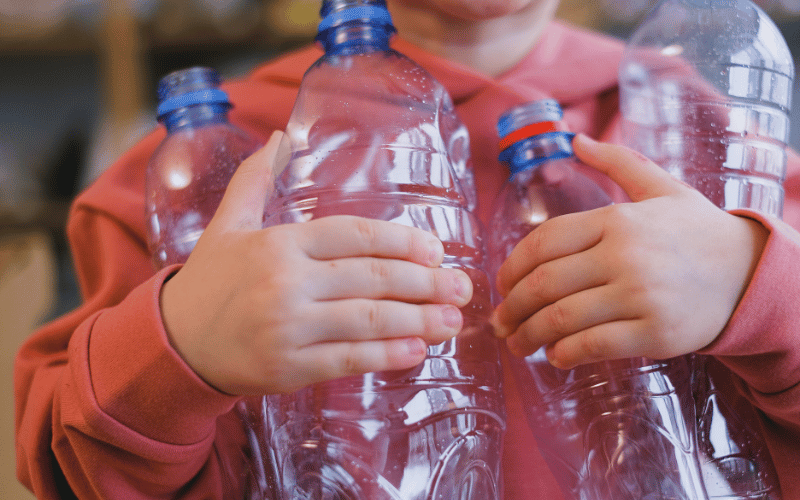
Plastic waste continues to harm the environment, polluting oceans, clogging landfills, and endangering wildlife. But what if you could turn this problem into an opportunity? Reusing plastic bottles not only reduces waste but also transforms discarded materials into valuable resources, offering a simple yet impactful way to protect the planet.
Why Reuse Plastic Bottles?
Benefits of Reusing Over Recycling
Reusing plastic bottles offers significant advantages over recycling, making it a more impactful way to address plastic waste. Recycling, while beneficial, requires energy-intensive processes that involve collecting, transporting, and breaking down materials before they can be repurposed. These steps consume large amounts of energy and often release greenhouse gases, contributing to pollution. In contrast, reusing plastic bottles eliminates the need for these processes entirely. By finding creative ways to repurpose bottles, you conserve energy, reduce emissions, and minimize the strain on recycling facilities. For example, turning a used bottle into a planter, storage container, or DIY project extends its life cycle without additional environmental costs. Reusing not only reduces the demand for new materials but also helps cut down on the volume of waste entering landfills and oceans.
The Role of Individuals in Reducing Plastic Waste
Individuals play a crucial role in tackling the global plastic waste crisis. Small, consistent actions, like reusing plastic bottles, can collectively make a significant difference. By choosing to repurpose bottles instead of discarding them, you actively reduce the amount of waste that pollutes ecosystems and harms wildlife. Simple changes, such as using bottles for home organization, crafting, or gardening, demonstrate how everyday items can serve multiple purposes. These efforts also inspire others to adopt similar habits, creating a ripple effect that amplifies the impact. When individuals take responsibility for their consumption and waste, they contribute to a larger movement toward sustainability. Reusing plastic bottles is not just an eco-friendly choice—it’s a powerful way to show that small actions can lead to meaningful change.
Creative Ideas for Reusing Plastic Bottles
Home Decor: Transforming Bottles into Art
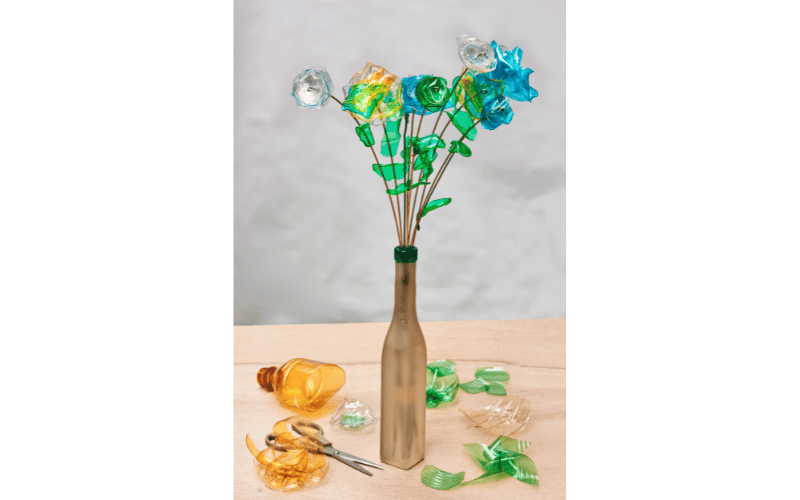
Plastic bottles can add charm to your home when repurposed into creative decor. Turn them into floral lights by cutting and shaping the plastic into flower petals, then attaching them to string lights for a whimsical glow. Create wind spirals by cutting bottles into spiraled strips, painting them in vibrant colors, and hanging them in your garden or balcony to catch the breeze. For a magical touch, craft dandelion lanterns by shaping the bottle into a globe, adding tiny LED lights, and painting delicate designs. These projects not only beautify your space but also reduce waste in a fun and artistic way.
Gardening: Practical and Eco-Friendly Solutions
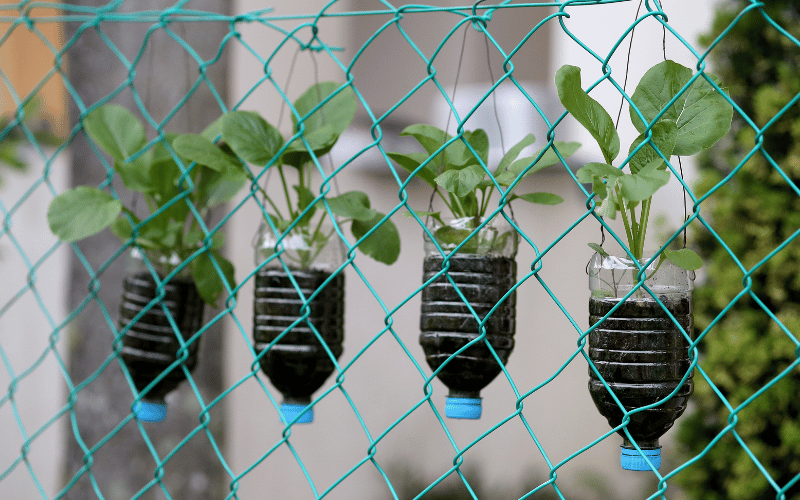
Plastic bottles offer endless possibilities for gardening enthusiasts. Convert them into watering cans by poking small holes in the cap, allowing you to water plants evenly. Build vertical gardens by cutting bottles in half, filling them with soil, and stacking them on a wall or frame to grow herbs, flowers, or small vegetables. You can also create sprinklers by drilling holes into a bottle and attaching it to a garden hose, providing an efficient way to water your lawn or garden. These simple yet effective ideas make gardening more sustainable and cost-effective.
School Projects: Fun and Functional Creations
Students can use plastic bottles to create practical and imaginative school projects. Turn bottles into pencil organizers by cutting off the top, decorating the base, and using it to store pens, pencils, and markers. Craft book holders by cutting bottles into sturdy shapes that can hold textbooks or notebooks upright. For a unique twist, make zipper cases by cutting two bottle bottoms, attaching a zipper around the edges, and using them to store small items like erasers or paper clips. These projects encourage creativity while teaching kids the importance of reusing materials.

Toys for Kids: Sparking Imagination
Plastic bottles can become exciting toys that spark children’s creativity. Build jet packs by attaching two bottles, painting them to resemble fuel tanks, and adding straps for kids to wear during imaginative play. Create toy cars by cutting and shaping bottles, adding wheels, and decorating them with paint or stickers. For outdoor fun, make bubble snakes by cutting the bottom off a bottle, covering it with a piece of cloth secured with a rubber band, and dipping it into soapy water to blow long streams of bubbles. These toys provide hours of entertainment while reducing waste.

Organizers: Keeping Things Tidy
Plastic bottles can help you stay organized in style. Make piggy banks by cutting a slot into a bottle, decorating it with paint or stickers, and using it to save coins. Create magazine racks by cutting bottles into wide, open shapes that can hold magazines or documents neatly. For jewelry storage, craft stands by stacking bottle bases on a rod or dowel, creating tiers to hold necklaces, bracelets, and rings. These organizers combine functionality with sustainability, helping you declutter while giving plastic bottles a second life.
Benefits of Reusing Plastic Bottles
Environmental Impact: Reducing Waste and Pollution
Reusing plastic bottles significantly reduces the amount of waste that ends up in landfills and oceans. Every bottle repurposed prevents it from contributing to the growing plastic pollution crisis, which harms wildlife and ecosystems. By giving bottles a second life, you help lower the demand for new plastic production, which in turn reduces greenhouse gas emissions and conserves natural resources. Whether you use bottles for home projects, gardening, or storage, each effort contributes to a cleaner, healthier planet. Small actions like these, when multiplied across communities, create a powerful impact on reducing environmental harm.
Economic Benefits: Saving Money Through Repurposing
Reusing plastic bottles offers a cost-effective way to meet everyday needs without purchasing new items. Instead of buying expensive organizers, planters, or toys, you can create them at home using materials you already have. For example, turning a bottle into a watering can or a pencil holder saves money while reducing waste. Families can also save on craft supplies by using bottles for DIY projects, making it an affordable way to engage in creative activities. These savings add up over time, proving that sustainability doesn’t have to come at a high cost. By reusing bottles, you not only help the environment but also keep more money in your pocket.
Creative Engagement: Fun and Educational Activities for Families
Reusing plastic bottles opens up opportunities for fun, hands-on activities that bring families together. Crafting projects like making toys, home decor, or school supplies from bottles encourages creativity and problem-solving skills. These activities also teach children the importance of sustainability and resourcefulness in a practical, engaging way. Families can turn bottle-repurposing into a weekend tradition, creating everything from bubble blowers to vertical gardens. These projects not only entertain but also educate, fostering a sense of responsibility toward the environment. Reusing bottles transforms waste into a tool for learning and bonding, making sustainability a shared family experience.
Challenges and Solutions
Addressing Potential Challenges
Reusing plastic bottles comes with a few challenges, such as durability and safety concerns. Over time, plastic bottles may weaken, especially when exposed to heat, sunlight, or repeated use. This degradation can cause cracks or leaks, making them less reliable for certain purposes. Additionally, some plastics may release harmful chemicals, such as BPA or phthalates, when exposed to high temperatures or acidic substances. These safety concerns highlight the importance of choosing the right type of plastic for reuse. Bottles labeled as food-safe or BPA-free are better options for projects involving food or drink storage. Understanding these limitations ensures that reusing plastic bottles remains both practical and safe.
Tips for Safe and Effective Reuse
To reuse plastic bottles effectively, follow a few simple guidelines to ensure safety and durability:
-
Choose the Right Bottles: Use bottles made from high-quality, food-safe plastics. Avoid reusing bottles that show signs of wear, such as cracks, discoloration, or brittleness.
-
Clean Thoroughly: Wash bottles with warm soapy water before reusing them. For bottles used in food-related projects, sanitize them to prevent bacterial growth.
-
Avoid Heat Exposure: Keep bottles away from direct sunlight, microwaves, or hot liquids, as heat can weaken the plastic and release harmful chemicals.
-
Repurpose Thoughtfully: Use bottles for non-food purposes when possible, such as crafting, gardening, or organizing. For food storage, ensure the bottle is labeled as safe for repeated use.
-
Inspect Regularly: Check reused bottles for signs of damage or wear. Replace them if they become unsafe or unsuitable for their intended purpose.
By addressing these challenges and following these tips, you can maximize the benefits of reusing plastic bottles while minimizing risks. These practices ensure that your efforts remain sustainable, safe, and effective.
Frequently Asked Questions
Q: What are some common ways to repurpose plastic bottles?
A: You can repurpose plastic bottles in countless creative ways. Turn them into planters for your garden, bird feeders, or storage containers for small items. Cut 2-liter bottles in half to make a watering jug for plants or a scooper for pet food. The possibilities for upcycling plastic bottles are nearly limitless.
Q: Are plastic bottles safe to reuse for drinking water?
A: Reusing plastic bottles for drinking water can be safe if you choose the right type of plastic. Bottles made from polyethylene terephthalate (PET) are generally safe, while polycarbonate bottles may leach harmful chemicals like BPA over time. Always clean bottles thoroughly and ensure they are free from bacteria before refilling them.
Q: How can I clean and prepare plastic bottles for reuse?
A: To clean plastic bottles, start by removing the label and any adhesive residue. Wash the bottle thoroughly with soapy water and a bottle brush to remove contaminants. Rinse it well with clean water and let it dry completely before using it for storage or other purposes.
Q: What are the health risks associated with reusing plastic bottles?
A: Reusing plastic bottles can pose health risks if chemicals like BPA leach from the plastic, especially when bottles are damaged or exposed to heat. To minimize risks, use BPA-free bottles and avoid reusing bottles that show signs of wear or have been subjected to high temperatures.
Q: Can I use plastic bottles for gardening?
A: Yes, plastic bottles are great for gardening. Cut them to create planters or use larger bottles like milk jugs for irrigation. Fill the bottle with water, poke small holes in the cap, and place it near your plants for slow, efficient watering. This method reduces water waste while repurposing plastic.
Q: What types of plastic are commonly used in bottles?
A: Common plastics used in bottles include polyethylene terephthalate (PET), high-density polyethylene (HDPE), and polyvinyl chloride (PVC). PET is often used for soda and water bottles, HDPE for milk jugs and detergent bottles, and PVC for less common applications. Each type has unique recycling and safety considerations.
Q: How can I dispose of plastic bottles responsibly?
A: To dispose of plastic bottles responsibly, place them in your recycling bin if they are recyclable. Check your local recycling guidelines, as rules vary by area. Avoid sending bottles to landfills, as this contributes to plastic pollution. Recycling helps reduce waste and supports environmental sustainability.
Q: What are some crafty projects involving plastic bottles?
A: Plastic bottles can be upcycled into fun and useful crafts. Create garden ornaments, DIY bird feeders, or children’s toys like sippy cups. These projects reduce waste while encouraging creativity and sustainability in your home.
Q: How do I ensure my repurposed plastic items are safe?
A: To keep repurposed plastic items safe, avoid using bottles with scratches or signs of wear, as these can harbor bacteria. Use BPA-free or food-safe plastics for any food or drink-related projects. Regularly clean repurposed items with soapy water to maintain hygiene and safety.
Conclusion
Reusing plastic bottles plays a crucial role in reducing waste, conserving resources, and protecting the environment. By starting with small, simple changes, you can make a significant impact and inspire others to join the effort toward a more sustainable future. Take the first step today and turn waste into opportunity.