


Wheat straw plates offer a sustainable and innovative alternative to plastic, transforming the way we approach eco-friendly dining. These plates, crafted from agricultural byproducts, combine convenience with environmental responsibility, making them a game-changer for those seeking greener choices in everyday life.
What Are Wheat Straw Plates?
Defining Wheat Straw Plates and Their Origins
Wheat straw plates are eco-friendly tableware made from the leftover stalks of wheat plants after the grain has been harvested. Farmers traditionally discarded or burned these stalks, but advancements in sustainable manufacturing have transformed this agricultural byproduct into a valuable resource. By repurposing wheat straw, manufacturers create durable, lightweight plates that serve as an alternative to plastic or paper-based tableware. This innovative use of wheat straw not only reduces agricultural waste but also provides a practical solution for everyday dining needs.
Eco-Friendly and Renewable Benefits
Wheat straw plates stand out for their environmentally friendly properties. As a renewable resource, wheat straw regenerates annually with each wheat harvest, ensuring a consistent and sustainable supply of this valuable material. Unlike plastic, which relies on fossil fuels and contributes to long-term pollution, wheat straw decomposes naturally and leaves no harmful residues. Many wheat straw plates are also compostable, breaking down into organic matter that enriches the soil. Additionally, the production process utilizes fewer chemicals and less energy compared to traditional plastic manufacturing, thereby further reducing its environmental impact. By choosing wheat straw plates, consumers and businesses can embrace a greener lifestyle while supporting the shift toward renewable materials.

How Are Wheat Straw Plates Made?
Simplified Manufacturing Process
The production of wheat straw plates transforms agricultural waste into durable, eco-friendly tableware through a series of efficient steps. Here’s how the process works:
-
Collection of Wheat Straw
After farmers harvest wheat, they gather the leftover stalks, known as wheat straw. Instead of discarding or burning this agricultural byproduct, manufacturers repurpose it as the primary raw material for plate production. This step reduces waste and gives new life to what would otherwise be unused residue. -
Cleaning and Preparation
The collected wheat straw undergoes thorough cleaning to remove dirt, debris, and impurities. Once cleaned, the straw is chopped into smaller pieces and processed into a fine pulp. This pulp serves as the base material for creating plates and other tableware. -
Blending with Natural Binders
Manufacturers mix the wheat straw pulp with natural binders, such as plant-based resins, to enhance durability and moldability. This step ensures the plates maintain their shape and strength while remaining biodegradable and safe for the environment. -
Molding and Shaping
The prepared mixture is poured into molds and subjected to heat and pressure. This process shapes the pulp into plates, bowls, or other desired forms. The heat also solidifies the material, creating a sturdy and lightweight product suitable for everyday use. -
Finishing and Quality Checks
After molding, the plates are trimmed, polished, and inspected for quality. Manufacturers ensure the final products meet safety and durability standards before packaging them for distribution.
Minimal Environmental Impact
The entire manufacturing process prioritizes sustainability and reduces environmental harm. By using wheat straw, a renewable and abundant resource, manufacturers avoid depleting natural ecosystems. The process consumes less energy and water compared to traditional plastic production, further lowering its carbon footprint. Additionally, the absence of harmful chemicals ensures the plates remain safe for both users and the planet.
This streamlined approach not only creates practical and eco-friendly tableware but also highlights the potential of agricultural waste as a valuable resource in sustainable manufacturing.
Key Benefits of Wheat Straw Plates
Biodegradability and Compostability
Wheat straw plates break down naturally, making them an excellent choice for reducing waste. Unlike plastic, which lingers in landfills for centuries, wheat straw decomposes within months under the right conditions. Many of these plates are also compostable, meaning they enrich the soil as they degrade. This feature supports eco-conscious lifestyles and helps businesses meet sustainability goals. By choosing wheat straw plates, you contribute to a circular economy where materials are reused and returned to the earth, rather than polluting it.
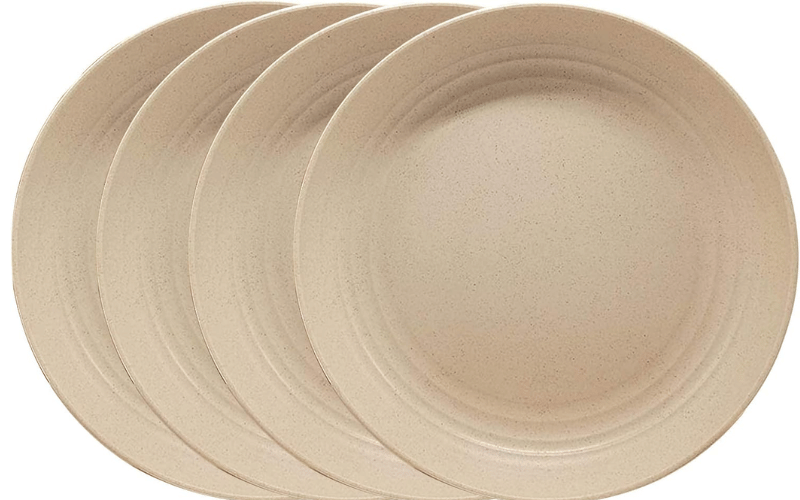
Durability and Heat Resistance
Despite being made from agricultural waste, wheat straw plates offer impressive durability. They resist cracking, bending, and breaking, even when used for heavier meals. Their heat resistance makes them suitable for serving hot foods and beverages without warping or releasing harmful substances. You can safely use them in microwaves or for warm dishes, making them a practical alternative to traditional disposable tableware. This combination of strength and heat tolerance ensures they perform well in various dining scenarios.
Lightweight and Reusable Properties
Wheat straw plates are lightweight, making them easy to handle, transport, and store. Their portability makes them ideal for picnics, outdoor events, or everyday use at home. While designed as a sustainable alternative to single-use plastics, many wheat straw plates can be reused multiple times with proper care. This reusability reduces the need for constant replacements, saving money and resources over time. Their lightweight nature, combined with their durability, ensures convenience without compromising functionality.
Antibacterial and Non-Toxic Features
Wheat straw plates naturally resist bacteria, making them a hygienic choice for serving food. The materials used in their production are free from harmful chemicals like BPA, ensuring they remain safe for both adults and children. This non-toxic quality makes them suitable for direct contact with food, including hot or acidic dishes. Additionally, their antibacterial properties reduce the risk of contamination, providing peace of mind for users. These features make wheat straw plates a healthier and safer option compared to traditional plastic or chemically treated tableware.
Challenges and Limitations of Wheat Straw Plates
Cost and Durability Concerns
Wheat straw plates, while eco-friendly, often come with a higher price tag compared to traditional plastic or paper tableware. The manufacturing process, which involves collecting and processing agricultural waste, adds to production costs. For businesses or individuals on a tight budget, this price difference may pose a challenge when considering a switch to sustainable alternatives. Additionally, while wheat straw plates are durable for most uses, they may not match the long-term strength of materials like hard plastics or ceramics. Heavy or sharp utensils can sometimes cause scratches or dents, limiting their lifespan in certain scenarios. Users must weigh the environmental benefits against these cost and durability factors when deciding whether wheat straw plates meet their needs.
Susceptibility to Degradation Under Certain Conditions
Although wheat straw plates are designed to decompose naturally, this feature can also become a limitation. Prolonged exposure to moisture, heat, or direct sunlight can accelerate their degradation, making them less suitable for long-term storage or outdoor use in extreme conditions. For instance, leaving these plates in a damp environment may cause them to weaken or lose their structural integrity. While their compostable nature is a significant advantage, it also means they require careful handling to maintain their usability. Businesses and consumers must store them in dry, cool places to ensure they remain functional until needed. This susceptibility to environmental factors highlights the importance of proper storage and usage practices for maximizing their benefits.
Wheat Straw Plates vs. Alternatives
Comparing Wheat Straw Plates with Plastic
Wheat straw plates offer significant advantages over plastic, especially in terms of environmental impact and health benefits. Unlike plastic, which relies on fossil fuels and takes centuries to decompose, wheat straw plates decompose naturally within months, leaving no harmful residues. This eco-friendly quality makes them a sustainable choice for individuals and businesses looking to reduce their carbon footprint. Additionally, wheat straw plates do not release toxic chemicals like BPA or phthalates, which are often found in plastic products. This non-toxic nature ensures safer food contact, even with hot or acidic dishes. While plastic may provide greater durability and moisture resistance, its long-term environmental harm and potential health risks make wheat straw plates a more responsible and healthier alternative.
Comparing Wheat Straw Plates with Bamboo
Wheat straw plates and bamboo tableware both serve as sustainable alternatives to plastic, but they differ in key areas like durability, heat resistance, and availability. Bamboo plates tend to be sturdier and more resistant to scratches, making them suitable for repeated use over a longer period. However, wheat straw plates excel in heat resistance, as they can handle hot foods and microwaving without warping or releasing harmful substances. Bamboo, while durable, may not perform as well under high heat or prolonged exposure to moisture.
In terms of availability, wheat straw plates often have an edge due to the abundance of wheat straw as an agricultural byproduct. Bamboo, though renewable, requires dedicated cultivation and harvesting, which can limit its supply and increase costs. Wheat straw plates also tend to be lighter and more affordable, making them a practical choice for everyday use or large-scale events. While both materials promote sustainability, wheat straw plates offer a balance of eco-friendliness, affordability, and functionality that makes them a versatile option for a wide range of applications.
Practical Uses of Wheat Straw Plates
Everyday Dining and Special Occasions
Wheat straw plates provide a practical and stylish solution for both daily meals and special gatherings. Their lightweight design makes them easy to handle, while their durability ensures they can hold a variety of foods, from light snacks to hearty meals. Families can use them for casual dining at home, while their natural aesthetic adds a touch of elegance to special occasions like birthdays, weddings, or holiday celebrations. These plates also work well for outdoor picnics or barbecues, as they are sturdy enough to withstand handling and transportation. Their ability to handle hot and cold foods without warping makes them versatile for any dining scenario, whether it’s a quick breakfast or a formal dinner party.
Eco-Conscious Events and Catering
Event organizers and caterers increasingly turn to wheat straw plates for eco-friendly alternatives to disposable plastic or paper tableware. These plates align with the growing demand for sustainable practices at events like corporate gatherings, festivals, and community celebrations. Their compostable nature ensures minimal waste, making cleanup easier and more environmentally responsible. Caterers can use them to serve a wide range of dishes, from appetizers to desserts, without worrying about breakage or leakage. Additionally, their natural look complements themes focused on sustainability or rustic charm, enhancing the overall presentation. By choosing wheat straw plates, event planners can reduce their environmental impact while meeting the expectations of eco-conscious attendees.
Composting and Zero-Waste Living
Wheat straw plates play a significant role in supporting zero-waste lifestyles. After use, these plates can be composted, breaking down into organic matter that enriches the soil. This feature makes them ideal for individuals and families committed to reducing landfill waste and promoting sustainable living. Composting wheat straw plates is straightforward, as they decompose quickly under the right conditions, leaving no harmful residues. Their compatibility with zero-waste practices extends beyond personal use, as businesses and organizations can incorporate them into broader sustainability initiatives. Whether used at home or in larger settings, wheat straw plates offer a practical way to embrace eco-friendly habits and contribute to a healthier planet.
Frequently Asked Questions
Q: What are wheat straw plates made from?
A: Wheat straw plates are crafted from renewable wheat straw fiber, a byproduct of wheat harvesting. This material provides a sustainable and eco-friendly alternative to traditional plastic plates, making it a greener choice for your dining needs.
Q: Are wheat straw plates microwave safe?
A: Yes, most wheat straw plates are microwave safe, allowing you to reheat food with ease. Always check the manufacturer’s guidelines to confirm their suitability for microwave use.
Q: Can wheat straw plates be used for hot foods?
A: Absolutely! Wheat straw plates are designed to handle hot foods without warping or breaking. They work well for serving everything from soups to full meals, offering both durability and convenience.
Q: Are wheat straw plates reusable?
A: Yes, wheat straw plates are reusable and easy to maintain. You can clean them by hand with warm soapy water or place them in the dishwasher, making them a practical option for daily use or special occasions.
Q: Are wheat straw plates BPA-free?
A: Most wheat straw plates are BPA-free, ensuring they are safe for everyday use. Their non-toxic composition makes them a healthier alternative to conventional plastic dinnerware.
Q: What is the best way to clean wheat straw dinnerware?
A: Cleaning wheat straw dinnerware is simple. They are dishwasher safe, but you can also hand wash them using warm soapy water and a soft sponge to preserve their surface.
Q: Are there wheat straw plates and bowls sets available?
A: Yes, you can find wheat straw plates and bowls sets in various sizes, including dinnerware sets for 4 or larger sets for 8. These sets often include plates, bowls, and even cutlery, offering a complete eco-friendly dining solution.
Q: Can I find wheat straw dinnerware on Amazon?
A: Yes, Amazon offers a wide selection of wheat straw dinnerware, including unbreakable plates, salad plates, and cereal bowls. Shopping online makes it easy to find eco-friendly tableware that suits your needs.
Q: Are wheat straw plates suitable for kids?
A: Wheat straw plates are perfect for kids because they are lightweight, unbreakable, and made from non-toxic materials. Their durability and safety make them ideal for daily meals, picnics, or even college dorm use.
Q: How do wheat straw plates compare to plastic plates?
A: Wheat straw plates provide a more sustainable option than plastic plates. They are biodegradable, made from plant-based materials, and offer similar durability and convenience. For eco-conscious consumers, they are a better choice for reducing environmental impact.
Conclusion
Wheat straw plates combine sustainability, durability, and safety, offering an eco-friendly alternative to traditional tableware. By choosing these biodegradable and reusable plates, you reduce waste and support a healthier planet. Make the switch today and take a step toward a greener, more sustainable future.