


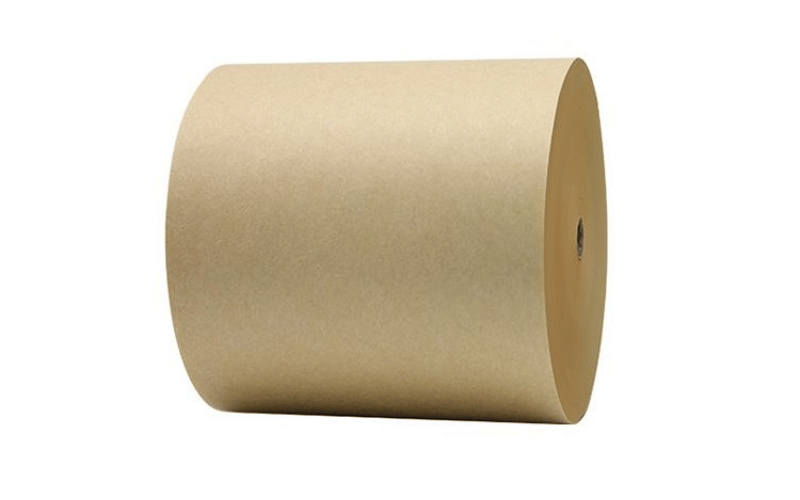
Kraft paper stands out as a game-changer in the push for sustainable living. With its natural durability, recyclability, and minimal environmental impact, it has become a cornerstone of eco-friendly packaging solutions. As businesses and consumers shift toward greener choices, kraft paper emerges as the future of packaging, offering a practical and planet-conscious alternative to traditional materials.
What Makes Kraft Paper Unique?
Kraft paper, a versatile and eco-conscious material, has gained significant attention in recent years for its role in sustainable practices. Derived from the German word “kraft,” meaning strength, this paper lives up to its name by offering exceptional durability and resilience. Its origins trace back to the late 19th century when Carl F. Dahl developed the kraft process, a revolutionary method of producing strong paper from wood pulp.
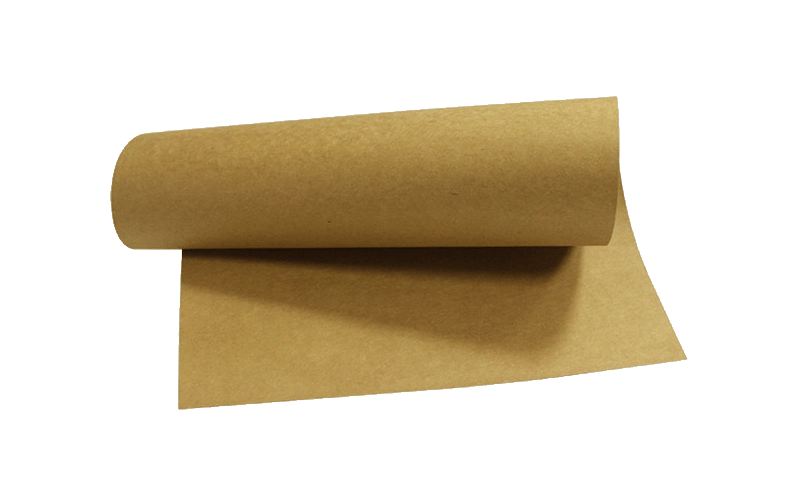
The Kraft Process: A Sustainable Manufacturing Method
The kraft process sets kraft paper apart from other types of paper. This method involves chemically treating wood chips with a mixture of sodium hydroxide and sodium sulfide to break down lignin, the substance that binds wood fibers together. By removing lignin, the process leaves behind long, strong cellulose fibers, which form the foundation of kraft paper’s durability. Unlike traditional paper production methods, the kraft process recycles most of the chemicals used, reducing waste and environmental impact.
Why Kraft Paper Stands Out as Eco-Friendly
Kraft paper’s eco-friendly nature stems from its renewable and biodegradable properties. Manufacturers often use unbleached pulp, which minimizes chemical usage and preserves the paper’s natural brown color. Additionally, the production process generates fewer emissions compared to other paper types, making it a greener choice. Its recyclability further enhances its sustainability, as kraft paper can be repurposed multiple times without significant loss of quality. These attributes make it a preferred material for businesses and individuals seeking environmentally responsible packaging solutions.
Key Features That Make Kraft Paper Stand Out
Exceptional Strength and Durability
Kraft paper earns its reputation for strength through its unique manufacturing process, which preserves the long cellulose fibers in wood pulp. These fibers create a robust structure, allowing kraft paper to withstand heavy loads and resist tearing. This durability makes it an ideal choice for packaging applications, such as wrapping heavy items, creating sturdy paper bags, or crafting corrugated boxes. Unlike other paper types, kraft paper maintains its integrity even under challenging conditions, such as exposure to moisture or rough handling. Its strength not only ensures reliable performance but also reduces the need for excessive material, contributing to more efficient and sustainable packaging solutions.
Biodegradability and Compostability: A Green Advantage
One of the most significant benefits of kraft paper lies in its eco-friendly properties. Made from natural wood pulp, kraft paper decomposes quickly and safely in the environment, leaving no harmful residues behind. Its biodegradable nature allows it to break down within weeks, depending on environmental conditions, making it a responsible choice for reducing waste. Additionally, kraft paper is compostable, meaning it can enrich soil when disposed of in composting systems. This feature appeals to environmentally conscious consumers and businesses looking to minimize their ecological footprint. By choosing kraft paper, users actively support a circular economy, where materials return to the earth instead of polluting it.
Aesthetic Appeal and Versatility in Design
Kraft paper’s natural, earthy appearance adds a rustic charm that resonates with modern design trends. Its unbleached, brown tone exudes simplicity and authenticity, making it a popular choice for eco-friendly branding. Businesses often use kraft paper for custom packaging, gift wrapping, and product labels, as it provides a blank canvas for creative designs. Beyond aesthetics, kraft paper adapts to various applications due to its flexibility and availability in different weights and finishes. From lightweight sheets for wrapping to heavyweight options for industrial use, kraft paper meets diverse needs while maintaining its eco-conscious appeal. This combination of beauty and functionality ensures its place in both practical and creative endeavors.
Innovative Ways to Use Kraft Paper
Packaging Solutions: From Bags to Boxes
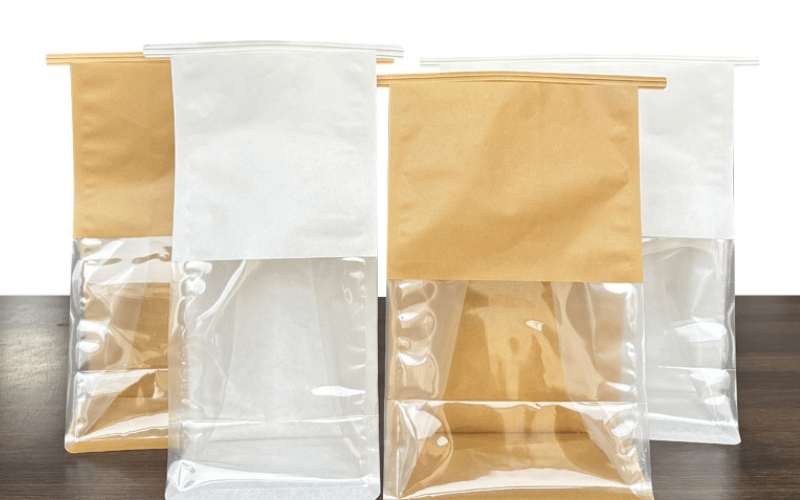
Kraft paper has revolutionized the packaging industry with its strength, versatility, and eco-conscious appeal. Businesses rely on kraft paper to create durable paper bags, which can carry everything from groceries to retail products without tearing. Its resilience also makes it a preferred material for crafting corrugated boxes, which protect goods during shipping and storage. Envelopes made from kraft paper offer a sturdy and sustainable alternative for mailing documents or lightweight items. Many companies now use kraft paper as void fill or wrapping material to cushion fragile products, reducing the need for plastic-based alternatives. By incorporating kraft paper into packaging, businesses not only ensure product safety but also align with consumer demand for sustainable practices.
Creative Applications: Crafting, Gift Wrapping, and Branding
Kraft paper’s natural texture and neutral tone make it a favorite for creative projects. Crafters use it to design handmade cards, scrapbooks, and decorative items, as its flexibility allows for easy cutting, folding, and shaping. For gift wrapping, kraft paper offers a minimalist yet elegant look, especially when paired with twine, ribbons, or stamps for a personalized touch. Businesses also leverage kraft paper for branding purposes, using it for custom-printed product labels, menus, and promotional materials. Its rustic aesthetic aligns with eco-friendly branding, helping companies convey authenticity and sustainability. Whether for personal or professional use, kraft paper inspires creativity while maintaining its practical benefits.
Industrial and Construction Applications
Beyond packaging and crafting, kraft paper plays a vital role in industrial and construction settings. Contractors use heavy-duty kraft paper as a protective layer during painting or flooring projects, shielding surfaces from damage or spills. Its tear-resistant properties make it suitable for wrapping industrial equipment or bundling heavy materials. In construction, kraft paper often serves as a moisture barrier or insulation backing, enhancing the durability of building materials. Its ability to withstand wear and tear ensures reliable performance in demanding environments. These industrial applications highlight kraft paper’s adaptability and underscore its importance across various sectors.
Advantages of Kraft Paper in Modern Applications
Eco-Friendliness and Recyclability: A Sustainable Choice
Kraft paper stands out as an environmentally responsible material, offering both biodegradability and recyclability. Its production process minimizes chemical use, especially when manufacturers opt for unbleached pulp, which reduces environmental harm. Once used, kraft paper decomposes naturally, leaving no toxic residues behind. Recycling kraft paper further extends its lifecycle, allowing it to be repurposed into new products like cardboard, paper bags, or even compostable packaging. This sustainable attribute appeals to eco-conscious consumers and businesses aiming to reduce their carbon footprint. By choosing kraft paper, industries actively contribute to waste reduction and support a circular economy, where materials are reused rather than discarded.
Cost-Effectiveness for Businesses
Kraft paper offers a budget-friendly solution for businesses without compromising quality. Its durability reduces the need for additional layers of packaging, cutting down on material costs. For example, a single layer of kraft paper can often replace multiple layers of thinner, less durable materials. Additionally, its lightweight nature lowers shipping expenses, as it adds minimal weight to packaged goods. Businesses also benefit from its wide availability and adaptability, which make it suitable for various applications, from wrapping products to creating custom packaging designs. By investing in kraft paper, companies not only save money but also align with consumer preferences for sustainable and cost-efficient solutions.
Alignment with Modern Minimalist Design Trends
Kraft paper’s natural, earthy appearance perfectly complements the growing popularity of minimalist design. Its unbleached, brown tone exudes simplicity and authenticity, making it a favorite for brands that prioritize eco-friendly aesthetics. Businesses use kraft paper to create packaging that feels organic and understated, resonating with consumers who value clean, modern designs. Custom printing on kraft paper further enhances its appeal, allowing brands to add logos, patterns, or messages without overwhelming the material’s natural charm. This balance of functionality and style ensures that kraft paper remains a top choice for companies looking to combine sustainability with contemporary design trends.
Challenges and Limitations of Kraft Paper
Moisture Resistance: A Key Weakness
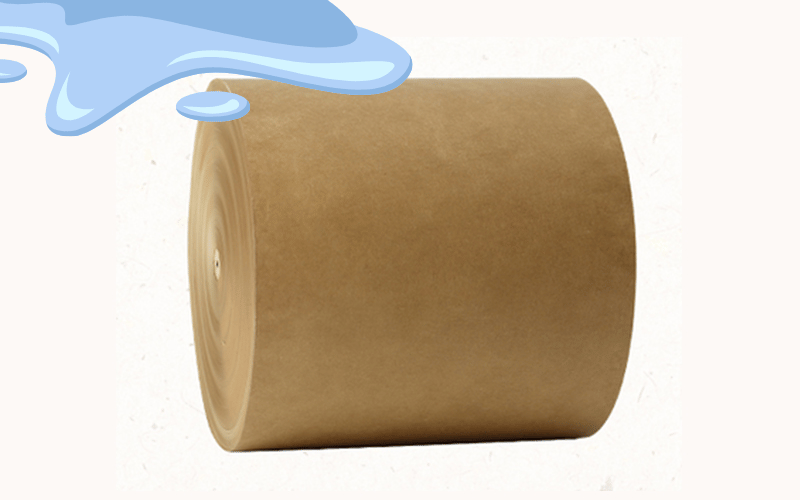
Kraft paper struggles to perform well in environments with high moisture or humidity. Its natural fibers absorb water easily, which weakens the material and compromises its structural integrity. This limitation makes it less suitable for packaging products that require water resistance, such as frozen foods or items stored in damp conditions. While some manufacturers address this issue by adding coatings or laminations, these treatments often reduce the paper’s recyclability and eco-friendliness. Businesses must carefully evaluate whether kraft paper can meet their specific needs or if additional protective measures are necessary to maintain product quality.
Aesthetic and Print Quality Constraints
Although kraft paper’s rustic appearance appeals to many, it can limit design possibilities for brands seeking vibrant or intricate visuals. The unbleached, brown surface does not hold bright colors as effectively as bleached or coated papers, which can dull printed designs. Fine details may also appear less sharp due to the paper’s texture. While custom printing on kraft paper works well for minimalist or earthy designs, it may not meet the expectations of brands that rely on bold, high-definition graphics. Companies must weigh these aesthetic constraints against the material’s eco-friendly benefits when deciding on packaging or branding solutions.
Comparing Kraft Paper to Plastics and Metals
Kraft paper offers significant environmental advantages over plastics and metals, but it falls short in certain performance areas. Plastics, for instance, provide superior moisture resistance, flexibility, and durability, making them ideal for long-term storage or liquid containment. Metals, on the other hand, excel in strength and reusability, especially for heavy-duty applications. Kraft paper cannot match the longevity or barrier properties of these materials, which limits its use in specific industries. However, its biodegradability and lower environmental impact give it a distinct edge in sustainability. Businesses must assess their priorities—whether they value eco-friendliness or performance—when choosing between kraft paper and alternative materials.
How to Choose the Right Kraft Paper for Your Needs
Key Factors to Consider: Thickness, Type, and Intended Use
Selecting the right kraft paper starts with understanding its thickness, type, and how you plan to use it. Thickness, often measured in GSM (grams per square meter), determines the paper’s strength and flexibility. Lightweight kraft paper works well for wrapping delicate items or crafting, while heavier options provide the durability needed for industrial packaging or protective layers during construction projects. Choosing the right type of kraft paper is equally important. Unbleached kraft paper offers a natural, eco-friendly look, while bleached versions provide a cleaner, white surface for printing or branding. Specialty kraft papers, such as wax-coated or laminated varieties, add moisture resistance or extra strength, making them suitable for specific applications like food packaging or heavy-duty wrapping. Always match the paper’s properties to your intended use to ensure optimal performance and sustainability.
Tips for Sourcing Eco-Friendly Kraft Paper
Finding eco-friendly kraft paper requires careful consideration of sourcing practices and certifications. Look for suppliers that use sustainably harvested wood or recycled materials in their production process. Certifications like FSC (Forest Stewardship Council) or PEFC (Programme for the Endorsement of Forest Certification) indicate responsible forestry practices. Additionally, prioritize unbleached kraft paper to minimize chemical use and environmental impact. When possible, choose local suppliers to reduce the carbon footprint associated with transportation. For businesses, partnering with manufacturers that offer custom options, such as recycled content or biodegradable coatings, can further enhance sustainability efforts. By sourcing responsibly, you not only support eco-friendly practices but also align your choices with the growing demand for sustainable materials.
Kraft Paper vs. Other Packaging Materials: A Detailed Comparison
Kraft Paper vs. Plastic: Sustainability vs. Durability
Kraft paper and plastic serve different purposes, but their environmental impact sets them apart. Kraft paper, made from natural wood pulp, decomposes quickly and leaves no harmful residues, making it a biodegradable and compostable option. Plastic, on the other hand, takes hundreds of years to break down and often contributes to pollution in landfills and oceans. While plastic excels in moisture resistance, flexibility, and durability, it relies on fossil fuels for production, which increases its carbon footprint. Kraft paper offers a more sustainable alternative for short-term packaging needs, especially for businesses aiming to reduce their environmental impact. However, for applications requiring long-term durability or liquid containment, plastic may still outperform kraft paper.
Kraft Paper vs. Cardboard: Versatility vs. Structural Strength
Kraft paper and cardboard share similar origins, but their applications differ significantly. Kraft paper provides greater flexibility, making it ideal for wrapping, cushioning, and crafting. Cardboard, created by layering kraft paper into a rigid structure, offers superior strength and is better suited for heavy-duty packaging, such as shipping boxes. While both materials are recyclable and eco-friendly, kraft paper often requires less energy to produce and transport due to its lightweight nature. Businesses can use kraft paper for lightweight packaging and branding, while relying on cardboard for bulkier or more fragile items. Together, these materials complement each other in creating sustainable packaging solutions.
Kraft Paper vs. Other Alternatives: Metals and Glass
When compared to metals and glass, kraft paper stands out for its lightweight and biodegradable properties. Metals, such as aluminum, and glass offer unmatched durability and reusability, making them ideal for long-term storage or premium packaging. However, their production processes consume significant energy and resources, resulting in a higher environmental cost. Kraft paper, while less durable, provides a low-impact option for single-use or short-term applications. Its recyclability and compostability make it a preferred choice for businesses looking to balance functionality with sustainability. By choosing kraft paper over resource-intensive materials, companies can reduce their carbon footprint while meeting consumer demand for eco-friendly alternatives.
Environmental Benefits of Kraft Paper
Kraft paper’s environmental advantages make it a standout choice among packaging materials. Its production process uses fewer chemicals, especially when manufacturers opt for unbleached pulp. The material’s ability to decompose naturally and its high recyclability further enhance its eco-friendly appeal. Unlike plastic, which contributes to long-term pollution, or metals and glass, which require energy-intensive recycling, kraft paper supports a circular economy with minimal environmental impact. Businesses and consumers can rely on kraft paper to meet their packaging needs while actively contributing to a more sustainable future.
Frequently Asked Questions
Q: What is kraft paper made from?
A: Kraft paper is made from wood pulp, primarily sourced from softwood trees. The kraft process, a chemical pulping method, strengthens the paper, making it durable and ideal for uses like packaging materials and paper bags.
Q: What are the different types of kraft paper?
A: Kraft paper comes in various types, including natural kraft, brown kraft, and white kraft paper. Each type differs in color, weight, and strength, making them suitable for specific uses like wrapping, packing, or crafting.
Q: Is kraft paper recyclable?
A: Yes, kraft paper is recyclable and eco-friendly. Many kraft paper products, such as rolls and bags, are designed for reuse or recycling, supporting sustainable packaging practices.
Q: What does the basis weight of kraft paper mean?
A: The basis weight of kraft paper measures the weight of a ream (500 sheets) of paper. It varies depending on the paper’s type and thickness. For example, brown kraft rolls may have a different basis weight than white kraft, affecting their strength and applications.
Q: Can kraft paper be used for gift wrapping?
A: Yes, kraft paper works well for gift wrapping due to its durability and natural aesthetic. Both brown and white kraft paper can be customized with decorations, stamps, or ribbons for a personal touch.
Q: What is wet strength kraft paper?
A: Wet strength kraft paper is treated to retain its durability when exposed to moisture. This makes it ideal for applications like food packaging or butcher paper, where resistance to tearing in humid conditions is essential.
Q: Are there different grades of kraft paper?
A: Yes, kraft paper is available in various grades, which determine its quality and strength. These grades affect properties like tear resistance and tensile strength, making them suitable for uses like industrial packing or moving paper.
Q: What is the kraft pulping process?
A: The kraft pulping process uses chemicals like sodium hydroxide and sodium sulfide to break down wood chips into pulp. This method removes lignin, resulting in stronger, more durable paper for products like kraft sacks and corrugated wraps.
Q: Can kraft paper be used for food packaging?
A: Yes, kraft paper is widely used for food packaging due to its safety and strength. Products like sack kraft paper and wrapping paper are often recyclable and uncoated, ensuring they are safe for direct food contact.
Conclusion
Kraft paper offers a perfect blend of strength, versatility, and eco-friendliness, making it an essential material for sustainable living. By choosing kraft paper for packaging, crafting, or industrial needs, you actively support a greener future. Start incorporating kraft paper into your daily life and join the movement toward a more sustainable world.