


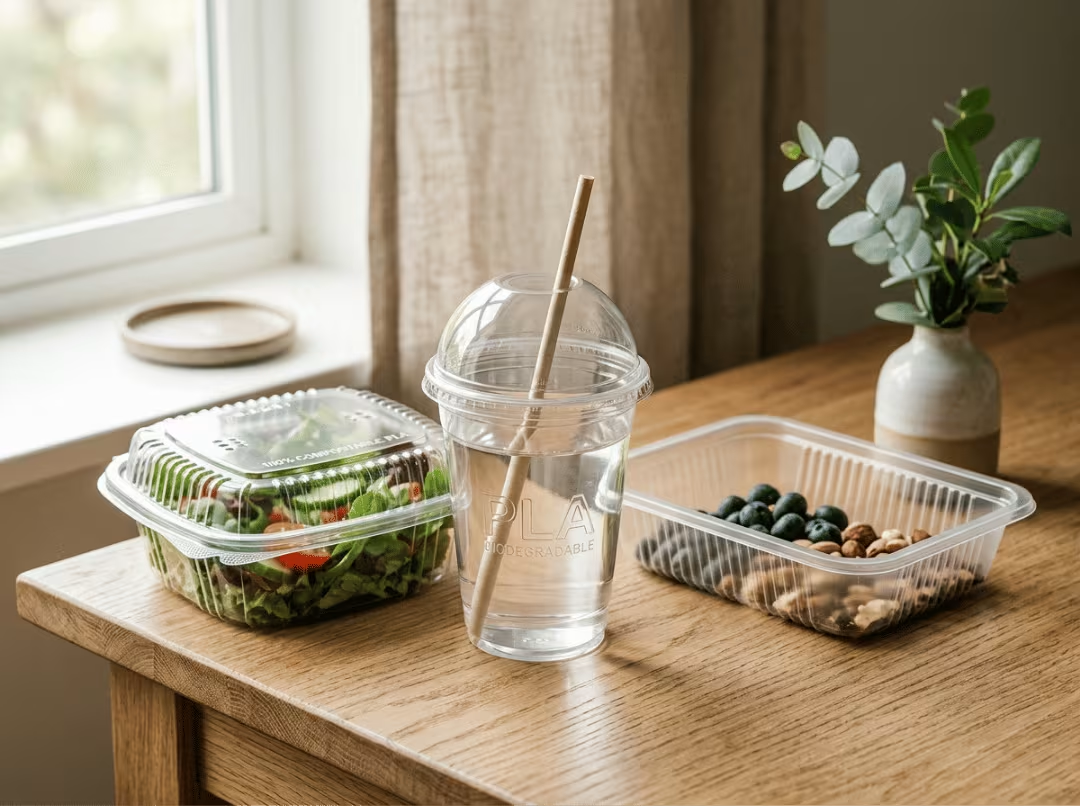
If you’re sourcing sustainable packaging, you’ve almost certainly seen three terms used interchangeably: biodegradable, compostable, and plant-based. They’re not the same. Specifying the wrong material based on a misread label creates compliance headaches, misleads customers, and can damage a brand’s sustainability credibility.
Here’s the direct answer before anything else: PLA stands for Polylactic Acid — a plant-based plastic made from renewable crops like corn starch or sugarcane. It’s compostable under industrial conditions, performs well in cold-use packaging formats, and is not suitable for hot fill or high-heat applications.
This guide is written for packaging buyers and brand teams who need a clear, practical answer to one question: Is PLA the right material for what I’m sourcing? We’ll cover what PLA is, whether it qualifies as plastic, how biodegradability and compostability actually differ, how PLA stacks up against PET, PP, and PBAT, and the exact conditions where PLA is a strong fit — and where it isn’t.
What Does PLA Mean?
PLA stands for Polylactic Acid, also known as Polylactide. It is a bio-based thermoplastic made from fermented plant sugars rather than crude oil.
The most common feedstocks are corn starch, sugarcane, and cassava. Producers ferment the sugars from these crops into lactic acid, then process that into a usable plastic resin. That resin is shaped into films, cups, trays, clamshells, bags, or rigid containers depending on the application.
PLA is not niche or experimental. It’s widely used in food-service packaging, retail display formats, produce packaging, and compostable bags — and it’s manufactured on conventional equipment used for most other plastics.
Quick answer: PLA is a plant-based plastic made from renewable agricultural inputs, processed using standard manufacturing equipment, and widely available at commercial scale.
Is PLA a Plastic?
Yes — and this matters because the “bio-based” label can mislead buyers into thinking PLA is fundamentally different to work with. On the production floor and in the supply chain, it largely isn’t.
PLA Behaves Like a Thermoplastic
PLA can be injection-molded, extruded, thermoformed, and blown into film — the same processes used for conventional plastics. Most manufacturers handle PLA on existing equipment with minor temperature adjustments. If you’re sourcing a cold drink cup or a salad container, PLA fits into established manufacturing workflows without major disruption.
The Difference Is the Source
What separates PLA from PET or PP is feedstock, not processing. Conventional plastics are synthesized from petroleum. PLA is synthesized from annually renewable plant sugars. That difference gives PLA a lower production carbon footprint and enables compostability at end of life — under the right conditions.
The Misconception That Costs Buyers Most
PLA does not break down on its own when you’re done with it. A PLA cup placed in a recycling bin, a landfill, or a backyard compost pile will not behave the way the word “plant-based” might suggest. Its environmental credentials are real, but they depend entirely on proper disposal — which brings us to the question most buyers ask, and most articles answer poorly.
Is PLA Biodegradable or Compostable?
This is the most important question in PLA sourcing, and the most frequently misunderstood. Here’s the direct answer: PLA is industrially compostable. It is not simply biodegradable and it is not home-compostable in most cases.
What Happens in Industrial Composting
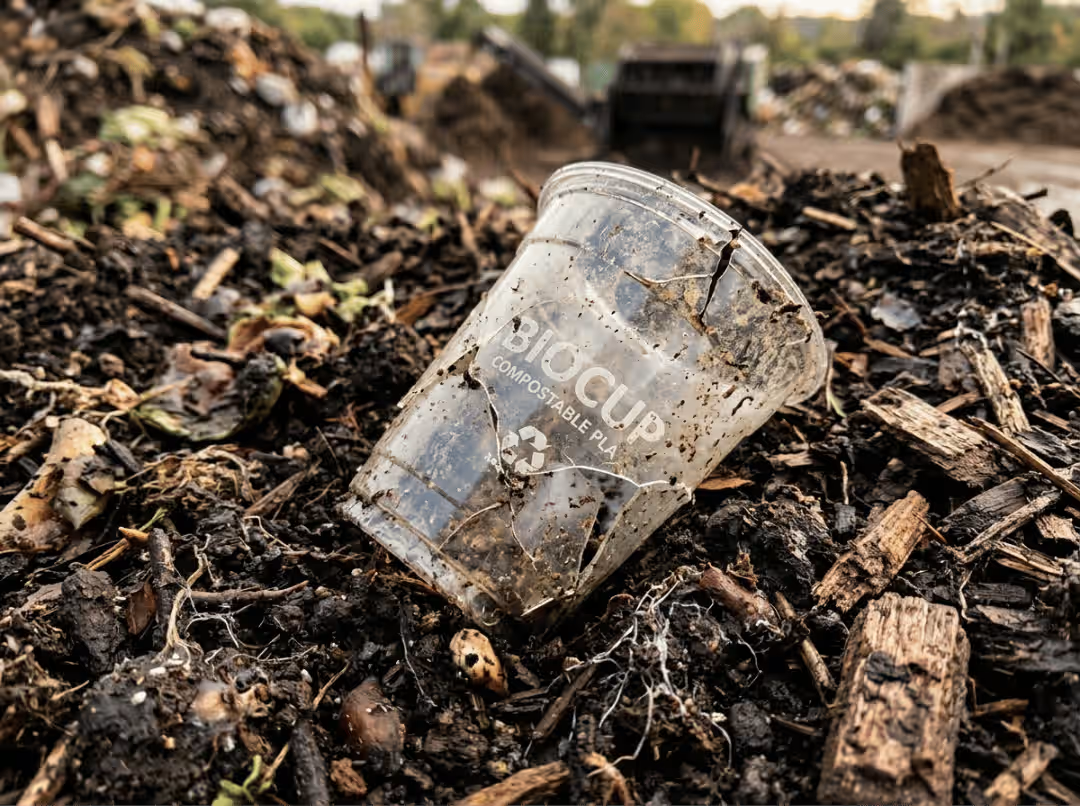
In a certified commercial composting facility, PLA breaks down into water, CO₂, and biomass within roughly two to six months. The process requires sustained heat around 55–60°C (130–140°F), controlled moisture, and active microbial conditions. Without all three, the breakdown stalls. Commercial composting facilities are designed to provide exactly these conditions — which is why PLA is accepted in markets with strong composting infrastructure across parts of Europe, specific U.S. municipalities, and some Asian markets.
What Happens in Home Composting
Most home compost bins don’t reach or maintain the temperatures PLA needs. PLA placed in a backyard bin will not break down reliably within a practical timeframe. If you’re selling into markets where consumers compost at home, verify whether the product carries a certified home-composting label before making that claim. If it doesn’t, be explicit about it on-pack.
What Happens in Landfills and Open Environments
PLA persists in landfills, soil, rivers, and the ocean. Without industrial composting conditions, it degrades slowly. Marketing PLA as though it disappears in natural environments isn’t just inaccurate — it’s increasingly a compliance risk. Regulators in the EU, UK, and U.S. are scrutinizing environmental packaging claims, and overstating compostability has already resulted in enforcement actions against brands.
Biodegradable vs. Compostable: Know the Difference
|
Term |
What It Means |
What It Doesn’t Guarantee |
|---|---|---|
|
Biodegradable |
Breaks down via microbial activity over time |
No defined timeframe, no minimum conditions required |
|
Compostable |
Breaks down into non-toxic matter within a set timeframe under defined conditions |
Requires access to composting infrastructure |
|
Industrially compostable |
Compostable in a certified commercial facility |
Not suitable for home composting or natural environments |
PLA meets the third definition. Use that language when describing it to customers and on-pack.
The practical takeaway: PLA compostability claims are valid — but only where industrial composting infrastructure exists and is accessible to the end consumer. Confirm this before committing to a claim.
How Is PLA Made?
You don’t need a polymer chemistry background to make informed sourcing decisions with PLA. But understanding the basic production process helps you evaluate supplier claims and ask the right questions.
Step 1: From Crops to Lactic Acid
Glucose is extracted from corn, sugarcane, or cassava and fermented — a process similar to food fermentation — to produce lactic acid. This is the foundational building block of PLA.
Step 2: From Lactic Acid to Resin
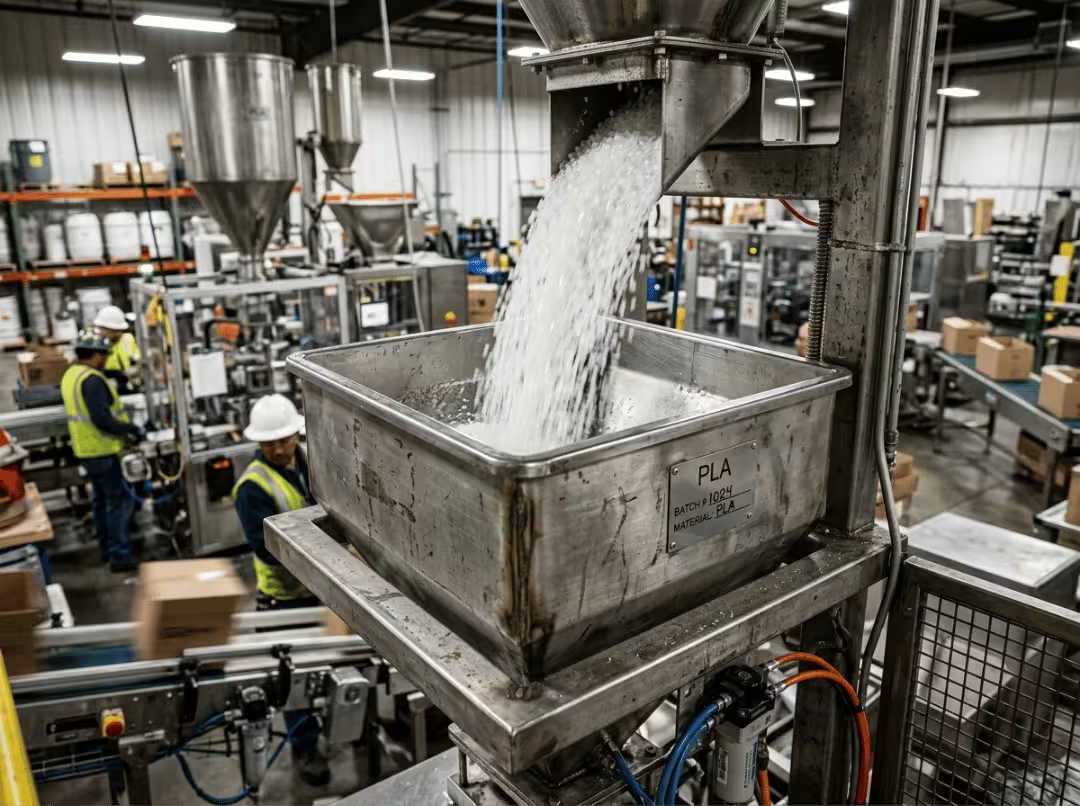
The lactic acid is converted into lactide and polymerized into PLA resin — small pellets that form the base material for manufacturing. The properties of the final resin, including clarity, rigidity, and heat tolerance, are determined by how this step is controlled.
Step 3: From Resin to Packaging
The resin is processed into finished formats: blown into film, thermoformed into trays and clamshells, injection-molded into rigid cups, or extruded into bags and liners. This stage is where your supplier’s capabilities determine what formats, thicknesses, and specifications are available to you.
Key Properties of PLA Packaging
PLA has a distinct performance profile. Understanding it upfront prevents specification errors and avoids costly returns.
|
Property |
PLA Performance |
What This Means for Your Packaging |
|---|---|---|
|
Optical clarity |
High, glass-like |
Strong shelf presence; shows product well in retail and food-service formats |
|
Rigidity |
Strong but brittle |
Holds shape in cups and trays; not suitable for flexible or high-flex pouches |
|
Heat resistance |
Deforms at ~55–60°C (130–140°F) |
Not suitable for hot fill, hot beverages, or microwave use |
|
Food-contact compliance |
Generally suitable |
Appropriate for direct contact with cold food and beverages |
|
Printability |
Good |
Compatible with surface printing and most label and decoration methods |
|
End-of-life pathway |
Industrially compostable |
Delivers environmental benefit only with composting access; contaminates standard recycling streams |
The critical constraint is heat resistance. Specifying PLA for hot-fill lines or hot drink cups without accounting for this leads to product failures. It’s a common and easily avoidable mistake.
Common Uses of PLA in Packaging
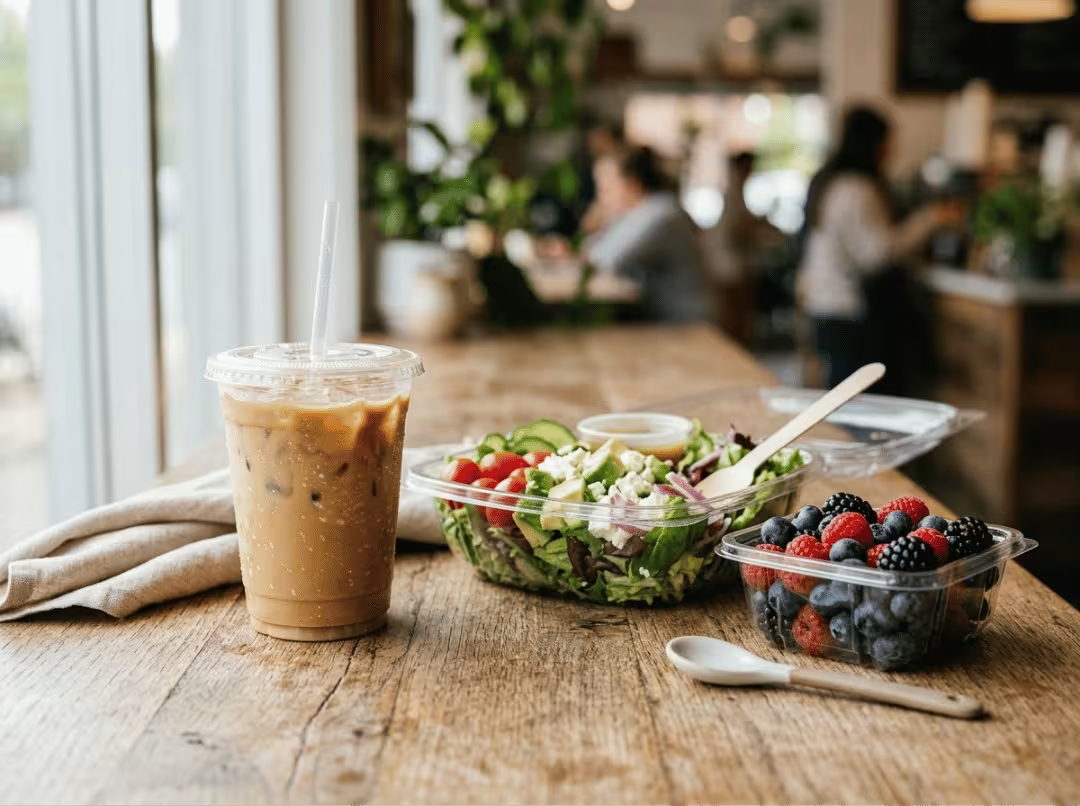
PLA performs best where cold temperatures, product visibility, and sustainability positioning all matter. Its strongest packaging applications include:
- Cold drink cups and lids — iced coffee, cold brew, juice, smoothies, and other cold beverages
- Salad containers, deli clamshells, and grab-and-go trays — transparency showcases the product while supporting a compostable claim
- Produce and bakery packaging — clear visibility, food-safe contact, and sustainability brand alignment
- Compostable shopping and retail bags — well-suited to markets with composting programs or retail sustainability mandates
- Films, wraps, and liners — often blended with PBAT to improve flexibility and tear resistance
- Produce labels and shelf-ready formats — where printability and clarity work together
PLA is less well-suited for heavy-duty formats, reusable packaging, or anything with heat exposure. For those applications, other materials perform better.
PLA vs. PET vs. PP vs. PBAT: Which Should You Choose?
Material selection comes down to four factors: feedstock, end-of-life pathway, heat tolerance, and format. This comparison makes the trade-offs clear.
|
Material |
Source |
End-of-Life |
Heat Resistance |
Best Packaging Use |
|---|---|---|---|---|
|
PLA |
Renewable plants |
Industrially compostable |
Low — deforms ~60°C |
Cold food and drink, clear rigid packaging |
|
PET |
Fossil fuels |
Recyclable, not compostable |
Moderate to high |
Bottles, durable trays, clear containers |
|
PP |
Fossil fuels |
Recyclable, not compostable |
High |
Hot fill, microwave-safe formats |
|
PBAT |
Fossil-based, biodegradable |
Industrially compostable |
Moderate |
Flexible films; commonly blended with PLA |
Three things this table doesn’t tell you:
PLA and PBAT are regularly blended in practice. PBAT adds flexibility and tear resistance that pure PLA lacks, making the combination the standard choice for compostable film packaging, bags, and flexible laminates. If you’re sourcing compostable film, a PLA/PBAT blend is likely what your supplier will propose.
PET and PP remain the stronger choice when heat resistance is required or when a mainstream recycling stream matters more than compostability. PET in particular is widely recycled globally — a genuine end-of-life advantage in regions where composting infrastructure is limited.
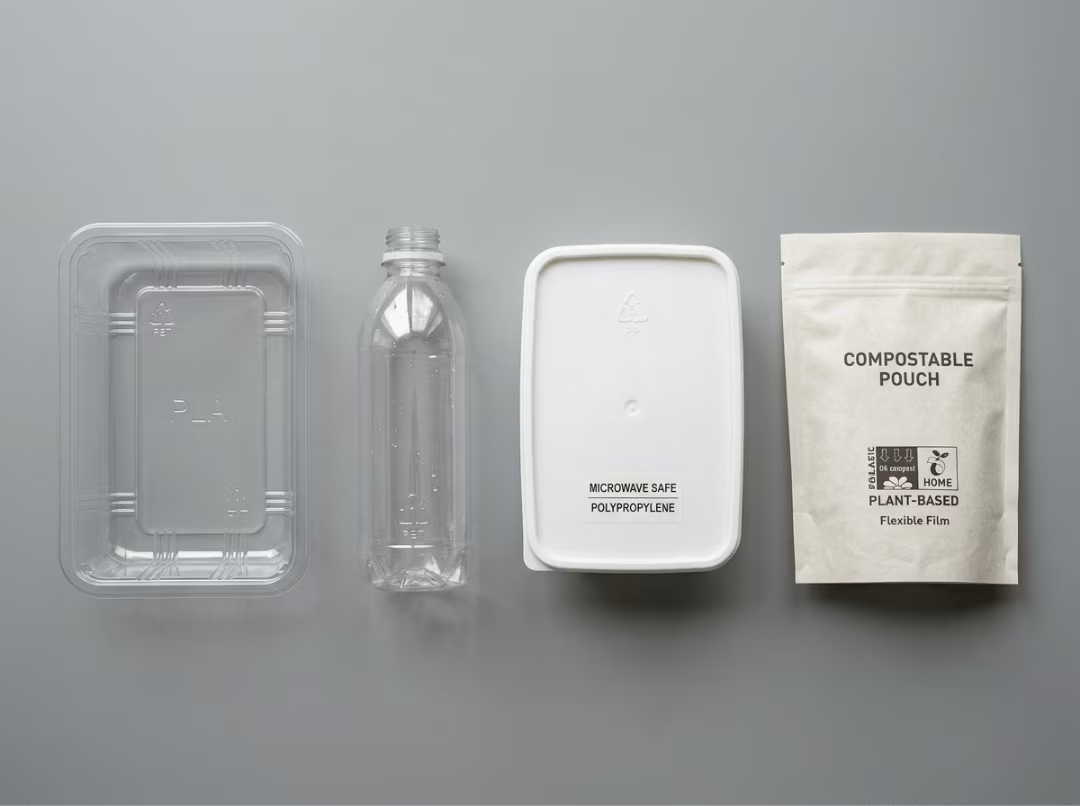
Choose based on your product’s temperature exposure, your target market’s disposal infrastructure, and your brand’s sustainability positioning — not just on feedstock origin.
Pros and Cons of PLA Packaging
A clear-eyed look at the trade-offs leads to better sourcing decisions.
Where PLA Performs Well
- Plant-based feedstock reduces reliance on fossil fuels
- High optical clarity supports strong shelf presence and product visibility
- Approved for direct food contact in cold-use applications
- Compostable end-of-life enables credible sustainability claims in the right markets
- Lower production carbon footprint compared to petroleum-based plastics
Where PLA Falls Short
- Low heat resistance rules out hot fill, hot beverages, and microwave formats
- Brittleness limits use in flexible or high-flex packaging without blending with PBAT
- Compostability benefit is only realized where industrial composting infrastructure is available
- Higher unit cost than conventional plastics, particularly at lower order volumes
- Not compatible with standard plastic recycling streams; can contaminate batches if incorrectly sorted
Knowing these constraints before you specify a material is how you avoid cost overruns, product failures, and on-pack claims that don’t hold up to scrutiny.
When to Choose PLA — and When to Look Elsewhere
Here’s a straightforward decision framework built around the trade-offs covered above.

PLA Is a Strong Fit When:
- Your product is stored, served, or consumed at low to moderate temperatures
- Compostable packaging is important to your brand or required by your retail customers
- The end market has accessible industrial composting infrastructure (verify this before making any on-pack claims)
- Optical clarity and shelf presence are key packaging priorities
- The format is rigid — cups, clamshells, trays — or flexible with PBAT blended in
Reconsider PLA When:
- The packaging must withstand heat above 55–60°C — for hot fill, soups, hot beverages, or microwave use
- Your target market lacks composting access, making the sustainability claim difficult to substantiate
- The format requires high flexibility or puncture resistance that PLA alone can’t provide
- A conventional recycling stream is more practical and available than composting in your market
- Order volumes are small and the cost premium on PLA isn’t justifiable at your margin
If your product or market lands in the second column, PET, PP, or a PLA/PBAT blend — depending on format — is the better starting point. A knowledgeable packaging supplier will help you map this before you lock in a specification.
Frequently Asked Questions
What does PLA stand for?
PLA stands for Polylactic Acid, also called Polylactide. It is a bio-based thermoplastic made from fermented plant sugars derived from renewable crops including corn starch, sugarcane, and cassava.
Is PLA biodegradable or compostable?
PLA is best described as industrially compostable. In a certified commercial composting facility, it breaks down into water, CO₂, and organic matter within approximately two to six months. It does not reliably degrade in home compost, landfills, or open natural environments.
Can PLA be composted at home?
Generally no. Home composting systems rarely sustain the heat and controlled conditions PLA requires to break down. Only products that carry a specific certified home-composting mark should be described as home compostable.
Is PLA safe for food contact?
Yes. PLA is non-toxic and broadly approved for direct food contact. It is widely used in cold cups, salad containers, produce packaging, and food-service formats.
Is PLA better than PET?
It depends on the application. PLA offers plant-based sourcing and a compostable end-of-life pathway, making it a strong choice where composting is available and heat resistance isn’t critical. PET offers higher heat tolerance and an established global recycling stream, making it stronger for durable formats or markets with limited composting infrastructure.
Is PLA suitable for hot drinks?
No. PLA begins to deform at around 55–60°C and is not suitable for hot beverages, hot fill, or microwave applications. PP is the standard material choice for those formats.
Can PLA be recycled through standard streams?
No. PLA is not compatible with conventional plastics recycling and can contaminate PET or mixed plastic batches if incorrectly sorted. Chemical recycling of PLA exists but is not yet widely available. Industrial composting remains its primary intended end-of-life route.
What are the main disadvantages of PLA packaging?
Low heat resistance, brittleness in flexible formats without blending, dependence on industrial composting infrastructure, incompatibility with standard recycling streams, and higher unit cost at lower volumes are the key limitations. These are manageable constraints when you specify correctly — and avoidable problems when you don’t.
Conclusion: PLA Works When You Specify It Right
PLA is not the right material for every format or every market. But for cold-use, clear, food-safe packaging sold into markets with industrial composting access, it is one of the most commercially proven and credibly sustainable options available.
The buyers who get the most value from PLA are those who match the material’s strengths to their product’s actual requirements — and who approach its limits honestly. That means confirming composting infrastructure before making claims, verifying temperature tolerances before locking in a format, and comparing PLA against PET, PP, and PBAT based on real end-use conditions rather than feedstock alone.
Ready to Source PLA Packaging?
If you’re evaluating PLA and want to confirm whether it fits your format, temperature requirements, or market’s disposal infrastructure, our team can help you work through it.
At Hongren Packaging, we supply PLA cups, clamshells, trays, films, and compostable bags across a range of formats and volumes. We’ll help you compare materials, match the right specification to your product, and avoid the common mistakes that come from specifying PLA without the full picture.
Request free samples or contact us for a custom quote to get started.