


Did you know the average household uses over 500 plastic zip bags every year? These convenient little bags help keep our food fresh, but they also contribute significantly to plastic waste. For years, I’ve worked with individuals and businesses seeking more sustainable ways to store food without harming the environment. One question I hear often is, “Are compostable zip bags really a good alternative to traditional plastic ones?”
Sustainable packaging has gained momentum as more people recognize the environmental impact of single-use plastics. Compostable resealable bags have emerged as a promising solution, offering the same convenience as traditional zip bags while being more environmentally friendly. But how do they stack up in terms of durability, functionality, and overall value?
In this article, I’ll compare compostable resealable bags and traditional zip bags to help you make an informed choice. Whether you’re packing lunches, storing leftovers, or organizing small items, understanding the differences between these options can help you strike a balance between convenience and sustainability. Let’s dive in and explore which option works best for your needs.
Understanding Traditional Zip Bags
Traditional zip bags have been a household staple for decades, offering a simple and effective way to store food, organize items, and keep things fresh. While they excel in convenience, their environmental impact has become a growing concern. Let’s break down what they are, their benefits, and their drawbacks to give you a clear picture of their role in your daily life.
What They Are
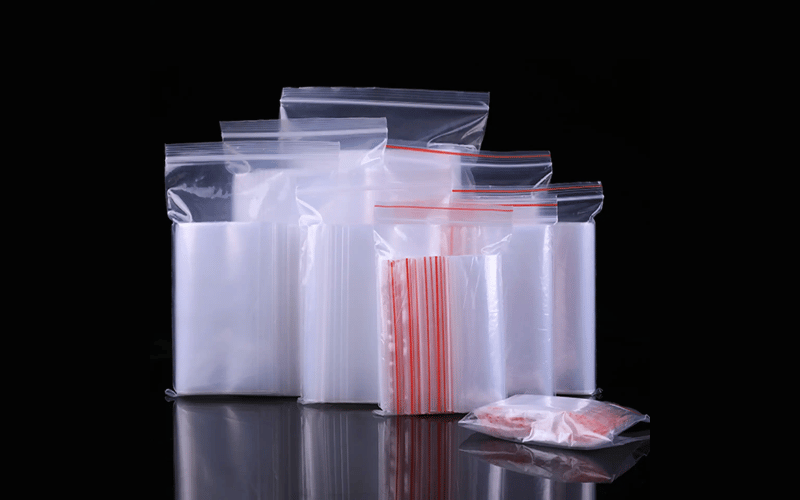
Traditional zip bags are made from petroleum-based plastics, primarily polyethylene. This material provides them with their signature flexibility, durability, and the ability to create an airtight seal. These bags come in a variety of sizes, from small snack bags to gallon-sized options, making them versatile for countless uses. Whether you’re packing a sandwich, freezing leftovers, or organizing craft supplies, traditional zip bags have long been the go-to solution.
Pros
Traditional zip bags have earned their place in kitchens and beyond for good reason.
- Durable and Strong: These bags can handle a wide range of tasks, from holding liquids to storing heavy items, without tearing or leaking.
- Cost-Effective Over Time: A box of zip bags lasts a long time, and their reusability (if appropriately cleaned) adds even more value.
- Widely Available and Effective at Preserving Food: You can find them in nearly every grocery store, and their airtight seal helps keep food fresh for longer, reducing waste.
Cons
Despite their convenience, traditional zip bags come with significant environmental drawbacks.
- Significant Environmental Impact: Made from petroleum-based plastics, these bags contribute to plastic pollution and take hundreds of years to decompose.
- Limited Recyclability: Most curbside recycling programs do not accept zip bags, and even specialized recycling facilities struggle to process them effectively.
- Fossil Fuel-Intensive Production Process: The production of polyethylene relies heavily on fossil fuels, resulting in significant greenhouse gas emissions and resource depletion.
Embracing Compostable Resealable Bags
Compostable resealable bags are stepping into the spotlight as a sustainable alternative to traditional zip bags. These bags promise the same convenience while addressing the environmental concerns of plastic waste. Let’s dive into what makes them unique, their benefits, and the challenges you should consider before making the switch.
What They Are
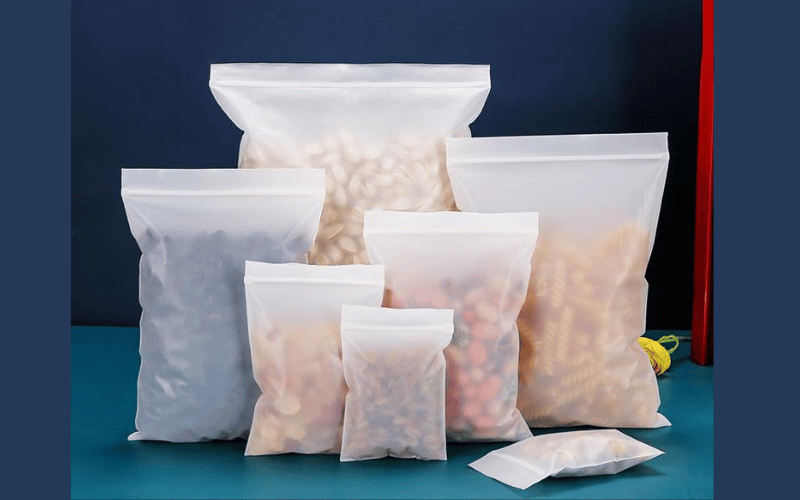
Compostable resealable bags are crafted from plant-based bioplastics such as PLA (polylactic acid), PHA (polyhydroxyalkanoates), or corn starch. Unlike traditional plastic bags, these materials are designed to break down into organic matter under the right conditions, leaving no harmful residue behind.
To ensure you’re getting the real deal, look for certification standards like BPI (Biodegradable Products Institute) or TUV Austria, which verify that the bags meet industrial composting requirements. Without these certifications, you might end up with products that claim to be compostable but fail to decompose properly.
Pros
Compostable resealable bags bring a host of benefits to the table, making them a compelling choice for eco-conscious consumers.
- Reduced Environmental Footprint: These bags decompose into organic matter, significantly reducing the long-term waste that ends up in landfills or oceans.
- Biodegradable: Unlike traditional plastics, compostable bags break down naturally, helping to combat the growing problem of plastic pollution.
- Made from Renewable Resources: By utilizing plant-based materials, these bags contribute to a circular economy, reducing our reliance on fossil fuels and promoting sustainable agricultural practices.
Cons
While compostable resealable bags offer numerous advantages, they also present a few challenges that should be considered.
- Higher Cost Compared to Traditional Bags: The production of plant-based bioplastics is more expensive, resulting in a higher price for consumers.
- Specific Disposal Requirements: Many compostable bags require industrial composting facilities to break down properly. Without access to these facilities, the bags may not decompose as intended.
- Shorter Shelf Life: Compostable bags are designed to break down over time, resulting in a shorter lifespan compared to traditional plastic bags.
- Potential Confusion with Misleading Labels: Terms like “biodegradable” or “degradable” can be misleading. Always verify certifications to ensure you’re purchasing truly compostable products.
A User’s Story
One of my clients, a small bakery owner named Sarah, decided to switch to compostable resealable bags for her baked goods. She shared how her customers immediately noticed the change and appreciated the effort to reduce waste. “I had one customer tell me, ‘It feels good knowing I can enjoy your cookies without feeling guilty about the packaging.’ That one comment made the extra cost worth it,” Sarah said. She also mentioned that the bags helped keep her products fresh, aligning with her brand’s commitment to sustainability.
By understanding the ins and outs of compostable resealable bags, you can make an informed decision that aligns with your values and needs. In the next section, we’ll compare these bags directly with traditional zip bags to help you choose the best option for your lifestyle.
Detailed Comparison: Performance and Practicality
When choosing between traditional and compostable resealable bags, it’s essential to evaluate how they perform in real-world scenarios. From food preservation to durability, each type has its strengths and limitations. Let’s break it down so you can make the best choice for your needs.
Food Preservation
- Traditional: Traditional zip bags excel at keeping food fresh for extended periods. Their airtight seals and moisture barriers make them ideal for long-term storage, whether in the freezer or pantry.
- Compostable: Compostable bags perform well for short- to medium-term storage but may not provide the same level of moisture control as traditional bags. They’re great for items like fresh produce or snacks but may not be the best choice for long-term freezing.
Durability and Reusability
- Traditional: These bags are built to last. Their robust design allows for multiple uses, especially if cleaned and dried correctly.
- Compostable: Compostable bags are less durable and are often recommended for single-use or limited reuse. Their plant-based materials are designed to break down over time, which can compromise their strength.
Storage Conditions
- Traditional: Traditional zip bags remain stable across a wide range of temperatures, from the freezer to the pantry. They can withstand extreme cold without compromising their integrity.
- Compostable: Compostable bags are more sensitive to temperature and moisture. Exposure to high humidity or extreme cold can accelerate their degradation, making them less suitable for long-term storage.
Sealing Effectiveness
- Both: Both traditional and compostable bags offer reliable sealing mechanisms, ensuring food stays fresh and secure. However, the quality of the seal can vary by brand, so it’s worth testing a few options to find the best fit for your needs.
Availability and Cost
- Traditional: Traditional zip bags are widely available in grocery stores, big-box retailers, and online. They come at a lower price point, making them a budget-friendly option.
- Compostable: Compostable bags are becoming more accessible as demand for sustainable products grows. However, they typically come with a higher initial cost due to their eco-friendly materials and production processes.
Visual Element: Side-by-Side Comparison Table
| Feature | Traditional Zip Bags | Compostable Resealable Bags |
|---|---|---|
| Food Preservation | Excellent for long-term freshness and moisture barrier. | Good for short to medium-term storage; moisture control varies. |
| Durability | Robust and designed for multiple uses. | Less durable; recommended for single or limited use. |
| Storage Conditions | Stable across various temperatures (freezer to pantry). | Sensitive to extreme temperatures and moisture. |
| Sealing Effectiveness | Reliable seals; quality varies by brand. | Reliable seals; quality varies by brand. |
| Availability & Cost | Widely available; lower price point. | Growing availability; higher initial cost. |
By understanding these detailed comparisons, you can weigh the pros and cons of each type of bag based on your specific needs. Whether you prioritize durability, cost, or sustainability, this guide helps you make an informed decision.
Environmental Impact: A Deeper Look
When it comes to environmental impact, the differences between traditional and compostable resealable bags are stark. Understanding how these bags are produced, disposed of, and marketed can help you make choices that align with your sustainability goals. Let’s take a closer look at the lifecycle of each type and clear up common misconceptions.
Production
- Traditional: Traditional zip bags rely heavily on petroleum-based plastics, making their production a resource-intensive process. Extracting and refining fossil fuels releases significant greenhouse gases, contributing to climate change. Additionally, the energy required to manufacture these bags adds to their environmental footprint.
- Compostable: Compostable bags, on the other hand, are made from renewable plant-based materials like PLA or PHA. These materials reduce reliance on fossil fuels and often have a lower carbon footprint during production. However, the environmental benefits can vary depending on the sourcing and processing of the raw materials, so it’s essential to choose products from reputable manufacturers.
Disposal and End-of-Life
- Traditional: Once disposed of, traditional zip bags contribute to the growing burden of plastic waste in landfills and oceans. These bags can take hundreds of years to break down, and even then, they degrade into microplastics that harm marine life and ecosystems. Recycling options are limited, as most curbside programs don’t accept them.
- Compostable: Compostable bags are designed to break down into natural elements like water, carbon dioxide, and organic matter under the right conditions. In industrial composting facilities, they decompose within a few months, leaving no toxic residue behind. However, they require proper disposal—tossing them in a landfill or home compost pile may not yield the same results.
Misconceptions
The terms “biodegradable” and “compostable” are often used interchangeably, but they mean very different things.
- Biodegradable: This term simply means that a product will break down over time, but it doesn’t specify how long it will take or what it will leave behind. Many “biodegradable” plastics degrade into harmful microplastics, which can persist in the environment for decades.
- Compostable: Compostable products, on the other hand, are designed to break down into non-toxic, natural elements within a specific timeframe under composting conditions. Look for certifications like BPI (Biodegradable Products Institute) or TUV Austria to ensure the product meets these standards.
Engagement Tip: Spotting Greenwashing
Greenwashing—when companies exaggerate or falsely claim environmental benefits—can make it challenging to distinguish between truly sustainable products and those that are not. Here’s how to spot the real deal:
Callout Box: Tips for Spotting Greenwashing
- Check for Certifications: Look for labels like BPI, TUV Austria, or OK Compost, which verify compostability.
- Read the Fine Print: Claims like “biodegradable” or “eco-friendly” can be vague. Look for specifics about how and where the product breaks down.
- Research the Brand: Reputable companies are transparent about their materials, production processes, and disposal guidelines.
- Beware of Buzzwords: Terms like “green” or “natural” are often used without substantiation. Always dig deeper.
By understanding the environmental impact of traditional and compostable resealable bags, you can make informed decisions that go beyond marketing claims. In the next section, we’ll explore practical tips for incorporating compostable bags into your daily routine while ensuring proper disposal.
Making the Right Choice for You
Choosing between traditional and compostable resealable bags isn’t just about picking one over the other—it’s about finding the option that best fits your lifestyle, values, and practical needs. Let’s break down the key factors to consider so you can make a choice that works for you and the planet.
Consider Your Needs
Start by evaluating how you use resealable bags in your daily life.
- Frequency of Food Storage: If you use resealable bags daily for meal prep, snacks, or leftovers, compostable bags might align better with your sustainability goals. However, if you only use them occasionally, traditional bags may suffice, especially if reused multiple times.
- Types of Food Stored: Compostable bags are great for fresh produce, dry snacks, and short-term storage. For liquids, heavy items, or long-term freezing, traditional bags may offer better durability.
- Duration of Storage: If you need to store food for weeks or months, traditional bags provide a more reliable barrier against moisture and air. Compostable bags are better suited for short to medium-term storage.
Access to Composting Facilities
Proper disposal is critical for compostable bags to deliver their environmental benefits.
- Suitability for Home Composting: Some compostable bags are designed for home composting, but not all. Check the packaging for specific instructions and certifications like OK Compost Home.
- Availability of Industrial Composting: If home composting isn’t an option, research whether your area has industrial composting facilities. Many municipalities offer drop-off locations or curbside composting programs. Without proper composting, these bags may not break down as intended.
Budget Considerations
Balancing cost with environmental values is a personal decision, but it’s worth considering the long-term impact of your choice.
- Compostable bags typically cost more upfront, but their environmental benefits can outweigh the price difference for those committed to reducing waste.
- Traditional bags are more affordable and widely available, making them a practical choice for those on a tight budget. However, their long-term environmental cost is worth factoring into your decision.
Lifestyle Choices
Your commitment to sustainable living plays a significant role in this decision.
- If reducing waste and supporting eco-friendly practices are priorities for you, compostable bags align with those values.
- If convenience and durability are more important, traditional bags may be a better fit. That said, you can still minimize your impact by reusing them as much as possible and recycling them through specialized programs where available.
Engagement Tip: Decision Tree
To make this process even easier, imagine a flowchart guiding you through the decision:
-
Do you have access to composting facilities?
- Yes → Compostable bags are a great option.
- No → Traditional bags may be more practical unless you can find home-compostable options.
-
How often do you use resealable bags?
- Daily → Compostable bags can help reduce your environmental footprint.
- Occasionally → Traditional bags, reused multiple times, might be sufficient.
-
What’s your budget?
- Flexible → Invest in compostable bags for a sustainable choice.
- Tight → Stick with traditional bags but focus on reusing and recycling.
By considering these factors, you can confidently choose the resealable bag that best fits your needs while staying mindful of its environmental impact. Whether you lean toward compostable or traditional, the key is to use them responsibly and make the most of their benefits.
Frequently Asked Questions (FAQs)
Q: Are biodegradable ziplock bag options truly better for the environment?
A: Biodegradable ziplock bags can be better for the environment, but it depends on the material and disposal method. Many biodegradable bags break down into microplastics, which still harm ecosystems. Compostable bags, on the other hand, decompose into natural elements under proper conditions, making them a more eco-friendly choice. Always check for certifications like BPI or TUV Austria to ensure the bag meets environmental standards.
Q: Can I put compostable bags in my home compost pile?
A: Some compostable bags are suitable for home composting, but not all. Look for labels like OK Compost Home, which indicate the bag will break down in a backyard compost pile. If the bag requires industrial composting, it won’t decompose effectively in a home setup. Always follow the manufacturer’s instructions for proper disposal.
Q: Do compostable bags keep food fresh as long as traditional bags?
A: Compostable bags work well for short to medium-term food storage, but they may not preserve freshness as long as traditional plastic bags. They are less effective at creating a moisture and air barrier, which can impact the shelf life of certain foods. For items like fresh produce or snacks, compostable bags perform well, but for long-term freezing, traditional bags may be more reliable.
Q: How can I identify a truly compostable bag?
A: To identify a truly compostable bag, look for certifications like BPI Certified Compostable, TUV Austria, or OK Compost. These labels confirm the bag meets strict composting standards. Avoid vague terms like “biodegradable” or “eco-friendly” without further details, as they can be misleading. Check the packaging for clear instructions on disposal and whether the bag is suitable for home or industrial composting.
Q: What happens if a compostable bag ends up in a landfill?
A: If a compostable bag ends up in a landfill, it may not break down as intended. Landfills lack the oxygen and microbial activity needed for proper composting, so the bag could remain intact for years. To maximize their environmental benefits, always dispose of compostable bags in the appropriate composting facility or home compost pile if suitable.
Q: Are there other eco-friendly food storage alternatives to consider?
A: Yes, there are several eco-friendly food storage options to explore. Reusable silicone bags, beeswax wraps, glass containers, and stainless steel tins are excellent alternatives. These options reduce waste and can be used repeatedly, making them a sustainable choice for food storage. Compostable bags are a great addition to your toolkit, but combining them with reusable solutions can further minimize your environmental impact.
Conclusion
Compostable and traditional zip bags each serve their purpose, but their differences lie in their environmental impact, durability, and disposal requirements. Traditional bags offer durability and long-term storage but contribute to plastic pollution and rely on fossil fuels. Compostable bags, while less durable and requiring specific disposal methods, provide a more sustainable alternative by breaking down into natural elements.
Making an informed decision means considering your needs, access to composting facilities, and commitment to reducing waste. By choosing compostable options and adopting sustainable practices, you can take meaningful steps toward a greener future.
Every small step toward sustainability makes a big difference. Start with your zip bags!