


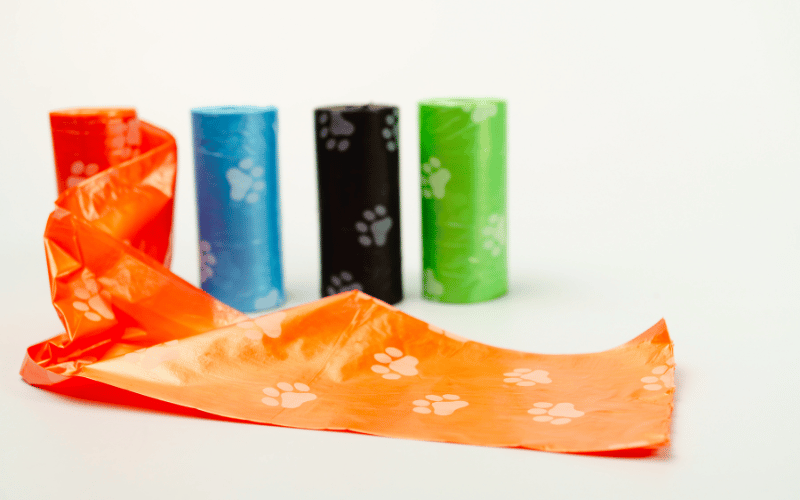
The push for a more sustainable world is a movement that grows stronger every day. New trends show that pet owners are placing greater importance on using eco-friendly products, such as biodegradable dog poop bags. These bags are designed to provide a responsible way to manage pet waste, reducing the environmental footprint left behind by our furry friends. This article will cover the main characteristics of biodegradable dog poop bags and their advantages for conscientious pet owners.
The growing demand for sustainable pet products is reshaping the market. As awareness of plastic pollution increases, consumers are actively looking for alternatives that align with their values. Biodegradable dog poop bags offer a practical solution to a daily task, helping to decrease the vast number of plastic bags that end up in landfills each year. This change reflects a collective desire to care for our planet and our pets.
Biodegradable Dog Poop Bags: Context and History
The use of small plastic bags for pet waste has been a standard practice for responsible dog owners for many years. These bags offer a convenient, hygienic, and low-cost way to clean up after pets in public parks, on sidewalks, and even in backyards. Their durability and leak-proof nature made them the go-to solution for pet waste management.
However, the very qualities that make conventional plastic bags effective also create a significant environmental issue. Made from petroleum, a non-renewable resource, these single-use bags can linger in landfills for centuries. Each year, millions of tons of dog waste, sealed in plastic, contribute to overflowing landfills and the persistent problem of plastic pollution.
In response to this growing environmental concern, biodegradable dog poop bags emerged as a thoughtful alternative. These bags are designed to break down much more quickly than their plastic counterparts, helping reduce long-term waste accumulation. Their introduction marks a significant step toward making daily pet care more sustainable.
This transition has been fueled by a surge in consumer awareness and a greater focus on sustainability. Pet owners are increasingly concerned about the environmental impact of the products they buy. This demand has encouraged manufacturers to develop better, more reliable biodegradable materials, making eco-friendly pet waste solutions more accessible and effective than ever before.
What Are Biodegradable and Environmentally Friendly Dog Poop Bags?
Biodegradable dog poop bags are bags that can be broken down by microorganisms such as bacteria and fungi into natural elements. This decomposition process allows the material to return to the environment as water, carbon dioxide, and biomass, without leaving harmful microplastic fragments behind. The ultimate purpose is to create a disposable product that minimizes long-term pollution.
It’s vital to distinguish between “biodegradable” and “compostable” bags, as the terms are not interchangeable. While all compostable bags are biodegradable, the reverse is not always true. “Biodegradable” can be a vague claim, as the process can still take years in a landfill environment with little oxygen. Compostable bags, on the other hand, are designed for a specific end-of-life scenario.
Compostable dog poop bags must meet strict certification standards, such as ASTM D6400 in the USA or EN 13432 in Europe. These standards require the bag to break down into non-toxic, organic matter within a controlled composting environment in a specific timeframe, typically under 180 days. This ensures they can be safely processed in industrial composting facilities along with other organic waste.
Using certified compostable and biodegradable dog poop bags provides clear environmental benefits. When disposed of correctly in composting facilities, they help divert pet waste from landfills, where it would generate methane. Although pet waste should not be used in home gardens due to potential pathogens, industrial composting can safely process it, turning a waste product into a valuable resource.
Using Biodegradable Dog Poop Bags for Pet Waste Management
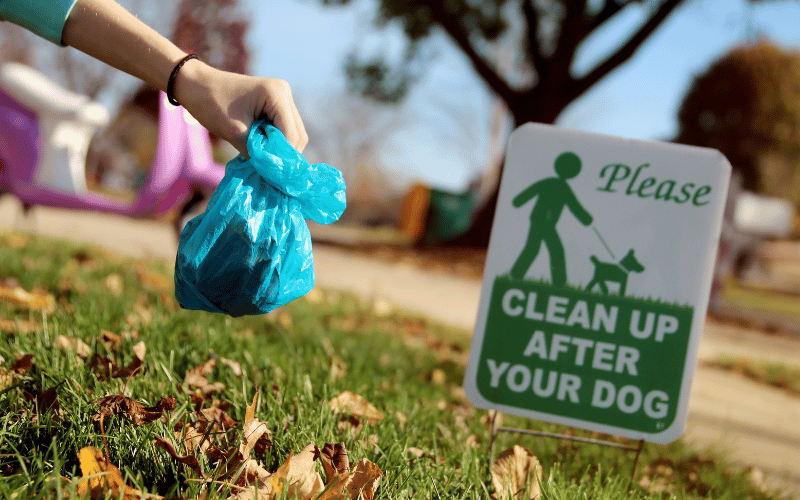
In daily life, biodegradable dog poop bags serve as a simple yet powerful tool for responsible pet ownership. They provide a hygienic way to collect waste during walks and clean up yards, preventing the spread of bacteria and keeping public spaces clean for everyone to enjoy. Their use is a fundamental practice for urban and suburban dog owners.
A key application of these bags is reducing plastic waste in parks, trails, and neighborhoods. Every time a pet owner chooses a biodegradable suitcase over a traditional plastic one, it’s one less piece of persistent plastic entering the waste stream. This collective action significantly lessens the long-term burden on landfills and helps protect local ecosystems from plastic pollution.
The compatibility of these bags with specific waste systems is a significant advantage. Certified compostable bags are designed to be included in municipal organic waste streams that accept pet waste. This allows the bag and its contents to be processed together, breaking down into compost in an industrial facility. Always check with your local program, as not all facilities accept pet waste.
Composition: Biodegradable and Bio-Based Materials
There are several types of eco-friendly materials used to make dog poop bags. Their origin can classify them—whether they come from renewable plant-based sources or fossil fuels—and by their ability to biodegrade or be composted. The most common options are made from biodegradable, bio-based materials or, sometimes, a blend of both.
It is essential to understand that the biodegradability of a material is determined by its chemical structure, not its source. This means that some plant-derived materials might not be biodegradable, while some materials derived from fossil fuels are designed to be. This distinction is key to evaluating a dog poop bag’s actual environmental credentials.
Common materials used for biodegradable and compostable bags include Polylactic Acid (PLA), derived from renewable resources such as cornstarch, and Polyhydroxyalkanoates (PHA), bioplastics produced by microorganisms. Starch blends are also widely used. Fossil-based biodegradable options like PBAT (Polybutylene Adipate Terephthalate) are often blended with these materials to improve strength and flexibility.
These advanced materials play a role in promoting a circular economy. By using renewable, plant-based sources, we reduce our dependence on finite fossil fuels. When compostable bags are processed in an industrial facility, they break down into valuable compost, returning nutrients to the earth. This circular process helps turn waste into a resource, creating a more sustainable system.
Characteristics of Biodegradable Dog Poop Bags
The defining characteristic of a biodegradable dog poop bag is its ability to decompose through the action of microorganisms, breaking down into natural elements. Unlike conventional plastic that shatters into persistent microplastics, certified bags degrade completely, leaving no toxic residues. This ensures they do not contribute to the lasting pollution of our environment.
In terms of strength and durability, biodegradable bags are designed to be just as reliable as their traditional counterparts for their intended purpose. However, their material nature makes them sensitive to heat, moisture, and sunlight. They are engineered to be strong and leak-proof for daily use, but will start to lose integrity over time, which is precisely what they are designed to do.
A crucial feature is their compatibility with specific waste disposal systems. Certified compostable bags are made to break down efficiently in the high-temperature environment of an industrial composting facility. This is essential for municipal green waste programs that accept pet waste, as it allows for seamless processing without contaminating the final compost product.
Advantages of Biodegradable Dog Poop Bags
Using biodegradable dog poop bags provides significant advantages for pet owners who want to make environmentally conscious choices. These benefits extend from reducing personal carbon footprints to supporting broader environmental goals and a circular economy.
A significant advantage is reduced petroleum consumption. Most biodegradable bags are made from plant-based materials like corn or starch. By utilizing these renewable resources, we reduce our collective reliance on fossil fuels, which are finite and a major contributor to greenhouse gas emissions. This shift supports a more sustainable manufacturing cycle.
These bags help promote a circular economy by enabling the diversion of pet waste from landfills in municipalities that accept it. Instead of taking up landfill space and producing methane, the waste and the bag can be transformed into nutrient-rich compost through industrial processing. This turns what comes from the earth back into the world.
As environmental awareness grows, using eco-friendly products like biodegradable bags helps pet owners align with community values and potential regulations. Many parks and cities encourage or require the use of such bags to minimize plastic pollution. Choosing these products reflects a commitment to keeping shared public spaces clean and healthy for everyone.
Tips for Using Biodegradable Dog Poop Bags Effectively
To ensure you get the best performance from your biodegradable dog poop bags, proper storage is essential. Because these bags are designed to decompose, they are more sensitive to their environment than regular plastic. Store them in a cool, dry place away from direct sunlight, heat, and moisture. It is also a good practice to use them within a year of purchase, as their integrity will naturally lessen over time. This helps ensure they remain strong and reliable until you are ready to use them.
Proper disposal is the most critical step to maximizing the environmental benefits of these bags. If you are using certified compostable bags, they should be disposed of in a designated pet waste composting bin or a municipal green waste bin if your local program permits it. They should never be placed in recycling bins, as they can contaminate the recycling stream. Tossing them in the regular trash is still a better option than using conventional plastic. Still, their full benefits are realized only when they can decompose in an appropriate, oxygen-rich environment.