


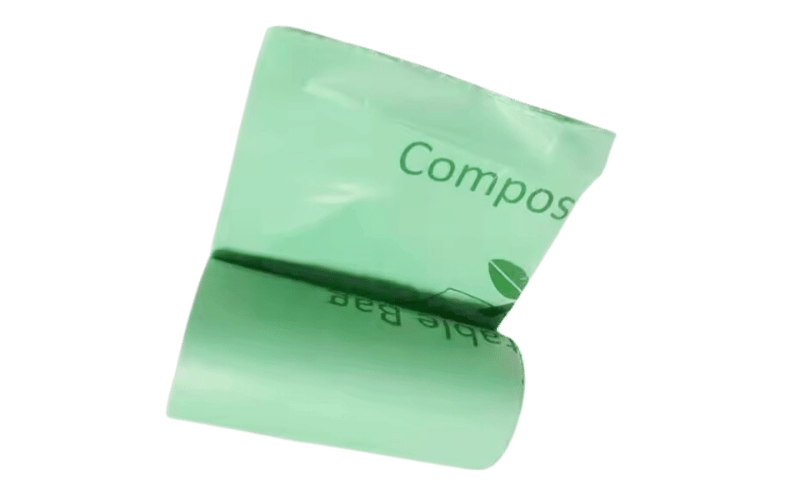
The movement toward a more sustainable lifestyle is gaining momentum every day. A clear trend indicates that consumers and businesses are placing greater importance on using eco-friendly products, including biodegradable garbage bags. These bags are designed to offer a responsible way to manage waste, aiming to reduce the long-term environmental impact of single-use plastics. This article explores the main characteristics of biodegradable garbage bags, their materials, and their advantages for both households and commercial waste management.
The demand for sustainable alternatives is reshaping how we think about everyday disposables. As awareness of plastic pollution grows, consumers are actively seeking products that align with their environmental values. Biodegradable garbage bags represent a significant step in this direction, providing a practical solution for waste disposal that helps mitigate the accumulation of persistent plastic in our landfills and oceans. This shift reflects a broader societal commitment to protecting our planet for future generations.
Biodegradable Garbage Bags: Context and History
The use of plastic in waste management has been essential for decades. Traditional plastic garbage bags offer strength, convenience, and a hygienic barrier, effectively containing waste from households and businesses. Their durability and low cost made them the default choice for collecting and transporting everything from kitchen scraps to industrial refuse, revolutionizing sanitation practices worldwide.
However, the very durability that makes conventional plastic bags worthwhile also makes them an environmental problem. Made from petroleum, a non-renewable resource, these bags can persist in the environment for hundreds of years when not adequately managed. They contribute to landfill overflow, clog waterways, and break down into harmful microplastics that contaminate ecosystems and threaten wildlife.
In response to the growing crisis of plastic waste, biodegradable garbage bags emerged as a promising alternative. These bags are designed to break down much faster than their conventional counterparts, offering a solution that helps reduce long-term pollution. Their development marked a turning point in waste management, aligning the need for disposable bags with the growing urgency for environmental responsibility.
This shift has been driven by increasing consumer demand and new environmental regulations. People are more concerned than ever about the impact of their consumption habits, and governments are implementing policies to curb plastic waste. This has accelerated the adoption of biodegradable materials, pushing manufacturers to innovate and making environmentally friendly garbage bags more accessible and effective than ever before.
What Are Biodegradable and Environmentally Friendly Garbage Bags?
Biodegradable garbage bags are bags that can be broken down by biological agents such as bacteria, fungi, and other microorganisms. This process occurs under specific environmental conditions, converting the bag material into natural elements such as water, carbon dioxide, and biomass without leaving harmful microplastic residues. The goal is to create a product that can return to nature once its useful life is over.
It is essential to understand the distinction between “biodegradable” and “compostable.” While all compostable bags are biodegradable, not all biodegradable bags are compostable. The term “biodegradable” can be broad and lacks a specific timeframe for decomposition, which could still mean years under certain conditions. The process relies on naturally occurring microbes in the environment.
In contrast, compostable bags are designed to break down in a specific environment: a compost pile or an industrial composting facility. They must meet stringent standards, such as the ASTM D6400 in the US or EN 13432 in Europe. These certifications require that the bag disintegrates and biodegrades into non-toxic components (compost, water, CO2) within a set period, typically 90% breakdown in under 180 days.
Using certified compostable and biodegradable garbage bags offers significant environmental benefits. They help divert organic waste from landfills, where it would otherwise produce methane, a potent greenhouse gas. By turning food scraps and yard trimmings into valuable compost, these bags support a circular economy model, reducing waste and enriching the soil.
Using Biodegradable Garbage Bags for Waste Management
In households, biodegradable garbage bags are becoming an essential tool for responsible waste management. They are handy for collecting organic waste, such as food scraps and yard trimmings, for curbside composting programs. Using these bags keeps organic waste bins cleaner and makes it easier for residents to participate in initiatives to divert food waste from landfills.
The most significant role for these bags is in composting systems. Certified compostable bags are designed to be thrown directly into a home compost bin or a municipal green waste collection bin along with their contents. They break down alongside the organic matter, becoming part of the final compost product. This seamless integration simplifies the process of separating organic waste and helps create nutrient-rich soil amendments.
Beyond residential use, biodegradable garbage bags are also valuable in commercial and industrial settings. Restaurants, cafes, and food service businesses can use them to efficiently manage large volumes of food waste. Likewise, landscapers and agricultural operations can use them for collecting yard trimmings and other organic debris. Their use helps businesses comply with waste diversion regulations and achieve their corporate sustainability goals.
Composition: Biodegradable and Bio-Based Materials
There are different types of environmentally friendly plastics used for garbage bags, classified by their origin (plant-based vs. fossil-based) and their ability to biodegrade or compost. Some of the most common materials are biodegradable, bio-based, or a combination of both. These bioplastics offer a significantly lower environmental impact than conventional plastics.
It is important to note that the biodegradability of a material depends on its chemical structure, not its origin. This means that not all bio-based polymers (made from plant sources like cornstarch) are biodegradable. Conversely, some biodegradable polymers can be derived from fossil fuels. This distinction is crucial for understanding a product’s actual environmental credentials.
Common materials used to make biodegradable and compostable garbage bags include Polylactic Acid (PLA), derived from cornstarch or sugarcane, and Polyhydroxyalkanoates (PHA), produced by microorganisms. Starch blends are also frequently used to improve flexibility and reduce cost. For fossil-based biodegradable options, materials like Polybutylene Adipate Terephthalate (PBAT) are used to add strength and flexibility.
These materials contribute to the circular economy. Bio-based plastics reduce our reliance on finite fossil fuels. When compostable bags break down with organic waste, they are converted into valuable compost, which returns nutrients to the soil. This completes a natural cycle where what comes from the earth can be returned to the world, creating a genuinely sustainable, closed-loop system for waste management.
Characteristics of Biodegradable Garbage Bags
The primary characteristic of a biodegradable garbage bag is its ability to be broken down by microorganisms into natural elements. Unlike conventional plastic, which fragments into microplastics, certified biodegradable and compostable bags decompose completely, leaving no toxic residue behind. This ensures they do not contribute to the long-term pollution of soil and water ecosystems.
In terms of performance, biodegradable bags have made significant strides but may have some limitations compared to traditional plastic. While they are designed to be strong enough for regular household waste, their durability can be affected by moisture and heat. They may begin to break down if they hold wet garbage for an extended period, so it is often recommended to use them for shorter durations, especially for kitchen waste.
A key feature is their compatibility with composting systems. Certified compostable bags are specifically designed to meet the requirements of industrial composting facilities, where high temperatures accelerate decomposition. This compatibility is vital for the success of municipal organic waste programs, as it allows bags and their contents to be processed together efficiently, without costly de-bagging operations.
Advantages of Biodegradable Garbage Bags
The use of biodegradable garbage bags offers several compelling advantages for consumers, businesses, and the environment. These benefits are driving their adoption as a key component of modern, sustainable waste management strategies and a circular economy.
One of the most significant advantages is the reduced reliance on petroleum. Many biodegradable bags are made from plant-based materials like cornstarch or sugarcane. By using renewable resources as feedstocks, we reduce our dependence on finite fossil fuels, which are associated with significant environmental and geopolitical issues. This shift supports a more sustainable material supply chain.
These bags are a cornerstone of the circular economy, mainly when used for organic waste. By enabling the collection of food scraps for composting, they help divert a massive volume of waste from landfills. This process turns waste into a valuable resource—compost—that enriches soil, reduces the need for chemical fertilizers, and captures carbon.
Using certified biodegradable and compostable products helps households and businesses comply with growing environmental regulations. Many cities and states are introducing mandatory organic waste separation and bans on single-use plastics. Adopting these bags ensures compliance, avoids potential fines, and demonstrates a commitment to responsible environmental stewardship.
Tips for Using Biodegradable Garbage Bags Effectively
To get the most out of biodegradable garbage bags, proper storage and handling are key. Because they are designed to break down, they are more sensitive to environmental conditions than traditional plastic. It’s best to store them in a cool, dry place away from direct sunlight and excessive heat. Use your oldest bags first, as they have a limited shelf life, typically around one year. Avoid storing them under the sink, where moisture and heat can accelerate their decomposition before you’ve even used them.
When it comes to disposal, it is crucial to follow local guidelines. If you are using certified compostable bags for food scraps, ensure they go into your municipal green bin or home compost pile. Do not place them in recycling bins, as they can contaminate the plastic recycling stream. If a composting option is not available, using a biodegradable bag for general trash is still a better choice than conventional plastic. Still, its full environmental benefits are realized only when it can decompose properly in an oxygen-rich environment.