


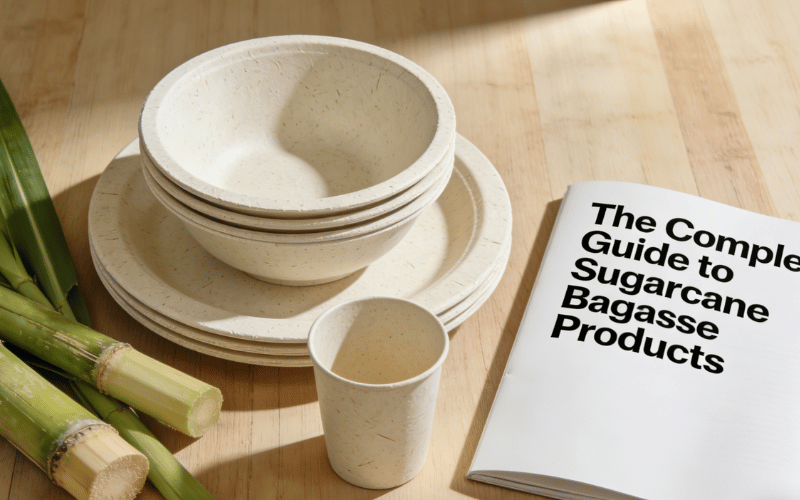
In the quest for sustainable alternatives to single-use plastics, one material has risen to the forefront of the eco-friendly revolution: sugarcane bagasse. As consumers and businesses alike scramble to reduce their carbon footprints, this unassuming agricultural byproduct is transforming the packaging and food service industries.
This comprehensive guide explores everything you need to know about sugarcane bagasse products, from their humble origins in sugar mills to their high-performance role on your dinner table. Whether you are a restaurant owner looking to switch to green packaging or a conscious consumer curious about that sturdy, off-white takeout box, this guide covers the journey of bagasse from field to fork—and eventually, back to the earth.
Introduction to Sugarcane Bagasse
Most people know sugarcane as the source of table sugar, molasses, and ethanol. But for centuries, the fibrous residue left behind after crushing the stalks was considered little more than industrial waste.
Defining Bagasse
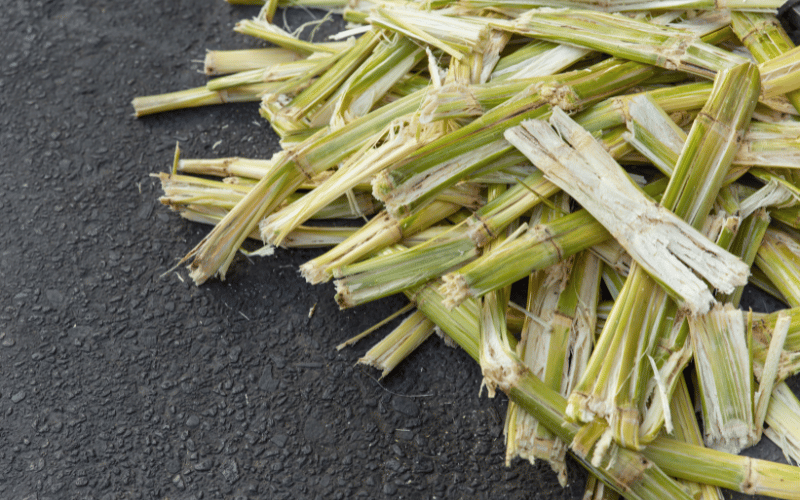
Bagasse is the dry, pulpy, fibrous material that remains after sugarcane stalks are crushed to extract their juice. For every 10 tons of sugarcane crushed, a factory produces nearly 3 tons of wet bagasse. While it was traditionally burned as fuel for sugar mill boilers, modern innovation has repurposed it into a valuable resource for manufacturing.
The Raw Material
The collection process is straightforward. Sugarcane is harvested and transported to processing mills. Large rollers crush the stalks to squeeze out the sweet juice. The leftover fiber—bagasse—is then collected. Because sugarcane is a high-yield crop harvested annually, this raw material is abundant and constantly replenished without the need for additional land use.
Historical Context
Historically, bagasse was primarily used as a biofuel to power the sugar mills themselves. In some regions, it was used in paper production as early as the 19th century, but the technology was limited. It wasn’t until recent decades, driven by the global plastic crisis, that refining technologies improved enough to mold bagasse into complex, sturdy shapes for mass consumer use.
Why It Matters Today
Today, bagasse represents a shift toward a circular economy. Instead of drilling for oil to make plastics or cutting down forests to make paper, we are upcycling agricultural waste. A simple reality drives its market growth: we need disposables that don’t destroy the planet, and bagasse fits the bill perfectly.
The Production Process of Bagasse Products
Turning a pile of fibrous pulp into a smooth, sturdy plate involves a fascinating combination of chemistry and engineering.
Step One: Pulping the Raw Fiber
The raw bagasse arrives at the manufacturing facility, where it undergoes “pulping.” This process involves cooking the fiber to remove residual sugar and lignin (a natural polymer that makes plants rigid but can interfere with paper-making).
- Cleaning: The fiber is washed to remove dirt and pith.
- Pulping: Manufacturers use either mechanical pulping (grinding) or chemical pulping (using heat and mild chemicals) to break the fiber down into a soft, wet slush, similar to wood pulp but cleaner and easier to bleach.
Step Two: Forming and Molding
Once the pulp is ready, it enters the molding stage.
- Shaping: The wet pulp is sprayed or poured onto fine mesh molds shaped like plates, bowls, or clamshells. Vacuum suction pulls the water through the mesh, leaving a mat of fibers behind in the shape of the product.
- Additives: To ensure the final product isn’t essentially a sponge, manufacturers may add small amounts of food-safe sizing agents (for water and grease resistance) directly into the pulp mixture.
Step Three: Drying and Finishing
The molded fibers are still wet and relatively soft. They are transferred to heated molds, which press the product at high temperatures and pressure.
- Curing: This step dries the product instantly, sterilizes it, and fuses the fibers to create a rigid, smooth surface.
- Quality Control: The final items are trimmed to remove rough edges, inspected for consistency, and packaged.
Comparison with Traditional Materials
Unlike plastic production, which requires the extraction and refining of crude oil, or Styrofoam (expanded polystyrene), which uses chemical blowing agents, bagasse production relies on mechanical and thermal processes applied to a renewable plant fiber. It consumes less energy and generates fewer toxic byproducts.
Environmental Benefits and Sustainability
The primary appeal of bagasse lies in its environmental profile.
Renewable Resources
Sugarcane is a rapidly renewable resource. While trees can take 20 to 50 years to mature for paper production, sugarcane is harvested every 6 to 12 months. This high turnover rate makes bagasse an incredibly sustainable alternative to wood pulp.
Waste Reduction
Using bagasse prevents waste. If not used for fuel or products, this biomass might be left to rot (releasing methane) or burned in open fields (creating air pollution). By converting it into tableware, we are turning a potential pollutant into a useful product.
Compostability and Biodegradability
The gold standard for eco-friendly disposables is their end-of-life cycle. Bagasse products are fully biodegradable and compostable.
- Certifications: Reputable bagasse products often carry certifications like BPI (Biodegradable Products Institute) or meet ASTM D6400 standards. This guarantees they will break down in industrial composting facilities.
- Timeline: In a commercial composting facility with controlled heat and moisture, bagasse items can decompose into nutrient-rich soil in as little as 60 to 90 days. In a backyard setting, it may take longer, but it will still eventually return to the earth, unlike plastic, which persists for centuries.
Carbon Footprint
From production to disposal, bagasse has a lower carbon footprint than polystyrene. Because the sugarcane plant absorbs CO2 while growing, the net impact of the material is significantly lower than fossil-fuel-based alternatives.
Types and Applications of Sugarcane Bagasse Products
The versatility of molded fiber allows for a wide range of applications.

Food Service Disposables
This is the most visible sector for bagasse.
- Dinnerware: Plates (round, square, oval), bowls (soup, salad), and compartment trays are staples in cafeterias and parties.
- Takeout Containers: The hinged “clamshell” container is a favorite for restaurants because it is rigid and breathable, keeping fried food crispy, unlike plastic, which traps steam.
- Cups: While less common than plates, bagasse is used for cups and lids, often lined with PLA (polylactic acid) for added waterproofing.
Packaging Materials
Beyond food, bagasse is revolutionizing retail packaging.
- Protective Inserts: Molded pulp inserts are replacing Styrofoam blocks to protect electronics, cosmetics, and wine bottles during shipping.
- Retail Packaging: Brands are using smooth-molded bagasse boxes for premium unboxing experiences that are 100% recyclable.
Other Commercial Uses
- Stationery: Bagasse paper is used for notebooks, copy paper, and envelopes.
- Construction: Compressed bagasse boards are used for insulation and soundproofing panels.
- Energy: While we focus on products, the excess bagasse is still widely used as a biofuel to generate electricity for local grids in sugar-producing countries.
Performance and User Experience
Eco-friendly doesn’t have to mean flimsy. Bagasse performs exceptionally well in demanding food service environments.
Heat Tolerance
Bagasse naturally handles heat very well. It can withstand temperatures up to 200°F (95°C) without melting or deforming. This makes it superior to many thin plastics and coated papers.
Moisture and Grease Resistance
Bagasse is naturally absorbent so that raw fiber would get soggy quickly. However, the high-quality food containers on the market are treated with oil and water-resistant additives during pulping. This allows them to hold hot soup or greasy fries for extended periods without leaking.
Durability and Microwave Safety
- Strength: Molded fiber is thick and rigid. You can hold a plate of food with one hand without it buckling—a common failure of standard paper plates.
- Microwave & Freezer: Bagasse is microwave-safe (it won’t melt or release toxins) and freezer-safe, making it ideal for meal prep and leftovers.
Taste and Odor Neutrality
High-quality bagasse products are odorless and tasteless. They do not impart a “woody” or “papery” flavor to hot foods, ensuring the culinary experience remains intact.
Market Trends and Industry Adoption
The shift toward bagasse is accelerating, driven by legislation and conscience.
Global Regulatory Drivers
Governments worldwide are implementing bans on single-use plastics and Styrofoam (EPS). From the EU’s Single-Use Plastics Directive to local bans in US states like California and New York, regulations are forcing businesses to find compliant alternatives. Bagasse is often the preferred substitute.
Consumer Demand
Modern consumers are voting with their wallets. Studies consistently show that shoppers prefer brands with sustainable packaging and are often willing to pay a small premium for eco-friendly practices.
Cost Analysis
Historically, bagasse was more expensive than Styrofoam. However, as production scales up and plastic taxes increase, the price gap is narrowing. While it remains slightly more expensive than the cheapest Styrofoam options, it is often competitive with high-end paper products.
Key Sectors
- Catering & Restaurants: Fast-casual chains and food trucks use it to signal sustainability.
- Corporate Campuses: Tech companies and large offices use bagasse in cafeterias to meet zero-waste goals.
- Events: Music festivals and weddings are adopting bagasse to reduce the massive waste generated by large crowds.
Frequently Asked Questions
Are Sugarcane Bagasse Products 100% plastic-free?
Most are, but some specialized items (like coffee cups) may have a thin lining of PLA or other bioplastics to prevent leaking. Always check the manufacturer’s details.
How should I dispose of bagasse items after use?
The best option is a commercial composting bin. If that isn’t available, they can go in the trash. They should generally not be put in standard recycling bins if they are contaminated with food residue.
Do bagasse containers affect the taste of food?
No. Quality bagasse products are neutral and do not transfer flavor or odor to food.
Are these products safe for composting in a home garden?
It depends on the specific product certification. While all bagasse is biodegradable, some dense products require the high heat of industrial piles to break down quickly. Home composting takes longer but is possible for many items if shredded first.
What is the difference between bamboo and bagasse products?
Bamboo products are made from the bamboo plant (a grass), while bagasse is made from sugarcane waste. Both are excellent, renewable options, though bagasse is specifically an upcycled waste product.
Can bagasse be manufactured without using harmful chemicals?
Yes. The whitening process typically uses Elemental Chlorine-Free (ECF) or Totally Chlorine-Free (TCF) methods, avoiding harsh bleaches.
What happens to unsold or expired bagasse products?
Since they are organic material, they will eventually degrade naturally. However, if stored in a dry environment, they have a very long shelf life and do not expire like food.
Conclusion
Sugarcane bagasse represents a triumph of sustainability: taking something once discarded as waste and transforming it into a vital resource. It offers the durability and convenience we demand from modern disposables without the devastating environmental toll of plastic or the deforestation associated with paper.
As technology improves and costs decrease, bagasse is poised to become the standard for disposable tableware and packaging. By choosing bagasse products, businesses and consumers aren’t just buying a plate; they are supporting a system that values renewable resources and responsible waste management. The future of manufacturing is green, and it starts with materials like sugarcane bagasse.