


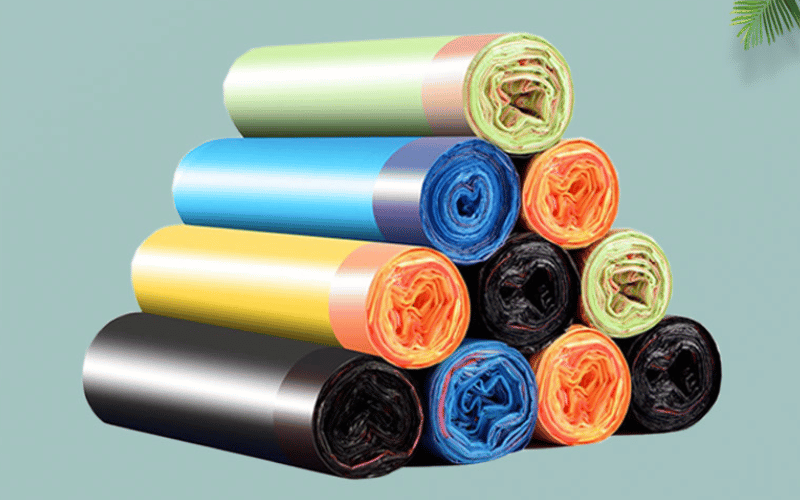
In recent years, there has been a growing global movement towards finding sustainable alternatives to single-use plastics. As consumers and businesses alike seek to reduce their environmental footprint, compostable bags have gained prominence as an innovative, eco-friendly option. From their origins as renewable plant resources to their vital role in combating plastic pollution, the science behind compostable bags reveals a fascinating journey of technological innovation and environmental stewardship. They represent more than just a vessel for waste; they are a step toward a circular economy.
Introduction to Compostable Bags
Compostable bags are typically made from a blend of natural, renewable ingredients, most commonly cornstarch, potato starch, and Polylactic Acid (PLA). PLA is a bioactive thermoplastic derived from renewable sources such as fermented plant sugars and serves as the structural backbone of the bag. Unlike traditional plastic bags made from finite fossil fuels, these plant-based polymers are designed to return to the earth.
These materials are engineered to break down fully under specific environmental conditions, such as those found in industrial or home composting setups. While traditional plastics break down into harmful microplastics, compostable bags are designed to decompose into non-toxic organic matter, significantly reducing the long-term environmental impact associated with conventional waste management.
The Making of Compostable Bags
The creation of a compostable bag is a precise scientific process that transforms raw plant materials into a durable, flexible product capable of holding household waste.
Manufacturing Process
Material Sourcing: The journey begins with sourcing renewable raw materials. High-quality cornstarch, vegetable oils, or PLA are harvested and processed to serve as the primary ingredients for the bioplastic resin.
Mixture Preparation: These raw natural materials are processed and combined with biodegradable binding agents in precise proportions. This compounding stage is crucial, as the ingredients are blended to form a uniform resin pellet that mimics the functional properties of plastic.
Extrusion: The resin pellets are fed into an extruder, where they are heated until molten. Through a process called blown film extrusion, the melted material is blown into a thin, continuous film tube. This ensures the material achieves the necessary thickness and strength.
Cutting and Shaping: Once the film has cooled, the long tubes are flattened, sealed at the bottom, and cut into individual bag lengths. Handles or drawstrings are added during this stage if the design requires them.
Drying and Finishing: The bags undergo a cooling and curing process to ensure stability and durability, preventing them from sticking together or degrading prematurely.
Packaging: Finally, the finished bags are rolled, boxed, and shipped to retailers and consumers.
Quality Control
Throughout the manufacturing process, stringent quality control measures are implemented to ensure reliability. This includes rigorous testing for tensile strength, puncture resistance, and flexibility to ensure the bags won’t rip during use. Crucially, samples are tested against international standards (like ASTM D6400) to verify their compostability. Only bags that meet these high standards for both performance and environmental compliance are sent to market.
Understanding Compostability
One of the most significant advantages of these bags is their inherent compostability. Unlike traditional polyethylene plastics, which can persist in the environment for hundreds of years, compostable bags are designed to break down naturally within a specific timeframe—often between 90 to 180 days in proper conditions.
This biodegradation process is driven by microorganisms in the soil or compost pile, such as bacteria and fungi. These microbes feed on the organic plant starches in the bag, metabolizing them and converting them into simpler compounds: carbon dioxide, water, and biomass. Importantly, because they are made from natural materials, compostable bags leave behind no toxic residues or microplastics, resulting in nutrient-rich compost that can safely return to the soil.
Environmental Impact of Compostable Bags
The compostability of these bags offers profound environmental benefits. By decomposing into harmless organic matter, compostable bags help mitigate the accumulation of persistent plastic waste in landfills and oceans. This directly reduces the threat to wildlife and marine ecosystems that are often harmed by plastic ingestion or entanglement. Furthermore, using renewable resources such as corn for production reduces our reliance on fossil fuels, contributing to a more sustainable, lower-carbon future.
Conclusion
The science behind compostable bags reveals a story of innovation, sustainability, and responsible consumption. From their plant-based origins to their ability to return to the earth without a trace, compostable bags exemplify the potential of green technology to replace harmful single-use plastics. By understanding how they are made and why they work, we can make more informed choices. Embracing compostable bags is a practical, powerful step we can all take towards a cleaner, greener future for generations to come.