


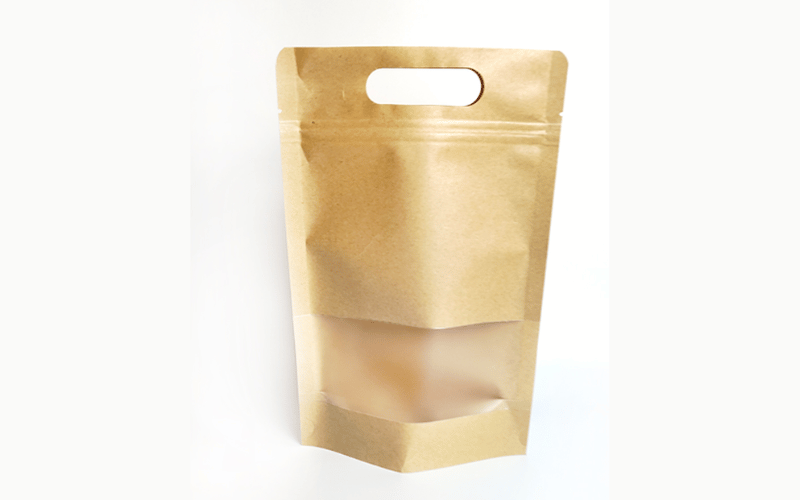
Flexible plastic packaging, especially stand-up pouches, accounts for a significant portion of the plastic produced worldwide for food and retail products. Unfortunately, this type of packaging has a very short lifespan, often used just once before being discarded. This is where businesses in 2026 are seizing the opportunity to adopt alternative solutions, like compostable stand-up pouches.
In fact, compostable packaging has the potential to redefine the end-of-life performance of these essential materials. Compostable stand-up pouches are made from natural materials such as cornstarch, sugarcane, and wood pulp. They are a popular choice for sustainable packaging because microorganisms break down the materials into valuable compost, a fertilizer that enriches soil. This process helps reduce plastic pollution by diverting waste from waterways and landfills. This article will cover everything you need to know about compostable stand-up pouches.
What Are Compostable Stand-up Pouches?
Traditional multi-laminate plastic pouches are extremely wasteful and can harm ecosystems because they are not recyclable. For that reason, it’s important for brands to invest in compostable packaging options that are right for their products and supply chains.
Compostable stand-up pouches are a type of flexible packaging made from plant-based materials such as Polylactic Acid (PLA), cornstarch, and other certified compostable polymers. These materials are engineered to provide the same benefits as traditional pouches—shelf stability, barrier properties, and branding opportunities—but with a crucial difference: they are designed to break down completely in a composting environment.
This means that instead of persisting in a landfill for centuries, these pouches can be returned to the earth. In an industrial composting facility, the decomposition process can take 90 to 180 days. This transforms the packaging from a single-use waste product into a source of nutrient-rich biomass. For brands selling everything from coffee to snacks, this represents a powerful way to align their products with consumer values and contribute to a circular economy.
Compostable vs. Biodegradable Stand-up Pouches
Both compostable and biodegradable packaging break down into smaller elements, but they differ significantly in what they leave behind and how they impact the environment. Natural microbes turn certified compostable pouches into valuable, non-toxic fertilizer that improves soil quality. In contrast, when a pouch labeled only as “biodegradable” breaks down, it may simply fragment into smaller pieces of plastic (microplastics) or leave behind chemical residues that contaminate the soil if not processed correctly.
Compostable products generally decompose more quickly and predictably than biodegradable ones. A certified compostable plastic pouch is verified to break down within a specific timeframe (usually up to 180 days) under composting conditions. On the other hand, a standard “biodegradable” pouch has no such timeline and can take months or years to fully decompose, offering no ecological benefit in the process. While both aim to reduce pollution, compostable pouches actively help preserve the ecosystem by creating a valuable resource from waste.
The Pros and Cons of Compostable Stand-up Pouches
There are many benefits to switching to compostable stand-up pouches, but there are also a few disadvantages. The main outcomes for businesses include:
Pros
- Improved brand image: Using compostable packaging is an excellent way to demonstrate your commitment to the environment to your eco-conscious customers. It can build customer trust, helping your business retain and attract more customers.
- Water resistance: High-quality compostable pouches feature barrier layers that protect contents from moisture, making them a great packaging option for dry goods like coffee, grains, and snacks.
- Reduced carbon footprint: The production of plant-based bioplastics for compostable pouches typically requires less energy and emits fewer greenhouse gases than manufacturing traditional petroleum-based plastics.
- Reduction of plastic waste: By designing packaging for composting, businesses can divert tons of waste from landfills, where it would otherwise produce methane, a potent greenhouse gas.
- Positive effects on soil and ecosystems: Composting produces a nutrient-rich soil amendment that reduces reliance on chemical fertilizers, improving soil quality and promoting healthier agricultural crops.
Cons
- Cross-contamination risks: Compost contamination occurs when non-compostable items, such as plastic labels or zippers sometimes used on pouches, are mixed into a compost pile. Consumers may miss these elements, decreasing the final compost quality.
- Higher costs: Compostable stand-up pouches are currently more expensive than their traditional plastic counterparts. Specialty materials and manufacturing processes can be significant cost barriers for some businesses.
- Limited composting facilities: The biggest challenge is that the environmental benefits are realized only if the pouches are disposed of at an industrial composting facility. Access to these facilities remains limited in many regions, so the pouches could end up in landfills.
When to Choose Compostable Stand-up Pouches
Compostable packaging has captured the imagination of environmentally-minded customers, and businesses are taking notice. While brands are moving to implement sustainable practices, the eco-friendly aspects of these materials can be more complicated than they seem.
The benefits of compostable pouches can only be attained if they are disposed of and composted properly, as instructed by the manufacturer. For this reason, you should choose compostable packaging only if your target market has access to industrial composting facilities or if you can adequately educate your customers about how to compost them properly. It’s a powerful choice for brands with a strong sustainability mission whose customers are willing to take the extra step. Outside of that, if the packaging will likely end up in a landfill, it makes more sense to invest in an alternative method.
Alternatives to Compostable Stand-up Pouches
Let’s look at some eco-friendly alternatives to compostable stand-up pouches:
- Reusable Packaging: For some products, offering a refill system with durable, reusable containers can eliminate single-use packaging entirely. This model reduces waste and can build long-term customer loyalty.
- Biodegradable Options: In areas without accessible composting, pouches made from materials designed to biodegrade (though not compost) may be a slightly better option than traditional plastic, provided they are certified and tested for their environmental impact.
- Package Size Optimization: You can reduce waste by using the right amount of packaging material for your product. Eliminating excessive headspace in pouches reduces material usage and lowers the shipping process’s carbon footprint.
Get Projections for Switching to Compostable Stand-up Pouches
Traditional packaging options can be extremely wasteful and harm ecosystems. So, it’s important to invest in sustainable packaging options that are right for your product, logistics, and customer base.
Switching to compostable pouches requires a careful evaluation of costs, supply chain logistics, and available end-of-life infrastructure. Businesses can work with sustainability consultants or use specialized software to model the financial and environmental impact of making the switch. You can simulate how compostable packaging will affect your costs, brand perception, and carbon footprint. Ready to optimize your packaging for a lower environmental impact? Get a projection for your business today!