


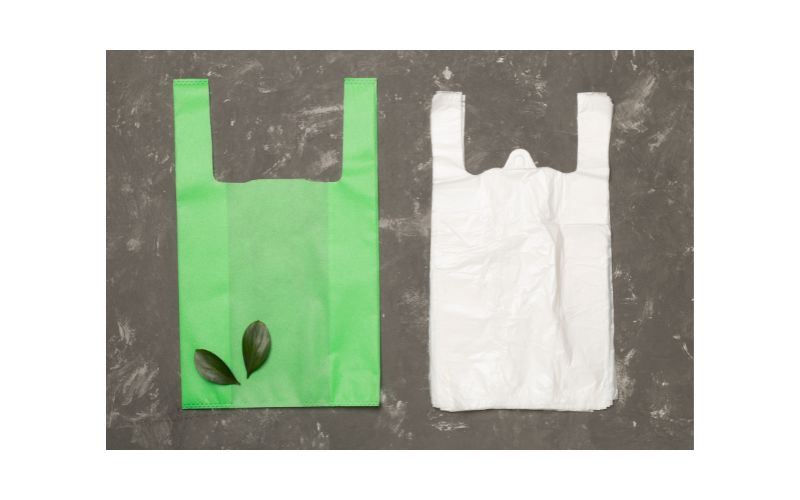
Biodegradable plastics have rapidly gained popularity as a promising alternative to traditional, petroleum-based plastics. As consumers and corporations alike become increasingly aware of the devastating environmental impact of plastic pollution, the appeal of materials that can seemingly vanish into nature is undeniable. Promoted as a key solution to reducing our global waste crisis, these materials are now found in everything from grocery bags and food packaging to single-use cutlery and agricultural films. However, while the concept of a plastic that safely returns to the earth sounds like the perfect environmental remedy, the reality is far more complex. It is crucial to examine the significant downsides and hidden challenges associated with biodegradable plastics. By understanding their limitations, from specific disposal requirements to unexpected environmental impacts during production, we can make more informed decisions about when and how to use these materials effectively without unintentionally exacerbating the very problems we are trying to solve.
They require specific conditions to degrade
The very term “biodegradable” suggests that a product will naturally and harmlessly break down if discarded into the environment, but this is a dangerous misconception. In reality, the vast majority of biodegradable plastics require highly specific, carefully controlled conditions to degrade effectively. They typically need to be processed in industrial composting facilities where temperatures are consistently maintained above 50 degrees Celsius, combined with specific levels of humidity, oxygen, and microbial activity. Unfortunately, the global availability of such specialized industrial composting infrastructure is severely limited. Most municipalities simply do not have the facilities required to process these materials. Consequently, if a biodegradable plastic item ends up in a natural environment like a forest, a river, or the ocean, it will not break down as advertised. Instead, it will persist for decades, posing the exact same threat to wildlife and marine ecosystems as conventional plastic. Even if placed in a standard home compost bin, the temperatures rarely get high enough to initiate the degradation process, leaving consumers frustrated and the environment unprotected.
Production creates emissions
To get a real idea of how much greenhouse gas is emitted during the manufacture of biodegradable plastics, you have to look at how their components are sourced and made. The raw materials for making bioplastics usually involve intensive agriculture, such as growing vast fields of corn, sugarcane, or cassava. The process of modern farming creates a lot of greenhouse gases through the heavy use of synthetic fertilizers, pesticide application, running diesel-powered farm machinery, and the extensive transportation required to move the harvest. Then, the raw organic materials have to be chemically refined and processed before they can be used, which again emits more greenhouse gas. Finally, more greenhouse gas is emitted in the actual manufacturing and polymerization process.
Of course, the above is also true when manufacturing traditional petroleum-based plastics. In fact, taking into account the whole production process, extracting crude oil and refining it into conventional plastics releases massive amounts of carbon dioxide into the atmosphere.
Making biodegradable plastics releases roughly the same amount of CO2 when you account for the entire agricultural and industrial supply chain. Estimates suggest that the energy required to convert plant starches into advanced polymers is highly intensive. For a biodegradable plastic to possess the necessary strength and flexibility for commercial use, it requires complex chemical engineering. This means that significant carbon emissions occur long before the product ever reaches the shelf. So at this point, if the agricultural land used to grow the raw materials led to deforestation or displaced food crops, a biodegradable plastic could arguably be just as taxing on the environment as a fossil fuel one.
They are not always as eco-friendly as they seem
The environmental impact of a biodegradable plastic product can increase or decrease considerably depending on how it is disposed of at the end of its useful life. Because industrial composting facilities are rare, the vast majority of biodegradable plastics end up in traditional municipal landfills alongside regular trash. When buried deep inside a landfill, these plastics are completely deprived of the oxygen and light they need to break down organically. Instead, they undergo an anaerobic degradation process. As they slowly decompose without oxygen, they release methane gas. Methane is an incredibly potent greenhouse gas, possessing a warming potential that is roughly 25 to 30 times greater than that of carbon dioxide over a 100-year period. So, if a biodegradable plastic cup is thrown into a standard trash can, its negative impact on the climate can actually be far worse than a traditional plastic cup that simply sits inert in the ground.
The story is complicated further by misleading marketing claims that confuse well-meaning consumers. Many products proudly display “biodegradable” labels, leading people to believe they can safely toss these items into the environment or their backyard compost bins without consequence. This greenwashing creates a false sense of security and often encourages littering. Without a proper, specialized waste management system designed to intercept and route these specific materials to industrial composters, the theoretical eco-friendly benefits of biodegradable plastics are completely neutralized.
They can be more expensive
The purchase price of biodegradable plastics does tend to be significantly higher than conventional petroleum-based versions of the same material. The production costs are elevated because the complex processes of harvesting agricultural crops, extracting starches, and synthesizing biopolymers are currently more expensive than refining abundant crude oil. Furthermore, the industry lacks the massive economies of scale that traditional plastic manufacturers have built over the last century. Because overall global demand and production volumes for bioplastics are still relatively low, the per-unit cost remains high. However, looking at longer-term environmental ownership rather than the initial purchase price, investing in these materials could theoretically reduce the expensive financial burden of cleaning up permanent plastic pollution, assuming disposal infrastructures eventually improve.
Limited durability and performance
Although biopolymer technology is improving all the time, biodegradable plastics generally struggle to match the performance of traditional plastics. Because they are fundamentally designed to break down, they can be highly sensitive to heat, light, and moisture. This means they may begin to degrade prematurely if exposed to hot liquids or high humidity, rendering them completely unsuitable for applications that require long-term durability, structural strength, or extended shelf life. You cannot reliably use them for long-lasting medical devices, automotive parts, or outdoor construction materials. Consumers and manufacturers are forced to navigate a difficult trade-off, balancing the desire for environmental biodegradability against the absolute necessity for a product to function reliably under everyday mechanical stress without falling apart in the user’s hands.
Recycling challenges
As the market for biodegradable plastics grows, they are creating severe complications for our already strained global recycling systems. Because they often look and feel exactly like conventional plastics, consumers frequently throw them into standard recycling bins by mistake.
When biodegradable plastics are mixed with traditional recyclable plastics like PET or HDPE, they act as a devastating contaminant. Even a small amount of bioplastic can compromise the structural integrity of an entire batch of recycled conventional plastic, rendering the recycled material weak and unusable.
Many people get round this by hoping clear labeling will solve the issue, but the current landscape of eco-labels is incredibly confusing. Consumers simply do not know the difference between “compostable,” “biodegradable,” and “recyclable,” leading to rampant sorting errors at home.
So as we shift to using more of these alternative materials, we will have to think about how we manage them post-use. The industry must develop and fund entirely separate collection and processing streams to ensure biodegradable plastics are successfully diverted away from traditional recycling centers and directed toward the specific industrial composting facilities they actually require.
Conclusion
While biodegradable plastics represent a fascinating technological advancement, they are far from a perfect, standalone solution to our global pollution crisis. Their effectiveness relies entirely on highly specific disposal conditions, and their production still carries a significant environmental footprint. From the risk of releasing potent methane in landfills to the severe contamination challenges they pose to existing recycling systems, the downsides are substantial. Moving forward, it is essential that we prioritize the expansion of proper industrial composting infrastructure and clear consumer labeling. Ultimately, we must balance the targeted use of biodegradable plastics with other proven sustainable practices, such as aggressively reducing our overall consumption and prioritizing reusable materials.