


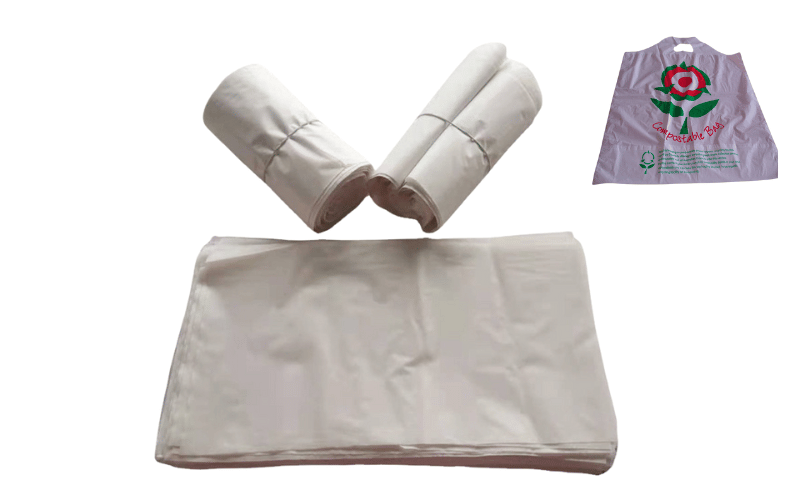
Discover how compostable shopping bags work, explore the surging eco-friendly market, and learn why you should add compostable bags to your product lineup.
In today’s competitive retail and packaging market, sustainable solutions are experiencing remarkable growth. Among them, compostable shopping bags stand out for their seamless integration of environmental responsibility, consumer convenience, and waste reduction.
These versatile carriers have captivated eco-conscious shoppers, retail businesses, and everyday consumers alike. By enabling users to carry goods securely, reduce plastic pollution, and contribute to soil health, they have become indispensable companions for sustainable living and ethical shopping.
Whether your customers are grocery shoppers or boutique patrons, compostable shopping bags offer engaging, value-driven experiences that help foster brand loyalty. More importantly, they represent a highly profitable product segment with growing consumer demand. They also provide businesses with opportunities to explore new revenue streams, expand product lines, and enter new markets.
In this comprehensive guide, you’ll learn what compostable shopping bags are, discover why now is the ideal time to sell them, and gain insight into why they’re worth adding to your product line.
What Are Compostable Shopping Bags?
Compostable shopping bags are plant-based carriers designed to break down into non-toxic, natural elements. They are widely used in supermarkets, boutiques, and farmers’ markets to transport goods and minimize landfill waste. Whether you are buying groceries, carrying takeout, or picking up clothes, compostable bags help reduce your carbon footprint anywhere on the globe—often with remarkable efficiency.
Compostable bags are made from organic materials, such as cornstarch, that decompose without leaving microplastics or toxic residue. You don’t have to separate them from organic waste—they simply break down in composting environments. In recent years, numerous compostable certification standards have emerged worldwide, and anyone with access to a composting facility can dispose of compostable materials responsibly.
Compostable bags are part of a broader category known as Bioplastics, which also includes other eco-friendly options such as biodegradable, bio-based, and oxo-degradable plastics, each with its own strengths. Let’s take a closer look at what sets these materials apart.
Key Differences Between Compostable and Biodegradable Bags
Compostable Bags
- Composition: Made from renewable plant materials like cornstarch, PLA (polylactic acid), or PBAT.
- Breakdown Process: Decomposes into water, carbon dioxide, and biomass in specific composting conditions.
- Timeframe: Breaks down within 90-180 days in industrial composting facilities.
- Strengths: Leaves no toxic residue, enriches the soil, and significantly reduces landfill contributions.
Biodegradable Bags
- Composition: Often contains plant materials mixed with additives or traditional petroleum-based plastics.
- Breakdown Process: Breaks down naturally by bacteria or other living organisms, but may leave microplastics.
- Timeframe: Decomposition time varies widely, ranging from months to decades.
- Strengths: Designed to break down faster than traditional plastics, but lacks specific compostability standards.
Environmental Impact
- Compostable: Creates nutrient-rich soil (humus) that benefits agriculture and gardening ecosystems.
- Biodegradable: May still contribute to microplastic pollution if not properly managed or certified.
- Comparison: Compostable bags offer a circular lifecycle, whereas biodegradable options are a step up from plastic but less regulated.
Each of these types operates differently, but modern businesses, such as supermarkets and eco-stores, often choose compostable options to ensure maximum sustainability and compliance. For example, a retailer may prioritize certified compostable bags to align with strict environmental regulations, especially in regions with bans on single-use plastics or specific waste management laws.
How Compostable Shopping Bags Work
Over the past decade, the cost and efficiency of producing compostable materials have steadily improved, enabling their seamless integration into retail and daily life. This innovation paved the way for mass-produced compostable shopping bags, making sustainable choices accessible at checkout.
Compostable bags rely on microorganisms like bacteria and fungi found in soil or compost piles. A compostable bag is like food for these microbes, designed to be consumed and converted into energy. Each microbe is constantly active, releasing enzymes that break the bag’s polymer chains into smaller, digestible molecules.
By being exposed to moisture, oxygen, and heat, your compostable bag can undergo hydrolysis and oxidation processes and use these conditions to dissolve completely. As the pile heats up, the bag rapidly disintegrates alongside food scraps, eventually becoming nutrient-rich soil ready for gardening.
To enhance decomposition, many compostable bags also use specific blends, such as PLA mixed with PBAT, as mentioned above. Additionally, most quality bags meet strict certifications like ASTM D6400 or EN 13432 to ensure a valid breakdown. The latest compostable bags from Hongren go a step further, offering not only industrial compostability but also compatibility with home composting. This feature provides flexibility for end-users, helping them dispose of bags easily in their backyard bins.
Top Features of Compostable Shopping Bags
Eco-friendly materials in shopping bags, including cornstarch blends, are commonly used for features such as durability, printability, and shelf stability, allowing users to carry heavy loads and obtain reliable performance metrics such as tensile strength and tear resistance.
Eco-Friendly Materials
Most shopping bags labeled “compostable” are made from renewable resources such as corn, potato starch, or sugar cane derivatives. This feature is vital for reducing reliance on fossil fuels and lowering carbon emissions.
Strength and Durability
Compostable bags are engineered to rival traditional plastic in strength. They work by utilizing flexible biopolymers that stretch without breaking, helping them carry groceries, books, clothes, and more. By reinforcing the bottom seal and handles, you can ensure more reliable use with heavy items.
Customizability for Branding
Many compostable shopping bag manufacturers offer high-quality printing options using soy-based or water-based inks, allowing you to display your logo and eco-credentials clearly. Some bags even allow you to customize the texture and color.
Breathability and Freshness
For produce and bakery items, compostable bags allow better airflow, which helps keep fruits and vegetables fresh longer by preventing moisture buildup.
Non-Toxic Decomposition
Some shopping bags are guaranteed to release no harmful chemicals into the soil when they break down. This feature is especially helpful for organic gardening or municipal composting programs.
Versatile Certifications
Certain compostable bags carry certifications such as “OK Compost Home” or “BPI Certified” to verify their claims. These labels help build consumer trust and ensure compliance.
Odor Control
Some compostable bags designed for dual use (shopping then waste) have breathable structures that help manage odors when used later for organic waste collection. This is useful for households managing kitchen scraps.
Heat Resistance
Some advanced compostable bags offer improved heat resistance—allowing them to carry warm takeout food without melting or deforming—tailored to restaurant and delivery needs.
Each of these eco-related features enhances the functionality of a shopping bag, especially for environmentally conscious retailers, consumers, and waste-management systems.
Market Trends for Compostable Shopping Bags
As regulations and consumer awareness evolve, compostable shopping bags have become indispensable tools for both retail compliance and brand sustainability strategies. This integration enhances the shopping experience, appealing to eco-conscious buyers and businesses alike, driving significant growth in the compostable packaging market.
High Demand in Retail
The surge in plastic bans and environmental taxes has led to a sharp rise in demand for compostable bags. These carriers ensure legal compliance, helping retailers avoid fines, remain operational, and meet sustainability targets.
Key Users: Major retailers, including supermarkets, fashion chains, and convenience stores, use compostable bags for customer transactions, bagging merchandise, and promotional events, especially in areas where plastic bans are enforced.
Applications in Food Packaging
Compostable bags now offer more than just carrying capacity, with features such as grease resistance, moisture control, and food-safety certifications, enabling businesses to serve hot and cold foods safely.
Key Users: Food service providers who focus on reducing waste by using packaging that can be composted along with food scraps, such as bakeries, cafes, and takeout restaurants.
Use in Agriculture and Waste Management
Biodegradability and soil enrichment features have made compostable bags a must-have for those prioritizing zero-waste cycles.
Key Users: Waste management sectors and agricultural businesses value compostable bags for their ability to collect organic waste and be plowed directly into the soil, ensuring efficiency.
Why Selling Compostable Shopping Bags Is a Good Business?
As of 2026, compostable packaging accounts for a significant share of the sustainable packaging market, with leading brands and manufacturers dominating the sector.
Hongren, known for its high-quality compostable solutions, is trusted by retailers and wholesalers. Popular products like our shopping bags and produce rolls are highly regarded for their strength and for being certified compliant.
Other competitors have established a presence, but the quality and consistency of certification remain key differentiators for savvy business owners.
1. Capitalizing on Eco-Friendly Trends
The convergence of legislative pressure, consumer activism, and material innovation has created a thriving market for compostable bags. The demand is driven by necessity, appeals to diverse industries, and offers significant growth potential for businesses.
2. Profit Margins
Premium Positioning: Verified eco-friendly attributes, such as BPI certification and home compostability, justify higher pricing, leading to strong profit margins.
Volume Sales: High usage rates in retail environments provide consistent, high-volume revenue opportunities.
3. Versatile Applications Across Industries
Compostable bags can serve multiple needs—from grocery and retail checkout to food service and waste collection—broadening their appeal across markets.
4. Long-Term Market Growth
Regulatory Support: With increasing global bans on single-use plastics, compostable bags cater to long-term legislative trends, ensuring a reliable and expanding market.
Consumer Loyalty: Shoppers appreciate businesses that demonstrate environmental responsibility, fostering brand loyalty and encouraging repeat visits.
5. Differentiation and Brand Image
Competitive Advantage: Offering certified compostable bags sets your business apart as a leader in sustainability.
Marketing Value: These bags serve as mobile billboards for your green values, enhancing brand reputation.
6. Sustainable Supply Chain
By aligning with ethical manufacturing and renewable sourcing, selling compostable bags supports a sustainable supply chain and appeals to modern, conscientious investors and partners.
By balancing regulatory compliance, consumer demand, and environmental stewardship, compostable shopping bags cater to a wide range of needs, making them indispensable in modern retail. This convergence of necessity drives the growing demand and creates substantial opportunities for businesses to thrive in the sustainable packaging market.
Factors Affecting Compostable Bag Performance
Reliable decomposition and strength are essential for compostable bags and applications ranging from heavy grocery loads to storing organic waste. However, several variables can influence bag performance:
Temperature and Humidity
Higher temperatures generally accelerate decomposition. At least 50°C-60°C is needed for industrial composting, but having consistent moisture levels available allows for better microbial activity and faster breakdown. The ideal composting environment balances heat and wetness.
Thickness and Strength
The bag’s physical dimensions can affect its durability. If bags are too thin or poorly sealed, your customer may experience tearing or breakage under load. The ideal bag thickness balances cost with necessary tensile strength.
Storage and Handling Practices
Direct sunlight, high heat, or moisture during storage can prematurely degrade the bag materials, reducing shelf life. Proper storage conditions, such as cool, dry, and dark warehouses, are crucial. This is especially important for long-term inventory.
Microbial Activity
Compostable bags require active bacteria and fungi to break down. This means they will not decompose effectively in a sterile landfill. They need a bioactive environment to function as intended.
Content Contamination
Non-organic materials, chemicals, or non-compostable labels attached to the bag can introduce toxins or physical barriers to the composting process, reducing the quality of the final compost.
UV Exposure
Prolonged exposure to UV rays can weaken the biopolymer chains before the bag is even used. This can cause the bag to become brittle, leading to failure during use.
User Disposal
Ensuring the bag ends up in the correct bin (compost vs. trash), avoiding plastic contamination, and educating consumers help maintain the waste stream’s integrity.
Conclusion
From basic grocery carriers to branded retail packaging, compostable shopping bags are revolutionizing the packaging industry. These innovative products not only meet consumer demand for sustainability but also create significant opportunities for business growth.
As the market expands, businesses can seize this golden opportunity to thrive, while consumers benefit from eco-friendly solutions that promote cleaner and greener communities. By gaining a deeper understanding of compostable technology, its diverse applications, and the key drivers of its growth, you can harness the potential of Hongren compostable bags to stay ahead in the competitive retail market.