


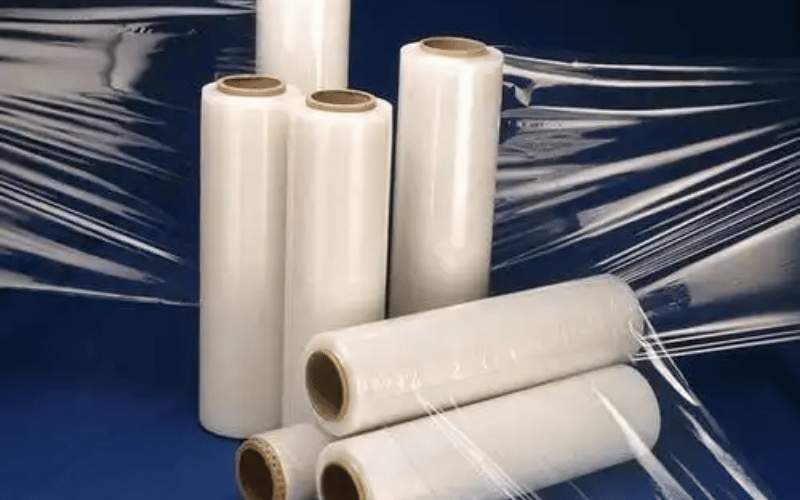
Looking to switch to sustainable packaging or find an eco-friendly material for your products? PLA biodegradable film is an excellent solution. Before making a purchase, it’s essential to consider factors like thickness, film types, and compostability certifications. This guide outlines 10 key tips to help you choose the perfect PLA film for your needs.
1. How Can PLA Biodegradable Film Benefit You?
With the rise of eco-conscious consumerism and stricter regulations on plastics, PLA biodegradable films have become essential tools. Prolonged reliance on traditional plastics often leads to environmental pollution and resource depletion. These issues can damage ecosystems and negatively impact brand perception.
Here’s how PLA biodegradable film can help:
- Reduce Carbon Footprint: Made from renewable resources such as corn starch, it reduces greenhouse gas emissions compared to petroleum-based plastics.
- Enhance Brand Image: Show your commitment to sustainability and attract environmentally-conscious customers.
- Versatile Applications: Use it for everything from food packaging to agricultural mulch, offering flexibility in product design.
- Meet Regulatory Standards: Comply with single-use plastic bans and other environmental regulations.
- Improve Soil Health: Certified compostable PLA breaks down into organic matter, enriching the soil.
- Boost Aesthetics: Its clarity and printability enhance the visual appeal of your packaging.
- Safe for Food Contact: Many PLA films are food-safe, making them ideal for packaging fresh produce, snacks, and more.
Want to know more about these benefits? It starts with understanding how this innovative material can transform your products.
2. Types of PLA Biodegradable Film
PLA films come in four main types, categorized by their properties and designed to meet various application needs. Whether you’re looking for a basic wrapping material or a high-performance packaging solution, each type serves different industrial requirements.
a. Standard PLA Film
Standard PLA films are ideal for general-purpose applications where basic wrapping or packaging is needed. They are typically transparent and offer good stiffness, making them a great replacement for conventional plastics in items like windowed boxes or flower wraps. If advanced barrier properties are not required, these films are a cost-effective and eco-friendly choice.
b. High-Barrier PLA Film
This type works well when product freshness and shelf life are critical. High-barrier PLA films are often coated or metallized to improve their resistance to oxygen, moisture, and aromas. It’s perfect for food packaging, such as for coffee, snacks, or fresh produce, where protecting the contents from external elements is paramount.
c. Heat-Sealable PLA Film
Heat-sealable films are ideal for automated packaging lines that require a secure seal. These films are engineered to form strong seals at lower temperatures than traditional plastics, saving energy during production. They provide maximum efficiency for creating pouches, bags, and flow-wrap packages.
d. Compostable PLA Film
Certified compostable PLA films are designed to break down completely in an industrial composting facility. These films are perfect for single-use applications where the packaging will be disposed of with organic waste, such as food service items, bin liners, and agricultural mulch films, ensuring a circular lifecycle.
3. Mechanical vs. Heat-Sealable PLA Films: What’s the Difference?
Both mechanically strong PLA films and heat-sealable PLA films rely on similar base polymers, but their formulations are tuned for different functions. As long as the application is within the film’s specified use case, both options offer excellent performance and sustainability benefits.
In terms of user experience and application, there are important differences. Mechanically focused films prioritize tensile strength, puncture resistance, and stiffness, making them ideal for lamination or applications that require the film to withstand physical stress. Heat-sealable films, on the other hand, are modified to have a lower melting point on one or more layers, allowing them to fuse together under heat and pressure. This is crucial for form-fill-seal (FFS) machines that create bags and pouches. While a film can possess both properties, optimizing for one may slightly compromise the other.
4. Can Your Application Support PLA Biodegradable Film?
When deciding whether to use PLA film, it’s important to evaluate your product requirements and end-of-life conditions. Most PLA films are versatile, but their performance depends on selecting the right type for the job based on the following conditions:
a. Food Packaging
If your product is sensitive to moisture and oxygen, such as chips or coffee, a standard PLA film may not be sufficient. In this case, a high-barrier PLA film is the most recommended option. This type works best for preserving freshness and extending shelf life. For less sensitive items like fresh salads or baked goods, standard PLA with good breathability might be ideal.
b. Agricultural Mulch Films
If your goal is to reduce plastic waste in fields, PLA mulch films are an excellent choice. The film suppresses weeds and retains soil moisture, then biodegrades in the soil after the growing season, eliminating the need for removal and disposal. Depending on the crop cycle and climate, the film’s thickness and degradation rate can be customized.
c. Industrial Wrapping
If you need to wrap pallets or protect industrial goods, the brittleness of standard PLA can be a concern. For these scenarios, you may need a PLA blend that incorporates other biopolymers (like PBAT) to improve flexibility and puncture resistance. This application type is more demanding, so ensure the film’s specifications meet your strength requirements. Avoid using unmodified PLA for heavy or sharp-edged loads.
5. Avoiding Common Pitfalls When Choosing PLA Biodegradable Film
Before purchasing PLA film, double-check your application for the following potential issues to ensure a successful and efficient implementation:
a. Thickness and Durability
Choosing a film that is too thin can lead to tearing and product damage. PLA is naturally more brittle than traditional plastics. Ensure the film thickness (gauge) is appropriate for your product’s weight and shape. A film that is too thick, however, increases costs and decomposition time.
b. Storage Conditions
PLA is sensitive to heat and humidity. Storing rolls of film in a hot warehouse or direct sunlight can cause them to deform, stick together, or become brittle. To avoid this, store PLA film in a cool, dry place (ideally below 86°F or 30°C) and use a “first-in, first-out” inventory system.
c. Misleading Labels
Beware of “greenwashing.” Some products labeled “bio-based” may contain only a small percentage of plant material and may not be compostable. Look for official certification marks (like BPI or TÜV AUSTRIA) to ensure the film is genuinely compostable and won’t harm the environment. A lack of certification is a major red flag.
6. Certifications and Standards to Check
Certification is the primary way to verify a PLA film’s compostability. The most common global standards are defined by organizations that test for disintegration, biodegradation, and ecotoxicity. The most common certifications are ASTM D6400 in the USA and EN 13432 in Europe.
However, there are distinctions to watch out for:
Industrial vs. Home Compostability: Most PLA films are certified for industrial composting, which requires high temperatures (131-140°F or 55-60°C) to break down. These will not decompose properly in a backyard compost bin. For home use, look for a specific “Home Compostable” certification, such as from TÜV AUSTRIA.
Food Contact Safety: If the film will be used for food packaging, ensure it meets food-grade standards, such as those set by the FDA or EFSA. This guarantees no harmful chemicals will leach into the food.
Verifying these certifications is essential. Using a non-certified film could contaminate compost streams or fail to meet regulatory requirements, undermining your sustainability efforts.
7. Choosing the Right Thickness and Specifications
When choosing the right PLA film, it’s crucial to check its specifications and match them to your application. You can typically find this information on the technical data sheet. Keep these factors in mind:
a. Food-Grade Applications
For direct food contact, such as sandwich wraps or fresh produce bags, a thinner film (around 20-30 microns) is often sufficient. It provides a good balance of clarity and protection. For packaging that requires a barrier, like for snacks, a laminated or coated film of 40-50 microns may be necessary to ensure freshness.
b. Industrial Wrapping
Industrial applications demand higher strength. For shrink wrap or pallet wrapping, you will need a PLA blend designed for elasticity and puncture resistance. The thickness could range from 50 to 100 micrometers, depending on the load. Always test the film with your specific products to ensure stability during transport.
c. Agricultural Use
The thickness of agricultural mulch film depends on the crop’s growing season. A short-season crop like lettuce might only need a 12-15 micron film that degrades in a few months. A longer-season crop like tomatoes or melons may require a 20-25 micron film to last the entire season before breaking down.
8. Key Factors for Performance and Decomposition
When choosing the right PLA film, it’s crucial to understand the factors that affect its performance during use and its breakdown afterward. Keep these factors in mind:
a. Composting Conditions
PLA requires a specific environment to decompose: high temperatures, moisture, and microorganisms. In an industrial composting facility, it can break down in 90-180 days. However, in a landfill (lacking oxygen) or in the open environment, it will persist for a very long time, much like conventional plastic. Proper disposal is key.
b. Shelf Life and Storage
PLA film has a limited shelf life, typically around 12 months. Exposure to heat (above 104°F or 40°C), humidity (above 60%), and direct UV light will accelerate its degradation, making it brittle and unusable. Proper climate-controlled storage is essential to maintain its properties.
c. Environmental Impact
While PLA is made from renewable resources, its environmental benefits are fully realized only when it is composted. If it ends up in a landfill, it can release methane, a potent greenhouse gas. Sourcing is also a factor; ensure that the raw materials (such as corn) are sustainably grown.
9. Preventing Film Degradation
One of the most common issues users face after purchasing PLA film is premature degradation or brittleness. This problem typically occurs due to improper handling or storage:
a. Avoiding Excessive Heat
Never store PLA film near heat sources, in direct sunlight, or in hot vehicles. Heat can cause the film to shrink, warp, or lose its strength. During processing, ensure that heat-sealing temperatures are carefully controlled to avoid burning or weakening the film.
b. Proper Storage Practices
To resolve these issues, always keep PLA film in its original packaging in a cool, dry, and dark environment. Use a first-in, first-out (FIFO) system to ensure older stock is used before its shelf life expires. This prevents the film from becoming brittle and difficult to process on machinery.
c. Handling During Transportation
PLA film can be more sensitive to impact and vibration than traditional plastics, especially in cold weather, when it can become more brittle. Ensure rolls are properly secured and cushioned during transport to prevent damage. Rough handling can cause micro-cracks that lead to film failure during processing.
10. Cost and Value Considerations
Proper cost analysis is essential when transitioning to PLA film. The material is generally more expensive than conventional petroleum-based plastics because of its complex manufacturing process. Here’s what to keep in mind:
Upfront vs. Long-Term Value
While the initial cost per roll may be higher, PLA can offer long-term value. For agricultural mulch, it eliminates labor costs for removal and disposal. In packaging, it can justify a premium price point for the final product and appeal to eco-conscious consumers. Also, consider potential savings from avoiding plastic taxes or fines.
Balancing Price with Quality
Lower-priced PLA films may cut corners on quality, leading to inconsistent performance, poor seals, or a shorter shelf life. Investing in a certified, high-quality film from a reputable supplier ensures reliability and protects your brand’s reputation. The cost of product failure or packaging line downtime often outweighs the initial savings from a cheaper film.
Our Recommendation
We’ve covered common questions about selecting PLA biodegradable film, including performance factors, certifications, and application types. If you’re still unsure which film to choose, Hongren PLA film is a reliable, well-rounded option.
- It is certified for industrial compostability, ensuring true environmental benefits.
- It features excellent clarity and printability for superior brand presentation.
- It is available in various grades, including heat-sealable and high-barrier options to meet your specific needs.
If you have additional questions, feel free to reach out to our team for personalized assistance with selecting the right PLA film for your application.
Related Posts
- A Comprehensive Guide to Compostable Shopping Bags – All You Need to Know
- Biodegradable Loose Fill Packaging: A Sustainable Alternative for Shipping Needs
- Discover Eco-Friendly Jewelry Packaging: Sustainable and Stylish Solutions
- Discover the Future of Packaging with Leading Biodegradable Packaging Manufacturers