


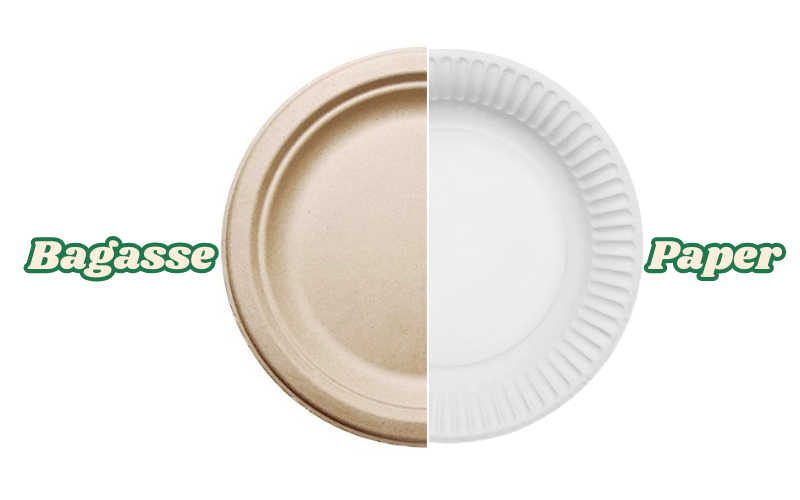
The demand for sustainable disposable dinnerware has grown rapidly in recent years. More people are looking for eco-friendly alternatives to traditional plastic plates, driven by a desire to reduce waste and protect the environment. But with so many options available, choosing the right one can feel overwhelming. I’ve worked with countless businesses and individuals who want to make greener choices without sacrificing practicality, and I’ve seen two materials rise to the top: sugarcane bagasse plates and paper plates.
Sugarcane bagasse plates, made from the fibrous byproduct of sugarcane processing, offer a sturdy and compostable option. On the other hand, paper plates, a long-time favorite, have evolved with more sustainable designs and coatings. Both options claim to be eco-friendly, but they differ in performance, environmental impact, and cost. Understanding these differences is key to making an informed decision.
In this article, I’ll compare sugarcane bagasse plates and paper plates, breaking down their benefits, drawbacks, and best use cases. Whether you’re planning a party, running a catering business, or simply looking to reduce your environmental footprint, this guide will help you choose the right dinnerware for your needs. Let’s dive in and explore how these two options stack up in the quest for sustainability.
What Are Sugarcane Bagasse Plates?
Sugarcane bagasse plates have become a popular choice for those seeking sustainable and practical alternatives to traditional disposable dinnerware. These plates combine eco-friendliness with functionality, making them a standout option in the world of biodegradable packaging. Let’s take a closer look at what they are, their benefits, and their limitations.
Definition
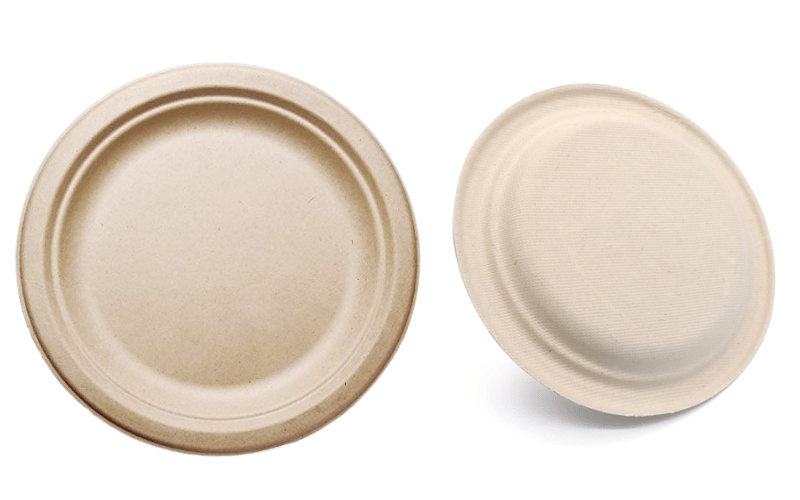
Bagasse is the fibrous by-product left behind after sugarcane stalks are crushed to extract their juice. Instead of discarding this material as waste, manufacturers upcycle it into a variety of products, including plates, bowls, and other dinnerware. The process involves cleaning and pulping the bagasse fibers, which are then molded into sturdy, lightweight plates using heat and pressure. This innovative approach not only reduces agricultural waste but also creates a renewable, plant-based alternative to plastic and paper plates.
Key Benefits
Sugarcane bagasse plates offer a host of advantages that make them a favorite among eco-conscious consumers and businesses alike.
- Plant-Based and Renewable: These plates come from sugarcane, a rapidly renewable resource. By repurposing agricultural by-products, they help reduce reliance on virgin materials and minimize waste.
- Certified Compostable and Biodegradable: Bagasse plates break down naturally in composting environments, leaving no toxic residue behind. Many are certified to meet industrial composting standards, ensuring they decompose within 90 to 180 days under the right conditions.
- Durable, Sturdy, and Resistant to Sogginess: Unlike flimsy paper plates, bagasse plates hold up well against heavy or saucy foods. Their natural fibers provide excellent strength and resistance to sogginess, making them ideal for everything from backyard barbecues to catered events.
- Microwave, Freezer, and Oven-Safe: Bagasse plates can handle a wide range of temperatures, from freezing to heating. You can safely use them in the microwave or oven (up to 200°F or 93°C) without worrying about warping or releasing harmful chemicals.
- Toxin-Free and Food-Safe: Manufacturers design bagasse plates to be free of harmful chemicals like BPA, PFAS, and other toxins. This makes them a safe choice for serving food, even for children or sensitive individuals.
Limitations
While sugarcane bagasse plates offer numerous benefits, they do come with a few limitations to consider.
- Higher Cost Compared to Paper Plates: Bagasse plates tend to cost more than traditional paper plates due to their production process and material sourcing. However, their durability and eco-friendly credentials often justify the investment for those prioritizing sustainability.
- Limited Availability in Some Regions: Depending on where you live, finding bagasse plates may be more challenging than sourcing paper or plastic alternatives. Businesses and consumers may need to rely on online suppliers or specialty stores to access these products.
Sugarcane bagasse plates strike a balance between sustainability and performance, making them an excellent choice for those looking to reduce their environmental impact without compromising on quality. In the next section, we’ll explore how these plates compare to other popular options, helping you make the best choice for your needs. Let’s keep the momentum going!
What Are Paper Plates?
Paper plates have long been a staple in households, picnics, and events due to their convenience and affordability. While they may seem like a simple product, understanding their composition, benefits, and limitations can help you make more informed choices about their use and environmental impact.
Definition
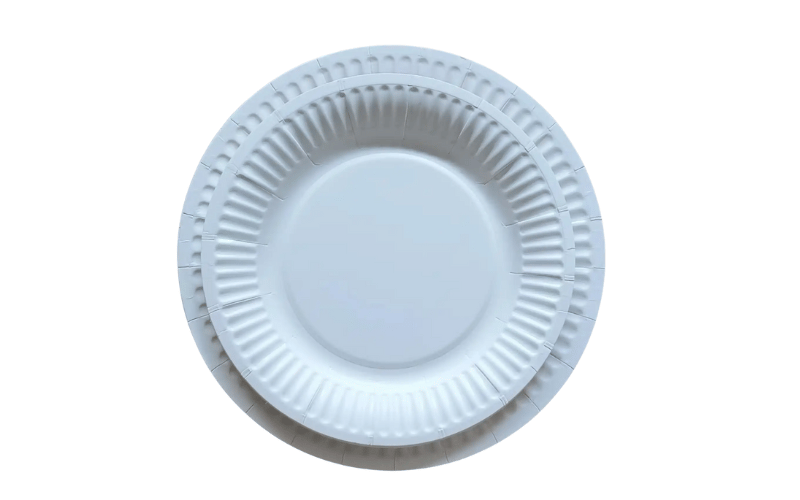
Paper plates are made primarily from wood pulp, a material derived from trees. The manufacturing process involves breaking down wood into fibers, which are then pressed and molded into the familiar plate shape. To enhance their functionality, many paper plates are coated with a thin layer of plastic, wax, or other materials to improve water resistance and durability. However, this coating often complicates their disposal, as it makes them less biodegradable and harder to recycle.
Key Benefits
Paper plates offer several advantages that make them a go-to option for casual dining and large gatherings.
- Cost-Effective and Widely Available: Paper plates are one of the most affordable disposable dinnerware options on the market. Their widespread availability in grocery stores, big-box retailers, and online platforms makes them an accessible choice for consumers and businesses alike.
- Lightweight and Convenient for Casual Use: Their lightweight nature makes paper plates easy to transport and store, making them ideal for picnics, parties, and other informal events. They’re also disposable, eliminating the need for washing up after meals.
Limitations
Despite their convenience, paper plates come with several drawbacks that are worth considering, especially if sustainability is a priority.
- Environmental Impact: The production of paper plates contributes to deforestation, as it relies on cutting down trees for wood pulp. Additionally, the energy-intensive manufacturing process generates greenhouse gas emissions. Once used, many paper plates end up in landfills, where they contribute to waste rather than decomposing naturally.
- Limited Biodegradability for Coated Types: While uncoated paper plates can biodegrade relatively quickly, those with plastic or wax coatings take much longer to break down. These coatings also make the plates unsuitable for composting and recycling, further adding to their environmental footprint.
- Durability Issues: Paper plates often struggle to hold up against wet or heavy foods. Sauces, gravies, or oily dishes can cause them to become soggy, leading to leaks and messes.
- Often Not Microwave or Freezer-Safe: Many paper plates, especially those with coatings, are not designed to withstand high or low temperatures. Using them in the microwave can cause warping or even release harmful chemicals, while freezing can compromise their structural integrity.
Paper plates may serve as a convenient option for quick, casual use, but their environmental impact and functional limitations make them less ideal for those seeking sustainable solutions. In the next section, we’ll compare paper plates with sugarcane bagasse plates to help you determine which option aligns best with your needs and values. Let’s continue exploring!
Side-by-Side Comparison: Sugarcane Bagasse Plates vs. Paper Plates
When choosing between sugarcane bagasse plates and paper plates, it’s essential to weigh their environmental impact, performance, cost, availability, and safety. Each option has its strengths and weaknesses, and understanding these differences will help you make the best choice for your needs. Let’s break it down category by category.

Environmental Impact
The environmental footprint of disposable dinnerware starts with the raw materials and extends through production and disposal.
-
Raw Materials: Renewable Sugarcane vs. Trees
Sugarcane bagasse plates use a by-product of sugarcane processing, repurposing agricultural waste into a valuable resource. This approach reduces waste and relies on a renewable crop that regrows quickly. Paper plates, on the other hand, depend on wood pulp, which contributes to deforestation. Even with sustainable forestry practices, tree regrowth takes significantly longer than sugarcane cultivation. -
Production Process: Energy Efficiency and Waste Reduction
The production of bagasse plates involves upcycling waste material, which minimizes the need for additional raw resources. In contrast, paper plate manufacturing requires energy-intensive processes to convert wood into pulp, often generating more greenhouse gas emissions. Additionally, coated paper plates introduce extra steps and materials, further increasing their environmental impact. -
End-of-Life: Compostability and Biodegradability
Sugarcane bagasse plates are certified compostable and biodegradable, breaking down into organic matter within 90 to 180 days in industrial composting facilities. Uncoated paper plates can also biodegrade, but coated varieties take much longer and often end up in landfills. Bagasse plates clearly have the edge when it comes to eco-friendly disposal.
Performance and Durability
Durability and functionality are critical factors, especially when serving a variety of foods.
-
Strength and Rigidity with Various Foods
Sugarcane bagasse plates excel in strength and rigidity, easily handling heavy or saucy dishes without bending or collapsing. Paper plates, particularly thinner or lower-quality ones, often struggle with heavier foods, leading to spills and messes. -
Resistance to Hot Liquids, Oils, and Sogginess
Bagasse plates resist hot liquids, oils, and moisture far better than paper plates. Their natural fibers provide a barrier against sogginess, making them ideal for soups, gravies, and oily foods. Paper plates, especially uncoated ones, tend to absorb liquids quickly, compromising their structure. -
Microwave, Freezer, and Oven Compatibility
Sugarcane bagasse plates are microwave, freezer, and oven-safe (up to 200°F or 93°C), offering versatility for reheating or storing food. Most paper plates, particularly coated ones, are not microwave-safe and can warp or release harmful chemicals when exposed to heat.
Cost Analysis
Cost often plays a significant role in decision-making, but it’s important to consider both upfront expenses and long-term value.
-
Unit Cost Comparison
Paper plates are generally more affordable than sugarcane bagasse plates, making them a budget-friendly option for large gatherings or casual use. However, the price gap has been narrowing as bagasse production scales up. -
Long-Term Value Considerations
While bagasse plates may cost more per unit, their superior durability and eco-friendly credentials often justify the investment. For businesses or events prioritizing sustainability, the long-term value of bagasse plates outweighs their higher initial cost.
Availability and Accessibility
The ease of finding these products can vary depending on your location and purchasing preferences.
- Ease of Finding in Stores vs. Online
Paper plates are widely available in grocery stores, big-box retailers, and convenience stores. Sugarcane bagasse plates, while growing in popularity, are often easier to find online or through specialty eco-friendly suppliers. Businesses may need to establish relationships with distributors to ensure a steady supply of bagasse products.
Safety and Health
Food safety and the absence of harmful chemicals are non-negotiable when it comes to dinnerware.
-
Chemicals Used in Manufacturing
Sugarcane bagasse plates are typically free of harmful chemicals like BPA, PFAS, and other toxins. Paper plates, especially coated varieties, may contain chemicals that leach into food when exposed to heat or moisture. -
Food Contact Safety
Both bagasse and paper plates are generally safe for food contact, but certifications like FDA approval or compostability standards provide added assurance. Always check product labels to confirm safety for specific uses, such as microwaving or serving hot foods.
By comparing these two options across key categories, it’s clear that sugarcane bagasse plates offer superior environmental benefits, durability, and safety, while paper plates remain a more cost-effective and widely available choice. In the next section, we’ll explore practical tips for choosing the right dinnerware for your needs and ensuring proper disposal. Let’s keep moving forward!
Comparison Table: Sugarcane Bagasse Plates vs. Paper Plates
| Feature | Sugarcane Bagasse Plates | Paper Plates |
|---|---|---|
| Material | Made from sugarcane by-product (bagasse), a renewable and upcycled resource. | Made from wood pulp, often sourced from trees, contributing to deforestation. |
| Environmental Impact | Compostable and biodegradable within 90-180 days in industrial composting facilities. | Coated varieties are not compostable or recyclable; uncoated plates biodegrade. |
| Durability | Strong, sturdy, and resistant to sogginess; handles wet, oily, and heavy foods well. | Prone to sogginess and collapse when used with wet or heavy foods. |
| Heat Resistance | Microwave, freezer, and oven-safe (up to 200°F or 93°C). | Often not microwave or freezer-safe; coated plates may release harmful chemicals. |
| Cost | More expensive due to eco-friendly materials and production process. | Generally more affordable and budget-friendly. |
| Availability | Limited availability in some regions; often found online or through specialty suppliers. | Widely available in grocery stores, big-box retailers, and convenience stores. |
| Safety | Free of harmful chemicals like BPA and PFAS; food-safe. | Coated plates may contain chemicals that leach into food when heated. |
| Best Use Cases | Ideal for formal events, catering, and eco-conscious households. | Suitable for casual picnics, parties, and large-scale events on a budget. |
Simple Comparisons
-
Sugarcane bagasse plates are made from sugarcane by-products. Paper plates are made from wood pulp.
-
Sugarcane bagasse plates are compostable and biodegradable. Paper plates may not decompose if coated with plastic or wax.
-
Sugarcane bagasse plates are strong and resist sogginess. Paper plates can become soggy with wet or heavy foods.
-
Sugarcane bagasse plates are microwave, freezer, and oven-safe. Paper plates often cannot handle heat or freezing.
-
Sugarcane bagasse plates cost more and are harder to find. Paper plates are cheaper and widely available.
How to Choose the Right Plate for Your Needs
Selecting the right plate isn’t just about grabbing the first option on the shelf—it’s about aligning your choice with the specific needs of your event, lifestyle, and values. Whether you’re hosting a casual picnic, planning a formal event, or looking for everyday convenience, understanding the key factors will help you make a decision that works for you and the planet.
Considerations for Events and Gatherings
The type of event you’re hosting plays a significant role in determining the best plate option.
-
Casual Picnics vs. Formal Events
For casual picnics or backyard barbecues, paper plates may suffice, especially if you’re serving lighter, dry foods like sandwiches or chips. However, for formal events or catered gatherings, sugarcane bagasse plates offer a more polished and durable option. Their sturdiness and elegant appearance make them suitable for heavier meals and upscale presentations, leaving a lasting impression on your guests. -
Type of Food Being Served (Wet, Oily, or Dry)
The menu matters just as much as the occasion. If you’re serving wet or oily dishes like curries, pasta, or salads with heavy dressings, sugarcane bagasse plates are the clear winner. They resist sogginess and maintain their structure even under challenging conditions. Paper plates, especially uncoated ones, are better suited for dry snacks or finger foods, as they can quickly become compromised when exposed to moisture.
Everyday Use
For daily use, the choice often comes down to balancing convenience with environmental impact.
- Convenience vs. Environmental Priorities
If convenience is your top priority, paper plates may seem like the easier option due to their widespread availability and lower cost. However, if you’re committed to reducing your environmental footprint, sugarcane bagasse plates offer a more sustainable alternative. They’re compostable, biodegradable, and made from renewable resources, making them a better choice for eco-conscious households.
Budget Constraints
Cost is always a factor, but it doesn’t have to be a barrier to making sustainable choices.
- Balancing Cost with Sustainability Goals
Paper plates are generally more affordable, making them a practical choice for large-scale events or tight budgets. However, consider the long-term value of sugarcane bagasse plates. Their durability means fewer plates are needed per person, and their compostability aligns with sustainability goals. For businesses or individuals hosting events, investing in bagasse plates can enhance your reputation as an environmentally responsible host.
By considering the type of event, the food being served, your daily habits, and your budget, you can confidently choose the plate that best meets your needs. In the next section, we’ll explore practical tips for disposing of these plates responsibly, ensuring they contribute to a greener future. Let’s keep the momentum going!
The Future of Disposable Dinnerware
Disposable dinnerware is changing fast, and the future looks greener than ever. With exciting new materials, growing consumer interest in sustainability, and government policies pushing for change, we’re seeing a shift toward products that are better for the planet and still practical for everyday use. Let’s break it down into what’s happening and what it means for you.
Innovations in Eco-Friendly Materials
The materials used to make disposable dinnerware are getting smarter and more sustainable.
-
Better Bagasse Products
Sugarcane bagasse isn’t just for plates anymore. Companies are finding new ways to make it stronger, more heat-resistant, and even more versatile. For example, bagasse is now being used to create sturdy food containers and even cutlery that can handle hot or heavy foods without breaking. These improvements mean you’ll have more eco-friendly options that work just as well as traditional plastic. -
Mixing Materials for Better Results
Some manufacturers are blending bagasse with other natural materials, like bamboo or cornstarch, to make products even tougher and more water-resistant. Imagine a plate that can hold hot soup without getting soggy or a takeout box that keeps your food fresh and composts easily afterward. These kinds of innovations are making sustainable dinnerware more practical for everyday use.
Consumer Demand
People are speaking up with their wallets, and businesses are listening.
- More People Want Sustainable Choices
Shoppers are looking for products that are better for the environment, and they’re willing to spend a little more to get them. This demand is pushing companies to offer more eco-friendly options, and it’s working. Businesses that switch to sustainable dinnerware often find that customers appreciate the effort and stick around longer. If you’re someone who cares about the planet, your choices are helping drive this change.
Regulatory Impact
Governments are stepping in to make sure we’re moving toward a more sustainable future.
- Bans on Single-Use Plastics Are Changing the Game
Many places are banning single-use plastics, which means businesses need alternatives—and fast. This is where materials like bagasse come in. Some areas even require disposable products to meet compostable standards, so companies are working hard to create options that meet these rules. For consumers, this means you’ll start seeing more eco-friendly products on store shelves and at your favorite restaurants.
The future of disposable dinnerware is all about making it easier to choose sustainable options that work just as well as the old ones. Whether it’s stronger plates, better takeout containers, or more choices at the store, these changes are good news for the planet and for you. Let’s keep an eye on these trends and do our part to support a greener future!
Frequently Asked Questions
Q: Are sugarcane plates truly compostable?
A: Yes, sugarcane plates are genuinely compostable. They break down into natural elements like water, carbon dioxide, and organic matter when placed in industrial composting facilities. Under the right conditions, they typically decompose within 90 to 180 days. Always check for compostability certifications to ensure proper disposal.
Q: Do paper plates contain plastic?
A: Many paper plates, especially those designed to resist moisture or grease, include a thin plastic coating. This coating helps prevent sogginess but makes the plates harder to compost or recycle. Uncoated paper plates, however, do not contain plastic and are more environmentally friendly.
Q: Can I put sugarcane bagasse plates in the microwave?
A: Yes, you can safely use sugarcane bagasse plates in the microwave. They can handle high temperatures without warping or releasing harmful chemicals, making them ideal for reheating food. However, avoid microwaving them for extended periods to maintain their structural integrity.
Q: How long does it take for sugarcane plates to decompose?
A: Sugarcane plates decompose within 90 to 180 days in industrial composting facilities. In home composting setups, the process may take longer due to lower temperatures and less controlled conditions.
Q: Are sugarcane plates more expensive than paper plates?
A: Sugarcane plates generally cost more than paper plates due to their production process and eco-friendly materials. However, their durability and compostability often make them a worthwhile investment for those prioritizing sustainability.
Q: Which plate is better for the environment?
A: Sugarcane plates are better for the environment because they are made from renewable agricultural by-products and decompose quickly in composting facilities. Paper plates, especially those with plastic coatings, contribute to deforestation and take longer to break down, making them less eco-friendly.
Q: Can sugarcane bagasse plates handle hot food?
A: Yes, sugarcane bagasse plates can handle hot food with ease. They resist heat, moisture, and oils, making them suitable for serving soups, curries, and other hot dishes without becoming soggy or losing their shape.
Q: Are all paper plates recyclable?
A: No, not all paper plates are recyclable. Plates with plastic or wax coatings cannot be recycled because the coating contaminates the recycling process. Uncoated paper plates, as long as they are free of food residue, can usually be recycled. Always check local recycling guidelines for clarity.
Conclusion: Making the Sustainable Choice
Sugarcane bagasse plates and paper plates each bring unique qualities to the table. Bagasse plates stand out for their durability, compostability, and eco-friendly production, while paper plates offer affordability and widespread availability. Choosing between them depends on your specific needs, whether it’s handling hot, oily foods or sticking to a tight budget. However, prioritizing sustainability in your decision can make a meaningful impact. By opting for eco-friendly disposable dinnerware, you contribute to reducing waste and supporting a healthier planet. Let your values guide your choice, and take a step toward a more sustainable future.