


As the demand for disposable tableware grows, the environmental impact of traditional materials like plastic has become a pressing concern. Enter bagasse, a sustainable alternative made from sugarcane byproducts, which is revolutionizing the way we think about single-use plates and bowls. Lightweight, durable, and compostable, bagasse offers a practical solution for reducing waste and pollution while meeting the convenience needs of modern dining. This article explores the key differences between bagasse and plastic, their environmental impacts, and why switching to bagasse is a step toward a greener, more sustainable future.
Introduction to Bagasse and Plastic
Bagasse and plastic are two materials commonly used in the production of disposable dinnerware. While plastic has dominated the market for decades, bagasse is emerging as a sustainable alternative, offering eco-friendly solutions for modern dining needs.
What is Bagasse?
Bagasse is the fibrous residue left after extracting juice from sugarcane stalks. Once considered agricultural waste, it is now repurposed into a versatile material for making compostable products. Bagasse is lightweight, durable, and biodegradable, making it an ideal choice for disposable tableware like plates, bowls, and containers. Its renewable nature and ability to decompose quickly under composting conditions make it a sustainable alternative to traditional materials.

Understanding Plastic Plates
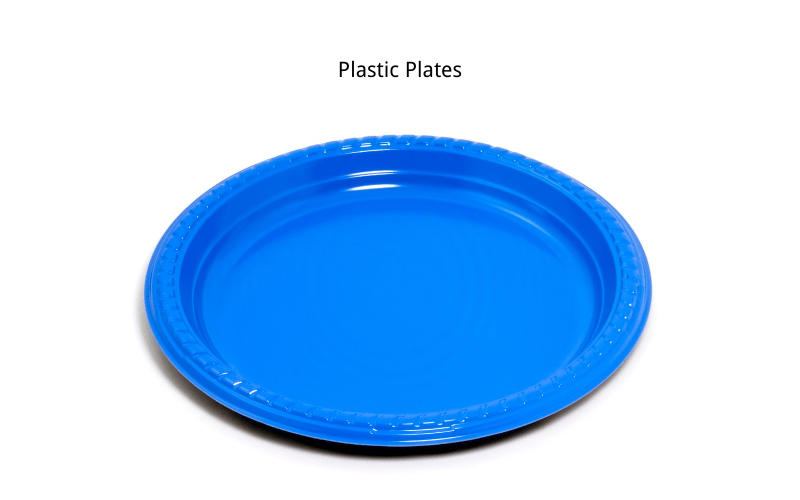
Plastic plates are made from petroleum-based polymers, such as polystyrene or polypropylene. These plates are lightweight, durable, and inexpensive, which has made them a popular choice for disposable dinnerware. However, their environmental impact is significant. Plastic plates take hundreds of years to decompose, often breaking down into harmful microplastics that pollute ecosystems. Additionally, the production of plastic relies on non-renewable resources and generates greenhouse gas emissions, contributing to climate change. Despite their convenience, the environmental drawbacks of plastic plates have led to a growing demand for sustainable alternatives.
The Rise of Disposable Dinnerware
The popularity of disposable dinnerware has grown significantly over the past few decades, driven by the need for convenience in fast-paced lifestyles. Disposable plates, bowls, and cutlery are widely used in events, food services, and households due to their ease of use and minimal cleanup requirements. However, the environmental impact of traditional disposable materials, such as plastic and Styrofoam, has sparked a shift toward more sustainable options. Materials like bagasse, bamboo, and palm leaves are gaining traction as eco-friendly alternatives, offering the same convenience without the long-term environmental harm. This shift reflects a broader movement toward reducing waste and adopting greener practices in everyday life.
Environmental Impact of Bagasse vs. Plastic
The environmental impact of materials like bagasse and plastic varies significantly, with bagasse emerging as a more sustainable option. Understanding their differences highlights the importance of choosing eco-friendly alternatives to reduce waste and pollution.
Sustainability of Sugarcane Bagasse
Bagasse is a byproduct of sugarcane processing, making it a renewable and sustainable material. Its production repurposes agricultural waste, reducing the need for virgin resources. Bagasse-based products are biodegradable and compostable, breaking down into organic matter within months under the right conditions. This minimizes landfill waste and prevents long-term environmental harm. Additionally, bagasse production generates fewer greenhouse gas emissions compared to plastic manufacturing, further enhancing its sustainability.
Plastic Waste and Its Consequences
Plastic waste poses a significant threat to the environment. Traditional plastics, made from petroleum-based polymers, take hundreds of years to decompose. During this time, they break down into microplastics, which contaminate soil, water, and air. These tiny particles are ingested by wildlife, entering the food chain and potentially harming human health. The production of plastic also relies on non-renewable fossil fuels, contributing to resource depletion and greenhouse gas emissions. Improper disposal of plastic waste often leads to pollution in oceans and waterways, endangering marine life and ecosystems.
Comparing the Carbon Footprint
- Bagasse: The carbon footprint of bagasse is significantly lower than that of plastic. As a byproduct of sugarcane, its production requires minimal additional resources. The decomposition of bagasse products releases carbon dioxide, but this is offset by the carbon absorbed during sugarcane growth, making it a carbon-neutral material.
- Plastic: The production of plastic involves extracting and refining fossil fuels, processes that emit large amounts of greenhouse gases. Additionally, the long lifespan of plastic waste means it continues to impact the environment long after its disposal, contributing to climate change.
- Energy Use: Bagasse production consumes less energy compared to plastic manufacturing, further reducing its environmental impact. Plastic production, on the other hand, is energy-intensive and relies heavily on non-renewable energy sources.
By choosing bagasse over plastic, individuals and businesses can significantly reduce their carbon footprint and contribute to a more sustainable future.
Advantages of Bagasse Plates
Bagasse plates offer a sustainable and practical alternative to traditional disposable tableware. Their eco-friendly properties, renewable origins, and ability to replace plastic make them a preferred choice for environmentally conscious consumers and businesses.
Compostable Properties of Bagasse
- Biodegradability: Bagasse plates decompose naturally within 60 to 90 days in composting conditions, leaving no harmful residues behind. This makes them an excellent option for reducing landfill waste.
- Nutrient-Rich Compost: When composted, bagasse plates break down into organic matter that enriches the soil, supporting sustainable agriculture and gardening practices.
- No Toxic Byproducts: Unlike plastic, bagasse does not release harmful chemicals during decomposition, ensuring a safe and eco-friendly disposal process.
- Industrial and Home Composting: Bagasse plates are suitable for both industrial composting facilities and home compost bins, offering flexibility in disposal options.
These compostable properties make bagasse plates a practical solution for reducing environmental impact while meeting everyday needs.
Renewable Resource Benefits
- Sugarcane Byproduct: Bagasse is derived from sugarcane, a fast-growing and renewable crop. Its use repurposes agricultural waste, reducing the need for virgin materials.
- Annual Harvest: Sugarcane can be harvested multiple times a year, ensuring a consistent and sustainable supply of bagasse for manufacturing.
- Low Resource Demand: Producing bagasse plates requires fewer resources compared to plastic, as the raw material is a byproduct of sugar production.
- Carbon Neutrality: The carbon dioxide released during the decomposition of bagasse is offset by the carbon absorbed during sugarcane growth, making it a carbon-neutral material.
By utilizing a renewable resource like sugarcane, bagasse plates support sustainable production practices and reduce reliance on non-renewable materials.
Eco-Friendly Alternatives to Plastic
- Reduced Pollution: Bagasse plates eliminate the need for petroleum-based plastics, which contribute to long-term pollution and microplastic contamination.
- Energy Efficiency: Manufacturing bagasse plates consumes less energy compared to plastic production, lowering greenhouse gas emissions.
- Safe for Food Contact: Bagasse plates are free from harmful chemicals like BPA, ensuring they are safe for serving food and beverages.
- Versatile Applications: Bagasse plates are sturdy, heat-resistant, and grease-proof, making them suitable for a wide range of uses, from casual dining to catering events.
- Consumer Appeal: As awareness of environmental issues grows, consumers increasingly prefer eco-friendly products like bagasse plates, driving demand for sustainable alternatives.
By replacing plastic with bagasse plates, individuals and businesses can reduce their environmental footprint while enjoying high-quality, functional tableware.
Disadvantages of Bagasse Plates
1. Limited Composting Infrastructure
- While bagasse plates are compostable, not all regions have access to industrial composting facilities. Without proper composting conditions, these plates may end up in landfills, where they decompose less efficiently.
2. Higher Upfront Cost
- Bagasse plates are often more expensive than traditional plastic plates, which can be a barrier for businesses or individuals with tight budgets.
3. Durability Limitations
- Although sturdy, bagasse plates may not be as durable as some plastic alternatives for long-term storage or heavy-duty use. They can absorb moisture over extended periods, potentially compromising their structural integrity.
4. Not Recyclable
- Bagasse plates are not recyclable, which limits their disposal options to composting. This can be inconvenient in areas without composting programs.
5. Energy Use in Transportation
- Since bagasse plates are often manufactured in regions where sugarcane is grown, transporting them to other parts of the world can increase their carbon footprint.
6. Moisture Sensitivity
- Bagasse plates, while grease-proof and heat-resistant, may not perform as well when exposed to excessive moisture for extended periods, such as in humid storage conditions.
7. Limited Customization Options
- Compared to plastic, bagasse plates may have fewer options for customization, such as intricate designs or vibrant colors, which could be a drawback for certain businesses or events.
By considering both the advantages and disadvantages, individuals and businesses can make informed decisions about whether bagasse plates are the right choice for their needs.
A comprehensive comparison table contrasting Bagasse Plates vs. Plastic Plates:
| Feature | Bagasse Plates | Plastic Plates |
|---|---|---|
| Material | Made from sugarcane residue (a renewable byproduct). | Made from petroleum-based polymers (non-renewable resources). |
| Biodegradability | Fully biodegradable; decomposes within 60–90 days in composting conditions. | Non-biodegradable; takes hundreds of years to decompose. |
| Compostability | Compostable in both industrial and home composting setups, enriching the soil. | Not compostable; contributes to landfill waste and pollution. |
| Environmental Impact | Low impact; reduces agricultural waste and supports a circular economy. | High impact; contributes to microplastics, pollution, and greenhouse gas emissions. |
| Carbon Footprint | Carbon-neutral; decomposition offsets carbon absorbed during sugarcane growth. | High carbon footprint due to fossil fuel extraction and energy-intensive production. |
| Durability | Sturdy, grease-proof, and heat-resistant; suitable for hot and cold foods. | Durable but can warp or release toxins when exposed to high heat. |
| Safety | Free from harmful chemicals like BPA; safe for food contact. | May contain harmful chemicals like BPA, which can leach into food. |
| Decomposition Time | Breaks down in months under proper composting conditions. | Takes centuries to break down, often leaving microplastic residues. |
| Cost | Slightly higher upfront cost but cost-effective in the long run due to eco-benefits. | Lower upfront cost but higher long-term environmental costs. |
| Energy Use in Production | Requires less energy to produce; repurposes agricultural byproducts. | Energy-intensive production reliant on fossil fuels. |
| Recyclability | Not recyclable but compostable. | Some plastics are recyclable, but contamination often prevents proper recycling. |
| Applications | Ideal for eco-conscious dining, catering, and food service. | Commonly used for convenience but with significant environmental drawbacks. |
| Consumer Appeal | Increasingly preferred by environmentally conscious consumers. | Losing favor due to growing awareness of plastic pollution. |
Making the Switch to Bagasse Plates
Switching to bagasse plates is a simple yet impactful way to adopt sustainable practices. By understanding how to use them effectively, sourcing from reliable suppliers, and managing costs, businesses and individuals can make the transition seamless and eco-friendly.
How to Use Bagasse Plates Effectively
- Choose the Right Size and Shape: Select plates that suit your specific needs, whether for serving full meals, appetizers, or desserts. Bagasse plates come in various sizes and designs to accommodate different types of food.
- Pair with Compostable Accessories: Use bagasse plates alongside other eco-friendly items like compostable cutlery, cups, and napkins to create a fully sustainable dining experience.
- Handle Hot and Greasy Foods: Bagasse plates are heat-resistant and grease-proof, making them ideal for serving hot dishes, soups, and oily foods without leaking or warping.
- Dispose Properly: Educate users on composting bagasse plates to ensure they are disposed of in an environmentally friendly manner. Provide labeled bins for composting at events or in food service areas.
- Stock for Events: For large gatherings, stockpile bagasse plates in advance to ensure you have enough for all guests while avoiding over-purchasing.
Using bagasse plates effectively ensures they meet your needs while maximizing their environmental benefits.
Finding the Right Supplier for Sugarcane Plates
- Research Reputable Brands: Look for suppliers with a proven track record of producing high-quality bagasse plates. Check reviews and certifications to ensure reliability.
- Certifications and Standards: Choose suppliers whose products meet compostability standards like ASTM D6400 or EN 13432. These certifications guarantee the plates are eco-friendly and biodegradable.
- Local Suppliers: Opt for local manufacturers or distributors to reduce shipping emissions and support regional businesses. Local suppliers may also align better with your area’s waste management systems.
- Bulk Purchasing Options: Many suppliers offer discounts for bulk orders, making it cost-effective for businesses or event organizers to switch to bagasse plates.
- Custom Branding: Some suppliers provide customization options, such as printing logos or designs on the plates, which can enhance branding for businesses or events.
Finding the right supplier ensures you receive high-quality products that align with your sustainability goals.
Cost Considerations in Switching Dinnerware
- Initial Investment: While bagasse plates may have a slightly higher upfront cost compared to plastic, their environmental benefits and growing consumer demand make them a worthwhile investment.
- Bulk Discounts: Purchasing in bulk can significantly reduce the cost per plate, making it more affordable for businesses and large-scale events.
- Long-Term Savings: Switching to bagasse plates can save money in the long run by reducing waste disposal fees, especially in areas with composting programs.
- Consumer Appeal: Offering eco-friendly tableware can attract environmentally conscious customers, potentially increasing sales and customer loyalty.
- Comparing Suppliers: Compare prices from multiple suppliers to find the best deal without compromising on quality. Look for suppliers that offer competitive pricing and additional benefits like free shipping or customization.
By considering these cost factors, you can make an informed decision that balances sustainability with affordability.
Conclusion: The Future of Disposable Options
The future of disposable tableware lies in sustainable materials like bagasse, which offer a practical and eco-friendly alternative to traditional plastic. As awareness of environmental issues grows, the demand for greener options continues to rise, driving innovation and change in the industry.
Final Thoughts on Bagasse vs. Plastic
Bagasse outshines plastic in almost every aspect of sustainability. It is biodegradable, compostable, and made from renewable resources, while plastic contributes to long-term pollution and relies on non-renewable fossil fuels. By choosing bagasse over plastic, individuals and businesses can significantly reduce their environmental footprint and support a circular economy. The shift to bagasse is not just a trend but a necessary step toward a more sustainable future.
Encouraging Sustainable Choices
- Educating Consumers: Raising awareness about the benefits of bagasse and other eco-friendly materials can encourage more people to make sustainable choices.
- Policy Support: Governments and organizations can promote the use of compostable materials by implementing bans on single-use plastics and offering incentives for sustainable alternatives.
- Accessible Options: Making bagasse products affordable and widely available ensures that more businesses and individuals can adopt them without financial or logistical barriers.
- Community Initiatives: Local composting programs and waste management systems can support the proper disposal of bagasse products, maximizing their environmental benefits.
Encouraging sustainable choices requires collaboration between consumers, businesses, and policymakers to create a lasting impact.
Looking Ahead: Innovations in Disposable Dinnerware
- Advanced Materials: Researchers are exploring new materials that combine the benefits of bagasse with other natural fibers, creating even more durable and versatile products.
- Edible Tableware: Innovations in edible plates, bowls, and cutlery offer a zero-waste solution, eliminating the need for disposal altogether.
- Smart Packaging: Biodegradable tableware with embedded QR codes or labels can provide users with disposal instructions and information about the product’s environmental impact.
- Improved Composting Technology: Advances in composting systems are making it easier to process bagasse and other compostable materials, even in urban areas with limited space.
- Customization and Branding: As demand grows, manufacturers are offering more customization options, allowing businesses to align their branding with sustainable practices.
The future of disposable dinnerware is bright, with innovations paving the way for more sustainable, practical, and consumer-friendly solutions.
Frequently Asked Questions
Q: What are bagasse plates made from?
A: Bagasse plates are made from the fibrous residue left after extracting juice from sugarcane. This byproduct of the sugarcane industry is a renewable resource, making bagasse an eco-friendly alternative to plastic and paper plates.
Q: How do bagasse plates compare to plastic plates?
A: Bagasse plates decompose much faster than plastic plates, which can take hundreds of years to break down. Unlike plastic, which contributes to landfill waste and pollution, bagasse plates are biodegradable and environmentally friendly, offering a sustainable alternative.
Q: Are bagasse plates compostable?
A: Yes, bagasse plates are fully compostable. They break down in composting environments, returning nutrients to the soil. This makes them an excellent choice for reducing plastic waste and promoting sustainability.
Q: What are the environmental impacts of using plastic plates?
A: Plastic plates have a significant environmental impact. Made from petroleum-based materials, they contribute to pollution, microplastics, and greenhouse gas emissions. Unlike bagasse plates, plastic plates take centuries to decompose, harming ecosystems and wildlife.
Q: Can bagasse plates be used for hot and cold foods?
A: Yes, bagasse plates are suitable for both hot and cold foods. They are heat-resistant, grease-proof, and durable, making them versatile dinnerware options for various dining needs.
Q: What are the advantages of using bagasse plates over traditional disposable plastic plates?
A: Bagasse plates are biodegradable, made from renewable resources, and have a lower environmental impact compared to plastic plates. Choosing bagasse helps reduce plastic pollution and supports eco-friendly practices.
Q: How do compostable bagasse plates contribute to sustainability?
A: Compostable bagasse plates support sustainability by breaking down naturally and minimizing landfill waste. They promote a circular economy by returning organic matter to the soil, reducing reliance on single-use plastics.
Q: What should I consider when switching to bagasse plates?
A: When switching to bagasse plates, consider their compostability, durability for hot and cold foods, and environmental benefits. Using bagasse plates helps reduce plastic waste and supports sustainable practices in food service and everyday dining.
Concluding Summary:
Bagasse plates clearly outshine plastic in sustainability, offering a biodegradable, compostable, and renewable alternative to petroleum-based disposables. By choosing bagasse, individuals and businesses can significantly reduce their carbon footprint, minimize waste, and support a circular economy. The shift to eco-friendly materials like bagasse is not just a trend but a necessary move toward combating plastic pollution and fostering a more sustainable future. With innovations in disposable dinnerware and growing consumer awareness, bagasse is paving the way for a cleaner, greener planet.