



Look, picking a garbage bag shouldn’t be complicated. But when you’re standing in the aisle, faced with a dozen different sizes, thicknesses, and closure types, it’s easy to feel overwhelmed. Maybe you’re a homeowner tired of bags tearing on the way to the curb. Or a business owner dealing with regulations and waste management costs. Or perhaps you’re just trying to figure out which bag actually fits your kitchen trash can without slipping down inside.
Here’s the thing: once you understand bag sizes, materials, and what features work for different situations, the choice becomes much simpler. Let’s break down everything you need to know to pick the right bag every time, so you avoid spills, smells, and unnecessary frustration.
Standard Garbage Bag Sizes
Garbage bags come in a wide range of sizes, but a few standards cover most household and commercial needs. These sizes are measured in gallons, indicating the volume they can hold. Where things differ most is in their application.
You’ll typically see 4-, 8-, 13-, 30-, and 55-gallon bags. These aren’t random numbers. They are designed to fit common trash can sizes found in bathrooms, kitchens, offices, and outdoor bins. That same logic applies whether you’re managing daily household waste or a large outdoor event.
A 13-gallon bag is the classic kitchen size, fitting most standard pull-out or step-on cans. It gives you enough space for daily food scraps and packaging. Sounds simple until you realize a bag that’s too short will constantly slip. A bag that’s too long is just wasted material and money.
Larger bags, such as 30- or 55-gallon options, are workhorses. Planning a big yard cleanup? That 30-gallon bag is your best friend for leaves and clippings. For commercial use or big construction projects, a 55-gallon drum liner is essential. Matching the bag size to the bin isn’t just about fit; it’s about efficiency and preventing messes.
Types of Garbage Bags
Not every bag is designed for the same job. The vast majority of bags sold are for general household waste—lightweight, affordable, and effective for everyday trash. They handle paper, food packaging, and other non-sharp items perfectly.
Standard Trash Bags
These are your go-to for daily use in kitchens, bathrooms, and offices. Made from high-density polyethylene (HDPE), they are thin yet strong enough for typical waste. They work for most general trash needs: food scraps, paper, plastic wrappers, and other common household disposables. They are the most economical choice for day-to-day garbage collection.
Heavy-Duty Bags
Heavy-duty or contractor bags are a different league. Made from low-density polyethylene (LDPE), they are thicker, more flexible, and highly resistant to punctures and tears. These are the bags you need for construction debris, yard waste with sharp branches, or cleaning out a garage. About 45% of contractors rely on these bags to prevent job site messes. They can handle nails, wood scraps, and heavy loads without splitting open.
Compostable Bags
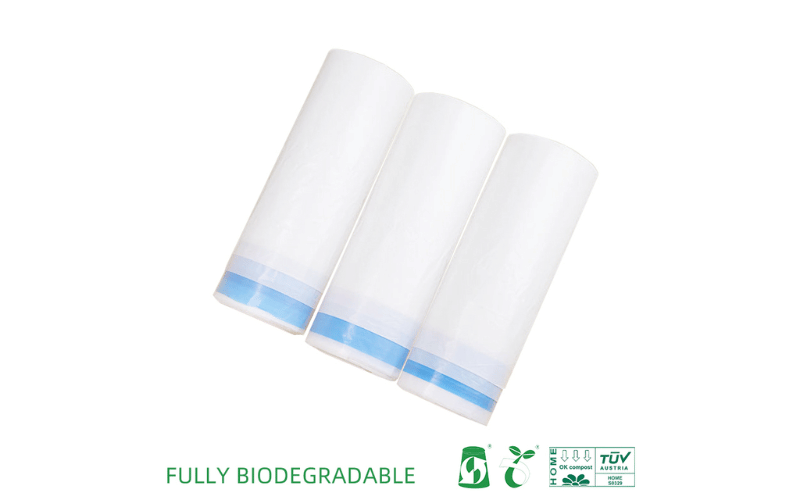
Then there are compostable bags for the eco-conscious. Certified compostable bags break down into natural elements in a commercial composting facility. These are perfect for collecting food scraps and other organic waste for municipal compost programs. The market for these is growing as more cities adopt green bin programs to divert waste from landfills.
Garbage Bags for Specific Needs
Most people don’t realize this: small features can make a big difference in how a garbage bag performs. We’re not just talking about size and strength. Specialized bags are designed to address common problems such as odors, messy closures, and recycling compliance.
Scented bags, for instance, are infused with fragrances to mask unpleasant smells from food waste or diapers. They don’t eliminate the source of the odor, but they can make the time between trash pickups more pleasant.
Drawstring closures have become a standard for kitchen bags for a reason. They make it simple and secure to tie the bag shut, providing a convenient handle for carrying. This is a huge improvement over traditional flap-ties, which can be clumsy to tie and often leave gaps that let spills or odors escape. For many, the convenience of a drawstring is well worth the slight extra cost.
Clear bags serve a specific purpose, often mandated by municipalities for recycling programs or for workplace security. They allow waste collectors to see the contents, ensuring that only recyclables are in the recycling stream.
Portable Garbage Solutions vs Traditional Bins
Here’s where portable solutions shine: they bring the trash receptacle to the mess, instead of you carrying waste across a room or yard. Park a bag holder on your patio for a barbecue, set one up at a campsite, or use one in the yard during a landscaping project.
For outdoor events or work sites, this convenience changes everything. Set up multiple lightweight, collapsible bag holders instead of lugging heavy, permanent bins. Then, simply remove the full bag and collapse the stand for easy transport. No cleaning. No heavy lifting.
For homeowners, portable solutions are great for projects like painting or spring cleaning. A freestanding bag holder keeps your hands free and the bag open, ready for debris. You can move it from room to room as you work, which is far easier than dragging your kitchen trash can around the house.
The mobility gives you flexibility that traditional bins can’t match. Hosting a party? A portable solution handles the overflow. Project finished? Fold it up and store it away. Life is dynamic, and portable garbage solutions adapt to your needs.
Specialty Garbage Bags and Indoor vs Outdoor Options
Beyond standard bags, specialty options exist for unique challenges. Odor-blocking bags use special layers or carbon technology to trap and neutralize smells, not just mask them. Leak-proof bags have reinforced seams to prevent liquids from seeping out. Pest-resistant bags are often infused with mint or other natural repellents to deter rodents and raccoons.
Specialty Bags
These bags tackle specific problems head-on. An odor-blocking bag in a diaper pail can be a game-changer. A leak-proof bag is essential for disposing of wet kitchen waste. Pest-resistant options provide peace of mind for those who store trash outdoors or in a garage between pickup days.
Indoor Use
For indoor use, aesthetics and function are equally important. Bags for kitchen and bathroom bins often prioritize odor control and reliable closures, such as drawstrings. Smaller bags (4-8 gallons) are ideal for bathrooms and offices where trash is less bulky and taken out more frequently. The focus is on clean, convenient, and contained waste management.
Outdoor Use
Outdoor bags put durability above all else. These bags need to be thick and tough to handle yard trimmings, heavy loads, and potential exposure to the elements. Large capacities (30+ gallons) are common and designed to fit large outdoor cans. Weather resistance and puncture protection are key features that ensure the bag holds up until collection day.
Choosing the Right Garbage Bag Size
List the trash cans in your home that need bags. Walk through your kitchen, bathrooms, and garage. Be honest about how much trash you generate. Most people either buy one size for everything or guess, resulting in bags that are either too small and slip on or too big and wasteful.

Measure your trash can. For round cans, measure the diameter and height. For square cans, measure the width, depth, and height. A bag’s width should be half the can’s circumference. The bag’s height should be the can’s height plus about 4-5 inches to allow for overhang and tying. Limited space? Maybe a smaller can with a smaller bag that gets taken out more often is better.
Think about access. Will you be stuffing the bag full until it’s bursting? You’ll need a strong, stretchy material. If you take it out when it’s half-full, a standard bag will do.
Quick guide:
- 4-8 Gallon: Bathrooms, home offices, small wastebaskets.
- 13 Gallon: Standard kitchen trash cans handle daily food waste and packaging.
- 30 Gallon: Larger kitchen cans, outdoor bins, major cleanup projects like parties or yard work.
- 55-Gallon: Drum liners, commercial use, major construction or landscaping debris.
When uncertain, go slightly larger. No one complains about a bag that fits perfectly. A bag that’s too small and falls in? Major headache.
Key Features Worth Checking
Material strength isn’t optional for performance and cleanliness. Quality bags use specific plastics for different jobs. High-density polyethylene (HDPE) is thin but strong and is great for paper and office waste. Low-density polyethylene (LDPE) is thicker, stretchier, and offers better puncture resistance for kitchen or outdoor use.
Closure type matters more than you’d think. Drawstring closures are easy to tie, lift, and carry. Flap-ties are more economical but less secure and can be messy to handle. Some bags have no closure, requiring you to tie a knot in the bag itself.
Tear resistance and stretchability are crucial, especially for kitchen bags. Features like flex technology allow the bag to expand around awkward objects without ripping. Reinforced bottoms or multi-ply construction help prevent leaks, which is critical for wet garbage. Water damage from a leaky bag can ruin cabinets and floors.
Eco-friendly certifications are becoming more important. Look for bags made from recycled materials to reduce plastic production. For organic waste, ensure the bag is BPI-certified compostable, which guarantees it will break down properly in an industrial composting facility. Misleading “biodegradable” claims often mean the plastic just breaks into smaller microplastics.
What You’ll Actually Pay
Costs can range from a few cents to over a dollar per bag, depending on size, features, and brand. A standard 13-gallon kitchen bag might cost 10-15 cents. A heavy-duty contractor bag could cost over $1.00. Specialty bags with odor-control properties or made from compostable materials fall somewhere in between.
Buying in bulk almost always saves money. A 40-count box from the grocery store is convenient, but a 200-count box from a warehouse club or online can cut your per-bag cost by 50% or more. If you have the storage space, buying in bulk is the most cost-effective approach.
Do the math on your usage. If you take out the kitchen trash daily, you’ll use 365 bags a year. The small price difference between a cheap, flimsy bag and a quality, reliable one becomes negligible when you consider the cost and hassle of cleaning up a single spill. Sometimes, paying a little more for quality is the smarter financial choice.
Packing Smart: Tips for Efficient Garbage Management
Use the bag’s features to your advantage. If you have a flex bag, don’t be afraid to stuff it a bit more. The material is designed to stretch. For heavy or potentially sharp loads, double-bagging is cheap insurance against a disastrous spill on your way to the curb.
Organize your waste before it even gets to the can. Keep a small compost bin on your counter and a separate container for recyclables. This reduces the volume of trash going into your main garbage bag, meaning you’ll use fewer bags over time and send less waste to the landfill.
Store extra bags at the bottom of the trash can, underneath the current bag. When you pull out a full bag, the next one is right there, ready to go. This simple trick saves you from having to hunt down the box of bags every time.
Don’t overfill your bags. It might seem efficient, but an overstuffed bag is difficult to tie, heavy to carry, and far more likely to rip. It’s better to take out a moderately full bag securely than to risk a mess with one that’s packed to the brim.
Frequently Asked Questions
What size garbage bag best fits a 13-gallon kitchen trash can?
A standard 13-gallon “tall kitchen” bag is designed for this. However, check the dimensions. Some cans are wider or taller than average. A bag that is 24 inches wide and 27-30 inches tall usually provides a good fit with enough overhang.
How do I measure my trash can for the right bag size?
For a round can, measure the diameter and multiply by 3.14 to get the circumference. Divide that by two for the bag width. For a rectangular can, add the lengths of all four sides to find the circumference. The bag height should be the can’s height plus 4-5 inches.
Are thicker garbage bags always stronger?
Not necessarily. Strength depends on the type of plastic (LDPE vs. HDPE) and features like reinforced seams or flex technology. A thinner, more flexible LDPE bag can be more puncture-resistant than a thicker, more rigid HDPE bag.
What is the best material for garbage bags for sharp trash?
Low-density polyethylene (LDPE) is the best choice. It is thick, flexible, and resists punctures. This material is used for heavy-duty contractor bags designed to handle construction debris such as nails and broken glass.
Do compostable garbage bags work for wet food scraps?
Yes, but they are designed to start breaking down when exposed to moisture and microorganisms. It’s best to take them out every 1-2 days to prevent leaks, as they begin composting in your bin.
How can I stop garbage bags from slipping into the trash can?
Choose a bag that is the correct size with enough overhang. You can also tie a knot in the bag to tighten it, use a large rubber band around the rim of the can, or buy a can with a built-in “cinch” feature to hold the bag in place.
When should I use contractor bags instead of kitchen bags?
Use contractor bags for any job involving heavy, bulky, or sharp materials. This includes demolition, construction, major yard work (like removing thorny bushes), or cleaning out a basement or garage. They prevent punctures that would shred a standard kitchen bag.
Conclusion
Choosing the right garbage bag doesn’t need to be a chore. Start with an honest look at what you’re throwing away and the cans you use. Matching the size, type, and features to your specific needs is the key to a clean, efficient, and hassle-free system. A durable, well-fitting bag protects your home from messes and smells while making taking out the trash a little easier.
Whether you’re managing a busy household, running a business, or tackling a big project, the right garbage bag is a simple but powerful tool. Armed with this guide, you can confidently select the perfect bag for your needs and budget, turning a mundane task into a smooth operation.