


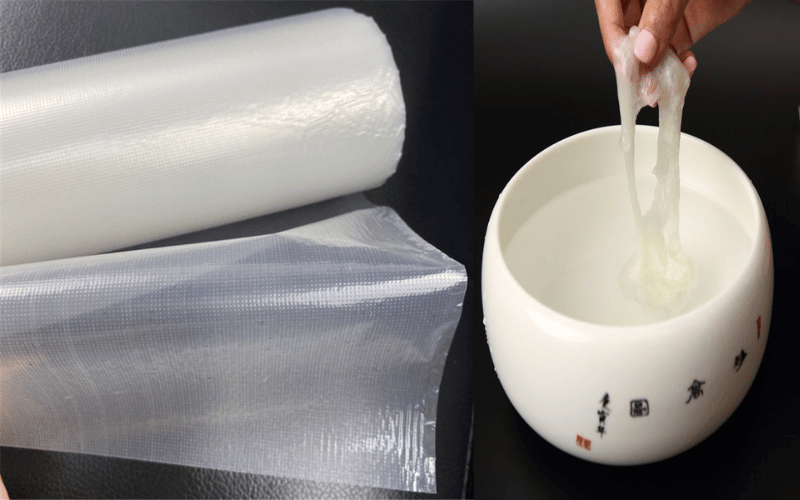
Discover the science behind PVA water-soluble film, explore its rapidly growing market, and learn why you should add this innovative material to your business offerings.
In today’s competitive industrial and consumer goods market, sustainable materials are experiencing remarkable growth. Among them, PVA water-soluble films stand out for their seamless integration of eco-friendly disposal, powerful performance, and versatile applications.
These innovative films have captivated agricultural, packaging, and healthcare industries alike. By enabling users to safely handle potent chemicals, reduce packaging waste, and improve product delivery, they have become indispensable for modern, sustainable solutions.
Whether your customers are large-scale agricultural operations or household product manufacturers, PVA films offer safe, efficient, and eco-conscious experiences that help foster brand loyalty. More importantly, they represent a highly profitable product segment with growing demand from consumers and the industry. They also provide businesses with opportunities to explore new revenue streams, expand their product lines, and enter green markets.
In this comprehensive guide, you’ll learn what PVA film is, discover why now is the ideal time to sell it, and gain insight into why it’s a valuable addition to your product line.
What Is PVA Water Soluble Film?
PVA, or Polyvinyl Alcohol, is a water-soluble synthetic polymer used to create thin films that dissolve upon contact with water. It is widely used for packaging detergents, agrochemicals, and other products to provide pre-portioned, contact-free application. Whether you’re manufacturing single-dose laundry pods, delivering agricultural treatments, or creating dissolvable medical bags, PVA film provides a safe and convenient packaging solution.
PVA film dissolves completely in water, leaving no harmful residue. You don’t need special conditions for it to work—it simply breaks down when exposed to water, releasing the contents of the package. As of today, Hongren produces a wide variety of PVA films tailored to different temperatures and applications, making them accessible to any business.
PVA is part of a broader framework of innovative polymers, but its unique combination of water solubility, biodegradability, and strength sets it apart. Different formulations, such as cold- or hot-water-soluble films, offer specific benefits for various industries. Let’s take a closer look at what distinguishes these film types.
Key Differences Between PVA Film Types
| | Cold Water Soluble Film | Hot Water Soluble Film | Biodegradable PVA Film | Industrial-Grade PVA Film |
|---|---|---|---|---|
| Solubility Temperature | Dissolves in cold water (typically below 25°C). | Requires hot water to dissolve (typically above 65°C). | Dissolves at various temperatures, designed for environmental breakdown. | Varies based on specific industrial requirements. |
| Common Applications | Laundry detergent pods, single-dose cleaning products, fish bait bags. | Medical laundry bags for contaminated linens, packaging for dyes, and industrial chemicals. | Agricultural seed tapes, eco-friendly packaging, food-grade applications. | Mold release for composites, embroidery backing, and packaging for aggressive chemicals. |
| Key Strengths | Convenient for everyday consumer use. Reduces packaging waste for household products. Offers a touch-free way to handle detergents. | Ensures safety by containing hazardous materials until they are in a controlled, hot-water wash cycle. High strength and durability for institutional use. Prevents cross-contamination in medical settings. | Fully breaks down into harmless substances (water and CO2) in soil or water. Reduces plastic pollution and supports sustainable agriculture. Can be customized for specific soil and climate conditions. | Excellent barrier properties against gases, oils, and solvents. High tensile strength and puncture resistance. Provides a clean release from molded parts without residue. |
Each of these film types is based on the same core PVA technology but is engineered for different end uses. Modern packaging solutions from Hongren often leverage specific film types to enhance safety, convenience, and sustainability. For example, a detergent manufacturer might use a cold-water-soluble film for consumer pods, while a hospital would rely on a hot-water-soluble film for handling soiled linens, ensuring the right performance for the right environment.
How PVA Water Soluble Film Works
Over the past two decades, advances in polymer science have made PVA film more versatile and cost-effective, enabling its seamless integration into automated packaging lines and consumer products. This evolution paved the way for widespread adoption, making advanced, eco-friendly packaging accessible to businesses of all sizes.
PVA’s solubility relies on its molecular structure, which is composed of vinyl alcohol monomers. A PVA film is like a tightly woven net designed to break apart when it interacts with water molecules. The polar “hydroxyl” groups (-OH) along the polymer chain are strongly attracted to the polar water molecules.
When the film is submerged, water molecules penetrate it and surround the polymer chains, breaking the bonds that hold them together. When disrupted, these bonds dissolve your PVA film, releasing its contents into the water. As this happens, the long polymer chains disperse completely, leaving a harmless, non-toxic, and biodegradable solution.
Hongren’s advanced PVA films offer controlled dissolution rates and superior strength. To enhance performance, many PVA films are engineered for specific dissolution temperatures, as mentioned above. Additionally, most films from Hongren are designed to have excellent gas barrier properties, protecting the contents from oxygen and extending shelf life. Our latest industrial-grade films go a step further, offering not only superior chemical resistance but also exceptional tensile strength. This feature provides reliable containment for even the most aggressive substances, helping users handle materials safely and efficiently.
Top Features of PVA Water Soluble Film
The unique properties of PVA films make them ideal for a range of applications, from single-use consumer products to large-scale industrial processes. Their ability to dissolve in a controlled manner offers unmatched convenience, safety, and environmental benefits.
Biodegradability
Most PVA films are fully biodegradable. Once dissolved, microorganisms in water or soil break down the polymer into carbon dioxide and water, leaving no microplastics or harmful residue behind. This feature makes it a superior alternative to traditional plastics.
Water Solubility
The defining feature of PVA film is its complete dissolvability in water. This enables precise, pre-portioned delivery of products such as detergents, pesticides, and dyes without direct human contact, enhancing safety and reducing waste.
Strength and Durability
Despite being water-soluble, PVA film is remarkably strong and puncture-resistant in its dry state. It provides a robust barrier against oils, greases, and gases, ensuring the packaged contents are protected until use.
Customizability for Applications
PVA films from Hongren can be tailored to meet specific needs. We can adjust the thickness, dissolution temperature, and tensile strength to suit various applications, from lightweight embroidery backings to heavy-duty bags for concrete additives.
Safety and Non-Toxicity
PVA is odorless, non-toxic, and has been approved for a wide range of applications, including those with indirect food contact. This makes it a safe choice for both consumer and industrial products, protecting end-users and workers from exposure to potentially harmful substances.
Excellent Barrier Properties
PVA film offers an outstanding barrier to oxygen and other gases, helping preserve the efficacy and shelf life of packaged products. This is particularly important for sensitive items like pharmaceuticals and certain food ingredients.
Anti-Static Properties
PVA film has natural anti-static properties, which prevent powder-based products from clinging to the packaging. This ensures that the full dose is released when the film dissolves, improving product efficiency.
Printability
The surface of PVA film can be printed on, allowing for branding, instructions, and other information to be added directly to the package. This enhances the product’s appearance and user experience.
Each of these features enhances the functionality of PVA film, making it an innovative solution for manufacturers, agricultural professionals, and sustainability-focused brands.
Market Trends for PVA Water Soluble Film
As sustainability and safety become global priorities, PVA water-soluble films have become indispensable for industries seeking to reduce their environmental footprint and improve operational efficiency. This integration enhances product value, appealing to eco-conscious consumers and regulated industries alike, driving significant growth in the PVA film market.
High Demand in Packaging
The push to eliminate single-use plastics has led to a sharp rise in demand for PVA films, especially for unit-dose packaging like laundry and dishwasher pods. These products provide convenience, reduce product waste, and eliminate bulky plastic containers.
Key Users: Consumer-packaged goods (CPG) companies, detergent manufacturers, and chemical suppliers use PVA film to create innovative, eco-friendly product formats that appeal to modern consumers.
Applications in Agriculture
PVA films are used to package pesticides, herbicides, and fertilizers. This allows farmworkers to drop pre-measured pouches directly into spray tanks, avoiding direct contact with chemicals and ensuring accurate dosing.
Key Users: Agrochemical companies and large-scale farming operations rely on PVA film to improve worker safety, prevent chemical spills, and optimize the application of crop treatments.
Use in Medical and Hygiene Products
Hot-water-soluble PVA laundry bags are standard in hospitals for handling contaminated linens and preventing the spread of infection. The film is also being explored for drug delivery systems and other disposable medical products.
Key Users: Healthcare facilities, laundries servicing medical institutions, and pharmaceutical companies value PVA film for its ability to ensure hygiene, safety, and contamination control.
Why Selling PVA Water Soluble Film Is a Good Business?
As of 2024, the global PVA film market is expanding rapidly, with projections showing continued strong growth. Leaders in the chemical and packaging industries are increasingly adopting this technology.
Hongren, known for its high-quality and customizable PVA films, is trusted by businesses worldwide. Our popular cold-water- and hot-water-soluble films are highly regarded for their consistent performance and reliability.
Other major players have also established a strong presence with specialized PVA films, appealing to niche markets such as 3D printing and mold-release applications.
1. Capitalizing on Eco-Friendly Trends
The global shift toward sustainability, reduced plastic waste, and green chemistry has created a thriving market for PVA films. The demand is driven by both regulatory pressures and consumer preferences, offering significant growth potential for businesses.
2. Profit Potential
High-Value Applications: Specialized PVA films for medical, agricultural, and industrial uses command premium prices, resulting in strong profit margins.
Reduced Shipping Costs: Lightweight films and concentrated product formats can lower transportation and storage expenses.
3. Loyal Customer Base
Passionate communities of environmentally conscious consumers and safety-focused industries appreciate high-quality, sustainable materials, fostering brand loyalty and encouraging repeat business.
4. Versatile Applications
PVA films serve multiple needs—from consumer convenience and packaging reduction to industrial safety and efficiency—broadening their appeal across diverse markets.
5. Differentiation and Growth Opportunities
Competitive Advantage: Offering innovative PVA film solutions with unique properties sets your business apart from competitors using traditional packaging.
Cross-Selling Potential: PVA films pair well with automated packaging machinery and complementary sustainable products, enabling diverse revenue streams.
6. Sustainable Growth
With growing global interest in the circular economy and worker safety, PVA films cater to long-term trends, ensuring a reliable and expanding market.
By combining convenience, safety, and sustainability, PVA water-soluble films cater to a wide range of needs, making them indispensable in modern industry. This convergence of functionality drives growing demand and creates substantial opportunities for businesses to thrive in the sustainable materials market.
Factors Affecting PVA Film Performance
Reliable dissolution and containment are essential for PVA films in applications ranging from detergent pods to agrochemical packaging. However, several variables can influence the film’s performance:
Water Temperature and Solubility
The primary factor is water temperature. Cold water-soluble films are designed for ambient temperatures but may dissolve more slowly in very cold water. Hot water-soluble films require elevated temperatures to break down and will not dissolve in cold water. Using the wrong film for the application can lead to incomplete dissolution or premature failure.
Film Thickness
The thickness of the PVA film directly impacts its dissolution time and strength. A thicker film will be more durable and take longer to dissolve, while a thinner film will dissolve more quickly but offer less puncture resistance.
Environmental Conditions
High humidity and ambient temperature can affect the integrity of PVA film during storage. Exposure to moisture can make the film sticky or weaken it, potentially leading to package failure before use.
Storage and Handling Practices
PVA film must be stored in a dry, climate-controlled environment, typically in sealed moisture-proof bags. Improper handling, such as touching the film with wet hands, can cause it to dissolve or become damaged.
Chemical Compatibility of Contents
The chemical composition of the packaged product can affect the film. Highly acidic or alkaline formulations, as well as certain solvents, can degrade the film over time. It is crucial to test for compatibility to ensure the package’s long-term stability.
Mechanical Stress
During the packaging process or transportation, the film can be subjected to mechanical stress. Over-stretching or abrasion can create weak points that might lead to leaks or premature rupture.
User Practices
Ensuring the film is used as directed—such as not opening pods with wet hands and using the correct water temperature—is crucial. User education helps maintain the product’s effectiveness and safety benefits.
Conclusion
From simple laundry pods to complex industrial applications, PVA water-soluble film is revolutionizing how products are packaged, used, and disposed of. This innovative material not only caters to consumer and industrial demands for safety and convenience but also creates significant opportunities for business growth and sustainability.
As the market for green solutions expands, businesses can seize this golden opportunity to thrive, while end users benefit from innovative products that promote a safer, cleaner environment. By partnering with a trusted supplier like Hongren and understanding PVA technology, you can harness its potential to stay ahead in a competitive market.