


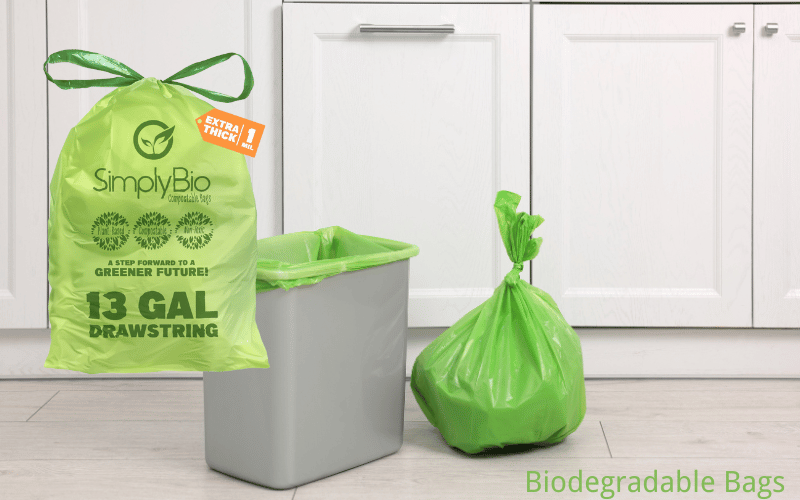
Looking to reduce your environmental footprint or simply find a more sustainable way to manage daily waste? Biodegradable bags are an excellent solution. Before making a purchase, it is essential to consider factors like material composition, certification standards, and specific decomposition requirements. This guide outlines 10 key tips to help you choose the perfect biodegradable products for your needs.
1. How Can Biodegradable Bags Benefit You?
With growing global awareness of plastic pollution and a shift towards eco-conscious living, biodegradable bags have become essential for households and businesses alike. Reliance on traditional plastics often leads to long-term environmental damage, filling landfills and polluting oceans. These issues can negatively impact local ecosystems and contribute to the broader climate crisis.
Here’s how biodegradable bags can help:
- Reduce Plastic Waste: Switching to biodegradable options significantly lowers the volume of persistent microplastics in the environment.
- Support Sustainability: Using these bags aligns your daily habits with broader goals of reducing carbon emissions and using renewable resources.
- Convenience in Composting: They make collecting organic waste for composting cleaner and easier, encouraging better waste separation.
- Safer Decomposition: Unlike plastics that linger for centuries, these bags break down into natural elements under the right conditions.
- Versatility: From shopping to pet waste, there are eco-friendly options for almost every scenario.
- Boost Brand Image: For businesses, using green packaging enhances your brand’s visual appeal and ethical standing.
- Educational Impact: Using them sets a positive example for family and community members about responsible consumption.
Want to know more about these benefits? It starts with understanding how these simple changes contribute to a healthier planet.
2. Types of Biodegradable Bags
Biodegradable bags come in several main types, categorized by their material source and intended disposal method. Whether you are looking for a simple shopping carrier or a specific kitchen waste liner, each type serves different environmental and functional requirements.
a. Plant-Based Bags
Plant-based bags, often made from materials such as cornstarch, sugarcane, or cassava, are ideal for users who prioritize renewable resources. These bags are derived from agricultural by-products rather than fossil fuels. They are generally soft to the touch and have a distinct texture. However, because they are made from natural starches, they can sometimes be more sensitive to heat and moisture than synthetic alternatives, making them best suited for short-term use.
b. Compostable Bags
This type works best when you have access to a composting environment, whether at home or an industrial facility. Compostable bags are designed to break down completely into non-toxic components—water, carbon dioxide, and biomass—within a specific timeframe. They are perfect for collecting food scraps because the entire bag can be thrown into the compost bin, reducing the “yuck” factor of kitchen waste management.
c. Oxo-Biodegradable Bags
Oxo-biodegradable bags are essentially traditional plastics with additives that accelerate fragmentation. While they break down faster than standard plastic, they don’t always decompose biologically and can leave behind microplastics. These are often used as a middle-ground solution for general waste, but are controversial in strict environmental circles. Users who need the durability of plastic but want a quicker breakdown might consider these, though true compostable options are greener.
d. Multi-Purpose Biodegradable Bags
Multi-purpose setups often require specialized bags to handle various tasks, from lining small bathroom bins to carrying heavy groceries. These bags often blend different biopolymers (such as PBAT with PLA) to balance strength and degradability. They are perfect for users who need a “do-it-all” solution that is tough enough for trash but gentle on the earth.
3. Material Composition: What to Look For?
Both plant-based plastics (such as PLA) and petroleum-based biodegradable mixtures (such as PBAT) rely on different chemical structures to achieve degradability. As long as the material’s composition is certified, both options offer a way to avoid permanent plastic waste.
In terms of user experience and lifespan, there are nuances between the two. Polylactic Acid (PLA) is rigid and commonly sourced from fermented plant starch (mostly corn). It is excellent for industrial composting but can be brittle. Polybutylene Adipate Terephthalate (PBAT), while partly derived from petrochemicals, is engineered to be fully biodegradable and adds flexibility and toughness to the bag. Often, the best bags use a blend of PLA for structure and PBAT for durability, ensuring the bag can hold weight without tearing while still breaking down effectively.
4. Can Your Usage Support Biodegradable Bags?
When deciding whether biodegradable bags are the right switch for you, it is important to evaluate your specific usage patterns and storage conditions. Most eco-friendly bags are designed for specific lifespans and environments, which can be selected based on the following conditions:
a. Daily Use
If you use bags rapidly—for daily kitchen scraps, dog walking, or high-volume retail—biodegradable bags are a highly recommended option. Since these bags naturally begin to weaken over time when exposed to moisture and organic matter, a high turnover rate is ideal. This usage method ensures you utilize the bag’s strength before the decomposition process begins, making it a seamless swap for traditional plastic in active households.
b. Heavy-Duty Use
If your disposal needs involve heavy, wet, or sharp waste, you must be more selective. Biodegradable materials, while improving, can sometimes lack the tensile strength of high-density polyethylene. For heavy-duty use, look for bags specifically rated with higher micron thickness (usually above 20 microns). If you overload a thin biodegradable bag with heavy, wet grounds or sharp packaging, it may tear. For these scenarios, “star-sealed” bottoms are often recommended to distribute weight more evenly.
c. Storage and Decomposition Conditions
If you buy in bulk and store bags for months, you need to be careful. Unlike plastic, which lasts forever, biodegradable bags have a shelf life—typically 12 to 18 months. If stored in hot, humid areas, they may begin to degrade prematurely, becoming brittle and unusable. You must have a cool, dry, dark storage space (like a pantry or cupboard away from direct sunlight) to maintain their integrity. If you cannot provide these storage conditions, buying smaller quantities more frequently is the better strategy.
5. Avoiding Common Pitfalls When Choosing Biodegradable Bags
Before purchasing biodegradable bags, double-check your requirements against the product specifications to avoid common mistakes that lead to waste and frustration:
a. Size and Thickness
Choosing the wrong size or thickness is a frequent issue. Biodegradable materials behave differently under stress than traditional plastic. A bag that is too thin (under 15 microns) may not hold wet garbage well and could leak. Ensure you check the dimensions and thickness rating. If you are between sizes, always size up to prevent overstretching, which can cause immediate rupture in bio-based materials.
b. Misleading Labels (Greenwashing)
Be wary of vague terms like “eco-friendly” or “bio-based” without certification. Some products claim to be green but are merely regular plastic with a small percentage of plant material, meaning they will never fully decompose. To avoid this pitfall, ignore the marketing slogans and look strictly for the certification logos on the box. If a product doesn’t explicitly state “compostable” with a verifying standard, it likely belongs in the trash, not the compost.
c. Improper Storage
As mentioned, treating these bags like regular plastic is a mistake. Leaving a box of biodegradable bags in a hot car, a sunlit garage, or under a sink where pipes might leak can ruin an entire batch. The heat and moisture activate the microorganisms and chemical processes intended for the compost pile. To avoid finding a roll of fused, useless bags, store them in a climate-controlled area immediately after purchase.
6. Certifications and Standards to Check
Certifications are the only way to verify that a “biodegradable” bag will actually decompose as promised. The most recognized standards are defined by international organizations. For the US market, look for ASTM D6400; for Europe, look for EN 13432. These codes certify that the product will disintegrate within a set time (usually 90-180 days) in composting conditions and leave no toxic residue.
However, there are distinctions to watch out for. A certification for “Industrial Compostable” (such as BPI in North America or the Seedling logo in Europe) means the bag requires the high heat of a commercial facility to break down. It may not decompose in a backyard heap. Conversely, “Home Compostable” (such as TUV Austria OK Compost Home) certifies that the bag will break down at the lower temperatures of a garden compost bin. Ensuring authenticity by checking for these specific codes prevents you from contaminating recycling streams or compost piles with non-degrading materials.
7. Weight and Durability Considerations
When choosing the right biodegradable bag, it is crucial to check its weight capacity and compare it with your intended load. You can typically find load ratings on the packaging. Keep these factors in mind:
a. Grocery Bags
For shopping, the bag needs to withstand the stress of box corners and the weight of cans. Biodegradable shopping bags often have a “soft” failure mode—they stretch before they tear. To ensure stability, look for bags with reinforced handles or a “T-shirt”- style design, which distributes the load more evenly. A standard bio-bag should comfortably handle 10-15 lbs, but overloading it with sharp items requires care.
b. Trash Bags
Kitchen waste is often wet and heavy. Moisture can accelerate the bag’s breakdown from the inside out. For trash liners, the bottom seal is critical. A “star seal” gathers the plastic at the center, creating eight layers of film that prevent leaks. Avoid flat-seal bags for wet waste as they are more prone to leakage at the seams. If you are disposing of particularly heavy organic waste, leave some capacity—don’t stuff the bag to the brim.
c. Specialty Bags
Bags for pet waste or nappies have different requirements. They need to be odor-blocking and durable enough to carry, but small enough to decompose quickly. These are often thinner. However, a bag that is too thin will be unpleasant to use. A good rule of thumb is to look for opaque, thicker specialized bags to ensure hygiene and durability during transport to the disposal point.
8. Key Factors for Decomposition
Biodegradable bags do not disappear by magic; they require specific environmental factors to break down. Understanding these factors ensures you dispose of them correctly.
a. Composting Conditions
Compostable bags need microbes, oxygen, and moisture to degrade. If you throw a certified compostable bag into a landfill, it may not break down as intended. Landfills are anaerobic (oxygen-poor) environments where even organic matter struggles to decompose, often releasing methane instead. These bags are designed for composting environments, so ensure you have access to a green bin service or a home compost pile.
b. Temperature Requirements
Heat is a catalyst. Industrial composting facilities maintain high temperatures (over 130°F or 55°C), which allows tough bioplastics to break down in weeks. Home compost piles rarely reach these consistent highs. If you only have a home pile, you must buy bags rated “Home Compostable.” Using an industrial-rated bag in a cold home pile might keep it intact for years.
c. Exposure Elements
Sunlight (UV radiation) and moisture are also key. Oxo-biodegradable bags, specifically, rely on UV light to start the fragmentation process. If these bags are buried immediately without exposure, they may persist. Conversely, fully compostable bags rely on microbial activity found in soil and rotting organic matter. Understanding whether your bag needs light, heat, or bugs is key to successful decomposition.
9. Preventing Misuse and Maximizing Benefits
One of the most common issues users face after purchasing biodegradable bags is “premature disintegration” or accidental contamination. This problem typically occurs due to user error rather than product failure.
a. Avoiding Contamination
Never place biodegradable bags in standard plastic recycling bins. They are chemically different from polyethylene and will contaminate the recycling stream, potentially ruining an entire batch of recycled plastic. To resolve this, educate everyone in your household: Bio-bags go in the trash or compost, never the recycling bin.
b. Proper Usage
To prevent “leakage” or sagging bottoms, change the bag more frequently. If you put wet food scraps in a compostable bin liner, moisture will begin to decompose the bag within 3-4 days. Do not wait a week to take out the compost. If you notice the bag “sweating” or feeling damp on the outside, it is already breaking down. Double-bagging can help in a pinch, but frequent disposal is the best habit.
c. Educating Users
Misuse often happens because family members or colleagues can’t tell the difference between a bio-bag and a regular one. Consider investing in bags that are clearly printed with green text or logos. This visual cue helps prevent the bag from being used for long-term storage or thrown in the wrong bin, ensuring the environmental benefits are actually realized.
10. Cost and Value Considerations
Proper cost evaluation is essential when switching to biodegradable bags. The manufacturing process for bioplastics is currently more expensive than for conventional fossil-fuel plastics. Here’s what to keep in mind:
Balancing Price and Quality
Cheaper biodegradable bags often sacrifice thickness or certification. A bag that splits on the way to the curb offers zero value and creates a mess. It is worth paying a slight premium for bags with verified thickness (e.g., 0.8 mil or higher) and recognized certifications. The frustration and cleaning costs of a broken trash bag far outweigh the pennies saved on a budget brand.
Long-Term Environmental Value
While the upfront cash cost is higher, the environmental value is significant. You are paying for the technology that enables the material to return to Earth. Buying in bulk can often bring the price per unit down to a level comparable with premium standard plastic bags. Viewed as a contribution to waste reduction, the cost reflects the value added rather than just a commodity.
Our Recommendation
We’ve covered common considerations about selecting biodegradable bags, from material types to weight specifications and disposal requirements. If you’re still unsure which bags to choose, Hongren biodegradable bags are a reliable, well-rounded option.
Hongren bags are designed with optimal thickness to prevent leaks and tears, making them suitable for both kitchen and general household use. They carry trusted certifications to ensure they break down effectively in the right environments, giving you peace of mind that you are making a genuine difference.
If you have additional questions, feel free to explore our product range to find the right sustainable solution for your lifestyle.