



Composting has long been recognized as a traditional practice for gardeners and small-scale farmers, but it is rapidly evolving into a transformative process within modern industries. As global awareness of environmental degradation and resource depletion grows, industrial sectors are actively seeking sustainable solutions for managing the mounting volumes of organic waste. Composting represents a powerful, nature-based technology that directly addresses this challenge by converting organic byproducts into highly valuable, nutrient-rich resources.
This biological process is no longer confined to backyard bins; its growing role in large-scale agriculture, municipal waste management, and renewable energy production underscores its vast economic and environmental significance. By systematically diverting organic matter from overburdened landfills and heavily polluting incinerators, industrial composting plays a foundational role in establishing a true circular economy. Understanding the underlying mechanisms, diverse applications, and profound benefits of composting is essential for any modern enterprise striving to achieve long-term sustainability, regulatory compliance, and operational efficiency in an increasingly eco-conscious global market.
What is Composting?
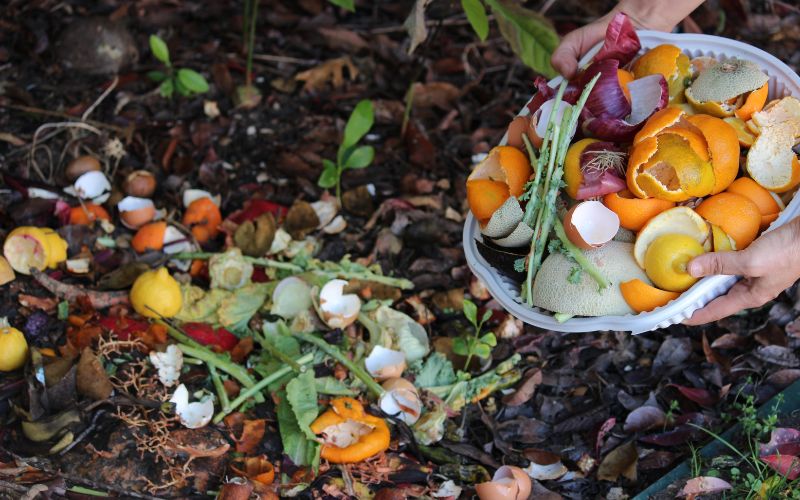
Composting is the managed biological decomposition of organic matter under controlled environmental conditions, transforming raw waste into a stabilized, dark, and earthy substance known as compost. At its core, this fundamental process relies on a complex ecosystem of microorganisms, including bacteria, fungi, and actinomycetes, which metabolize complex organic compounds and break them down into simpler, stable humic substances. To thrive and operate efficiently, these microscopic workers require a precise balance of four key components: organic waste (which provides the necessary carbon and nitrogen), oxygen (to facilitate aerobic respiration), moisture (to serve as a medium for chemical reactions), and favorable temperatures.
When these elements are properly aligned, the decomposition process accelerates rapidly, generating significant biological heat that further aids in breaking down tough cellular structures and destroying harmful pathogens or weed seeds. The ultimate purpose of composting extends far beyond mere waste disposal; it is a highly engineered recovery mechanism designed to capture and repurpose valuable organic carbon and essential nutrients. The resulting nutrient-rich compost acts as a powerful soil conditioner that dramatically improves soil structure, enhances water retention capacity, and stimulates beneficial microbial activity in agricultural lands. By stabilizing volatile organic matter, the composting process effectively prevents the unregulated release of methane—a potent greenhouse gas—that typically occurs when organic waste is left to rot anaerobically in conventional landfills. Consequently, industrial composting not only facilitates massive waste reduction and diversion but also yields a premium, market-ready product that supports regenerative agriculture, land remediation, and long-term environmental restoration.
What Materials Are Used in Composting?
The success of any composting operation, whether on a small community scale or within a massive industrial facility, depends entirely on the careful selection and precise blending of the materials introduced into the system. Composting materials are broadly categorized into two primary groups based on their chemical composition and their specific roles in the biological breakdown process: “green” materials and “brown” materials. Green materials are those that are rich in nitrogen, which serves as the crucial protein source necessary for the rapid growth and reproduction of the decomposing microorganisms. Common industrial and municipal green materials include vast quantities of food scraps from commercial kitchens and restaurants, fresh grass clippings from landscaping operations, agricultural crop residues, and concentrated coffee grounds from large-scale beverage manufacturing. These nitrogen-heavy inputs provide the immediate energy burst required to kick-start microbial metabolism and elevate the compost pile’s temperature.
Conversely, brown materials are carbon-rich substances that provide the compost pile’s foundational energy source and structural bulk. These materials include dry leaves, shredded cardboard, untreated wood chips, sawdust, straw, and agricultural stalks. The physical structure of these brown materials is vital because it creates necessary air pockets within the dense organic mass, allowing oxygen to circulate freely and supporting the aerobic bacteria that drive the decomposition.
The ultimate key to successful composting lies in achieving the optimal balance between these two categories, commonly referred to as the carbon-to-nitrogen (C:N) ratio. The ideal C:N ratio for rapid, odor-free composting generally falls between 25:1 and 30:1. If the mixture contains too much nitrogen (too many green materials), the pile can quickly become anaerobic, releasing strong ammonia odors and slimy, putrid byproducts. If the mixture contains too much carbon (too many brown materials), the microbial activity slows to a crawl, and the decomposition process can take months or even years longer than necessary. Therefore, modern industrial composting facilities employ rigorous sorting, testing, and blending protocols to ensure that the organic feedstock achieves this precise biochemical balance, resulting in highly efficient processing and a superior end product.
How is Composting Done?
The industrial composting process is a highly orchestrated sequence of biological and mechanical events designed to rapidly and safely break down immense volumes of organic waste. The methodology generally follows a series of systematic steps: collection, preparation, active decomposition (layering and aeration), and final curing. Initially, raw organic waste is collected from municipal or commercial sources and transported to the facility. Upon arrival, the material is meticulously sorted to remove non-compostable contaminants such as plastics, glass, and metals. The sorted organic matter is then heavily shredded or ground with industrial grinders to increase its surface area, making it significantly easier for microbes to attack and break down its cellular structures.
Once prepared, the material is layered or mixed into large piles, long windrows, or enclosed in-vessel systems. The active decomposition phase begins almost immediately, driven heavily by thermophilic (heat-loving) bacteria. During this phase, which can last anywhere from several weeks to a few months, the internal temperature of the compost must be carefully monitored and managed, ideally reaching between 130°F and 160°F (54°C to 71°C) to effectively kill off dangerous pathogens and unwanted weed seeds.
Aeration is a critical factor influencing the success of this phase. Because the most efficient decomposition is aerobic, oxygen must be continuously supplied to the microbes. This is achieved by physically turning the windrows using massive specialized machinery or by forcing air through the piles via extensive networks of perforated pipes. Moisture levels are also strictly regulated, aiming for a consistency similar to a wrung-out sponge (typically 40% to 60% moisture content), ensuring that the microbes have enough water to thrive without drowning and creating anaerobic conditions.
After the active thermophilic phase subsides and the temperature naturally drops, the compost enters the curing phase. This stabilization period, which can take several additional weeks or months, allows the remaining complex organic compounds to break down slowly, ensuring the final compost is biologically mature and safe for use on delicate plants. The finished product is then screened to uniform sizes, resulting in a dark, crumbly, and nutrient-dense soil amendment ready for market distribution.
Types of Composting Methods
There are several distinct methods of composting utilized across the globe, each carefully tailored to accommodate different scales of operation, specific types of organic waste, and available infrastructure. These varied approaches leverage different biological pathways and mechanical systems to achieve the ultimate goal of organic decomposition and resource recovery.
Aerobic Composting
Aerobic composting is the most widely practiced and highly efficient form of organic decomposition, relying heavily on the continuous presence of oxygen to fuel the rapid breakdown of materials. In this highly oxygenated environment, aerobic microorganisms consume organic carbon for energy, releasing carbon dioxide, water vapor, and substantial amounts of heat as natural byproducts. Because this method operates at elevated thermophilic temperatures, it is exceptionally effective at rapidly reducing waste volume, destroying harmful human and plant pathogens, and neutralizing viable weed seeds. To maintain the necessary aerobic conditions, the organic material must be turned, agitated, or actively aerated on a regular schedule. When managed correctly, aerobic composting generates minimal objectionable odors and produces a highly stable, nutrient-dense compost in a relatively short timeframe, making it the preferred baseline method for both residential and large-scale industrial operations.
Anaerobic Composting
Anaerobic composting operates in direct contrast to aerobic methods, as it involves the biological decomposition of organic matter in an oxygen-free environment. Instead of relying on oxygen-breathing microbes, this process utilizes specialized anaerobic bacteria that slowly break down the organic compounds. While this method can occur naturally in deep, undisturbed waste piles, it is typically harnessed intentionally in sealed, engineered environments known as anaerobic digesters. The primary advantage of this process is that the anaerobic bacteria produce biogas—a valuable mixture comprised primarily of methane and carbon dioxide—which can be captured, scrubbed, and burned to generate renewable electricity or thermal heat. However, the physical breakdown of the organic material is significantly slower than in aerobic systems, and the process can produce exceptionally strong, foul odors if not strictly contained. The remaining semi-solid byproduct, known as digestate, is often subjected to a subsequent aerobic curing phase before it can be safely utilized as an agricultural soil amendment.
Vermicomposting
Vermicomposting is a highly specialized and incredibly fascinating method that utilizes specific species of earthworms—most notably the red wiggler (Eisenia fetida)—to rapidly break down organic waste. In this system, the worms work synergistically with a host of natural microorganisms to consume decomposing organic matter. As the waste passes through the worms’ complex digestive tracts, it undergoes significant physical and chemical transformations. The resulting worm castings (vermicast) are extraordinarily rich in highly bioavailable plant nutrients, beneficial enzymes, and essential soil microbes. Vermicomposting typically operates at much cooler, ambient temperatures (mesophilic conditions) compared to traditional aerobic composting, which means it requires careful management to avoid introducing severe pathogens. While it is frequently utilized on a smaller scale for residential food scraps, large-scale commercial vermicomposting facilities are increasingly providing premium, high-value organic fertilizers specifically targeted toward high-yield agriculture, commercial nurseries, and the expanding organic farming sector.
Industrial Composting
Industrial composting refers to large-scale operations engineered to handle immense volumes of organic waste generated by municipal curbside collection programs, large commercial agricultural operations, and major food processing facilities. These highly advanced facilities utilize highly controlled, intensive methods to process tens of thousands of tons of organic material annually. The primary techniques employed include turned windrow composting (where waste is formed into long, triangular rows and turned by specialized tractors), aerated static pile composting (where air is mechanically forced or pulled through stationary piles using blowers), and enclosed in-vessel composting systems (where the entire process occurs inside massive rotating drums or sealed silos with precisely controlled temperature, moisture, and airflow). Industrial composting is essential for processing difficult materials that cannot break down in home bins, such as heavy yard trimmings, large tree branches, and commercially certified compostable bioplastics. These facilities play a pivotal role in modern municipal waste management strategies by keeping large volumes of organic matter out of local landfills.
How Does Composting Compare to Traditional Waste Management?
When analyzing the broad spectrum of municipal and industrial waste management, composting stands out as a highly cost-effective, environmentally regenerative, and remarkably efficient alternative to traditional disposal practices. For decades, the dominant methods of handling solid waste have been landfilling and incineration, both of which present severe, long-term environmental consequences and staggering economic costs. Landfilling organic waste essentially entombs valuable resources in deep, anaerobic environments. Deprived of oxygen, the organic matter decomposes incredibly slowly, generating massive quantities of methane gas—a greenhouse gas that is drastically more potent than carbon dioxide in its immediate climate-warming impact. Furthermore, decomposing organic matter in landfills produces toxic leachate that threatens to contaminate local groundwater supplies. Incineration, while effective at reducing overall waste volume and occasionally capturing energy, destroys the inherent nutrient value of organic matter and frequently emits harmful atmospheric pollutants and concentrated toxic ash.
In stark contrast, industrial composting represents a proactive, closed-loop approach to waste management. While the initial capital required to establish a state-of-the-art commercial composting facility can be substantial, the long-term operational costs and environmental benefits easily justify the investment. Composting effectively transforms a costly liability—organic waste disposal—into a highly marketable, revenue-generating commodity. By diverting thousands of tons of heavy, moisture-laden organic matter away from landfills, municipalities can significantly extend the operational lifespan of their existing landfill infrastructure, delaying the astronomically expensive process of siting and constructing new disposal sites. Most importantly, the widespread adoption of composting delivers profound long-term environmental benefits: it drastically reduces potent greenhouse gas emissions, safely recovers vital agricultural nutrients, and directly supports the transition toward a highly sustainable, circular economy where nothing of value is ever truly wasted.
Where is Composting Used in Modern Industries?
The integration of advanced composting practices has permeated deeply into a wide array of modern industries, fundamentally reshaping how these sectors operate, manage their waste profiles, and source their raw materials. The applications of compost and the composting process are as diverse as the industries themselves, highlighting the incredible versatility and economic viability of this biological technology.
Agriculture
The agricultural sector is by far the largest direct beneficiary and consumer of finished industrial compost. In modern intensive farming, the continuous extraction of crops rapidly depletes the soil of its natural organic matter and essential macro- and micronutrients. Chemical fertilizers can temporarily address nutrient deficits, but they fail to rebuild the soil’s critical physical structure and biological health. The widespread application of high-quality compost acts as a vital soil amendment, enriching the earth with highly stable humic substances that dramatically improve soil structure, porosity, and aeration. Furthermore, compost significantly increases the soil’s water-holding capacity, making crops substantially more resilient during periods of severe drought and reducing the need for extensive artificial irrigation. By promoting a robust, highly active microbial ecosystem in the root zone, compost helps suppress soil-borne plant diseases, enhances nutrient uptake, and ultimately leads to significantly higher crop yields and vastly improved long-term agricultural sustainability.
Waste Management
In the rapidly evolving waste management industry, composting has transitioned from a niche environmental initiative into a core, highly regulated operational strategy. As populations surge and urban centers expand, the volume of municipal solid waste generated globally has reached critical levels. Organic materials—specifically discarded food scraps, soiled paper products, and yard trimmings—frequently constitute the largest single fraction of the municipal waste stream, often accounting for more than 30% to 40% of the total municipal tonnage. Forward-thinking waste management authorities and private hauling companies are aggressively implementing widespread organic waste diversion programs to capture this material before it ever reaches a landfill. By establishing dedicated organic collection routes and routing the material to centralized industrial composting facilities, the waste management sector can dramatically reduce the total volume of waste requiring final disposal. This massive diversion significantly reduces harmful landfill methane emissions, minimizes the heavy generation of toxic leachate, and helps municipalities effortlessly meet increasingly stringent state and federal recycling and waste diversion mandates.
Energy
The intersection of composting technology and the renewable energy sector represents one of the most exciting and dynamic areas of modern industrial innovation. Specifically, through the highly controlled process of anaerobic digestion—essentially anaerobic composting—the energy industry can harness the immense power of organic decomposition to produce valuable, renewable biofuels. Large-scale anaerobic digesters are frequently co-located with large agricultural operations, modern dairy farms, and vast municipal wastewater treatment plants to process dense liquid organic waste, manure, and concentrated food-processing byproducts. As the specialized anaerobic bacteria break down these volatile organic materials, they generate massive quantities of biogas, which is primarily composed of energy-rich methane. This biogas is captured, refined, and can be used on-site to generate continuous electricity and industrial heat, or upgraded to renewable natural gas (RNG) and injected seamlessly into the existing commercial natural gas grid. This highly synergistic relationship not only provides a powerful, sustainable solution for dense organic waste but also generates a reliable, continuous stream of clean, renewable energy that actively reduces our global dependence on highly polluting fossil fuels.
Construction
While it may seem entirely counterintuitive, the heavy construction, civil engineering, and large-scale landscaping industries are increasingly relying on industrial compost to solve complex environmental and structural challenges. Major infrastructure projects, such as highway construction, large-scale commercial developments, and large-scale mining operations, frequently result in severe soil disturbance, extensive vegetation removal, and the complete degradation of local topsoil. In these highly demanding scenarios, engineered compost blends are widely used as an effective tool for severe erosion control and rapid land reclamation. Specialized compost blankets and compost-filled filter socks are applied directly to steep, highly vulnerable slopes and freshly excavated areas to instantly absorb heavy rainfall, drastically reduce the velocity of surface water runoff, and securely hold the unstable soil in place. Furthermore, because compost is rich in organic nutrients, it accelerates the re-establishment of protective native vegetation, permanently stabilizing the disrupted site. In modern urban landscaping and green building initiatives, lightweight compost blends are widely used as the foundational growing medium for advanced green roofs and complex bio-retention stormwater management systems, demonstrating that this natural material is a critical component of sustainable infrastructure.
Challenges in Composting for Industries
Despite the overwhelming environmental and economic benefits of large-scale organic decomposition, modern industries still face numerous significant, complex challenges to the widespread adoption and optimization of commercial composting practices. Perhaps the single most pervasive and costly issue facing the industrial composting sector today is the severe contamination of incoming organic feedstock. When municipalities or commercial businesses implement organic collection programs, the raw material is frequently contaminated with vast amounts of non-compostable materials, including traditional petroleum-based plastics, glass shards, metal fragments, and hazardous chemical residues. Even the increasingly popular “compostable” bioplastics often fail to break down fully within the standard operational timeframes of many industrial facilities, resulting in a degraded final product. Removing these stubborn contaminants requires installing incredibly expensive optical sorting equipment and highly intensive manual labor, significantly increasing overall operational costs and often resulting in lower-quality compost that is difficult to sell to agricultural markets.
Another major hurdle is the exceptionally high initial capital investment required to site, permit, design, and construct a state-of-the-art industrial composting facility. These massive operations require vast expanses of highly engineered land with specialized impermeable concrete pads, highly sophisticated automated aeration systems, and incredibly robust odor-control infrastructure, such as massive biofilters, to prevent severe public nuisance in surrounding communities. Navigating the incredibly complex web of local, state, and federal environmental regulations governing air quality, stormwater runoff, and solid waste permitting can be a daunting, multi-year endeavor that deters potential investors.
Furthermore, there remains a significant lack of comprehensive public awareness and dedicated organic collection infrastructure in many expansive regions worldwide. Without reliable, continuous access to a clean, well-sorted supply of organic waste and without a highly developed, robust market of agricultural and commercial buyers willing to purchase the finished compost, it remains incredibly difficult for new industrial composting ventures to achieve necessary economies of scale and long-term financial stability.
How Sustainable is Composting?
When subjected to rigorous environmental analysis and comprehensive life-cycle assessments, industrial composting unequivocally emerges as one of the most highly sustainable, regenerative, and ecologically beneficial waste management practices available in the modern world. At its very foundation, composting is an inherently renewable and highly eco-friendly process that perfectly mimics the natural biological cycles of decay and regeneration found in undisturbed forest ecosystems. By actively diverting millions of tons of heavy, volatile organic waste away from traditional, anaerobic landfills, composting directly prevents the generation and atmospheric release of methane. Because methane is a highly aggressive greenhouse gas that traps significantly more heat than carbon dioxide, minimizing its production is an absolutely critical strategy in the global fight to mitigate the accelerating impacts of catastrophic climate change.
Moreover, the widespread use of finished compost contributes significantly to the long-term sustainability and resilience of global agricultural systems. As a highly potent organic soil amendment, compost fundamentally rehabilitates degraded, overworked soils by replenishing vital organic matter and restoring complex, beneficial microbial communities. Healthy, compost-enriched soil possesses a vastly improved structure, which drastically reduces the severe impacts of topsoil erosion and agricultural nutrient runoff that so frequently pollutes vital waterways and delicate aquatic ecosystems.
Perhaps most importantly for global sustainability, applying compost to agricultural lands actively promotes significant biological carbon sequestration. By fostering robust, deep-rooted plant growth and stabilizing organic carbon within the complex soil matrix, composting actually helps to draw down excess atmospheric carbon dioxide and lock it securely away in the earth for decades or even centuries. In the broader context of the modern circular economy, composting is not merely a method of responsible waste disposal; it is a highly essential, completely regenerative loop that continuously returns vital, life-sustaining nutrients back into the food system, ensuring that the planet’s finite biological resources are utilized efficiently, responsibly, and perpetually for generations to come.
Conclusion
Industrial composting has definitively proven itself to be the unsung hero of modern sustainability, playing a profoundly pivotal role in driving significant ecological advancements across multiple global sectors. By transforming massive volumes of volatile organic waste into a highly valuable, nutrient-dense resource, composting elevates the efficiency and environmental performance of agriculture, municipal waste management, and renewable energy production. While the industry must continue to navigate complex challenges related to feedstock contamination and high infrastructure costs, the overwhelming long-term benefits—ranging from drastic greenhouse gas reductions to vital soil regeneration and biological carbon sequestration—are undeniable. Embracing these highly advanced, nature-based technologies is no longer just an environmental ideal; it is a fundamental economic necessity for any modern enterprise. As we continue to strive toward a truly circular economy, the widespread adoption and continuous optimization of industrial composting practices will remain an absolutely vital tool in fostering environmental health, transforming global industries, and securing a much greener, highly sustainable future for the entire planet.