


Eco-friendly tableware is gaining popularity as consumers and businesses seek sustainable alternatives to traditional plastic products. Materials like wheat straw, bamboo, and bioplastics are leading the way in reducing environmental impact while offering practical and stylish solutions for dining. Each material has unique benefits, from the compostable nature of wheat straw to the reusability of bamboo and the affordability of bioplastics. Understanding the differences between these options can help you make informed decisions that align with your values and needs.
Introduction to Eco-Friendly Tableware
What is Eco-Friendly Tableware?
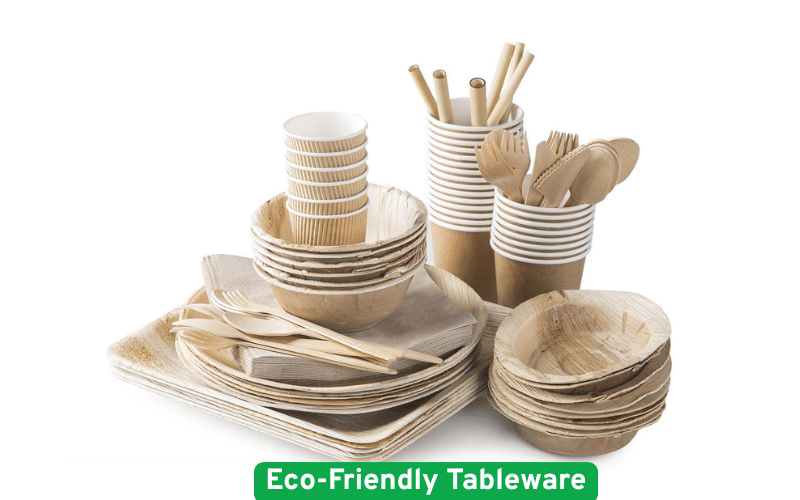
Eco-friendly tableware refers to dining utensils, plates, bowls, and other serving items made from sustainable, biodegradable, or recyclable materials. Unlike traditional tableware made from plastic or other non-renewable resources, eco-friendly options are designed to minimize environmental impact. These products are often crafted from renewable resources such as wheat straw, bamboo, sugarcane bagasse, or recycled materials, making them a sustainable choice for both personal and commercial use.
The primary goal of eco-friendly tableware is to reduce waste and pollution while offering the same functionality as conventional alternatives. These items are often compostable or recyclable, ensuring they do not contribute to the growing problem of landfill overflow. Additionally, many eco-friendly tableware options are free from harmful chemicals like BPA, making them safer for both consumers and the environment. As awareness of environmental issues grows, the demand for sustainable tableware continues to rise, making it an essential part of the shift toward greener lifestyles.
The Importance of Sustainable Materials
The use of sustainable materials in tableware is crucial for reducing the environmental footprint of everyday dining. Traditional plastic tableware, while convenient, is a major contributor to pollution due to its non-biodegradable nature. Plastic items can take hundreds of years to decompose, often breaking down into harmful microplastics that contaminate soil and water. In contrast, sustainable materials like wheat straw, bamboo, and sugarcane bagasse decompose naturally, leaving no toxic residues behind.
Sustainable materials also help conserve natural resources. For example, bamboo grows rapidly and requires minimal water, making it an excellent renewable resource for tableware production. Similarly, wheat straw is a byproduct of agriculture, repurposed into durable and biodegradable products instead of being discarded or burned. By choosing tableware made from these materials, consumers and businesses can support a circular economy, where resources are reused and waste is minimized.
Moreover, the production of eco-friendly tableware often involves lower energy consumption and fewer greenhouse gas emissions compared to traditional manufacturing processes. This makes sustainable materials not only better for the planet but also a practical solution for businesses looking to meet environmental regulations and appeal to eco-conscious customers.
Overview of Wheat Straw, Bamboo, and Plastic
-
Wheat Straw: Wheat straw is an agricultural byproduct left after harvesting wheat. Instead of being treated as waste, it is repurposed into durable, lightweight, and biodegradable tableware. Wheat straw tableware is heat-resistant, microwave-safe, and compostable, making it a versatile and eco-friendly option for both home and commercial use. Its natural composition ensures that it breaks down quickly in composting conditions, reducing waste and pollution.
-
Bamboo: Bamboo is a fast-growing, renewable resource that has become a popular material for eco-friendly tableware. Known for its strength and durability, bamboo is used to create plates, bowls, cutlery, and even reusable straws. Bamboo tableware is naturally antibacterial, lightweight, and aesthetically pleasing, making it a favorite among eco-conscious consumers. Additionally, bamboo products are biodegradable and can decompose within months under the right conditions.
-
Plastic: While traditional plastic is widely used for tableware due to its affordability and convenience, it poses significant environmental challenges. Most plastic tableware is non-biodegradable, contributing to long-term pollution. However, advancements in bioplastics, such as polylactic acid (PLA), are offering more sustainable alternatives. Bioplastics are made from renewable resources, such as corn starch, and are designed to be compostable, offering a greener alternative for those who still prefer the functionality of plastic.
By understanding the benefits and limitations of these materials, consumers and businesses can make informed decisions when choosing eco-friendly tableware. Whether opting for wheat straw, bamboo, or bioplastics, the shift toward sustainable dining solutions is a step forward in reducing environmental impact and promoting a healthier planet.
Wheat Straw Plates
Benefits of Wheat Straw
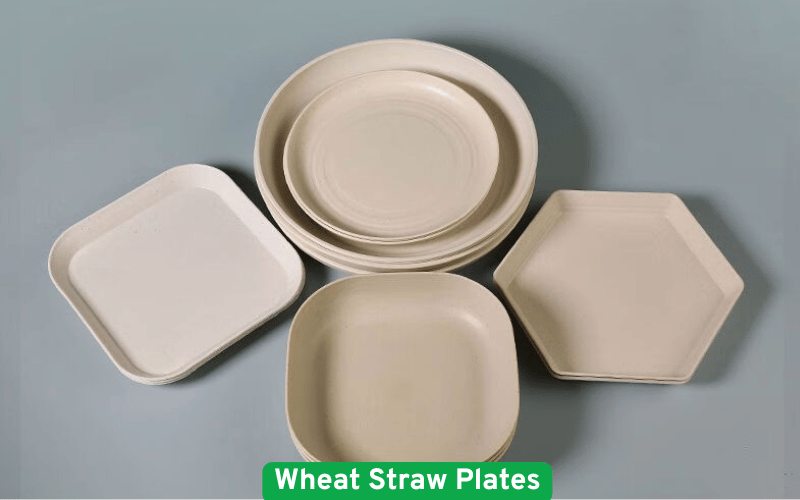
Wheat straw is an agricultural byproduct that has gained popularity as a sustainable material for eco-friendly products, including plates. Instead of being discarded or burned, wheat straw is repurposed into durable and biodegradable tableware, making it an excellent alternative to traditional materials like plastic. One of the key benefits of wheat straw is its renewable nature. As a byproduct of wheat production, it is abundantly available and does not require additional resources to cultivate, making it a low-impact material.
Wheat straw plates are also compostable, meaning they break down naturally in composting conditions without leaving harmful residues. This makes them an ideal choice for reducing waste and supporting a circular economy. Additionally, these plates are lightweight, heat-resistant, and microwave-safe, offering convenience without compromising on sustainability. Their natural composition ensures they are free from harmful chemicals like BPA, making them a safer option for food contact.
Wheat Straw Plates vs. Plastic Plates
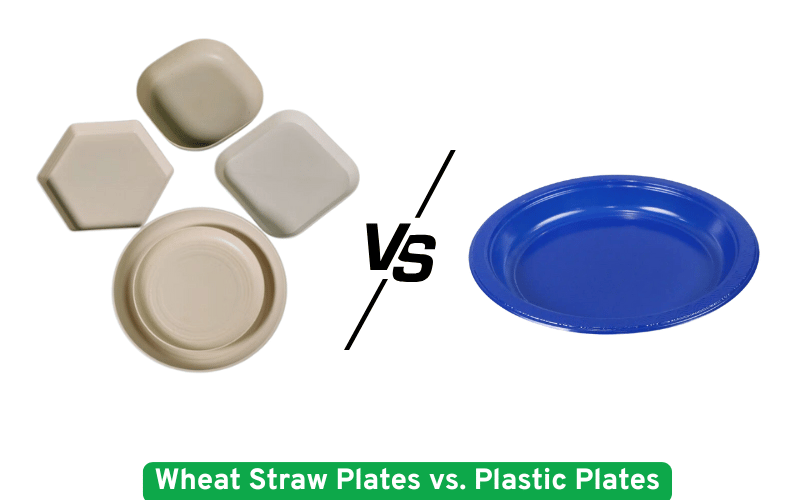
When comparing wheat straw plates to traditional plastic plates, the environmental and functional advantages of wheat straw become evident. Plastic plates, while inexpensive and widely used, are non-biodegradable and contribute significantly to pollution. They can take hundreds of years to decompose, often breaking down into microplastics that harm ecosystems. In contrast, wheat straw plates decompose within a few months under composting conditions, significantly reducing their environmental footprint.
Another key difference lies in the production process. Plastic plates are made from petroleum-based materials, which require a significant amount of energy and emit greenhouse gases during the manufacturing process. Wheat straw plates, on the other hand, are made from a renewable byproduct, requiring less energy and producing fewer emissions. This makes them a more sustainable choice for both consumers and businesses.
Functionally, wheat straw plates are just as durable and versatile as plastic plates. They are sturdy enough to hold heavy or greasy foods without bending or leaking, making them suitable for a variety of dining needs. Additionally, their natural aesthetic appeals to eco-conscious consumers, enhancing the dining experience while promoting sustainability.
Durability and Use Cases
Wheat straw plates are designed to be both durable and versatile, making them suitable for a wide range of applications. Despite being lightweight, these plates are sturdy enough to handle hot and cold foods, as well as liquids, without warping or breaking. Their heat resistance allows them to be used in microwaves, making them convenient for reheating meals. They are also freezer-safe, providing flexibility for food storage.
These plates are ideal for various settings, including casual dining, picnics, parties, and even commercial food service. Their compostable nature makes them particularly appealing for events where single-use tableware is necessary, as they can be disposed of responsibly without contributing to landfill waste. Additionally, wheat straw plates are a popular choice for eco-conscious businesses, such as cafes and catering services, looking to align with sustainability goals.
By combining durability, functionality, and environmental benefits, wheat straw plates offer a practical and sustainable alternative to traditional disposable tableware. Their versatility and eco-friendly properties make them a valuable addition to any dining setup, whether for personal use or large-scale events.
Bamboo Plates
Characteristics of Bamboo Tableware
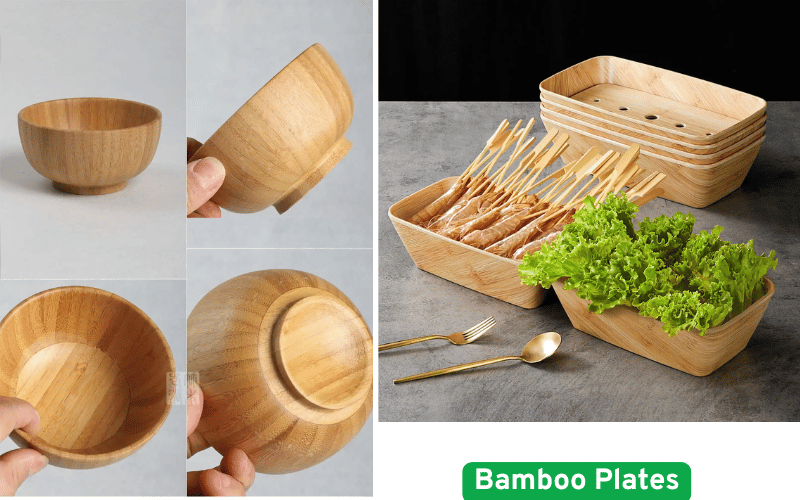
The Bamboo tableware, including plates, is known for its durability, lightweight nature, and natural aesthetic appeal. Bamboo is a fast-growing, renewable resource that requires minimal water and no pesticides, making it an environmentally friendly material for creating sustainable products. Bamboo plates are crafted from compressed bamboo fibers or laminated bamboo sheets, resulting in a sturdy and reusable product that can withstand daily use.
One of the standout features of bamboo plates is their natural antibacterial properties, which make them hygienic and safe for food contact. They are also heat-resistant, allowing them to handle hot foods without warping or releasing harmful chemicals. Additionally, bamboo plates are lightweight yet robust, making them easy to transport and ideal for both indoor and outdoor dining. Their smooth surface and natural grain patterns give them a stylish, eco-friendly look that appeals to environmentally conscious consumers.
Bamboo vs. Wheat Straw Plates
When comparing bamboo plates to wheat straw plates, both options offer unique advantages, but they cater to slightly different needs. Bamboo plates are typically more durable and reusable, making them a great choice for long-term use. They are often designed for multiple uses and can last for years with proper care, whereas wheat straw plates are generally intended for single-use or limited reuse, as they are compostable and designed to break down quickly.
In terms of aesthetics, bamboo plates have a more natural and premium appearance, often featuring visible wood grain patterns that enhance their visual appeal. Wheat straw plates, on the other hand, have a simpler, more uniform look, which is practical for casual or large-scale events. Functionally, both materials are heat-resistant and safe for food contact, but bamboo plates are better suited for heavy-duty use, while wheat straw plates excel in compostability and convenience for single-use scenarios.
From an environmental perspective, both materials are sustainable, but their end-of-life processes differ. Bamboo plates are reusable and can be composted at the end of their lifecycle, while wheat straw plates are designed to decompose quickly after use. The choice between the two often depends on the intended application and the user’s preference for reusability versus disposability.
Biodegradability and Environmental Impact
Bamboo plates are highly biodegradable, breaking down naturally into organic matter when disposed of in composting conditions. Unlike plastic tableware, which can take centuries to decompose, bamboo plates decompose within months, leaving no toxic residues behind. This makes them an excellent choice for reducing waste and supporting a circular economy.
The sustainable cultivation of bamboo further minimizes the environmental impact of bamboo plates. As one of the fastest-growing plants in the world, bamboo can be harvested without causing deforestation or soil degradation. Its ability to regenerate quickly also reduces the need for replanting, making it a low-impact resource. Additionally, the production of bamboo plates typically involves fewer chemicals and less energy compared to plastic manufacturing, resulting in lower greenhouse gas emissions.
However, it’s important to note that the biodegradability of bamboo plates depends on proper disposal. While they can decompose in home composting systems, they may not break down as efficiently in landfills due to the lack of oxygen and microbial activity. To maximize their environmental benefits, bamboo plates should be composted or repurposed whenever possible, thereby contributing to a sustainable waste management system.
Plastic Tableware
Types of Plastic Plates
Plastic tableware, including plates, is available in a wide variety of types, each designed for specific uses. The most common types include single-use disposable plates, reusable plastic plates, and bioplastic plates. Disposable plastic plates are typically made from materials like polystyrene or polypropylene and are widely used for events, picnics, and takeout services due to their affordability and convenience. However, these plates are often non-biodegradable and contribute significantly to plastic waste.
Reusable plastic plates, on the other hand, are made from more durable materials such as melamine or polycarbonate. These plates are designed for long-term use and are popular in households, cafeterias, and restaurants. They are lightweight, shatter-resistant, and easy to clean, making them a practical choice for everyday dining. Lastly, bioplastic plates, made from renewable resources like cornstarch or sugarcane, are a more sustainable alternative to traditional plastic. These plates are often compostable or biodegradable, offering an eco-friendly option for consumers seeking to reduce their environmental impact.
Environmental Concerns with Plastic
The environmental impact of plastic tableware is a significant concern, particularly for single-use items. Traditional plastic plates are made from petroleum-based materials, which are non-renewable and energy-intensive to produce. Once discarded, these plates can take hundreds of years to decompose, often breaking down into microplastics that pollute soil, water, and marine ecosystems. This long-lasting waste poses a severe threat to wildlife and contributes to the global plastic pollution crisis.
Another issue is the improper disposal of plastic tableware. Many plastic plates end up in landfills or are incinerated, releasing harmful greenhouse gases and toxic chemicals into the environment. Even when recycled, the process is often inefficient, as many types of plastic are not recyclable or become contaminated during use. This highlights the need for more sustainable alternatives and better waste management practices to address the growing problem of plastic pollution.
Comparing Plastic with Wheat Straw and Bamboo
When comparing plastic tableware to eco-friendly alternatives like wheat straw and bamboo, the differences in environmental impact and functionality are striking. Plastic plates, while affordable and widely available, are non-biodegradable and contribute significantly to pollution. In contrast, wheat straw plates are compostable and made from agricultural byproducts, offering a sustainable solution for single-use needs. They decompose naturally within months, reducing waste and supporting a circular economy.
Bamboo plates, on the other hand, are reusable and biodegradable, making them a more durable and eco-friendly option for long-term use. Unlike plastic, which can leach harmful chemicals into food, bamboo plates are free from toxins and safe for food contact. Additionally, bamboo is a renewable resource that grows quickly without the need for pesticides or excessive water, further enhancing its sustainability.
Functionally, plastic plates are lightweight and versatile, but they lack the environmental benefits of wheat straw and bamboo. Wheat straw plates are ideal for events and takeout services due to their compostable nature, while bamboo plates are better suited for households and businesses seeking reusable options. By choosing eco-friendly alternatives, consumers and businesses can significantly reduce their environmental footprint and contribute to a more sustainable future.
Comparative Analysis: Wheat Straw vs. Bamboo vs. Plastic
Cost Considerations
When comparing the cost of wheat straw, bamboo, and plastic tableware, affordability often depends on the intended use and production scale. Plastic tableware is generally the most inexpensive option, particularly for single-use items. Its low production cost and widespread availability make it a popular choice for events, takeout services, and budget-conscious consumers. However, the hidden environmental costs of plastic, such as pollution and waste management, are significant and often overlooked.
Wheat straw tableware, while slightly more expensive than plastic, offers a cost-effective solution for eco-conscious consumers and businesses. As a byproduct of wheat production, wheat straw is readily available and requires minimal processing, keeping its price relatively low. This makes it an attractive option for single-use applications, especially for events or catering services that prioritize sustainability.
Bamboo tableware, on the other hand, tends to be the most expensive of the three due to its durability and reusability. Bamboo products are often handcrafted or require more intensive processing, which increases their cost. However, their long lifespan and premium aesthetic appeal make them a worthwhile investment for households and businesses seeking high-quality, reusable tableware. While the upfront cost of bamboo plates may be higher, their reusability offsets the expense over time, making them a sustainable and economical choice in the long run.
Lightweight and Portable
In terms of weight and portability, all three materials offer distinct advantages depending on the application. Plastic plates are incredibly lightweight, making them easy to transport and ideal for large-scale events or outdoor activities. However, their lightweight nature can sometimes compromise durability, as they are prone to bending or breaking under heavy loads.
Wheat straw plates are also lightweight but offer better structural integrity compared to plastic. They are sturdy enough to hold hot or greasy foods without warping, making them a practical choice for both casual and formal dining. Their portability and compostable nature make them especially appealing for picnics, parties, and catering services.
Bamboo plates, while slightly heavier than plastic and wheat straw, are still relatively lightweight and easy to handle. Their added weight contributes to their durability, ensuring they can withstand repeated use without cracking or breaking. Bamboo’s natural strength makes it a reliable option for households and businesses that require reusable tableware, while its portability ensures it remains convenient for everyday use.
Reusable vs. Disposable Options
The choice between reusable and disposable tableware often depends on the specific needs of the user, and each material offers unique benefits in this regard. Plastic tableware is predominantly disposable, with most products designed for single use. While reusable plastic plates are available, they are less common and often lack the durability and aesthetic appeal of other materials. Disposable plastic plates contribute significantly to waste and pollution, making them a less sustainable option.
Wheat straw tableware is primarily designed for single use but stands out for its compostable properties. Unlike plastic, wheat straw plates decompose naturally within months, making them an eco-friendly alternative for disposable tableware. They are ideal for events, takeout services, and situations where convenience and sustainability are equally important.
Bamboo tableware, in contrast, is designed for long-term use. Bamboo plates are durable, reusable, and biodegradable, offering a sustainable solution for households and businesses looking to reduce waste. Their reusability makes them a cost-effective option over time, while their natural aesthetic adds a touch of elegance to any dining setup. For those seeking a balance between functionality and environmental responsibility, bamboo plates are an excellent choice.
By weighing factors such as cost, portability, and reusability, consumers and businesses can make informed decisions about which material best suits their needs. Whether prioritizing affordability, sustainability, or durability, the choice between wheat straw, bamboo, and plastic tableware offers a range of options to meet diverse requirements.
Conclusion: Making the Right Choice for Eco Tableware
Summarizing the Benefits of Each Material
When it comes to eco-friendly tableware, each material—wheat straw, bamboo, and plastic—offers unique advantages tailored to different needs. Wheat straw tableware stands out for its compostable nature and affordability, making it an excellent choice for single-use applications like events, catering, and takeout services. Its lightweight design and ability to decompose naturally within months make it a sustainable alternative to traditional disposable options.
Bamboo tableware, on the other hand, excels in durability and reusability. Its natural strength, antibacterial properties, and premium aesthetic make it ideal for households and businesses seeking long-term, eco-conscious solutions. While bamboo plates may have a higher upfront cost, their longevity and environmental benefits justify the investment over time.
Plastic tableware, though widely used for its low cost and convenience, falls short in terms of sustainability. Traditional plastic plates contribute significantly to pollution and waste, but advancements in bioplastics offer a more eco-friendly alternative. Bioplastic plates, made from renewable resources, provide a middle ground for those who prefer the functionality of plastic but want to reduce their environmental impact.
Recommendations for Consumers
Choosing the right eco-friendly tableware depends on individual priorities and use cases. For consumers hosting events or running food services, wheat straw plates are a practical and sustainable option for single-use needs. Their compostable nature ensures minimal environmental impact, making them a guilt-free choice for disposable tableware.
For households or businesses looking for reusable options, bamboo plates are highly recommended. Their durability, natural aesthetic, and biodegradability make them a versatile and eco-conscious choice for everyday dining. Bamboo tableware is particularly suitable for those who value long-term sustainability and are willing to invest in high-quality products.
Consumers who prefer the affordability and convenience of plastic should consider bioplastic alternatives. These plates offer the same functionality as traditional plastic but are made from renewable materials and designed to decompose under specific conditions. While not as sustainable as wheat straw or bamboo, bioplastics represent a step in the right direction for reducing plastic waste.
Future Trends in Eco-Friendly Dinnerware
The future of eco-friendly tableware is shaped by innovation and growing consumer demand for sustainable products. One emerging trend is the development of hybrid materials, combining the strengths of different eco-friendly resources like bamboo and wheat straw to create more versatile and durable tableware. These innovations aim to enhance functionality while maintaining environmental benefits.
Another trend is the increasing adoption of biodegradable coatings for tableware, which improve water and grease resistance without compromising compostability. This advancement makes eco-friendly plates more practical for a wider range of food applications, further encouraging their use in both personal and commercial settings.
Additionally, as awareness of environmental issues continues to grow, customized eco-friendly tableware is gaining popularity. Businesses are branding sustainable plates with eco-conscious messaging, appealing to consumers who prioritize sustainability. This not only enhances brand image but also promotes the use of environmentally responsible products.
By staying informed about these trends and understanding the benefits of each material, consumers and businesses can make choices that align with their values and contribute to a more sustainable future. Whether opting for wheat straw, bamboo, or bioplastics, the shift toward eco-friendly dinnerware is a step forward in reducing waste and protecting the planet.
Frequently Asked Questions
Q: What are wheat straw plates made of?
A: Wheat straw plates are crafted from the byproducts of wheat harvesting, specifically the stalks left after the grain is extracted. These natural fibers are processed into durable, biodegradable dinnerware, offering a sustainable and eco-friendly alternative to traditional plastic plates.
Q: Are bamboo plates biodegradable?
A: Yes, bamboo plates are fully biodegradable. Made from renewable bamboo, these plates naturally decompose over time, making them an excellent choice for reducing environmental impact and minimizing waste.
Q: How do wheat straw and bamboo plates compare in durability?
A: Both wheat straw and bamboo plates are durable, but bamboo plates are generally more robust and resistant to cracking. Wheat straw plates, while sturdy, are lighter and more flexible, making them ideal for single-use or casual dining scenarios.
Q: Can you use wheat straw dinnerware in the dishwasher?
A: Many wheat straw dinnerware products are dishwasher safe, making them convenient for everyday use. However, it’s important to check the manufacturer’s care instructions, as some items may have specific cleaning requirements to maintain their quality.
Q: What are the benefits of using bamboo disposable plates?
A: Bamboo disposable plates offer several benefits, including being made from a renewable resource, biodegradability, and sturdiness for serving food. They are an eco-friendly alternative to plastic, helping to reduce reliance on non-renewable materials and contributing to a greener planet.
Q: Are wheat straw dishes safe for food contact?
A: Yes, wheat straw dishes are completely safe for food contact. They are made from natural, non-toxic materials and are free from harmful chemicals, making them a healthier and more sustainable option compared to plastic dinnerware.
Q: Which is better for the environment: bamboo or wheat straw plates?
A: Both bamboo and wheat straw plates are eco-friendly alternatives to plastic, but their environmental benefits differ. Bamboo is a fast-growing, renewable resource that requires minimal water, while wheat straw repurposes agricultural byproducts, reducing waste. The better choice depends on personal preferences and specific needs.
Q: Can wheat straw products replace traditional plastic?
A: Yes, wheat straw products can effectively replace traditional plastic. They provide similar functionality while being biodegradable and made from renewable resources, making them a more sustainable and environmentally friendly option.
Conclusion
Choosing the right eco-friendly tableware depends on your priorities, whether it’s affordability, reusability, or sustainability. Wheat straw plates are ideal for single-use scenarios due to their compostable nature, while bamboo plates offer durability and elegance for long-term use. Bioplastics provide a middle ground for those transitioning from traditional plastic. By opting for these sustainable alternatives, you help reduce waste and contribute to a greener future.