


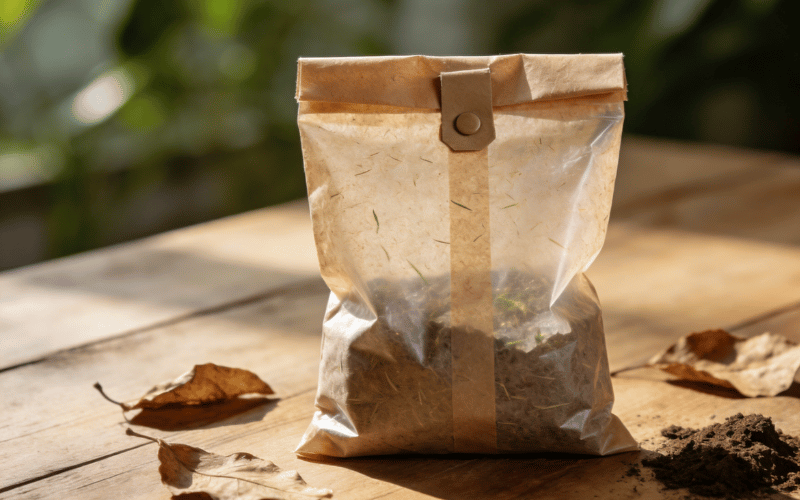
The push for a more sustainable model is a movement that we see growing day by day in our society. New trends indicate that businesses and consumers are increasingly prioritizing compostable mailing bags. These shipping solutions aim to ensure the safe and proper handling, transportation, and delivery of products to the customer’s doorstep. In this article, you will learn about the main characteristics of compostable mailing bags and their advantages for the logistics and e-commerce industries.
The growing demand for sustainable packaging is reshaping the logistics landscape. As online shopping continues to surge, consumers are increasingly concerned about the environmental impact of their deliveries. Compostable mailing bags represent a viable solution to the mounting pile of plastic waste generated by e-commerce. By adopting these eco-friendly alternatives, retailers can significantly reduce their carbon footprint and align their operations with the values of environmentally conscious shoppers who prioritize the planet alongside their purchases.
Compostable Mailing Bags: Context and History
The use of plastic in the shipping sector is vital for logistics and e-commerce. This is because plastic adequately protects products from moisture, dust, and tearing, as well as from the rigors of transit and handling. Traditional packaging, made of conventional plastic such as polyethylene, offers many advantages, as it provides physical and durability properties that preserve clothing, books, and other non-fragile goods during their journey through the supply chain.
However, the material from which these plastic mailing bags are made comes from petroleum, a non-renewable resource. In addition, once used, the durability of these containers becomes a long-lasting, persistent waste in the environment when not properly collected and managed. Billions of plastic mailers end up in landfills annually, contributing to global pollution.
In the face of this plastic packaging waste problem, measures are being taken to promote the use of compostable materials, thereby increasing the use of environmentally friendly shipping supplies. Retailers are actively seeking alternatives that offer the same protection without the environmental cost.
Concern for sustainability is a movement we see growing day by day in our society, and has become a way of life that prioritizes the care of nature and responsible consumption of resources. New trends indicate that consumers are willing to support brands that use sustainable packaging and are placing increasing importance on the need for compostable mailing bags. Consumers are increasingly concerned about the accumulation of plastic waste in the environment. It is estimated that e-commerce packaging accounts for a significant portion of municipal waste. Furthermore, most of this waste is single-use packaging designed for shipping.
What Are Compostable and Environmentally Friendly Mailing Bags?
Compostable mailing bags are packaging solutions that can be decomposed by biological agents such as water, sunlight, and microorganisms, leaving no microplastics in nature. Compostable mailing bags degrade under specific environmental conditions without generating toxic waste. However, this is a process that relies on the right environment, and unlike generic biodegradable plastics, compostable items have a clear end-of-life destination: the soil.
In contrast to packaging made of merely biodegradable material, we can find certified compostable packaging. This type of packaging becomes compost once it has been used and disposed of at the appropriate place: the brown container or a home compost bin, depending on the certification. While “biodegradable” means it breaks down eventually, “compostable” means it breaks down into organic nutrients that enrich the earth.
In contrast to simple biodegradable packaging, compostable mailing bags must comply with the requirements of standards like EN 13432 or ASTM D6400, which establishes a series of more demanding requirements, such as that the ecological packaging must convert at least 90% of its contents into compost, CO2, and water in just 6 months under industrial composting conditions.
Using compostable mailing bags offers immense environmental benefits. They help divert waste from landfills and reduce the volume of plastic pollution entering our oceans. By turning packaging into compost, we close the loop, transforming what would be trash into a valuable resource for agriculture and gardening.
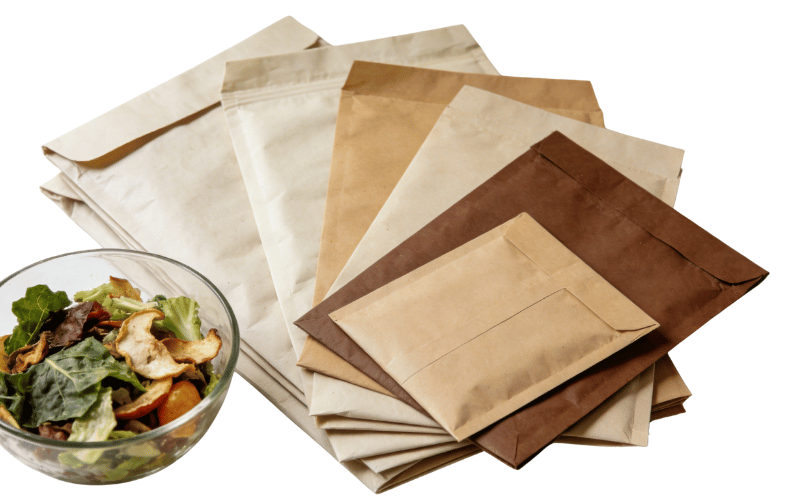
Using Compostable Mailing Bags in Shipping and E-Commerce
Nowadays, we can find more and more environmentally friendly packaging in online stores and logistics centers that seeks to be part of a production model based on the circular economy. These compostable mailing bags are designed to ensure proper and safe handling, transportation, and protection of goods until they are purchased and opened by the consumer. They are particularly popular for shipping apparel, accessories, and soft goods.
In logistics and retail, these bags play a crucial role in reducing plastic waste. By replacing traditional poly mailers with compostable alternatives, companies can drastically lower their reliance on single-use plastics. This shift is not just about waste reduction; it is about rethinking the entire lifecycle of packaging materials.
Furthermore, these bags are fully compatible with sustainable business practices. Forward-thinking companies use them as a tangible demonstration of their corporate social responsibility. Implementing compostable mailers signals to customers that a brand is committed to sustainability, fostering loyalty and trust in an increasingly eco-aware market.
Composition: Compostable and Bio-Based Materials
There are different types of environmentally friendly plastics. They can be classified by their origin (whether they come from vegetable sources) and by whether they are compostable. Some of the most frequently seen compostable mailing bags are made of biodegradable materials, bio-based materials, or both. These materials are entirely different from conventional plastic packaging, as they have a lower environmental impact.
Packaging made from these bioplastics contributes to the circular economy, since at the end of their useful life, they are converted into fertilizer, CO2, and water. When we want to define what bioplastics or compostable plastics for shipping are, it is essential to note that the material’s compostability depends on its chemical structure, not on its origin. In other words, not all polymers of plant origin (such as potato starch or sugar cane) are compostable. On the other hand, there are polymers of fossil origin that are compostable.
Bioplastics include both groups:
- Polymers whose origin is a plant source
- Polymers that comply with the EN 13432 biodegradation and composting standard, regardless of their origin.
According to various bioplastics associations, these are some types:
Compostable and bio-based plastics:
- Polylactic Acid (PLA)
- Starch mixtures (often corn or potato starch)
- Polyhydroxyalkanoates (PHA)
Compostable plastics of fossil origin:
- Polybutylene adipate terephthalate (PBAT)
- Polybutylene succinate (PBS)
- Polycaprolactone (PCL)
If you want to know more, check out the most frequently asked questions about bioplastics!
Characteristics of Compostable Mailing Bags
The main characteristic of compostable mailing bags is that they degrade through the action of microorganisms in the environment, without leaving harmful residues, such as microplastics. They are designed to break down into organic matter that improves soil health, rather than persisting as a pollutant. This biological breakdown is what sets them apart from traditional plastics.
However, compostable packaging has a virtue that goes even further toward finding a sustainable model with as little waste as possible: it degrades completely and returns to compost, water, or CO2 for plants and soils. While they may have a shorter shelf life than petroleum-based plastics, they offer sufficient durability for the shipping cycle, protecting goods from moisture and tampering just as effectively during transit.
Their compatibility with shipping requirements is high. Modern compostable mailers are rugged, flexible, and waterproof, meeting the rigorous demands of international logistics. They can be printed with eco-friendly inks and feature secure adhesive strips, ensuring that functionality is not sacrificed for sustainability.
Advantages of Compostable Mailing Bags
The use of compostable materials in the shipping and logistics industry has significant advantages. Among them are the following:
Reduced petroleum consumption: since most of the oil used in the manufacture of this type of packaging comes from plant-based sources or is reduced through bio-blends, reliance on fossil-based materials is significantly lowered. This helps mitigate the carbon footprint associated with plastic production.
Promoting the circular economy: by using plant-based, compostable materials that are subsequently turned into compost, we achieve a complete, infinite circular economy. What comes out of the earth goes back into the world. This reduces the strain on landfill capacity and promotes regenerative waste management practices.
Compliance with laws and regulations: there are more and more regulations on this matter, including European regulations such as the Green Deal and various plastic bans. Adopting compostable mailers helps businesses stay ahead of legislation and avoid potential fines or taxes on virgin plastics.
Enhanced brand perception: aligning with eco-conscious consumer values is a powerful marketing tool. Brands that switch to compostable packaging often see improved customer sentiment and loyalty, as they are viewed as responsible leaders in the fight against climate change.
Tips for Using Compostable Mailing Bags Effectively
Compostable materials have certain limitations, such as the packaging’s shelf life and lower resistance to extreme heat compared to traditional plastics. Therefore, this type of packaging should be stored in cool, dry conditions away from direct sunlight. Proper storage ensures that the bags maintain their structural integrity until they are used for shipping.
When disposing of these bags, it is crucial to follow best practices. They should be placed in a home compost bin or an industrial composting facility, depending on their specific certification (Home Compostable vs. Industrial Compostable). They should never be placed in standard plastic recycling bins, as they can contaminate the recycling stream. Educating customers on proper disposal is key to maximizing the environmental benefits.