


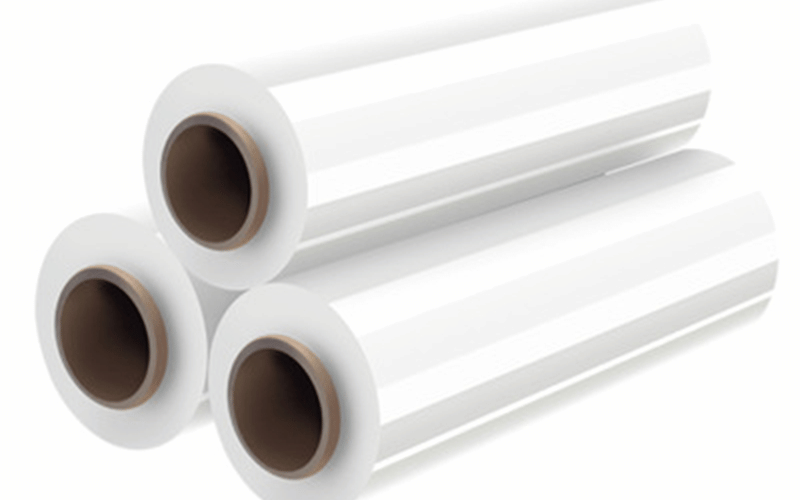
Looking to switch to eco-friendly packaging or find a sustainable film solution for your products? A PLA transparent film is an excellent solution. Before making a purchase, it’s essential to consider factors like thickness, degradation conditions, and certifications. This guide outlines 10 key tips to help you choose the perfect biodegradable film for your needs.
1. How Can PLA Transparent Film Benefit You?
With the rise of environmental awareness and global bans on plastic, biodegradable materials have become essential tools for modern businesses. Traditional plastic usage often leads to severe pollution and waste management issues. These issues can damage a brand’s reputation and undermine long-term sustainability goals.
Here’s how a PLA transparent film can help:
- Reduce carbon footprint: Switching to plant-based materials significantly lowers greenhouse gas emissions.
- Enhance brand image: Show your commitment to the planet and attract eco-conscious consumers.
- Versatile applications: Use it easily for food packaging, flower wrapping, or industrial lamination.
- High transparency: The crystal-clear clarity ensures your product looks premium and appealing.
- Safe for food contact: PLA is generally recognized as safe (GRAS), making it ideal for food industries.
- Good printability: A surface that accepts ink well enhances the visual appeal of your packaging design.
- Compostable solution: Disposing of packaging becomes more efficient and environmentally friendly.
Want to know more about these benefits? Check out our guide: 7 Reasons Why Everyone’s Choosing PLA Films.
2. The Four Main Types of PLA Transparent Film
PLA transparent films come in four main types, categorized by their properties and designed to meet various application needs. Whether you’re looking for a basic wrapping film or a specialized barrier film, each type serves different industry requirements.
a. Standard PLA Film
Standard PLA films are ideal for setups where the primary goal is basic transparency and biodegradability. They are simple and effective but may have limitations in high-heat environments or barrier properties. If advanced functionality is important, these standard films may not be the best choice for every application.
b. High-Barrier PLA Film
This type works well when basic protection is insufficient, and the product needs to be shielded from moisture or oxygen. It’s perfect for food items with short shelf lives or setups that require extended freshness, such as packaging for baked goods or snacks. For users who need more protection, consider these enhanced barrier films.
c. Heat-Sealable PLA Film
Heat-sealable films are ideal for users who frequently operate automated packaging machines across various products. These films provide maximum efficiency in production lines, whether you’re sealing bags, wrapping flow packs, or creating stand-up pouches with secure closures.
d. Compostable PLA Mulch Film
Agricultural setups often require specialized films to improve crop yield and ensure a clean, residue-free soil environment. These films are perfect for large-scale farming or gardening configurations with specific degradation needs, enabling efficient use of your land resources.
3. Mechanical vs. Heat-Sealable PLA Films: What’s the Difference?
Both mechanical PLA films (non-heat sealable) and heat-sealable PLA films rely on similar raw materials, using Polylactic Acid (PLA) to form the film’s structure. As long as the application’s requirements are within the film’s supported range, both options offer excellent transparency and comparable biodegradability.
In terms of environmental impact and visual clarity, there’s minimal difference between the two. Both types are designed to support your sustainability goals, ensuring a reliable, eco-friendly setup for your packaging operations.
4. Can Your Application Support PLA Transparent Film?
When deciding whether to use a PLA transparent film, it’s important to evaluate your product requirements and storage conditions. Most PLA films come with specific temperature and humidity guidelines, which can be selected based on the following conditions:
a. Food Packaging Applications
If your product has a short shelf life (days to weeks) and requires high visibility, PLA film is the most flexible and recommended option. This method works best for fresh produce, bakery items, or cold foods within the film’s thermal range. It doesn’t leach harmful chemicals and is breathable, making it ideal for keeping produce fresh.
b. Agricultural Mulch Applications
If your application is outdoors on soil but has specific degradation timelines (commonly 3-6 months or 6-12 months for customized crops), you can lay the film directly over the soil before planting. Depending on the climate, both standard mulch films and reinforced biodegradable films may work seamlessly.
c. Industrial Wrapping
If your product is flush against pallets or has irregular shapes, you may need to use a stretchable PLA film formulation. This application type is more demanding, so ensure the film’s tensile strength meets your needs. Avoid using it for extremely heavy loads without testing, to prevent tearing or instability during transport.
Tip: For additional guidance, check out the Hongren PLA Film Application Guide. If necessary, consider adding secondary packaging to distribute the load. These additions are often sold separately and can add cost. Alternatively, opt for a thicker PLA film with enhanced durability for added security.
d. Lamination Grade
For paper products that cannot provide sufficient barrier properties and are incompatible with traditional plastic coatings, a lamination-grade PLA film is one of the remaining options. These films are equipped with a surface that can be directly adhered to paper or cardboard. While no changes to the machinery are usually necessary, the drawback is that it requires precise temperature control.
e. Window Film for Cartons
If your box isn’t suitable for full plastic wrapping, or if you’re bothered by limited product visibility, a window patch of PLA film fixes the film directly to the carton’s cutout. This offers maximum clarity, reduces material costs, and enhances aesthetic appeal. The downside is that it requires compatible adhesives.
5. Avoiding Common Pitfalls When Choosing PLA Transparent Film
Before purchasing a PLA transparent film, double-check your application for the following potential issues to ensure a secure and effective usage:
a. Temperature Sensitivity
Environments exceeding 122°F (50°C) may reduce film stability or cause warping. Ensure your storage and transport conditions are cool and within the supported thermal limits for optimal performance.
b. Humidity Levels
Obstacles such as high-humidity storage areas may require better moisture-barrier packaging for the film rolls. To improve shelf life, you can use desiccant packs or climate-controlled warehousing to maintain a stable storage environment.
Example: High-humidity warehouses prevent long-term storage, requiring alternative logistics methods.
c. Application Surface
Certain product surfaces may not support standard PLA films well and risk reaction:
- Hot-filled liquids
- High-moisture content products (without barrier coating)
- Surfaces with sharp edges
To avoid damage, consider installing protective liners or choosing thicker gauges to resist puncture. These adjustments are often made during production, but some films are enhanced for added toughness, ensuring greater product compatibility.
6. Certifications and Standards to Check
Certifications are global standards for authenticity, defined by organizations such as BPI and TUV Austria. Most biodegradable films include logos printed on the packaging or documentation. Hongren PLA films support the most common certification standards: EN 13432 and ASTM D6400.
However, there are exceptions to watch out for:
Home vs. Industrial Compostable: Some films require high temperatures (Industrial) to break down, while others degrade in backyard bins (Home). For home-compostable setups, you’ll likely need a specific certification, such as “OK Compost Home,” which is usually specified separately.
Bio-based Content
Only the verified bio-based version can be claimed as renewable. Films with mixed additives cannot be fully certified as 100% bio-based, so it is essential to verify the composition before purchasing a sustainable film.
Regional Standards
Different markets, such as the EU, the USA, and Australia, often feature unique certification requirements. These typically require specific testing reports, which may be included with the film or requested separately. Ensure the certification aligns with both the film and your target market’s regulations to ensure a compliant product launch.
7. Choosing the Right Thickness and Specifications
When choosing the right PLA transparent film, it’s crucial to check its thickness (gauge) and compare it with your product’s protection needs. You can typically find this information on the supplier’s technical data sheet. Keep these factors in mind:
a. Heavy Products
Heavier items tend to exert more stress on the packaging, making them prone to tearing thin films. To ensure durability, add a buffer of 5–10 microns when calculating the required thickness.
b. Additional Processing
Processes such as printing (adding ink weight), laminating (adding adhesive), or bag making (adding seals) increase material stress. Be sure to account for these when selecting a suitable film grade.
c. Avoiding Performance Limits
Standard films perform poorly when the tension is too close to their upper yield strength limits. To maximize functionality and aesthetics, leave at least a 10–20% margin in the tensile strength.
Finding the Ideal Range
Most standard packaging uses films between 20 and 40 microns (excluding heavy-duty wraps). Including a safety margin for printing, a universal PLA film with a thickness of 30–50 microns is usually the most versatile choice.
Films with a thickness below 15 microns may tear during additional processing, causing production issues and reducing efficiency.
Hongren has already factored in the balance of clarity and strength for your application, so you can purchase with confidence.
A Word of Caution: Extremely thick films designed for heavy-duty use often require higher sealing temperatures to close effectively. This can cause the film to shrink or warp near the seal, making packaging difficult. Unless you’re packaging very heavy items, avoid over-specifying your film thickness, as it can lead to unnecessary material costs and suboptimal performance.
8. Key Factors for Performance and Decomposition
When choosing the right PLA transparent film, it’s crucial to check its degradation environment and compare it with your disposal method. You can typically find this information on the product’s certification label. Keep these factors in mind:
a. Temperature Exposure
Check whether the film can withstand the temperatures in your supply chain. Most PLA films soften between 113°F and 122°F (45 °C and 50 °C), so verify the film’s heat resistance in the specifications to ensure compatibility with your logistics setup.
b. Composting Timeframe
Can the film decompose within the desired timeframe? According to standard composting cycles, an optimal breakdown occurs within 90-180 days in industrial conditions. Ensure the film you choose meets these requirements, especially for certified compostable packaging.
c. Shelf Life Expectations
Most PLA films specify a shelf life for optimal usage:
- Standard Storage: Use within 6-12 months of purchase.
- Ideal Conditions: Cool, dry place away from direct sunlight.
- Sign of degradation: Brittleness or stickiness indicates the end of life.
While storage guidelines are generally similar across most manufacturers, shelf life varies significantly based on additives. For users with long inventory turnover, look for a film with stabilizers, or plan for smaller, more frequent orders.
d. Clarity and Haze
If you plan to use the film for a premium display window, ensure it is clear enough to showcase the product. High haze levels may not be displayed adequately in your retail setups. Products like the Hongren Ultra-Clear series offer lower haze values, making them more suitable for these scenarios.
e. UV Resistance
If your product is displayed near a window or outdoors, consider films with UV-blocking properties to prevent degradation. These barriers limit UV penetration and keep the product safe within the package. However, some standard models lack UV protection, meaning they are only suitable for indoor storage and cannot withstand prolonged sun exposure. If you plan to display products outdoors in the future, prioritize films with UV-resistant formulations.
9. Preventing Film Degradation
One of the most common issues users face after purchasing a PLA transparent film is “premature aging.” This problem typically occurs in two key areas:
Storage Warehouse: Excessive heat or moisture in the warehouse can cause the film roll to stick together or block.
Transit Logistics: Prolonged exposure to high temperatures during shipping can cause the film to warp or shrink.
How to Fix Degradation Issues
To resolve these issues, first adjust the storage environment to a cooler setting and check if the condition stabilizes. Some facilities require installing dehumidifiers to properly control moisture, which may strain your budget. Avoid direct sunlight, as it could accelerate the breakdown process.
If the degradation persists despite proper storage conditions, it may indicate that the film is nearing its shelf life or that environmental factors, such as humidity, have exceeded acceptable limits. Consider whether the storage is appropriate for your film’s sensitivity.
Choosing Durable PLA Films
Lower-priced PLA films often rely on basic resin blends, which may degrade faster over time. Consider investing in products with advanced stabilizers to enhance shelf stability. These formulas provide resistance against premature breakdown, ensuring longer-lasting usability and smoother processing.
Special Considerations for Hot Climates
Degradation issues are more common in tropical or hot regions. Many films that claim to support general use can do so only when the environment is controlled, restricting outdoor or non-climate-controlled use. This often leads to customer dissatisfaction. Before purchasing, check supplier recommendations to ensure the film is suitable for your climate conditions.
10. Cost and Value Considerations
Proper cost analysis is essential when using a PLA transparent film. The material’s price point and processing requirements require budgets to be flexible enough to accommodate these sustainable choices without straining profitability. Here’s what to keep in mind:
Unit Price vs. Yield
- For high-volume use: Use films with lower density to achieve higher meters per kilogram, especially for large-scale wrapping or flow-pack setups.
- For niche premium products: Higher unit costs can be justified by the marketing value of sustainability, keeping your brand image premium and responsible.
Waste Management Savings
Modern businesses often face disposal fees for traditional plastics. A PLA film that is certified compostable can efficiently reduce waste disposal costs, supporting a circular economy model. Most regions offer incentives for green materials, making them ideal for forward-thinking companies, municipalities, or eco-conscious brands.
Our Recommendation
We’ve covered common questions about selecting PLA transparent film, including barrier properties, thickness specifications, and storage options. If you’re still unsure which film to choose, the Hongren PLA Film series is a reliable, well-rounded option:
- Supports a range of applications with a thickness of 20-100 microns, making it suitable for various packaging setups.
- Features excellent clarity and printability to ensure your product stands out, especially for brands prioritizing shelf appeal.
- Includes certified compostability to protect your brand’s environmental claims and ensure compliance with global standards.
If you have additional questions, feel free to reach out to our team for personalized assistance with PLA film selection or finding the right specification for your application.
Related Posts
- A Comprehensive Guide to PVA Water Soluble Film – All You Need to Know
- What Is Bagasse? Sugarcane Fibre Explained
- Biodegradable Stand Up Pouches: Eco-Friendly Packaging Solutions
- Discovering the Future of Food Packaging: Biodegradable and Compostable Pouches
- Unveiling the Secrets: How Biodegradable Packaging is Revolutionizing the Food Industry
- Biodegradable vs Compostable: Understanding the Difference in Sustainable Waste Management
- Top 9 Biodegradable Packaging Materials: Sustainable Solutions for the Future
- The Hidden Utility of Coloured Ziplock Bags: Beyond Basic Storage