


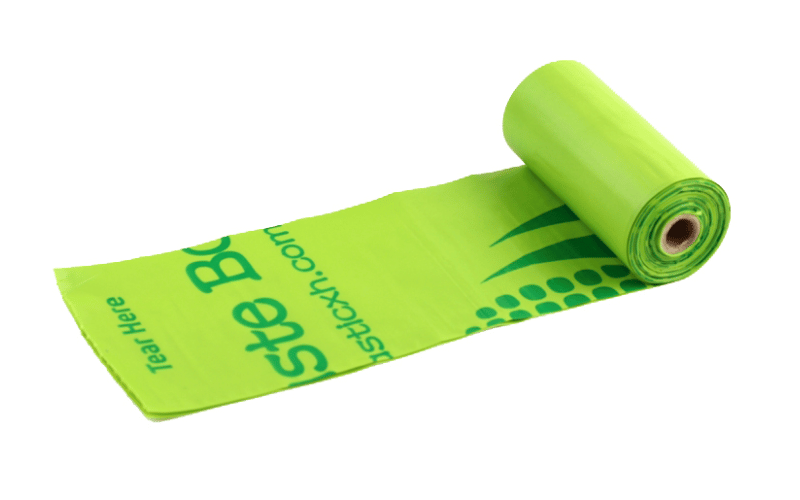
Traditional plastic garbage bags account for a large share of household waste, often serving a useful purpose for only a few days before spending centuries in a landfill. Unfortunately, this single-use convenience comes at a high environmental cost. This is where households and businesses in 2026 are increasingly turning to alternative solutions, like compostable garbage bags.
In fact, compostable garbage bags have the potential to completely transform how we manage organic waste. Compostable bags are eco-friendly alternatives made from various natural materials such as cornstarch, vegetable oils, and Polylactic Acid (PLA). They are a popular sustainable option because microorganisms can break down these materials into compost—a valuable fertilizer that enriches plants and soil. This helps reduce plastic pollution by keeping it out of waterways and landfills, while also curbing methane emissions from trapping organic waste in traditional plastics.
What Are Compostable Garbage Bags?
Traditional plastic bags can be extremely wasteful and harm ecosystems by breaking down into microplastics. For that reason, it’s important to understand what compostable garbage bags actually are and how they function within a sustainable lifestyle.
Compostable garbage bags are distinct from standard plastic bags because they are made from renewable, plant-based sources rather than petroleum. They are typically engineered to be tough enough to hold household waste but chemically structured to decompose fully. The magic happens when they are exposed to the right environment—specifically, moisture, heat, and microorganisms.
When placed in an industrial composting facility, these bags can break down into water, biomass, and carbon dioxide in as little as 90 days. Even in home composting setups, certified home-compostable bags will eventually decompose, though the process may take up to 180 days depending on the climate and pile maintenance. By breaking down completely, they return nutrients to the earth rather than sitting inert in a landfill. This cycle not only reduces the volume of garbage piling up globally but also generates nutrient-rich soil that supports future plant growth.
What Materials Are Used in Compostable Garbage Bags?
It is crucial to invest in compostable options that use the right materials for your specific needs and budget. Fortunately, innovation in bioplastics has provided several robust solutions that perform well without damaging the planet.
These materials include:
- Cornstarch and Vegetable Oils: Many bags are made from starches harvested from crops like corn or potatoes. These materials are naturally biodegradable and serve as a fantastic feedstock for creating flexible, film-like polymers.
- PLA (Polylactic Acid): This is a bioplastic derived from fermented plant sugars (often from corn or sugarcane). It is strong and versatile, often blended with other biodegradable polymers to increase flexibility.
- PBAT (Polybutylene Adipate Terephthalate): Often mixed with PLA or starch to make bags less brittle and more stretchy, PBAT is a biodegradable copolymer that helps the bag function like traditional plastic while still composting fully.
The cost of these materials has stabilized in 2026, though they remain higher than cheap fossil-fuel plastics. A compostable 13-gallon kitchen bag typically costs between $0.30 and $0.50 per unit.
| Bag Size | Estimated Cost Per Bag | Typical Use |
|---|---|---|
| 3 Gallon | $0.10 – $0.20 | Countertop compost bins |
| 13 Gallon | $0.30 – $0.50 | Standard kitchen trash |
| 30 Gallon | $0.80 – $1.20 | Yard waste / Large bins |
Compostable vs. Biodegradable Garbage Bags
Both compostable and biodegradable garbage bags break down into elements, but they differ significantly in their environmental impact. Natural microbes turn certified compostable bags into valuable fertilizer (humus) that actively improves soil quality and health. In contrast, when “biodegradable” bags break down, they may simply degrade into smaller pieces of plastic invisible to the naked eye or release chemical residues that can contaminate soil if not processed correctly.
Compostable products generally decompose according to strict standards and timelines, whereas the term “biodegradable” is less regulated. For example, a certified compostable bag is verified to degrade within a specific timeframe (usually 90-180 days) in composting conditions. On the other hand, a generic biodegradable plastic bag might take years to fully break down and offer no nutritional value to the earth. While both are better than traditional plastic, compostable packaging helps preserve the ecosystem rather than just disappearing.
The Pros and Cons of Compostable Garbage Bags
There are many benefits to switching to compostable garbage bags, but there are a few disadvantages. The main outcomes for consumers and businesses include:
Pros
- Improved brand image and eco-consciousness: Using compostable bags is an excellent way to demonstrate your commitment to the environment. For businesses, it builds customer trust; for households, it aligns daily actions with sustainability values.
- Water resistance: Modern compostable bags are breathable yet water-resistant, making them a great option for holding wet food scraps without leaking, while allowing moisture to evaporate to reduce odors.
- Reduced plastic waste: Organic waste trapped in plastic bags in landfills produces methane, a potent greenhouse gas. Composting significantly reduces methane emissions that contribute to climate change by allowing waste to break down aerobically.
- Positive effects on soil: Composting returns nutrients to the earth, reducing the need for chemical fertilizers and promoting higher yields for gardens and crops.
Cons
- Cross-contamination concerns: Contamination occurs when non-compostable items such as glass, conventional plastics, and metal twist ties are mixed into a compost bag. Consumers may miss these non-compostables during sorting. While some contaminants are removed, they can reduce the final compost quality or lead to rejection of the entire batch.
- Cost: Depending on the brand and material, compostable bags can cost 2 to 3 times as much as standard plastic bags. This price difference can be a barrier for widespread adoption.
- Limited facilities: The benefits are only realized if the bags reach a composting facility. In many regions, industrial composting infrastructure is scarce, meaning these eco-friendly bags may still end up in landfills, where they cannot function as intended.
When to Choose Compostable Garbage Bags
Compostable garbage bags have captured the imagination of environmentally-minded customers, and municipalities are taking notice. While many are moving to implement sustainable waste practices, the eco-friendly aspects of these bags can be more complicated than they seem.
The benefits of compostable bags can only be attained if they are disposed of and composted properly, as instructed by the manufacturer. For this reason, you should choose compostable garbage bags only if you have access to a municipal composting program (green bin) that accepts them, or if you maintain a robust home composting system. It is also vital to educate your family or employees about what goes in them—no plastics or metals.
Outside of that, if the bags are destined for a landfill, it makes more sense to invest in waste reduction strategies or recycled-content plastic bags, as compostable bags will not break down effectively in an anaerobic landfill environment.
Alternatives to Compostable Garbage Bags
Let’s look at some eco-friendly alternatives to compostable garbage bags:
Re-using and Liners: The most sustainable bag is often no bag at all, or a reusable one. For dry waste in offices or bathrooms, washable bin liners made from cloth or durable recycled plastic can replace single-use liners entirely. This directly reduces costs and material usage.
Biodegradable options: Similar to compostable materials, high-quality biodegradable bags (often made from recycled materials) can help reduce long-term pollution. These are a more suitable option for areas lacking composting infrastructure, provided they are disposed of responsibly.
Using other materials (newspaper, etc.): Paper is one of the world’s most biodegradable and recyclable materials. You can line your small compost bins or trash cans with old newspapers or brown paper bags. While newspaper is thinner than bioplastic, you can double-up layers to absorb moisture from food scraps.
Waste reduction: You can avoid garbage bags by reducing the amount of waste you generate. Composting food scraps directly in a pile, recycling aggressively, and avoiding over-packaged products significantly shrinks your trash output, allowing you to use fewer bags overall.
Conclusion
Traditional garbage disposal options can be extremely wasteful and harm ecosystems. So, it’s important to invest in sustainable solutions that fit your lifestyle and local infrastructure.
Compostable garbage bags offer a promising path forward in 2026, turning waste management into a regenerative process. However, they require careful use and proper disposal to truly benefit the planet. By weighing the pros and cons—and ensuring you have the right composting setup—you can make a choice that reduces your environmental footprint. Ready to optimize your household or business for a greener future? Start by evaluating your waste stream today.