


A wedding buffet winds down. Guests drop their plates into one big bin. Each plate says “compostable,” so everyone feels good about the choice.
But that label comes with conditions. A compostable plate will not vanish in a trash can on its own.
I work with caterers, food trucks, and event planners who need plates that survive service and actually break down afterward. This guide shows you what “compostable” really means, how to compare materials, how to dispose of used plates, and when they truly beat plastic.
What Compostable Plates Actually Mean
Most buyers assume “compostable,” “biodegradable,” and “recyclable” mean roughly the same thing. They don’t. Each word makes a different promise, and only one tells you where a plate should go after the meal.
Compostable vs. Biodegradable vs. Recyclable
Compostable is the strictest claim. A compostable plate breaks down into organic matter within a set timeframe under specific conditions: heat, moisture, oxygen, and active microbes. Certified products must also leave no toxic residue.
Biodegradable promises far less. Almost everything biodegrades eventually, even plastic. The term rarely comes with a timeline or required conditions. That’s why California restricts its use on plastic products.
Recyclable follows a different path. Grease and sauce contaminate paper and plant fiber, so most programs reject used plates. Coated plates face even tougher odds.
Here’s the short version I give clients. Compostable tells you where and how fast. Biodegradable tells you almost nothing. Recyclable rarely applies to a plate that has held food.
Why the Label Alone Is Not Enough
Words like “eco-friendly,” “green,” “natural,” and “plant-based” appear on many plate packages. None of them means compostable. A plant-based plate can still carry a plastic lining.
Even a genuine compostable claim depends on what happens next. “Compostable” is a conditional outcome, not an automatic benefit. The plate only does its part when it reaches a place that can finish the job.
What to Check Before You Buy Compostable Plates
A green leaf on the box proves nothing. I’ve watched planners order thousands of “eco” plates, only to learn their compost hauler wouldn’t take them. A few minutes of checking prevents that.
Certifications That Matter
Third-party certification is your first filter. It means an independent lab tested the plate, not just the brand’s marketing team.
- BPI certification is the main mark in North America. BPI tests products against ASTM standards and bans intentionally added PFAS. Look for the logo and a certificate number, then verify it in BPI’s online catalog.
- ASTM D6400 is the US standard for industrial compostability. Coated paper and fiber products fall under a related standard, ASTM D6868. Quoting a standard number is not the same as passing a certified test.
- TÜV Austria OK Compost comes in two versions. OK compost INDUSTRIAL means the plate needs a commercial facility. OK compost HOME means it can break down at backyard temperatures.
Treat standalone claims like “PFAS-free” or “home compostable” with caution. Ask for a certificate or lab report. If the seller can’t provide one, consider it marketing.
Questions to Ask Before You Order
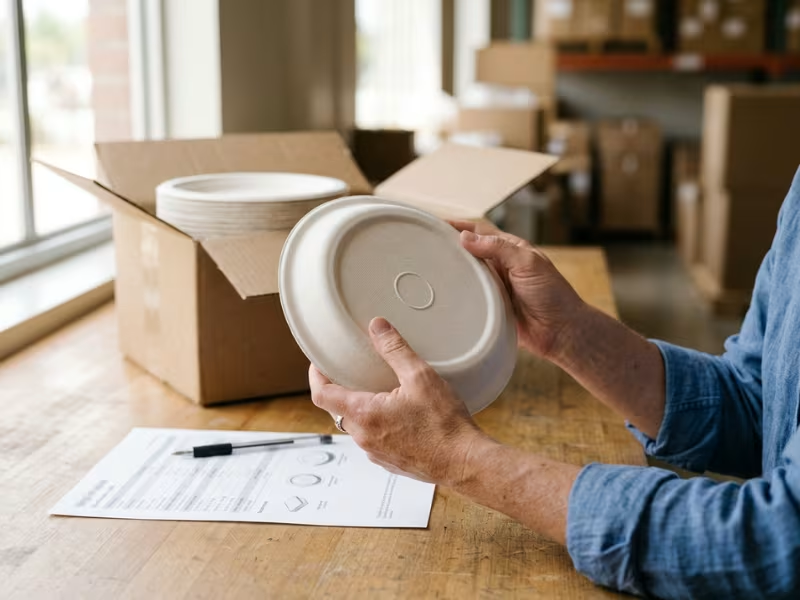
Run through this checklist with your supplier before any bulk order:
- Is it certified, or just labeled eco-friendly? Ask for the certificate number, not a sales sheet.
- Is it industrial or home compostable? Only home-certified plates belong in a backyard bin.
- Does it have a PLA lining or plastic-based barrier? Linings stop leaks but usually rule out home composting.
- Can it handle hot, oily, or wet foods? A plate that softens under chili will frustrate guests.
- Will your venue or hauler accept it? Some facilities reject all foodware, even certified items.
If you’re comparing plates with bowls, cups, and cutlery for a full event setup, review the wider range of biodegradable tableware with the same questions in mind.
Common Compostable Plate Materials and How They Differ
Once the label checks out, material becomes the big decision. I’ve seen a beautiful plate fail under a ladle of gravy and a plain one hold steady through a five-hour buffet. Here’s how each option performs where it counts.
Bagasse Plates: The Reliable Workhorse
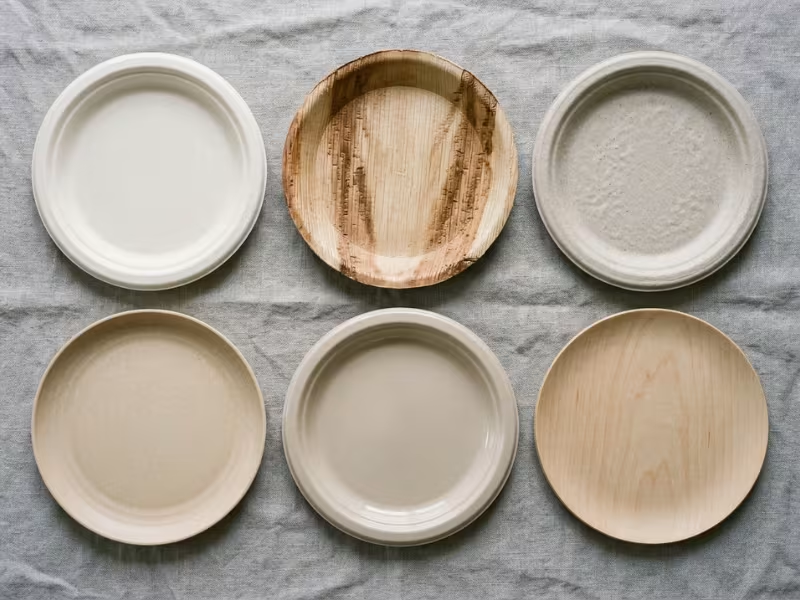
Bagasse comes from sugarcane fiber left after juice extraction. Makers pulp it, mold it, and heat-press it into smooth, clean plates in off-white or light tan.
This is the material I recommend most often. It handles curry, BBQ, and fried chicken without soaking through quickly. Most plates also tolerate short microwave reheating.
Uncoated bagasse can break down in a well-managed home pile over several months. Industrial facilities usually finish it in 60 to 90 days. Cost sits in the low-to-mid range. If you want to compare shapes and sizes, browse our sugarcane bagasse tableware options.
Best for: food trucks, catering lines, and saucy or greasy menus.

Palm Leaf Plates: The Showpiece
Palm leaf plates come from fallen areca palm leaves. Makers clean and heat-press them with no glue or coating. Each plate carries its own grain, so no two look alike.
They’re stiff and strong under heavy, hot portions. Long soaking is their weak point. A pool of soup left for an hour can soften the surface.
Palm leaf composts easily at home, often within two to three months once broken up. The catch is price, often two to three times the cost of bagasse.
Best for: weddings, upscale catering, and plated appetizers.
Molded Pulp and Wheat Straw Plates: The Budget Options
Molded pulp usually comes from recycled paper or other plant fibers. It looks plain and feels slightly rough. It’s the cheapest option, but it sags under wet or greasy food.
Wheat straw, an agricultural byproduct, looks similar to bagasse and performs closer to it for heat and grease.
Uncoated versions of both work in a home pile. Some budget plates add coatings for grease resistance, so check the label.
Best for: casual parties, school events, and dry foods like sandwiches and cake.
PLA-Lined or Bioplastic-Based Plates: The Leak Stoppers
PLA (polylactic acid) is a plant-based plastic made from corn or sugarcane starch. Manufacturers apply it as a thin, glossy lining on paper or fiber plates.
That lining blocks liquids well, which suits salads, dressings, and juicy fruit. Standard PLA can soften under very hot food, so I keep it to cold or warm dishes.
PLA needs the steady high heat of an industrial facility. It won’t break down properly in a backyard bin, and some composters reject it because it looks like regular plastic.
Best for: cold dishes at events with confirmed industrial composting.
Bamboo and Wood-Based Options: Natural Look, Mixed Results
This group includes birch or poplar veneer plates and molded bamboo fiber plates. Veneer suits dry or lightly sauced food but can crack or warp. Bamboo fiber holds up better.
One warning: many “bamboo” plates use melamine resin as a binder. Those won’t compost at all, so always confirm certification. Plain veneer composts slowly at home, while certified bamboo fiber usually needs industrial conditions.
Best for: cheese boards, desserts, and tasting events.
How to Choose the Right Compostable Plate for Different Uses
Material knowledge only pays off when you match it to a real menu. Here’s how I walk clients through the most common situations.
For Weddings, Catering, and Upscale Events
Choose palm leaf when presentation matters. The plates look intentional and photograph well on a styled buffet. Pair them with a small bagasse bowl for brothy dishes.
- Order 10-inch plates for entrées and 6- or 7-inch plates for appetizers and cake.
- Plan about 1.5 dinner plates per guest at a buffet.
- Request samples first, since color and thickness vary by batch.

For Greasy, Saucy, or Hot Food
For BBQ, curry, fried food, or chili, bagasse is the safest bet. Pick a heavier plate, because thin bagasse flexes under a full load. Compartment designs keep sauces in place and add stiffness.
For buffet lines or takeout service that needs more structure, many caterers switch to divided bagasse food trays.
Before a big order, run a quick test. Put your hottest, wettest dish on a sample plate for 30 to 45 minutes. If the bottom stays firm and dry, it passes.
For Casual Parties and Budget-Sensitive Orders
Molded pulp offers the lowest cost per plate for birthday parties, office lunches, and picnics. My favorite money-saver is a mixed order: bagasse for the main course, molded pulp for desserts and snacks. Wheat straw is a solid step up if you need more strength.
For Buyers Who Want Home Composting
Look for uncoated plates with a home compost certification, such as OK compost HOME. Skip glossy or PLA-lined products. Palm leaf and plain bagasse perform best in a backyard pile.
If you have no pile and no local program, a washable plate may serve you better.
What Happens After Use: Can Compostable Plates Really Return to the Earth?
The bin your plates land in decides their real impact. A compostable plate only delivers its environmental value when it reaches the right composting system. There are three possible endings.
Industrial Composting: Where Most Plates Are Meant to Go
Commercial facilities hold piles at about 130–160°F for weeks. Workers turn the material, manage moisture, and keep oxygen flowing. Certified plates break down in roughly 60 to 180 days.
One detail many buyers miss: some facilities finish batches in 45 to 90 days and screen out anything that hasn’t broken down. Others refuse foodware entirely. Ask your hauler three questions:
- Do you accept compostable plates?
- Do you accept PLA-lined items?
- Which certifications do you require?
If they say no to PLA, switch to uncoated bagasse or palm leaf.
Home Composting: Narrower Than the Label Suggests
Backyard piles usually run between 90 and 120°F, and cooler in winter. That’s why “compostable” doesn’t mean “backyard-friendly.”
Use this filter before a plate goes in your bin:
- Home certified? It’s a good candidate.
- Uncoated palm leaf, bagasse, or plain veneer? It will likely break down, just slowly.
- Glossy, PLA-lined, or industrial-only? Keep it out.
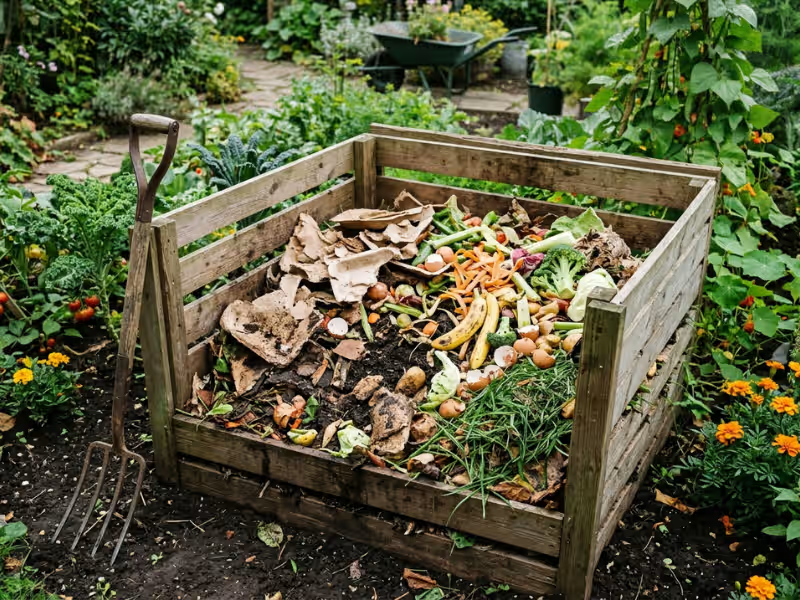
To speed things up, tear plates into small pieces, mix them with food scraps or grass clippings, keep the pile moist, and turn it every week or two. Expect two to six months.
What If They Go to Landfill?
Landfills bury and seal waste, so oxygen and active microbes stay scarce. A compostable plate can sit intact for years. When it finally breaks down without oxygen, it can release methane, a potent greenhouse gas.
Compostable plates still come from renewable or waste materials. But in a landfill, you lose the main benefit you paid for.
How to Check Local Composting Access
This takes about ten minutes:
- Search FindAComposter.com for nearby facilities and drop-off sites.
- Check your city or county waste website for curbside organics programs.
- Ask your venue or caterer who hauls their organic waste.
- For large events, book a compost hauler that offers event pickup.
On event day, place labeled compost bins beside the trash with clear signs. One stray bag of plastic can get a whole load rejected.
When Compostable Plates Make Sense — and When They Don’t
I don’t recommend compostable plates to every client. The right call depends on event size, cleanup setup, and local systems.
When They Are a Smart Choice
They shine at large events where washing isn’t realistic, like a 300-guest barn wedding, a street festival, or a busy food truck line. They work even better when food scraps already go into an organics stream. Staff skip scraping, and plates, napkins, and leftovers go into one bin.
Add a working compost system, from a city program, venue hauler, or on-site campus sorting, and these plates deliver exactly what they promise.
When Reusables Are the Better Option
For a family dinner or a backyard party of 15, use real plates. One dishwasher cycle handles the load, and a reusable plate spreads its footprint across hundreds of meals. For mid-size gatherings, renting plates from a party supplier works well too.
When Compostable Is Mostly a Marketing Signal
A box labeled “plant-based” with no BPI or TÜV mark, at an event with no compost bin, sends a message but solves nothing. Without a verified certification and a real disposal route, choose plates on performance and price alone.
Quick Comparison of Popular Compostable Plate Materials
Use this table as a first filter. Start with the “Industrial compost needed” column and match it to your disposal options. Then check heat and grease resistance against your menu, and compare cost last. Test samples before you commit.
|
Material |
Best for |
Heat/grease resistance |
Home compost potential |
Industrial compost needed |
Cost level |
Main trade-off |
|---|---|---|---|---|---|---|
|
Bagasse |
Food trucks, catering, BBQ, curry |
High |
Moderate if uncoated; several months |
Preferred; 60–90 days |
Low to mid |
Plain look; thin versions flex |
|
Palm leaf |
Weddings, upscale catering |
High; weak with long soaking |
High; 2–3 months when broken up |
No |
High (2–3x bagasse) |
Price and batch variation |
|
Molded pulp |
Casual parties, dry foods |
Low to moderate |
Good if uncoated |
No, if uncoated |
Lowest |
Sags with sauces; some hide coatings |
|
Wheat straw |
Everyday events needing more strength |
Moderate to high |
Good if uncoated |
No, if uncoated |
Low to mid |
Fewer suppliers; quality varies |
|
PLA-lined/bioplastic |
Cold dishes, salads, dressings |
Excellent for liquids; softens when very hot |
None |
Yes |
Mid to high |
Some composters reject PLA |
|
Bamboo/wood-based |
Cheese boards, desserts, tastings |
Veneer: low to moderate; bamboo fiber: moderate |
Veneer: slow; bamboo fiber: usually not |
Veneer: no; bamboo fiber: usually yes |
Moderate to high |
Melamine-bound “bamboo” won’t compost |
Frequently Asked Questions
How long do compostable plates take to break down?
In a commercial facility, most certified plates break down in 60 to 180 days. In a backyard pile, plain palm leaf or bagasse usually needs two to six months, longer in cold weather. Tearing plates into small pieces speeds things up.
Can compostable plates go in a backyard compost bin?
Only some. Choose plates with OK compost HOME certification, or plain uncoated palm leaf, bagasse, or wood veneer. Keep PLA-lined and industrial-only plates out, because backyard piles rarely get hot enough to break them down.
Are compostable plates safe for hot and greasy food?
Most quality fiber plates handle it well. Bagasse and palm leaf perform best. Molded pulp can sag under oily dishes, and PLA linings may soften with very hot food. A 30- to 45-minute sample test shows you how a plate will hold up.
Do compostable plates contain plastic or PFAS?
Some do. PLA-lined plates contain a plant-based plastic, and some cheap “bamboo” plates hide melamine. Some fiber plates once used PFAS for grease resistance. BPI no longer certifies products with intentionally added PFAS, and several states now ban PFAS in food packaging. Ask for a current certificate.
Can compostable plates be recycled?
Usually not. Food residue contaminates paper and fiber, and coatings make sorting harder. Send used plates to compost when you can. Without access, they belong in the trash, not the recycling bin.
Are palm leaf plates more sustainable than paper or plastic plates?
Often, yes. They come from naturally shed leaves, with no glue, coating, or bleach. Paper plates may use virgin pulp and plastic linings, and plastic plates start as fossil fuels. Shipping from India and Southeast Asia does add emissions, though.
What is the difference between certified compostable and home compostable?
“Certified compostable” usually means the plate passed industrial testing, such as ASTM D6400 through BPI. “Home compostable” sets a tougher bar: the plate must break down at lower backyard temperatures. An industrial certification does not cover your backyard.
The Label Starts the Story. Your Choices Finish It.
A “compostable” stamp doesn’t make a plate green. Three choices do: the material you pick, how you use it, and where it goes after the meal.
Before your next event or bulk order:
- Check the certification. Look for a BPI or TÜV Austria mark.
- Match the material to your menu. Palm leaf for presentation, bagasse for sauce, pulp for tight budgets.
- Plan the disposal route. Talk to your hauler, venue, or city program before you pay.
For catering, takeout, or branded foodservice orders, request samples and verify every composting claim first. Get those three steps right, and your plates can truly return to the soil.