


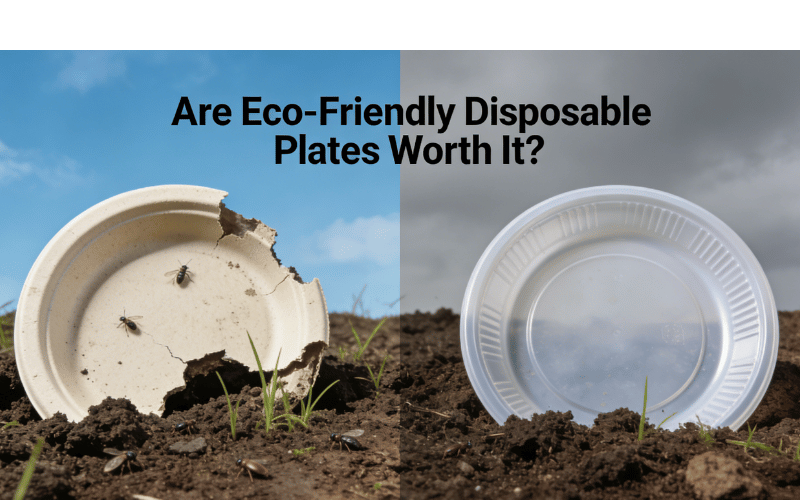
When I talk with buyers, many ask if eco-friendly disposable plates are really worth it. Some think they are just a trendy option or a luxury for the environmentally conscious. But skipping this choice often brings hidden costs and long-term environmental damage.
Yes, eco-friendly disposable plates are worth it because they reduce waste, minimize environmental impact, and support sustainable practices. Compostable plates, in particular, break down naturally, enriching the soil instead of clogging landfills. They offer a practical, guilt-free alternative for events, businesses, and everyday use.
I learned early in my work that eco-friendly plates are not just a luxury—they are an essential step toward a sustainable future. Without them, both the planet and future generations suffer. Let me share how these plates make a difference and why choosing the right compostable option matters.
Understanding Eco-Friendly Disposable Plates
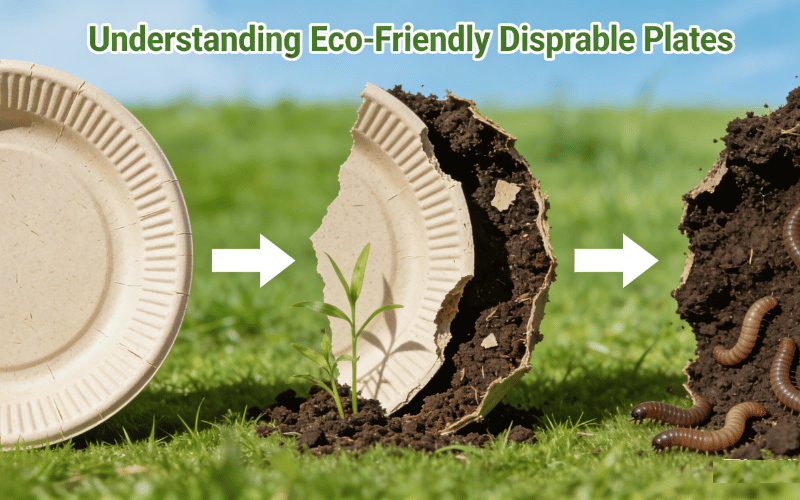
Eco-friendly disposable plates are single-use tableware designed to offer the convenience of traditional disposable products while minimizing environmental harm. Their primary purpose is to provide a sustainable alternative to plastic or polystyrene plates, which can take centuries to decompose and contribute to landfill overflow and pollution. The importance of these plates for sustainability lies in their full lifecycle, from creation to disposal. They are typically made from renewable, plant-based resources that break down naturally. For example, materials like bamboo, a rapidly growing grass, and sugarcane bagasse, a byproduct of sugar production, require fewer resources to produce than petroleum-based plastics. The key environmental benefit is their ability to be composted or to biodegrade, returning to the earth as organic matter in a relatively short period. This process avoids the long-term waste problem associated with conventional disposables and supports a more circular economy.
Definition of Disposable Plates
Disposable plates are single-use dining items designed to be thrown away after one use. Their primary purpose is to offer convenience by eliminating the need for washing dishes, making them a popular choice for large gatherings, picnics, parties, and fast-food service. However, traditional disposable plates, often made from plastic or polystyrene foam, pose significant environmental concerns. These materials are derived from non-renewable fossil fuels and can persist in landfills for hundreds of years, contributing to long-term pollution and waste accumulation.
Types of Eco-Friendly Disposable Plates
Eco-friendly disposable plates come in a variety of forms, each made from unique, sustainable materials that offer distinct advantages. These alternatives to plastic are not only better for the environment but also bring their own functional and aesthetic qualities to the table. From plates made of repurposed agricultural waste to those crafted from fast-growing plants, the options available cater to different needs, whether for a casual picnic or a more formal event.
- Bamboo Plates: Made from a highly renewable and fast-growing grass, these plates are lightweight yet durable. They have a natural, clean look and are fully biodegradable and compostable.
- Palm Leaf Plates: Created from naturally fallen palm leaves, these plates require no trees to be cut down. The leaves are cleaned and heat-pressed into shape, resulting in a rigid, chemical-free plate that is great for heavy or saucy foods and is fully compostable.
- Sugarcane (Bagasse) Plates: These are made from the fibrous pulp left over after juice is extracted from sugarcane stalks. This repurposing of an agricultural byproduct creates plates that are sturdy, grease-resistant, and suitable for hot and cold foods. They are both biodegradable and commercially compostable.
- Recycled Paper Plates: An improvement over plates made from virgin wood pulp, these divert paper from landfills. However, many are coated with plastic to prevent leaks, which can complicate their effective composting or recycling. They are best suited for dry, light foods.
Benefits of Using Compostable Paper Plates
Using compostable paper plates offers significant environmental advantages over conventional options. The primary benefit is their ability to reduce landfill strain. Unlike plastic plates that persist for centuries, compostable plates are designed to biodegrade, breaking down into natural, non-toxic components when disposed of correctly in a composting environment. This process not only diverts waste from overflowing landfills but also transforms used plates into nutrient-rich compost that can enrich soil. By returning organic matter to the earth, these plates support a healthier, more circular ecosystem and help lower the carbon footprint associated with waste management.
|
Feature |
Compostable Paper Plates |
Traditional Plastic Plates |
|---|---|---|
|
Material Source |
Plant-based (e.g., sugarcane, bamboo) |
Petroleum-based (fossil fuels) |
|
Decomposition Time |
2-6 months in a compost facility |
400+ years |
|
Environmental Impact |
Biodegrades into nutrient-rich compost, made from renewable resources. |
Leaches chemicals into soil and water; it contributes to microplastic pollution. |
|
End-of-Life |
Becomes a soil amendment through composting. |
Remains in landfill indefinitely or pollutes oceans and landscapes. |
|
Cost |
Generally, a higher upfront cost. |
Typically, a lower upfront cost. |
The Environmental Impact of Disposable Paper Plates
While often viewed as a harmless alternative to plastic, disposable paper plates exert a heavy toll on the environment. The production cycle begins with the logging of forests, driving deforestation and disrupting ecosystems to source virgin wood pulp. Manufacturing these plates is equally demanding; it takes roughly 8 gallons of water to produce just 1 pound of paper, along with significant energy to bleach and press the fibers. The impact worsens at disposal. Because many paper plates are coated with a thin plastic film to resist grease and leaks, they cannot be recycled or composted in standard facilities. Instead, they end up in landfills where they pile up by the millions. As they rot in these oxygen-starved environments, they release methane, a greenhouse gas significantly more potent than carbon dioxide, turning a momentary convenience into a lasting climate hazard.
Eco-Friendly vs. Traditional Plastic Plates
The choice between eco-friendly plates and traditional plastic plates represents a significant divide in modern consumption habits. Traditional plastic plates, typically made from petroleum-based polystyrene or polypropylene, offer convenience and low cost but carry a heavy environmental price tag, often persisting in landfills for centuries. In contrast, eco-friendly plates use renewable resources such as bamboo, palm leaves, or sugarcane bagasse. While the manufacturing of eco-friendly options focuses on sustainability and circular lifecycles, plastic production relies on the extraction of fossil fuels. Usability also varies: while plastic is uniformly lightweight and water-resistant, modern eco-friendly options have evolved to offer impressive durability and heat resistance, often surpassing the flimsiness of cheap plastic alternatives.
|
Factor |
Eco-Friendly Plates |
Traditional Plastic Plates |
|---|---|---|
|
Biodegradability |
High; most composts entirely within 2-6 months. |
None; they degrade into microplastics over 400+ years. |
|
Cost |
Higher per unit due to sustainable sourcing and processing. |
Very low cost due to mass production and cheap raw materials. |
|
Durability |
Varies; materials like palm leaf and bamboo are very sturdy. |
Generally flexible but prone to cracking or bending under weight. |
|
Heat Resistance |
Many are microwave-safe and handle hot foods well. |
It can melt, warp, or release chemicals when heated. |
|
Environmental Footprint |
Low supports renewable agriculture and reduces waste. |
High temperatures contribute to pollution, greenhouse gases, and landfill overflow. |
Waste Disposal and Its Consequences
The disposal of waste, particularly non-biodegradable materials such as plastic, poses a growing crisis for global waste management systems. Unlike organic matter that decomposes and returns nutrients to the earth, synthetic materials persist in the environment for hundreds of years. Landfills are rapidly reaching capacity, forcing municipalities to transport trash over long distances, which consumes more fuel and increases costs. Furthermore, the sheer volume of single-use plastics overwhelms recycling facilities, resulting in a significant percentage of “recyclable” items being rejected and sent to landfills or incinerators. This mismanagement creates a cycle where waste is merely moved rather than eliminated, causing long-term damage to the planet.
- Persistent Pollution: Plastics break down into microplastics that infiltrate soil and waterways, contaminating the food chain and water supplies.
- Harm to Wildlife: Animals often mistake plastic debris for food or become entangled in it, leading to injury, starvation, and death for countless marine and terrestrial species.
- Greenhouse Gas Emissions: As waste accumulates in landfills, it generates methane, a potent greenhouse gas that contributes significantly to climate change. Additionally, incinerating plastic waste releases toxic fumes and carbon dioxide into the atmosphere.
- Soil Contamination: Leaching chemicals from decomposing plastics and other synthetic materials can poison the surrounding soil, affecting agriculture and local ecosystems.
How Compostable Plates Reduce Waste
Compostable plates play a crucial role in waste reduction by transforming the end-of-life cycle from a linear path to the landfill into a circular loop of regeneration. Unlike traditional disposables that sit inert for centuries, true compostable plates are designed to break down naturally in the presence of microorganisms, heat, and moisture. This process, known as biodegradation, converts the plate material back into organic matter, water, and carbon dioxide. Instead of becoming a permanent pollutant, these plates can actually enrich the soil, turning what was once trash into a valuable resource for agriculture and gardening. This shift not only mitigates the crisis of overflowing dumpsites but also fosters a more sustainable approach to resource management.
- Reduces Landfill Volume: By diverting organic waste to composting facilities, these plates significantly decrease the amount of garbage occupying limited landfill space.
- Lowers Carbon Footprint: Composting generates far fewer greenhouse gas emissions than methane released from organic matter rotting anaerobically in landfills or from incinerating plastic.
- Supports Composting Initiatives: The demand for compostable tableware helps drive the growth of commercial composting infrastructure, making green waste disposal more accessible to communities.
- Eliminates Toxic Residue: Because they break down into natural elements, compostable plates do not leave behind microplastics or leach harmful chemicals into the environment.
Cost Analysis of Eco-Friendly Disposable Plates
Analyzing the cost of eco-friendly disposable plates reveals a complex interplay of production methods, material sourcing, and market dynamics that position them as a premium alternative to traditional options. The higher price point is primarily driven by raw material and manufacturing costs. For instance, creating plates from fallen palm leaves involves manual collection and heat-pressing, a more labor-intensive process than the automated, high-volume production of plastic plates from cheap petroleum derivatives. Similarly, sugarcane bagasse and bamboo require specific processing to be converted into durable tableware. While these materials are often agricultural byproducts or rapidly renewable resources, the smaller scale of production and specialized equipment contribute to higher initial costs. In contrast, the vast, established infrastructure for plastic manufacturing keeps the price of traditional plates artificially low. However, as consumer demand for sustainable products grows and production scales up, the price gap is gradually narrowing, with some eco-friendly options becoming more competitive, especially when purchased in bulk.
Cost of Eco-Friendly Disposable Plates vs. Traditional Options
When comparing the upfront costs, traditional disposable plates made from plastic or basic paper are almost always cheaper than their eco-friendly counterparts. The low price of conventional options is a result of decades of optimized mass production and the use of inexpensive, petroleum-based raw materials. In contrast, eco-friendly plates made from materials like palm leaf, bamboo, or sugarcane often have higher production costs due to more specialized manufacturing processes and sustainable sourcing. While the initial sticker price for green alternatives can be higher, a complete cost analysis should also account for long-term environmental expenses, which are not reflected in the shelf price of traditional plates.
|
Factor |
Eco-Friendly Plates |
Traditional Plastic/Paper Plates |
|---|---|---|
|
Price Per Unit |
Typically higher ($0.25 – $0.75+ per plate) |
Generally lower ($0.05 – $0.20 per plate) |
|
Bulk Purchase Discounts |
Available from many suppliers, helping to significantly reduce per-unit cost. |
Widely available and can make the per-unit cost extremely low. |
|
Long-Term Environmental Costs |
Low; materials are renewable, and products are biodegradable, reducing pollution and cleanup expenses. |
High; includes costs related to landfill management, microplastic pollution, and ecosystem harm. |
Long-Term Savings: Do They Save Money?
While the initial cost of eco-friendly disposable plates is often higher, they can lead to significant long-term savings when viewed through a broader economic and environmental lens. For businesses and large organizations, reducing waste volume by using compostable materials can directly lower waste disposal fees, as landfill taxes and hauling costs continue to rise. Furthermore, governments and municipalities are increasingly offering tax incentives or grants to companies that adopt sustainable practices, thereby creating a financial incentive to switch from single-use plastics. The most substantial, albeit indirect, savings come from mitigating future environmental cleanup costs. By preventing plastic pollution, we reduce the societal burden of managing contaminated waterways, protecting wildlife, and addressing the long-term health impacts of microplastics, which carry a monumental price tag for future generations.
- Reduced Commercial Waste Fees: A large event venue or corporate cafeteria that switches to compostable plates can divert tons of waste from landfills annually, resulting in lower monthly waste management bills.
- Access to Green Business Grants: A small restaurant that commits to using only compostable takeout containers may become eligible for local or state grants designed to support sustainable businesses.
- Avoiding Pollution Fines: As regulations on single-use plastics tighten, businesses that have already transitioned to eco-friendly alternatives will avoid potential fines and penalties for non-compliance.
- Enhanced Brand Reputation: A company known for its commitment to sustainability can attract more customers, leading to increased revenue that outweighs the higher initial cost of eco-friendly supplies.
Disposal Costs Associated with Different Plate Types
The disposal costs associated with different plate types extend far beyond the initial purchase price, encompassing financial and environmental expenses tied to their end-of-life journey. For traditional plastic and plastic-coated paper plates, the primary cost is linked to landfill fees, which are calculated by weight or volume and continue to rise as available space shrinks. These non-biodegradable items occupy landfill space for centuries, creating long-term management burdens. Recycling expenses for certain plastics can be high and often ineffective due to contamination. In contrast, eco-friendly compostable plates introduce a different cost structure. While they divert waste from landfills, they require access to commercial composting facilities, which charge fees to process organic materials. However, these composting costs are often competitive with or lower than landfill tipping fees and contribute to a circular economy by creating valuable soil amendment, avoiding the long-term environmental cost of plastic pollution.
|
Plate Type |
Cost Per Ton (Disposal) |
Environmental Impact |
Ease of Disposal |
|---|---|---|---|
|
Compostable Plates |
Moderate (composting facility fees) |
Low; returns nutrients to soil, reduces landfill methane. |
Requires access to commercial composting; not suitable for landfills or recycling. |
|
Plastic Plates |
High (landfill tipping fees) |
High; persists for centuries, leaches chemicals, creates microplastics. |
Easy to throw away but environmentally harmful; rarely recycled effectively. |
|
Paper Plates (Coated) |
High (landfill tipping fees) |
Moderate to High; releases methane in landfills, not recyclable or compostable. |
Easy to throw away, but contributes directly to landfill volume. |
Choosing the Right Type of Disposable Plates
Choosing the right disposable plates requires balancing practicality with personal values. The ideal choice depends on several factors, starting with the material. Options range from traditional plastic and paper to eco-friendly alternatives like bamboo, palm leaf, and sugarcane bagasse. Durability is another key consideration; for heavy or saucy foods, a sturdy plate made from palm leaf or bagasse is far more reliable than a standard flimsy paper plate. Cost is always a factor, with plastic plates being the cheapest upfront, while sustainable options carry a higher price tag. Finally, the environmental impact is a crucial point. If sustainability is a priority, selecting plates that are compostable or made from renewable resources is essential to minimize landfill waste.
To help you make the best choice for your needs, consider these questions:
- What type of food will be served? Heavy, wet, or greasy foods require a more durable and leak-resistant plate.
- What is the theme or formality of the event? The natural, elegant look of palm leaf or bamboo plates can enhance an event’s aesthetic.
- What is your budget? Determine the cost per plate and whether a higher upfront investment in eco-friendly options aligns with your spending plan.
- How will the plates be disposed of? If you have access to a commercial composting facility, compostable plates are an excellent choice. If not, their environmental benefit is reduced.
- Is the plate truly eco-friendly? Look for certifications and clear information about whether it is biodegradable, compostable, or made from recycled materials.
Comparison of Bamboo and Fiber Plates
When selecting an eco-friendly disposable plate, bamboo and fiber plates are two of the most popular and effective options. Bamboo plates are typically crafted from the sheath of bamboo plants, a rapidly renewable grass, giving them a lightweight yet impressively strong structure. Fiber plates, most commonly made from sugarcane bagasse (the fibrous pulp left after juice extraction), repurpose an agricultural byproduct that would otherwise be discarded. In terms of durability, both perform exceptionally well. Bamboo offers a rigid, wood-like feel, while bagasse provides excellent resistance to grease and moisture, making both suitable for heavy or saucy meals. Environmentally, both are strong contenders; bamboo is celebrated for its fast growth with minimal need for pesticides, and fiber plates shine by turning agricultural waste into a valuable product, reducing landfill burden.
|
Factor |
Bamboo Plates |
Fiber (Sugarcane Bagasse) Plates |
|---|---|---|
|
Cost |
Generally higher; considered a premium option. |
More budget-friendly and cost-effective in bulk. |
|
Biodegradability |
Fully biodegradable and compostable, breaking down in a few months. |
Fully biodegradable and commercially compostable, often at a faster rate. |
|
Aesthetic Appeal |
Offers a natural, elegant, wood-grain appearance. |
Typically a clean, white, or off-white look, similar to traditional paper plates. |
|
Heat & Moisture |
Good heat resistance, but it can absorb moisture over time. |
Excellent resistance to both heat and grease; microwave-safe. |
|
Resource Source |
Made from a fast-growing, renewable grass. |
Made from repurposed agricultural waste (sugarcane pulp). |
Square Plates vs. Traditional Round Plates
The choice between square and round plates often comes down to balancing aesthetics with functionality. Traditional round plates offer a classic, timeless look that fits seamlessly into any event, from a casual picnic to a formal dinner. Their curved edges are inherently user-friendly, making them easy to hold and carry, especially in a buffet line. Square plates, on the other hand, provide a modern, geometric aesthetic that can make a bold statement and elevate the visual presentation of food. Their clean lines and corners can create a more structured and contemporary feel, making them a popular choice for trendy restaurants, catered events, and parties with a specific design focus. Functionally, some find that square plates offer slightly more usable surface area, allowing for creative food arrangements.
Square Plates
- Pros: Modern and stylish appearance, perceived as offering more space for food, creates a unique presentation.
- Cons: Corners can be awkward to hold, may be more prone to chipping if made from ceramic, and can feel less traditional for certain events.
Round Plates
- Pros: Classic and versatile design, easy to hold and handle, fits well in standard dishwashers and cabinets.
- Cons: Can feel less unique or creative, space in the corners is lost, and may offer slightly less surface area for plating.
Recyclable and Biodegradable Options
When navigating sustainable choices, it’s essential to understand the key differences between “recyclable” and “biodegradable” plates, as they offer distinct environmental benefits and require different disposal methods. Recyclable plates, typically made from materials like certain plastics or uncoated paper, are designed to be collected, processed, and remanufactured into new products. Their environmental benefit lies in conserving raw materials and reducing energy consumption compared to producing virgin materials. However, their effectiveness hinges on proper sorting and the availability of local recycling facilities, as food contamination often renders them unrecyclable. Biodegradable plates, made from organic materials like sugarcane or cornstarch, are designed to break down into natural elements through the action of microorganisms. Their impact is positive when they are sent to a proper composting facility, where they enrich the soil, but if they end up in a landfill, they can produce methane, a potent greenhouse gas.
|
Factor |
Recyclable Plates |
Biodegradable Plates |
|---|---|---|
|
Ease of Disposal |
Requires rinsing and sorting; dependent on local recycling programs. |
Requires access to a commercial composting facility; not suitable for backyard compost or recycling bins. |
|
Cost |
Varies; can be relatively inexpensive (e.g., recycled paper) or moderate (e.g., certain plastics). |
Generally higher due to material processing and a smaller production scale. |
|
Environmental Benefits |
Reduces the need for virgin materials, saves energy in manufacturing, and diverts waste from landfills. |
Returns nutrients to the soil, reduces landfill volume, and is made from renewable resources. |
|
End-of-Life Outcome |
Becomes a new product if recycled correctly; otherwise, it becomes landfill waste. |
Becomes nutrient-rich compost in the right environment; it can produce methane in a landfill. |
The Plate Debate: Are Eco-Friendly Plates Worth It?
The debate over whether eco-friendly plates are worth the investment ultimately hinges on prioritizing long-term environmental health over short-term convenience and cost. Proponents argue that the environmental benefits are undeniable; using renewable resources such as bamboo, palm leaves, or sugarcane bagasse significantly reduces our reliance on fossil fuels and diverts tons of waste from landfills through composting. While the usability of early eco-friendly options was questionable, modern sustainable plates have evolved into incredibly durable, heat-resistant, and aesthetically pleasing options, often outperforming flimsy paper or plastic alternatives. However, skeptics point to the higher price point as a significant barrier for many consumers and businesses. Additionally, the environmental promise of these plates is often contingent on proper disposal; without access to commercial composting facilities, biodegradable plates may still end up in landfills, where they struggle to decompose efficiently. A balanced view suggests that while they are not a perfect solution for every budget or location, they represent a critical step toward more responsible consumption.
- Advantages:
- Reduced Carbon Footprint: Made from rapidly renewable plant-based materials rather than petroleum.
- Compostability: Capable of breaking down into nutrient-rich soil rather than persisting for centuries.
- Enhanced Durability: Many options, like palm leaf and bamboo, are sturdier and more heat-resistant than standard paper plates.
- Aesthetic Appeal: Offers a natural, stylish look that can elevate the presentation of an event.
- Disadvantages:
- Higher Cost: Production and sourcing of natural materials generally result in a higher per-unit price than mass-produced plastic.
- Disposal Infrastructure Required: To realize their full environmental potential, many types require industrial composting facilities, which are not available in all areas.
- Variable Performance: Lower-quality eco-friendly options may still struggle with very hot liquids or prolonged exposure to moisture compared to plastic.
Consumer Preferences for Paper or Plastic Plates
Consumer preferences for disposable tableware are deeply influenced by a tug-of-war between convenience, budget, and growing environmental awareness. For decades, plastic plates reigned supreme in popularity due to their durability and extremely low cost, making them the go-to choice for large gatherings where budget was the primary concern. However, recent trends show a shift as environmental consciousness permeates the market. While plastic is often preferred for its ability to handle messy or heavy foods without collapsing, many consumers are increasingly turning to paper plates—particularly uncoated or heavy-duty varieties—as a “lesser of two evils.” Paper appeals to those who want the convenience of disposability but feel guilty about the permanence of plastic waste. Despite this shift, price remains a decisive factor; for many shoppers, the decision is often made in the aisle, where the sheer affordability of bulk plastic plates can override environmental intentions.
|
Factor |
Paper Plates |
Plastic Plates |
|---|---|---|
|
Popularity |
Increasing among eco-conscious consumers, the standard choice for light snacks. |
Remains high for significant events due to strength and habit; declining in eco-aware demographics. |
|
Affordability |
Generally affordable, though heavy-duty or designer options can be pricey. |
Typically, the most affordable option is especially when bought in bulk. |
|
Environmental Impact |
Moderate; biodegradable if uncoated, but often coated with plastic, making recycling difficult. |
High; derived from fossil fuels, rarely recycled effectively, and persists in landfills for centuries. |
|
Durability |
Low to Moderate; standard types can get soggy or bend under weight. |
High; resists soaking and bending, handling heavy or saucy foods well. |
Evaluating the Sustainability of Disposable Paper Plates
Evaluating the sustainability of disposable paper plates requires a closer look at their entire lifecycle, from the forest to the waste bin. Unlike plastic alternatives derived from non-renewable petroleum, paper plates are made from wood pulp, a renewable resource. However, true sustainability depends heavily on responsible forestry practices, such as those certified by the Forest Stewardship Council (FSC), to ensure that harvesting does not lead to deforestation. The production process also plays a role. At the same time, modern mills are increasingly using closed-loop water systems and renewable energy sources to mitigate their impact. The end-of-life stage is perhaps the most critical variable. While uncoated paper plates are fully biodegradable and compostable, many are treated with plastic or wax linings to improve durability, which can hinder decomposition and contaminate recycling streams. Therefore, the sustainability of a paper plate is not inherent but is determined by specific manufacturing choices and proper disposal.
- Renewable Material Sourcing: The primary raw material is wood fiber, which can be sustainably harvested from managed forests that replant trees, ensuring a continuous resource cycle.
- Compostability: Uncoated, 100% paper plates break down naturally in composting environments, returning organic matter to the soil and reducing landfill volume.
- Energy-Efficient Manufacturing: Many modern paper mills generate their own energy from biomass (wood scraps and bark), significantly lowering the carbon footprint of production compared to plastic manufacturing.
- Chlorine-Free Bleaching: Sustainable brands often use Processed Chlorine Free (PCF) or Totally Chlorine Free (TCF) methods to whiten the paper, eliminating the release of toxic dioxins into waterways.
Final Thoughts on Eco-Friendly Disposable Plates
Switching to eco-friendly disposable plates is more than just a trend; it is a vital step toward reducing the environmental burden of our daily conveniences. By opting for materials like bamboo, palm leaf, or sugarcane, we actively participate in a circular economy that prioritizes renewable resources over finite fossil fuels. These plates offer a tangible solution to the crisis of overflowing landfills and plastic pollution, breaking down naturally to enrich the earth rather than poison it. While the initial cost may be slightly higher, the long-term value—preserved ecosystems, cleaner oceans, and a healthier planet—is immeasurable. Every time we choose a compostable plate over a plastic one, we cast a vote for a sustainable future, proving that even our smallest choices can have a profound global impact.
FAQS
Are eco-friendly disposable plates more expensive per plate than traditional disposable plates?
Eco-friendly disposable plates such as bagasse plates, palm leaf plates, compostable paper plates or bamboo plates typically cost more per plate than standard disposable plates made from cheap paper or plastic; however, the cost of eco-friendly disposable plates can lead to savings when you factor in reduced disposal fees, lower environmental cleanup costs, and potential bulk discounts — so while the price per plate may be higher, switching to eco-friendly disposable plates can be money-saving over time.
What materials are eco-friendly disposable plates made from?
Plates are made from a variety of sustainable materials, including sugarcane bagasse (bagasse plates), bamboo (bamboo plates, compostable bamboo), palm leaf, and paper pulp; these biodegradable plates and compostable plates are designed to break down naturally or be processed at a certified compost facility, unlike traditional paper plates or styrofoam plates, which often end up in landfills.
Do compostable plates really decompos,e and where should I dispose of them?
Certified compostable plates and compostable square plates will decompose under proper industrial compost conditions or at a local compost facility, where microbes and heat help them break down naturally; however, if compostable paper plates or biodegradable plates are tossed into landfill waste, they may not fully decompose and can take years to decompose, so proper waste management and using municipal compost programs is essential.
How do eco-friendly paper plates compare to traditional paper plates and plastic plates in environmental impact?
Compared to traditional paper plates and traditional plastic plates, eco-friendly paper plates and biodegradable paper products generally require less energy and water to produce and often contribute less to landfill waste, making them better for the environment; however, the full environmental impact depends on factors like sourcing (sustainable vs. non-sustainable fiber plates), manufacturing, transport, and end-of-life disposal or composting.
Are eco-friendly disposable plates suitable for hot foods and dinnerware needs?
Many sustainable disposable plates, including bagasse plates and compostable bamboo dinner plates, are designed to handle hot foods without warping so that they can be used as disposable dinnerware or appetizer plates; always check product specs for heat limits, as some paper products or thin disposable paper plates may not perform as well with very hot or oily foods.
Can switching to eco-friendly disposable plates save money for events and catering?
Switching to eco-friendly disposable dinner plates and cups can lead to significant savings when you account for reduced cleanup labor, composting or reduced landfill disposal costs, potential tax incentives or recycling rebates, and the improved brand value of offering sustainable disposable plates — in many cases, organizers find it saves money compared to the hidden costs of traditional disposable options.
What are the differences between biodegradable and compostable plates?
Biodegradable plates will break down over time but lack a standardized timeframe or testing requirement, whereas compostable plates (often certified compostable) must break down under specific composting conditions and leave no toxic residue; compostable paper plates and compostable bamboo products are designed to be accepted at commercial compost facilities, while biodegradable and compostable labels can be misused, so look for certification.
Are reusable plates a better alternative to disposable ones when considering sustainability and cost?
Reusable plates reduce disposable items and long-term waste, and after initial investment in durable dinner plates the per-use cost often becomes lower than buying disposable plates repeatedly; however, reusable dinnerware requires water and energy for washing — compare water and energy use, transport, and waste disposal costs to determine whether reusable plates or sustainable disposable plates (like bagasse or bamboo) are the better option for your situation.
How can I ensure my eco-friendly disposable plates actually contribute to a more sustainable future?
To ensure plates offer real environmental benefits, choose certified compostable or recyclable products, verify local compost facility acceptance for compostable plates, buy plates made from sustainably sourced materials (bamboo, bagasse, palm leaf), avoid items that often end up in landfill, and combine purchasing decisions with waste management practices and consumer education so disposable paper and compostable square plates are disposed of properly rather than taking hundreds of years to decompose in landfill waste.