


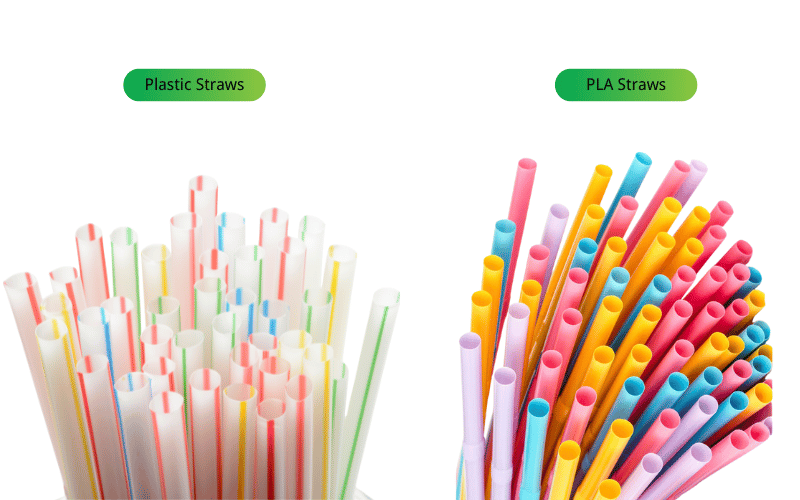
Every year, over a million marine animals die due to plastic pollution, and plastic straws play a significant role in this crisis. These small, seemingly harmless items contribute to a massive environmental problem, clogging oceans and harming wildlife. The impact doesn’t stop there—plastic straws also pose health risks, as they can release harmful chemicals into our food and drinks.
The global movement against single-use plastics has gained momentum in recent years. Countries, businesses, and individuals are taking steps to reduce plastic waste and find safer alternatives. Among these alternatives, PLA (polylactic acid) straws have emerged as a promising solution. Made from renewable resources like corn starch, they offer a biodegradable and eco-friendly option.
Plastic straws create a dual problem: they damage the environment and threaten human health. By understanding the dangers of plastic straws and the benefits of PLA straws, we can make informed choices that protect both our planet and our well-being. This guide will explore why switching to PLA straws is a safer, more sustainable decision for everyone.
The Environmental Toll of Plastic Straws
Plastic straws may seem small and insignificant, but their impact on the environment is anything but. These tiny tools of convenience leave a massive footprint, affecting ecosystems, wildlife, and even human health. Let’s break down the key issues.
Plastic’s Long Lifespan
Plastic straws are built to last, but that’s precisely the problem. Once discarded, they don’t decompose like natural materials. Instead, they persist for centuries in landfills and oceans, breaking down into smaller pieces called microplastics. These microplastics infiltrate the food chain, traveling from marine life to our dinner plates. Imagine a single straw, tossed away in seconds, lingering in the environment for generations—this is the hidden cost of convenience.
Microplastic pollution doesn’t just harm wildlife; it also poses risks to human health. Studies show that microplastics can carry toxic chemicals, which may end up in the seafood we consume. By using plastic straws, we’re not just polluting the planet; we’re also polluting ourselves.
Impact on Marine Life
The ocean bears the brunt of our plastic waste, and marine animals pay the price. Sea turtles often mistake plastic straws for food, leading to blockages in their digestive systems. Birds and fish can become entangled in discarded straws, causing injury or death. One heartbreaking example is the viral video of a sea turtle with a plastic straw lodged in its nostril—a stark reminder of the damage these small items can cause.
Every year, millions of marine animals die due to plastic pollution. Straws may only make up a fraction of the waste, but their lightweight and compact design make them particularly dangerous. They float easily, spreading across vast areas of the ocean and reaching even the most remote ecosystems.
Recycling Challenges
You might think recycling is the answer, but plastic straws rarely make it through the process. Their small size and lightweight nature cause them to slip through the cracks—literally. Most recycling facilities can’t handle them, so they end up in landfills or the environment instead.
Even when collected, plastic straws are often made from mixed materials that are difficult to recycle. This means that, despite our best intentions, most plastic straws contribute to the growing mountain of waste. The solution lies not in recycling but in reducing our reliance on single-use plastics altogether.
The Health Risks of Plastic Straws
Plastic straws don’t just harm the environment—they also pose serious risks to our health. While they may seem harmless, these everyday items can introduce toxic chemicals and microplastics into our bodies. Let’s explore the hidden dangers lurking in that seemingly simple sip.
Chemical Leaching
Plastic straws are not as inert as they appear. When exposed to heat or acidic beverages, they can release harmful chemicals like BPA (bisphenol A) and phthalates into your drink. Picture this: a refreshing iced coffee on a hot day, but the heat and acidity of the coffee are quietly coaxing toxic substances out of the straw and into your body.
These chemicals are no small threat. BPA is a known endocrine disruptor, meaning it can interfere with your hormones and lead to issues like infertility, developmental problems, and even certain cancers. Phthalates, often used to make plastics flexible, have been linked to immune system suppression and developmental delays in children. Every sip through a plastic straw could be delivering more than just your favorite drink—it could be delivering a dose of health risks.
Microplastics in Our Bodies
Plastic straws don’t just disappear when they break down; they degrade into microplastics—tiny particles that are small enough to enter the food chain. These microplastics are now everywhere: in the water we drink, the food we eat, and even the air we breathe. A striking fact? The average person consumes about a credit card’s worth of microplastics every week. Imagine swallowing a credit card every seven days—that’s the scale of the problem.
Once inside the body, microplastics can accumulate in organs and tissues, potentially causing inflammation and other health issues. Scientists are still uncovering the full extent of their impact, but early research suggests links to oxidative stress, cell damage, and even chronic diseases. By using plastic straws, we’re not just polluting the planet; we’re also polluting ourselves.
Why PLA Straws Are a Better Alternative
Plastic straws have long dominated the market, but their environmental and health drawbacks make them a poor choice. PLA straws, on the other hand, offer a safer, more sustainable solution. Let’s dive into what makes PLA straws a standout alternative.
What Are PLA Straws?
PLA stands for polylactic acid, a material derived from renewable plant sources like corn starch, sugarcane, or cassava. Unlike plastic, which relies on fossil fuels, PLA is made from resources that can be replenished annually. This plant-based origin gives PLA straws a significant edge in sustainability.
What truly sets PLA apart is its biodegradable nature. While plastic straws linger in the environment for centuries, PLA straws are designed to break down under the right conditions. They don’t just disappear into landfills or oceans—they return to the earth, completing a natural cycle. This makes them a responsible choice for anyone looking to reduce their environmental impact.
Health Benefits
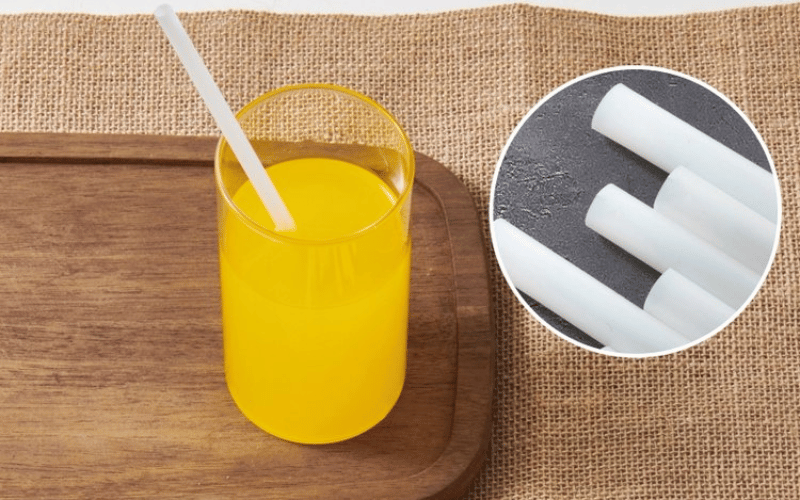
PLA straws don’t just benefit the planet; they’re also safer for you. Unlike plastic straws, which can leach harmful chemicals like BPA and phthalates, PLA straws are free from these toxic substances. You can sip your favorite drink without worrying about ingesting chemicals that could disrupt your hormones or harm your immune system.
Additionally, PLA straws are stable at typical drinking temperatures. Whether you’re enjoying a cold smoothie or a warm tea, they hold their shape and integrity without releasing any harmful compounds. This makes them a reliable and health-conscious choice for everyday use.
Environmental Advantages
One of the most compelling reasons to choose PLA straws is their ability to break down in industrial composting facilities. Under the right conditions, PLA straws decompose within 90 to 180 days, leaving behind no toxic residue. In contrast, plastic straws can take hundreds of years to degrade, all while contributing to microplastic pollution.
The environmental footprint of PLA straws is also significantly smaller. Their production generates fewer greenhouse gas emissions compared to traditional plastic, and their plant-based origins mean they don’t deplete finite fossil fuel resources. By switching to PLA straws, you’re not just reducing waste—you’re actively supporting a more sustainable future.
Comparing Plastic Straws and PLA Straws
Here’s a straightforward comparison table to highlight the key differences between plastic straws and PLA straws. This will help you quickly understand why PLA straws are the better choice for both health and the environment.
| Feature | Plastic Straws | PLA Straws |
|---|---|---|
| Material | Petroleum-based plastic (non-renewable) | Plant-based polylactic acid (renewable) |
| Decomposition Time | 200+ years (or more) | 90-180 days in industrial composting facilities |
| Environmental Impact | Contributes to microplastic pollution and landfill waste | Biodegradable and compostable under proper conditions |
| Health Risks | Contains harmful chemicals like BPA and phthalates | Free from toxic chemicals |
| Recyclability | Rarely recycled due to size and material complexity | Not recyclable but compostable |
| Production Emissions | High greenhouse gas emissions | Lower emissions due to renewable materials |
This table provides a clear snapshot of the advantages PLA straws offer over traditional plastic straws.
Practical Tips for Switching to PLA Straws
Switching to PLA straws is a simple way to reduce environmental impact, but it’s essential to use them correctly. These straws are ideal for cold or cool beverages like iced coffee or smoothies. However, they are not suitable for hot drinks, as high temperatures can cause them to soften or lose shape.
Proper disposal is crucial to ensure PLA straws break down as intended. They require industrial composting facilities to decompose efficiently. Check with your local waste management services or search for private composting facilities in your area to find suitable options. Avoid throwing them in regular trash or backyard compost bins, as they won’t degrade properly in those conditions.
As demand for sustainable products grows, PLA straws are becoming more affordable and widely available. Many businesses are adopting them to meet sustainability goals and appeal to eco-conscious customers. By using and disposing of PLA straws responsibly, you can make a meaningful contribution to a greener future.
FAQs: Answering Common Questions
Q: How are plastic straws made?
A: Plastic straws are made from petroleum-based polypropylene, a type of plastic. The material is melted, shaped into thin tubes, and cut into straw lengths. This process uses non-renewable resources and creates waste that lasts for centuries.
Q: Do all plastic straws contain BPA?
A: No, not all plastic straws contain BPA. However, many do, and even BPA-free plastics can release other harmful chemicals when exposed to heat or acidic drinks.
Q: Do PLA straws break down in a home compost pile?
A: No, PLA straws do not break down in a home compost pile. They need the high heat and controlled conditions of an industrial composting facility to decompose properly.
Q: Are there other alternatives besides plastic and PLA?
A: Yes, there are other alternatives like paper, bamboo, stainless steel, and glass straws. Each option has its own benefits and is suitable for different needs, such as reusable or single-use purposes.
Q: When did the movement against plastic straws begin?
A: The movement against plastic straws gained momentum around 2015. It was fueled by growing awareness of plastic pollution, including a viral video of a sea turtle with a plastic straw stuck in its nostril.
Conclusion: A Simple Switch for a Big Impact
Plastic straws harm the environment and pose serious health risks. They persist for centuries, pollute ecosystems, and release harmful chemicals into our bodies. PLA straws offer a better solution. Made from renewable resources, they are biodegradable, free from toxic chemicals, and kinder to the planet. Make the switch to PLA straws today and join the movement for a healthier planet and a safer future.