


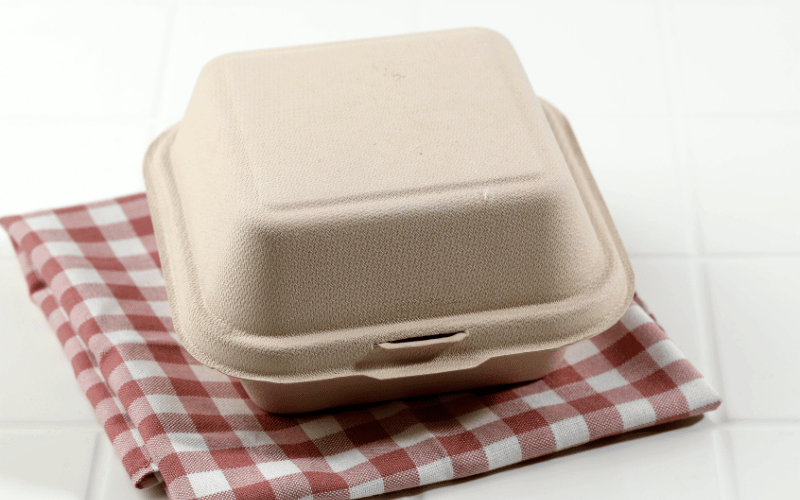
Sugarcane bagasse tableware is revolutionizing the way we approach disposable products, offering a sustainable and eco-friendly alternative to traditional materials like plastic and Styrofoam. Made from the fibrous residue of sugarcane, this compostable tableware is not only durable and versatile but also biodegradable, making it an ideal choice for reducing environmental impact. From plates and bowls to takeout containers and cutlery, bagasse tableware caters to a wide range of food service needs while supporting sustainable practices. This guide explores the benefits, proper disposal methods, and innovations in sugarcane bagasse tableware to help individuals and businesses make greener choices.
Understanding Sugarcane Bagasse Tableware
Sugarcane bagasse tableware is an eco-friendly alternative to traditional disposable products. Made from the fibrous residue of sugarcane, it offers a sustainable solution for reducing plastic waste while meeting the needs of modern food service.
What is Sugarcane Bagasse?
Sugarcane bagasse is the fibrous material left after extracting juice from sugarcane stalks. Once considered agricultural waste, it is now repurposed into a versatile raw material for making compostable products. Bagasse is lightweight, durable, and biodegradable, making it ideal for creating disposable tableware like plates, bowls, and containers.
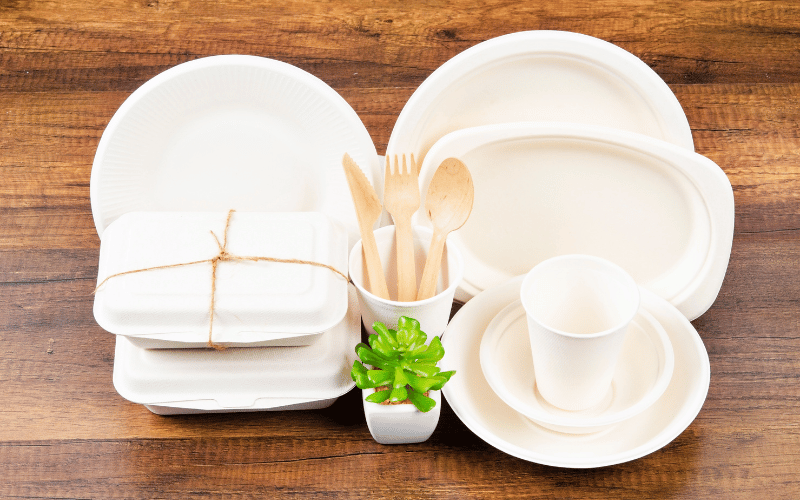
Types of Bagasse Tableware
- Plates and Bowls: These are the most common types of bagasse tableware, available in various sizes and shapes to suit different dining needs. They are sturdy enough to hold both hot and cold foods.
- Takeout Containers: Bagasse is molded into clamshell-style containers, perfect for restaurants and cafes offering food delivery or takeaway services.
- Cups and Lids: Compostable cups and matching lids made from bagasse are designed for serving beverages, including hot coffee and cold drinks.
- Cutlery: Forks, knives, and spoons made from bagasse provide a sustainable alternative to plastic utensils.
- Trays and Platters: Bagasse trays are used for serving meals or packaging food items, offering a durable and eco-friendly option for catering and events.
These types of tableware cater to a wide range of food service applications, combining functionality with sustainability.
Benefits of Using Compostable Tableware
- Eco-Friendly: Bagasse tableware is biodegradable and compostable, breaking down into natural components within a few months under the right conditions. This reduces landfill waste and environmental pollution.
- Renewable Resource: Made from sugarcane, a rapidly renewable crop, bagasse tableware supports sustainable resource use and reduces reliance on petroleum-based plastics.
- Heat and Water Resistance: Bagasse products can withstand high temperatures and resist moisture, making them suitable for serving hot soups, greasy foods, and cold dishes without leaking or warping.
- Sturdy and Durable: Despite being lightweight, bagasse tableware is strong enough to hold heavy portions, making it practical for both casual and formal dining.
- Safe and Non-Toxic: Bagasse is free from harmful chemicals and additives, ensuring that it is safe for food contact and better for human health.
- Cost-Effective: As demand for sustainable products grows, bagasse tableware is becoming more affordable, offering an economical option for businesses and consumers.
By choosing sugarcane bagasse tableware, individuals and businesses can reduce their environmental impact while enjoying practical, high-quality disposable products.
The Importance of Proper Disposal
Proper disposal of bagasse tableware is essential to maximize its environmental benefits. While these products are compostable, ensuring they end up in the right waste stream prevents contamination and supports sustainable waste management practices.
Why Proper Disposal Matters
- Maximizing Compostability: Bagasse tableware is designed to break down into organic matter, but this process only occurs in composting environments. Proper disposal ensures these items decompose as intended.
- Reducing Landfill Waste: When compostable products are sent to landfills, they may not decompose efficiently due to the lack of oxygen and controlled conditions. Proper disposal diverts waste from landfills and reduces methane emissions.
- Preventing Contamination: Mixing compostable items with non-compostable waste can contaminate recycling or composting streams, making it harder to process materials effectively.
- Supporting Circular Economy: Proper disposal allows bagasse tableware to return to the earth as nutrient-rich compost, promoting a sustainable cycle of resource use.
By disposing of bagasse products correctly, individuals and businesses can contribute to a cleaner, more sustainable environment.
Environmental Impact of Improper Disposal
- Landfill Overload: When bagasse tableware ends up in landfills, it takes up valuable space and contributes to the growing waste problem.
- Missed Composting Opportunities: Improper disposal prevents these products from being composted, wasting their potential to enrich soil and reduce the need for chemical fertilizers.
- Methane Emissions: In landfills, organic materials like bagasse decompose anaerobically, releasing methane, a potent greenhouse gas that contributes to climate change.
- Resource Wastage: Improper disposal undermines the effort to repurpose agricultural byproducts like bagasse, reducing the overall impact of sustainable practices.
Ensuring proper disposal is critical to fully realizing the environmental advantages of bagasse tableware.
Ways to Dispose of Bagasse Tableware
1. Industrial Composting
Industrial composting is the most efficient method for disposing of bagasse tableware. These facilities provide the high temperatures, controlled humidity, and microbial activity required to break down bagasse quickly and effectively. Check with your local waste management services to confirm if they accept compostable items like bagasse. Many industrial composting facilities also offer curbside pickup or drop-off services for organic waste, making it easier to ensure proper disposal.
2. Home Composting
If your bagasse tableware is labeled as suitable for home composting, you can add it to your compost bin or pile. To speed up the decomposition process, break the items into smaller pieces and mix them with other organic materials like food scraps and yard waste. Maintain a balance of “green” (wet) and “brown” (dry) materials in your compost to create the ideal environment for microorganisms to break down the bagasse. Keep in mind that home composting may take longer than industrial composting due to lower temperatures and less controlled conditions.
3. Community Composting Programs
Many communities now offer composting programs that include drop-off points or curbside collection for organic waste. These programs are an excellent option if you don’t have access to industrial composting or a home compost bin. Research local initiatives in your area and ensure that bagasse tableware is accepted. Community composting not only helps you dispose of bagasse responsibly but also supports local efforts to reduce waste and create nutrient-rich compost for community gardens and agriculture.
4. Partner with Composting Services
If you’re a business or organization using bagasse tableware, consider partnering with local composting services. Many composting facilities offer tailored solutions for businesses, such as scheduled pickups or drop-off programs for compostable waste. By collaborating with these services, you can ensure that bagasse products are disposed of properly and contribute to a larger-scale composting effort. For individuals, look into subscription-based composting services that provide bins and regular collection, making it easier to manage organic waste responsibly.
5. Advocate for Better Composting Infrastructure
One of the challenges with disposing of bagasse tableware is the lack of widespread composting infrastructure. Advocate for better access to industrial composting facilities in your community by supporting local initiatives, signing petitions, or engaging with policymakers. Businesses can also play a role by working with waste management providers to expand composting options. By pushing for improved infrastructure, you can help make composting more accessible and ensure that bagasse products are disposed of in an environmentally friendly way.
By adopting these disposal methods, you can help reduce landfill waste, lower greenhouse gas emissions, and support sustainable waste management systems. Properly disposing of bagasse tableware not only maximizes its environmental benefits but also contributes to a cleaner, greener future.
Recycling and Composting Sugarcane Plates
Sugarcane plates, made from bagasse, are designed to be eco-friendly and sustainable. Understanding how to recycle or compost these products ensures they are disposed of properly, maximizing their environmental benefits.
How to Recycle Sugarcane Plates
- Check Local Guidelines: Recycling sugarcane plates depends on your local waste management system. Many facilities do not accept compostable products in recycling streams, so confirm before disposing.
- Avoid Contamination: Sugarcane plates used for food may not be recyclable if they are heavily soiled. Clean or scrape off food residues to improve their chances of being processed.
- Separate from Plastics: Do not mix sugarcane plates with plastic recyclables. Keep them in a separate waste stream to avoid contamination.
- Specialized Recycling Programs: Some regions offer programs specifically for compostable or biodegradable products. Look for drop-off points or collection services that accept sugarcane-based items.
While recycling options for sugarcane plates are limited, proper sorting and adherence to local rules can help ensure they are handled correctly.
Composting Sugarcane and Bagasse Products
- Industrial Composting: Sugarcane plates break down efficiently in industrial composting facilities, which provide the high heat and controlled conditions needed for rapid decomposition.
- Home Composting: If labeled for home composting, sugarcane plates can be added to your compost bin. Tear them into smaller pieces to speed up the process and ensure even breakdown.
- Composting Tips: Combine sugarcane products with other organic materials like food scraps and yard waste. Maintain a balance of “green” (wet) and “brown” (dry) materials for optimal composting.
- Community Composting: Many cities offer community composting programs or drop-off locations for organic waste. Use these services to dispose of sugarcane plates responsibly.
Composting is the most effective way to dispose of sugarcane plates, as it allows them to return to the earth as nutrient-rich compost.
Differences Between Recycling and Composting
- Process: Recycling involves breaking down materials to create new products, while composting transforms organic waste into nutrient-rich soil.
- Material Suitability: Sugarcane plates are better suited for composting due to their organic nature. Recycling facilities often cannot process biodegradable items.
- Environmental Impact: Composting reduces landfill waste and enriches soil, while recycling conserves resources by reusing materials. Both methods have unique benefits but serve different purposes.
- End Products: Recycling produces raw materials like paper or plastic, whereas composting results in compost that can be used for gardening and agriculture.
- Ease of Disposal: Composting sugarcane plates is often simpler, as it doesn’t require specialized recycling facilities. However, access to industrial composting may vary by location.
Understanding these differences helps you choose the best disposal method for sugarcane plates, ensuring they contribute to a more sustainable future.
Best Practices for Sustainable Tableware Use
Adopting sustainable tableware practices can significantly reduce environmental impact while meeting the needs of modern dining. By choosing eco-friendly options and minimizing waste, individuals and businesses can contribute to a greener future.
Choosing the Right Disposable Tableware
- Material Matters: Opt for tableware made from renewable resources like sugarcane bagasse, bamboo, or palm leaves. These materials are biodegradable and have a lower environmental footprint compared to plastic or Styrofoam.
- Certifications: Look for certifications like “compostable” or “biodegradable” to ensure the products meet environmental standards. Labels such as ASTM D6400 or EN 13432 indicate compliance with composting requirements.
- Durability: Choose tableware that is sturdy enough to handle the intended use. For example, sugarcane plates are ideal for hot and greasy foods due to their heat resistance and strength.
- Local Availability: Support local manufacturers to reduce the carbon footprint associated with transportation. Locally sourced products often align better with regional waste management systems.
- Custom Needs: Select tableware that fits your specific needs, such as portion sizes, event type, or food presentation. This minimizes overuse and waste.
Making informed choices about disposable tableware ensures functionality while prioritizing sustainability.
Tips for Reducing Waste with Sugarcane Products
- Use Only What’s Needed: Avoid overstocking disposable tableware. Estimate the number of guests or servings to prevent unnecessary waste.
- Encourage Reuse: For events, consider combining sugarcane products with reusable options like metal cutlery or glassware to reduce overall waste.
- Educate Users: Provide clear instructions on how to dispose of sugarcane products properly. Use labeled bins for composting to ensure they don’t end up in landfills.
- Bulk Purchasing: Buy sugarcane tableware in bulk to reduce packaging waste and save on costs. Look for suppliers that use minimal or recyclable packaging.
- Repurpose Leftovers: If sugarcane products are clean and unused, save them for future use instead of discarding them.
These small steps can make a big difference in reducing waste and promoting sustainable practices.
Innovations in Compostable Materials
- Hybrid Materials: Manufacturers are blending sugarcane bagasse with other natural fibers like bamboo or wheat straw to create stronger, more versatile compostable products.
- Waterproof Coatings: New plant-based coatings are being developed to improve the water and grease resistance of compostable tableware without compromising biodegradability.
- Edible Tableware: Some companies are creating edible plates, bowls, and cutlery made from ingredients like wheat or rice, offering a zero-waste alternative.
- Advanced Composting: Innovations in industrial composting technology are enabling faster decomposition of sugarcane products, even in less controlled environments.
- Smart Labeling: QR codes and smart tags on compostable products provide users with disposal instructions and information about the product’s environmental impact.
These advancements are driving the evolution of sustainable tableware, making it easier for consumers and businesses to adopt eco-friendly solutions.
Frequently Asked Questions
Q: What is the proper way to dispose of bagasse plates and bowls?
A: Composting is the best way to dispose of bagasse plates and bowls. Since they are biodegradable, you can add them to a compost bin or take them to a composting facility. This process enriches the soil and reduces landfill waste.
Q: Can I recycle sugarcane plates?
A: Sugarcane plates are not typically recyclable because they are designed for composting. Check your local waste management guidelines, but composting is usually the preferred disposal method.
Q: Are bagasse bowls eco-friendly?
A: Yes, bagasse bowls are eco-friendly alternatives to plastic or paper bowls. Made from leftover sugarcane pulp, they are biodegradable and compostable, allowing them to decompose naturally without harming the environment.
Q: How long do compostable plates take to decompose?
A: Compostable plates, including those made from bagasse, usually decompose within 90 to 180 days under proper composting conditions. Factors like temperature, moisture, and microorganisms influence the decomposition process.
Q: What materials are used in compostable plates?
A: Compostable plates are made from materials like bagasse, wheat straw, and palm leaves. These agricultural byproducts provide an eco-friendly alternative to traditional disposable tableware.
Q: Can I use a compost bin for bagasse tableware?
A: Yes, you can compost bagasse tableware in a compost bin. Maintain the bin properly by balancing nitrogen and carbon, ensuring adequate moisture, and providing aeration to help the materials break down effectively.
Q: What is the environmental impact of using disposable plastic versus bagasse plates?
A: Disposable plastic plates have a much higher environmental impact than bagasse plates. Plastic takes hundreds of years to decompose and contributes to pollution, while bagasse plates are biodegradable and compostable, reducing waste and lowering carbon footprints.
Q: Is it important to dispose of sugarcane plates correctly?
A: Yes, proper disposal of sugarcane plates is crucial to minimize their environmental impact. Composting allows these biodegradable materials to break down naturally and return nutrients to the soil, preventing them from ending up in landfills.
Q: What are the benefits of switching to compostable plates?
A: Switching to compostable plates, like those made from bagasse, reduces waste, supports renewable resource use, and decreases reliance on single-use plastics. They also promote sustainability by returning organic matter to the earth through composting.
Concluding Summary:
Sugarcane bagasse tableware exemplifies how agricultural byproducts can be repurposed into practical, eco-friendly solutions for modern dining. Its compostable nature, durability, and versatility make it a sustainable alternative to plastic, helping to reduce waste and support a circular economy. However, proper disposal is crucial to maximize its environmental benefits, whether through industrial composting, home composting, or community programs. By adopting best practices and staying informed about innovations in compostable materials, individuals and businesses can contribute to a cleaner, greener future while meeting their dining and packaging needs responsibly.