


Every year, over 300 million tons of plastic waste are produced worldwide, and less than 10% of it gets recycled. The rest ends up in landfills, oceans, or incinerators, polluting the planet and harming wildlife. This growing crisis demands better solutions, and certified compostable products offer a promising path forward.
Certified compostable products are items designed to break down into natural elements like water, carbon dioxide, and organic matter under specific composting conditions. Unlike traditional plastics, they leave no toxic residue behind. These products meet strict standards set by organizations like the Biodegradable Products Institute (BPI) or European EN 13432 certification, ensuring they truly decompose in industrial composting facilities. This certification guarantees that the product is both safe for the environment and effective in reducing waste.
Choosing certified compostable products is more than just a trend—it’s a step toward sustainability. By understanding what certified compostable means, we can make informed decisions that reduce plastic pollution and support a healthier planet.
Compostable vs. Biodegradable vs. Recyclable
Understanding the difference between compostable, biodegradable, and recyclable products is essential for making eco-friendly choices. Each term has a distinct meaning, and knowing how they work can help you choose the right solution for your needs.
What Does Compostable Mean?
Compostable products are designed to break down into natural elements like water, carbon dioxide, and nutrient-rich organic matter under specific conditions. These items decompose fully in industrial composting facilities, leaving no toxic residue behind. For example, a certified compostable PLA straw will turn into compost within 90-180 days in the right environment. The resulting compost enriches the soil, supporting plant growth and closing the loop on waste.
The unique benefit of compostable products is their ability to return to the earth as a resource, not a pollutant. They don’t just disappear—they give back to the environment by creating healthy, fertile soil.
What Does Biodegradable Mean?
Biodegradable products also break down into natural elements, but the process is less controlled and can take much longer. For instance, a biodegradable plastic bag might take years to decompose, depending on environmental conditions. Unlike compostable products, biodegradable items don’t always leave behind nutrient-rich material, and some may still release harmful microplastics during decomposition.
While biodegradable products are a step up from traditional plastics, they lack the precision and environmental benefits of certified compostable items.
What Does Recyclable Mean?
Recyclable products are materials that can be processed and turned into new items. Common examples include aluminum cans, glass bottles, and certain types of plastic. Recycling reduces the need for raw materials and minimizes waste, but it has its limitations. Not all recyclable items are actually recycled due to contamination or lack of proper facilities. For example, plastic straws are technically recyclable but rarely make it through the process because of their size and lightweight nature.
Recycling is an important part of waste management, but it doesn’t eliminate waste entirely. Compostable products, on the other hand, offer a more complete solution by breaking down naturally and enriching the soil.
| Feature | Compostable | Biodegradable | Recyclable |
|---|---|---|---|
| Definition | Breaks down into water, carbon dioxide, and nutrient-rich compost under specific conditions. | Breaks down into natural elements, but the process is slower and less controlled. | Can be processed into new materials to reduce the need for raw resources. |
| Decomposition Time | 90-180 days in industrial composting facilities. | Can take years, depending on environmental conditions. | Varies; depends on the material and recycling process. |
| Residue | Leaves no toxic residue; creates nutrient-rich compost. | May leave harmful microplastics or no nutrient-rich material. | Leaves no residue but requires proper facilities to recycle effectively. |
| Environmental Benefit | Enriches soil and supports plant growth. | Reduces waste but lacks soil-enriching benefits. | Reduces raw material usage and minimizes waste, but doesn’t eliminate it. |
| Examples | PLA straws, compostable plates, and cups. | Biodegradable plastic bags, some paper products. | Aluminum cans, glass bottles, and certain plastics. |
| Limitations | Requires specific conditions (e.g., industrial composting) to decompose fully. | Decomposition is slow and may not be complete in all environments. | Not all recyclable items are recycled due to contamination or facility limits. |
By understanding these terms, you can make informed decisions that align with your sustainability goals. Compostable products stand out as the most eco-friendly option, offering a clean, natural way to reduce waste and support the planet.
What Does “Certified Compostable” Mean?
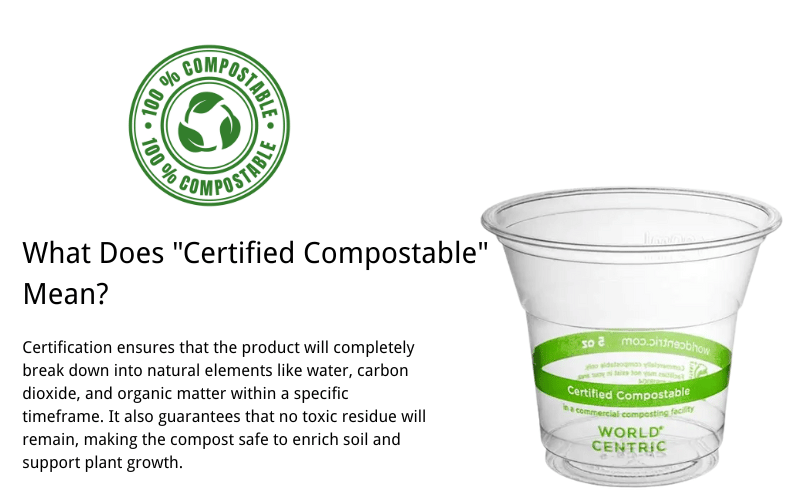
When a product is labeled “certified compostable,” it comes with specific guarantees that set it apart from other eco-friendly claims. Certification ensures that the product will completely break down into natural elements like water, carbon dioxide, and organic matter within a specific timeframe. It also guarantees that no toxic residue will remain, making the compost safe to enrich soil and support plant growth.
What Does Certification Guarantee?
Certified compostable products meet strict standards that verify their ability to decompose fully and safely. These products are tested to ensure they leave no harmful chemicals or microplastics behind. For example, a certified compostable bag or straw will break down entirely in the right composting conditions, leaving behind nutrient-rich compost instead of waste.
This certification provides peace of mind. It assures you that the product will not contribute to pollution or harm the environment during its decomposition process.
Key Standards for Certification
Two major standards define what it means to be certified compostable: ASTM D6400 and EN 13432. While the names may sound technical, their purpose is straightforward.
- ASTM D6400: This is the standard used in the United States. It ensures that compostable products break down within 90 days in an industrial composting facility and leave no toxic residue.
- EN 13432: This is the European standard. It requires products to decompose within 180 days and ensures that the resulting compost supports plant growth without any harmful effects.
Both standards involve rigorous testing to confirm that the product meets these criteria. When you see these certifications, you can trust that the product is genuinely compostable.
Home vs. Industrial Composting
Not all compostable products are created equal in terms of where they can break down. Some are designed for industrial composting, while others can decompose in a home compost pile.
- Industrial Composting: These facilities provide the high heat, controlled moisture, and specific conditions needed for certified compostable products to break down. Items like PLA straws or compostable packaging often require this environment to decompose fully.
- Home Composting: Home composting works at lower temperatures and takes longer. Only products labeled as “home compostable” will break down effectively in a backyard compost pile. These items are typically made from simpler, more natural materials.
Understanding the difference helps ensure that compostable products end up in the right place, maximizing their environmental benefits.
Certified compostable products offer a reliable and impactful way to reduce waste. By looking for trusted certifications and understanding the conditions they require, you can make choices that truly benefit the planet. Let me know if you’d like to dive deeper into any of these points!
Certifying Bodies and Their Marks
When it comes to compostable products, not all claims are created equal. Certifications from trusted organizations ensure that a product meets strict compostability standards. These certifying bodies provide labels that act as a seal of trust, helping you identify products that truly break down as promised.
Major Certifying Organizations
Several organizations lead the way in certifying compostable products. Each has its own standards and testing processes, but all share the goal of ensuring environmental safety and product reliability.
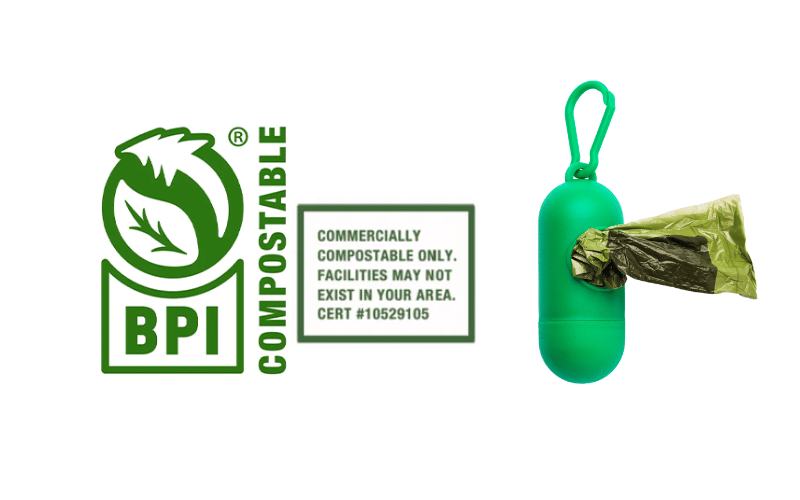
- BPI (Biodegradable Products Institute): BPI is one of the most recognized certifying bodies in North America. Its certification ensures that a product meets ASTM D6400 or D6868 standards for industrial composting. Look for the BPI logo, which often appears as a green leaf with the words “Compostable.”
- TUV Austria: TUV offers certifications for both industrial and home composting. Their labels include “OK Compost INDUSTRIAL” and “OK Compost HOME,” making it easy to see where the product can break down.
- CMA (Compost Manufacturing Alliance): CMA focuses on testing products for compatibility with real-world industrial composting facilities. Their certification ensures that the product will decompose effectively in the systems used by compost manufacturers.
These organizations test products rigorously, so their labels guarantee that the item will perform as advertised.
What Do Their Labels Mean?
Certifying labels indicate that a product has passed specific tests for compostability. For example, a BPI-certified product will decompose within 90 days in an industrial composting facility, leaving no toxic residue. Similarly, TUV’s “OK Compost HOME” label means the product can break down in a backyard compost pile at lower temperatures.
These labels are more than just symbols—they’re a promise that the product is safe for the environment and will not contribute to pollution.
How to Spot Certified Compostable Products
Identifying certified compostable products is simple if you know what to look for. Here’s a quick guide:
- Look for the Logo: Check for certification marks like the BPI logo, TUV’s “OK Compost” label, or CMA’s seal. These are usually printed directly on the product or its packaging.
- Read the Fine Print: Certified products often include details about the standard they meet, such as ASTM D6400 or EN 13432.
- Avoid Misleading Claims: Be cautious of vague terms like “biodegradable” or “eco-friendly” without a certification mark. These claims are not regulated and may not guarantee compostability.
By recognizing these labels, you can confidently choose products that align with your sustainability goals.
Certifications from trusted organizations make it easier to navigate the world of compostable products. With this knowledge, you can spot genuine compostable items and avoid greenwashing claims. Let me know if you’d like to explore this topic further!
The Benefits of Certified Compostable Products
Certified compostable products bring many benefits to both the environment and consumers. They help reduce plastic waste by breaking down into natural elements like water, carbon dioxide, and compost within months. Unlike traditional plastics, they don’t linger in landfills or oceans for centuries.
The compost created from these products enriches soil, supports plant growth, and reduces the need for chemical fertilizers. This creates a positive cycle that benefits the planet.
For consumers, certified compostable products offer a safer and eco-friendly alternative to single-use plastics. They are free from harmful chemicals like BPA, making them a healthier choice for food and drink use.
Everyday items like compostable plates, cups, bags, and utensils combine convenience with sustainability. By choosing these products, you actively reduce pollution and support a healthier ecosystem.
How to Dispose of Compostable Products Responsibly
Disposing of compostable products correctly is essential to ensure they break down as intended and benefit the environment. Whether you’re composting at home or relying on industrial facilities, following the right steps can make all the difference.
Tips for Home Composting
Home composting is a great way to manage organic waste, but it requires the right setup and maintenance. Start by including items that decompose easily, such as fruit and vegetable scraps, coffee grounds, and certified home compostable products like certain bags or utensils. Avoid adding meat, dairy, or oily foods, as these can attract pests and slow down the process.
To maintain a healthy compost bin, balance “greens” (wet, nitrogen-rich materials like food scraps) with “browns” (dry, carbon-rich materials like leaves or cardboard). Turn the pile regularly to aerate it and speed up decomposition. Keep the compost moist but not soggy—think of it as having the consistency of a wrung-out sponge. With proper care, your compost will turn into nutrient-rich soil in a few months.
Importance of Industrial Composting
Not all compostable products are suitable for home composting. Items like PLA straws, cups, and certain packaging require the high heat and controlled conditions of industrial composting facilities to break down fully. If these products end up in a home compost bin, they may not decompose properly and could cause contamination.
Industrial composting ensures that these products break down completely and safely. It’s important to check the product label for certifications like “BPI” or “OK Compost INDUSTRIAL” to know if industrial composting is required.
How to Find Local Composting Facilities
Finding a local composting facility is easier than you might think. Start by checking with your city’s waste management services to see if they offer curbside composting programs. Many municipalities now collect compostable waste alongside regular trash and recycling.
If curbside composting isn’t available, search online for private composting facilities or community composting programs in your area. Websites like FindAComposter.com can help you locate facilities nearby. Some grocery stores and farmers’ markets also partner with composting services, allowing you to drop off your compostable waste.
By disposing of compostable products responsibly, you ensure they fulfill their purpose of reducing waste and enriching the soil. Whether you’re composting at home or using industrial facilities, these steps make a tangible impact on the environment. Let me know if you’d like more tips on composting!
FAQs
Q: What’s the difference between compostable and biodegradable?
A: Compostable products break down into natural elements like water, carbon dioxide, and nutrient-rich compost within specific conditions, leaving no toxic residue. Biodegradable products also decompose, but the process is slower and may leave behind harmful microplastics.
Q: Can I compost certified compostable products at home?
A: Some certified compostable products can be composted at home, but not all. Look for labels like “Home Compostable.” Items requiring industrial composting, such as PLA straws or cups, won’t break down properly in a home compost bin.
Q: How do I find industrial composting facilities near me?
A: Check with your city’s waste management services for curbside composting programs. You can also search online using tools like FindAComposter.com or contact local grocery stores and farmers’ markets for drop-off options.
Q: Are compostable products more expensive than plastic?
A: Yes, compostable products are often more expensive than plastic. However, they provide environmental benefits by reducing waste and pollution, making them a worthwhile investment for a healthier planet.
Conclusion: Small Choices, Big Impact
Certified compostable products offer a powerful way to reduce waste, enrich soil, and protect the environment. By choosing certified items and disposing of them responsibly, you actively contribute to a healthier planet. Join the movement for a cleaner planet—start with certified compostable products today.