


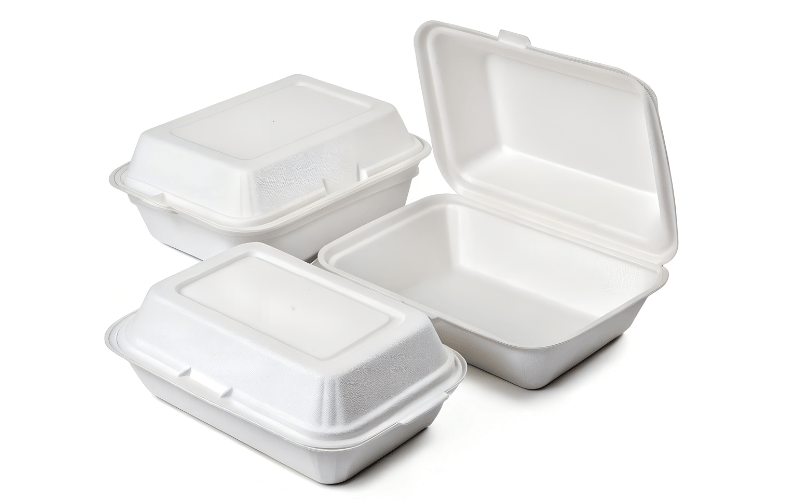
The Takeout Dilemma
Every takeout meal comes with a choice—protect the planet or harm it. Which will you choose? With the rise of takeout services, convenience has become a staple of modern life. But this convenience comes at a cost. Single-use plastic containers, often used for takeout, accumulate in landfills and pollute oceans, taking centuries to decompose.
The environmental impact of plastic containers is hard to ignore. They contribute to overflowing landfills, harm marine life, and release harmful chemicals into the environment. Many people feel stuck, wanting the ease of takeout but worrying about the damage caused by plastic waste.
Eco-friendly takeout containers offer a sustainable and practical alternative. Made from renewable materials like sugarcane, bamboo, or cornstarch, these containers decompose quickly and safely. They provide the same convenience as plastic but without the long-term harm to the planet.
This guide will help you compare plastic and eco-friendly takeout containers. You’ll learn how to make informed, sustainable choices that benefit both you and the environment.
The Problem with Plastic Takeout Containers
Plastic takeout containers may seem convenient, but their hidden costs to the environment and health are staggering. Let’s break down the key issues they create.
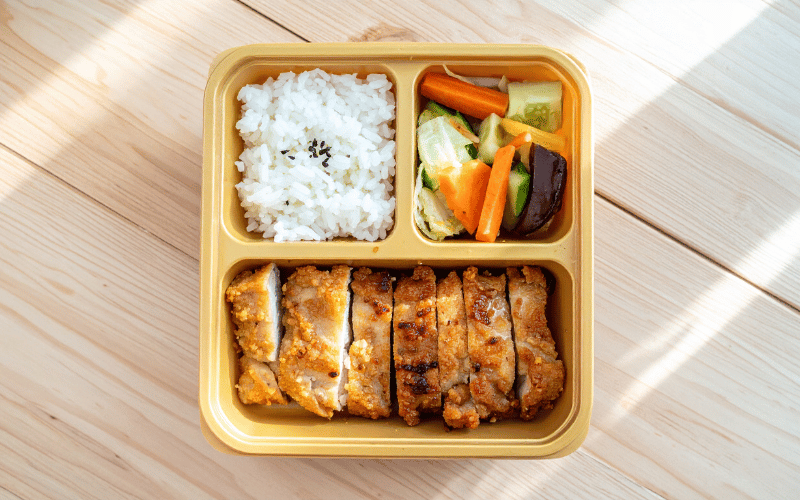
Environmental Impact
Plastics take decades, sometimes centuries, to decompose. During this time, they release harmful gases like methane and break down into microplastics, which contaminate soil, water, and even the food chain. These tiny plastic particles are now found everywhere—from the deepest oceans to the air we breathe.
The production of plastic containers also relies heavily on non-renewable resources like petroleum. Extracting and processing these resources not only depletes finite reserves but also generates significant greenhouse gas emissions, accelerating climate change.
Health Concerns
Plastic containers don’t just harm the planet—they can harm you too. When exposed to heat, such as in a microwave or with hot food, certain plastics can leach harmful chemicals like BPA and phthalates into your meal. These chemicals have been linked to health issues, including hormonal disruptions and increased risks of chronic diseases.
Waste Statistics
The scale of plastic container waste is overwhelming. Globally, millions of tons of plastic waste are generated every year, with a significant portion coming from single-use takeout containers. According to recent studies, less than 10% of this plastic is recycled, leaving the rest to pollute the environment.
Plastic takeout containers may offer short-term convenience, but their long-term impact on the planet and your health is undeniable. Understanding these issues is the first step toward making more sustainable choices.
Why Eco-Friendly Takeout Containers Are Better
Eco-friendly takeout containers strike the perfect balance between sustainability, safety, and practicality. Crafted from renewable materials like sugarcane bagasse, bamboo, or PLA, they decompose into nutrient-rich compost within months. Unlike plastic, which lingers for centuries, these containers return to the earth, enriching the soil and reducing waste.
Health is another key advantage. Free from harmful chemicals like BPA, these containers ensure your food stays safe, even when reheated. Whether you’re enjoying a hot meal or storing leftovers, you can trust that no toxins will leach into your food.
Convenience is never compromised. These containers are microwave-safe, freezer-safe, and designed to prevent leaks while keeping food fresh. They offer the ease of single-use packaging without the environmental guilt, making them ideal for busy lifestyles.
Choosing eco-friendly takeout containers is more than a slight change—it’s a meaningful step toward protecting the planet and prioritizing your well-being.

Direct Comparison: Plastic vs. Eco-Friendly Containers
Eco-friendly containers stand out for their superior performance and sustainability. Bagasse, a popular material, resists heat and moisture, making it ideal for hot and wet dishes without warping or leaking. Plastic containers, especially polypropylene, may soften or release harmful chemicals when exposed to high temperatures, posing risks to both food safety and functionality.
Sustainable containers also enhance a brand’s reputation. Their natural textures and eco-conscious design appeal to environmentally aware consumers, creating a positive association with your business. Plastic, while practical, lacks this visual and ethical impact, often signaling outdated practices.
Although plastic containers are initially cheaper, the cost gap is narrowing as sustainable materials become more accessible. Eco-friendly options provide long-term value by aligning with consumer preferences and helping businesses avoid penalties tied to tightening plastic regulations.
End-of-life management further highlights the difference. Most plastic ends up in landfills due to recycling limitations, contributing to pollution. Compostable containers, on the other hand, decompose into nutrient-rich soil under industrial composting conditions, offering a cleaner, more responsible solution for waste management.
How to Make the Switch to Eco-Friendly Takeout Containers
Switching to eco-friendly takeout containers is a practical step toward reducing waste and supporting sustainability. Whether you’re a business owner or a consumer, here’s how to make the transition effectively.
For Businesses
Start by assessing your menu needs. Consider the types of food you serve—are they hot, cold, wet, or dry? For hot and wet dishes, materials like bagasse or PLA are excellent choices due to their heat and moisture resistance. For dry or cold items, paper-based or bamboo containers may be more cost-effective while still sustainable. Matching the right container to your menu ensures functionality and customer satisfaction.
Next, communicate your sustainable choices to your customers. Include clear disposal instructions on the packaging, such as “Compostable in industrial facilities” or “Dispose of in green waste bins.” This not only educates customers but also reinforces your commitment to the environment. Highlight your eco-friendly efforts through signage, social media, or even a note on receipts to build trust and loyalty.
For Consumers
As a consumer, it’s important to look beyond vague labels. Terms like “biodegradable” can be misleading if the product isn’t certified. Look for certifications such as “BPI Compostable” or “OK Compost” to ensure the container meets recognized standards for eco-friendliness.
Support businesses that invest in certified eco-friendly containers. When ordering takeout, ask about their packaging choices or leave feedback encouraging sustainable practices. Your purchasing decisions send a clear message to businesses that sustainability matters, driving broader change in the industry.
By taking these steps, businesses and consumers can work together to reduce waste and promote a more sustainable future. The switch to eco-friendly containers is not just a trend—it’s a responsibility we all share.
FAQs
Q: What are eco-friendly takeout containers made from?
A: Eco-friendly takeout containers are made from renewable materials like sugarcane bagasse, bamboo, or PLA (polylactic acid). These materials are sustainable and designed to break down naturally.
Q: How long does it take for compostable containers to break down?
A: Compostable containers can break down within 90 to 180 days in industrial composting facilities. The exact time depends on the material and composting conditions.
Q: Can I compost these containers at home?
A: Some containers can be composted at home, but many require industrial composting facilities for proper breakdown. Check the packaging for specific composting instructions.
Q: Are eco-friendly containers durable enough for hot and cold food?
A: Yes, eco-friendly containers are designed to handle both hot and cold food. Materials like bagasse and PLA are heat-resistant and sturdy, making them suitable for a variety of dishes.
Q: Where can I buy certified eco-friendly takeout containers?
A: Certified eco-friendly containers can be purchased from packaging suppliers, online marketplaces, or specialty eco-friendly stores. Look for certifications like “BPI Compostable” or “OK Compost” to ensure quality.
Conclusion: Choose Smarter, Live Greener
Eco-friendly takeout containers benefit the environment by reducing waste, protect your health by avoiding harmful chemicals, and offer the convenience you need for busy lifestyles. Small changes, like switching to compostable containers, create a big impact by supporting sustainability and promoting a cleaner future. Make your takeout meals guilt-free—choose eco-friendly containers today!