


The drive toward a more sustainable lifestyle is a movement gaining momentum every day in our society. New trends indicate that consumers are placing greater importance on using eco-friendly storage solutions, such as biodegradable ziplock bags. These bags are designed to ensure the proper and safe handling, preservation, and organization of food and household items while minimizing environmental impact. In this article, you will learn about the main characteristics of biodegradable ziplock bags and their advantages for sustainable living.
The demand for sustainable alternatives is reshaping how we view everyday storage products. As awareness of plastic pollution grows, households and businesses are actively seeking products that align with their environmental values. Biodegradable ziplock bags represent a significant step in this direction, offering a practical storage solution that helps reduce the accumulation of single-use plastics in our landfills and oceans. This shift reflects a broader societal commitment to protecting our planet for future generations.
Biodegradable Ziplock Bags: Context and History
The use of plastic in storage solutions has been vital for decades. Traditional plastic ziplock bags offer an airtight seal, transparency, and durability, effectively preserving food freshness and organizing small items. Their convenience and low cost made them a staple in kitchens and industries worldwide, revolutionizing how we store everything from snacks to hardware components.
However, the very durability that makes conventional plastic ziplock bags worthwhile also makes them an environmental liability. Made from petroleum, a non-renewable resource, these bags can persist in the environment for hundreds of years when not adequately managed. They contribute to landfill overflow, clog waterways, and break down into harmful microplastics that contaminate ecosystems and threaten wildlife.
In the face of this plastic packaging waste problem, biodegradable ziplock bags emerged as a promising solution. These bags are designed to break down much faster than their conventional counterparts, offering a storage option that helps reduce long-term pollution. Their development marked a turning point in sustainable packaging, aligning the need for resealable convenience with environmental responsibility.
This shift has been driven by increasing consumer demand and new environmental regulations. People are more concerned than ever about the impact of their consumption habits, and governments are implementing policies to curb plastic waste. This has accelerated the adoption of biodegradable materials, pushing manufacturers to innovate and making environmentally friendly ziplock bags more accessible and effective than ever before.
What Are Biodegradable and Environmentally Friendly Ziplock Bags?
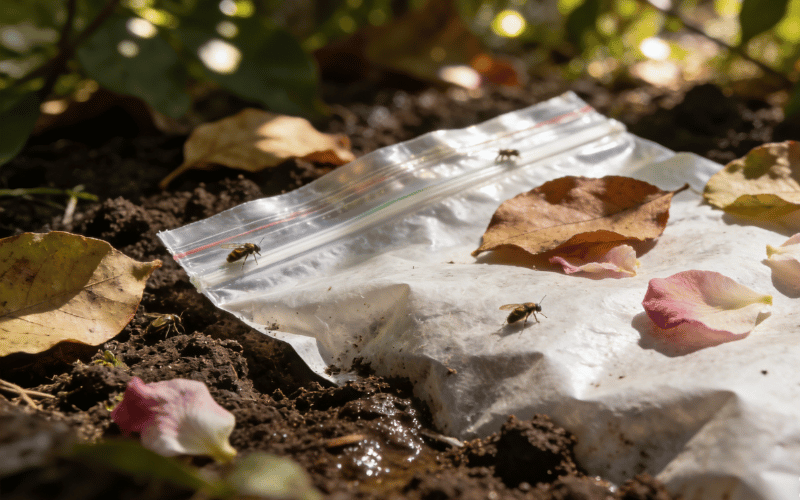
Biodegradable ziplock bags are storage bags that can be broken down by biological agents such as water, sunlight, and microorganisms like bacteria and fungi. This process occurs under specific environmental conditions, converting the bag material into natural elements without leaving behind harmful microplastic residues. The goal is to create a product that can return to nature once its useful life is over.
It is essential to understand the distinction between “biodegradable” and “compostable.” While all compostable bags are biodegradable, not all biodegradable bags are compostable. The term “biodegradable” can be broad and lacks a specific timeframe for decomposition, which could still mean years under certain conditions. The process relies on naturally occurring microbes in the environment.
In contrast to simple biodegradable packaging, compostable ziplock bags are designed to break down in a specific environment: a compost pile or an industrial composting facility. They must meet stringent standards, such as ASTM D6400 or EN 13432, which require that the bag disintegrates and biodegrades into non-toxic components (compost, water, CO2) within a set period, typically 90% breakdown within 180 days.
Using certified compostable and biodegradable ziplock bags offers significant environmental benefits. They help divert waste from landfills and support a circular economy model. By eventually decomposing into biomass or compost, these bags reduce the ecological footprint of single-use storage, ensuring that our convenience does not come at the cost of the planet’s health.
Using Biodegradable Ziplock Bags for Storage and Packaging
Nowadays, we can find biodegradable ziplock bags being used extensively for food storage and preservation. They are designed to be food-safe, keeping produce fresh, sealing in flavor for leftovers, and providing a hygienic barrier for snacks on the go. Just like traditional bags, they prevent oxidation and moisture loss, but without the guilt of single-use plastic waste.
Beyond the kitchen, these bags play a crucial role in organizing and storing non-food items. From sorting nuts and bolts in a garage to organizing travel toiletries or crafting supplies, biodegradable ziplock bags offer the same utility and resealability as conventional options. This versatility makes them an easy swap for anyone looking to make their home or office more eco-friendly.
In the retail and e-commerce sectors, these bags are increasingly compatible with sustainable packaging initiatives. Brands use them to package clothing, accessories, and small parts, ensuring products arrive safely while communicating a commitment to sustainability. This alignment with consumer values helps businesses reduce their plastic footprint and enhances their reputation as responsible corporate citizens.
Composition: Biodegradable and Bio-Based Materials
There are different types of environmentally friendly plastics used for ziplock bags, classified by their origin (plant-based vs. fossil-based) and their ability to biodegrade or compost. Some of the most common materials are biodegradable, bio-based, or a combination of both. These bioplastics offer a significantly lower environmental impact than conventional plastics derived solely from petroleum.
It is important to note that the biodegradability of a material depends on its chemical structure, not its origin. This means that not all bio-based polymers (made from plant sources like cornstarch) are biodegradable. Conversely, some biodegradable polymers can be derived from fossil fuels. This distinction is crucial for understanding the actual environmental credentials of a product.
Common materials used to make biodegradable and compostable ziplock bags include Polylactic Acid (PLA), derived from cornstarch or sugarcane, and Polyhydroxyalkanoates (PHA), produced by microorganisms. Starch blends are also frequently used to improve flexibility. For fossil-based biodegradable options, materials like Polybutylene Adipate Terephthalate (PBAT) are used to add the necessary durability and elasticity required for a functioning zipper seal.
These materials contribute to the circular economy. Bio-based plastics reduce our reliance on finite fossil fuels. When compostable bags break down, they are converted into valuable compost, which returns nutrients to the soil. This completes a natural cycle where what comes from the earth can be returned to the world, creating a truly sustainable system for packaging and storage.
Characteristics of Biodegradable Ziplock Bags
The primary characteristic of a biodegradable ziplock bag is its ability to be broken down by microorganisms into natural elements. Unlike conventional plastic, which fragments into persistent microplastics, certified biodegradable and compostable bags decompose completely, leaving no toxic residue behind. This ensures they do not contribute to the long-term pollution of soil and water ecosystems.
In terms of performance, biodegradable ziplock bags have made significant strides but may have some limitations compared to traditional plastic. They are designed to be durable and feature a functional resealable mechanism, but their lifespan can be affected by extreme moisture and heat. They offer excellent utility for short- to medium-term storage but are not intended to last forever, which is inherent to their eco-friendly design.
A key feature is their compatibility with food safety and storage requirements. High-quality biodegradable ziplock bags are FDA-approved for food contact, ensuring they are safe for storing sandwiches, fruits, and vegetables. They provide an effective barrier against air and contaminants, maintaining the quality of the food inside while aligning with sustainable living practices.
Advantages of Biodegradable Ziplock Bags
The use of biodegradable ziplock bags offers several compelling advantages for consumers, businesses, and the environment. These benefits are driving their adoption as a key component of modern, sustainable storage strategies and a circular economy.
One of the most significant advantages is the reduced reliance on petroleum. Many biodegradable bags are made from plant-based materials like cornstarch or sugarcane. By using renewable resources as feedstocks, we reduce our dependence on finite fossil fuels, which are associated with significant environmental and geopolitical issues.
These bags are a cornerstone of the circular economy and waste reduction. By providing a product that can break down naturally or be composted, we prevent the accumulation of permanent waste in landfills. This process turns potential trash into a neutral or beneficial end-product, reducing the overall burden on municipal waste systems.
Using certified biodegradable and compostable products helps households and businesses comply with growing environmental regulations. Many regions are introducing bans on single-use plastics and incentivizing sustainable alternatives. Adopting these bags ensures compliance and demonstrates a commitment to responsible environmental stewardship.
Tips for Using Biodegradable Ziplock Bags Effectively
To get the most out of biodegradable ziplock bags, proper storage and handling are key. Because they are designed to break down, they are more sensitive to environmental conditions than traditional plastic. It’s best to store them in a cool, dry place away from direct sunlight and excessive heat. Use your oldest bags first, as they have a limited shelf life, typically around one year. Avoid storing them in damp areas where moisture could compromise their integrity before use.
When it comes to disposal, it is crucial to follow local guidelines. If you are using certified compostable bags, ensure they go in your municipal green bin or, if suitable, your home compost pile. Do not place them in recycling bins, as they can contaminate the plastic recycling stream. If a composting option is not available, using a biodegradable bag for general trash is still a better choice than conventional plastic, but its full environmental benefits are realized only when it can decompose properly in the right environment.