


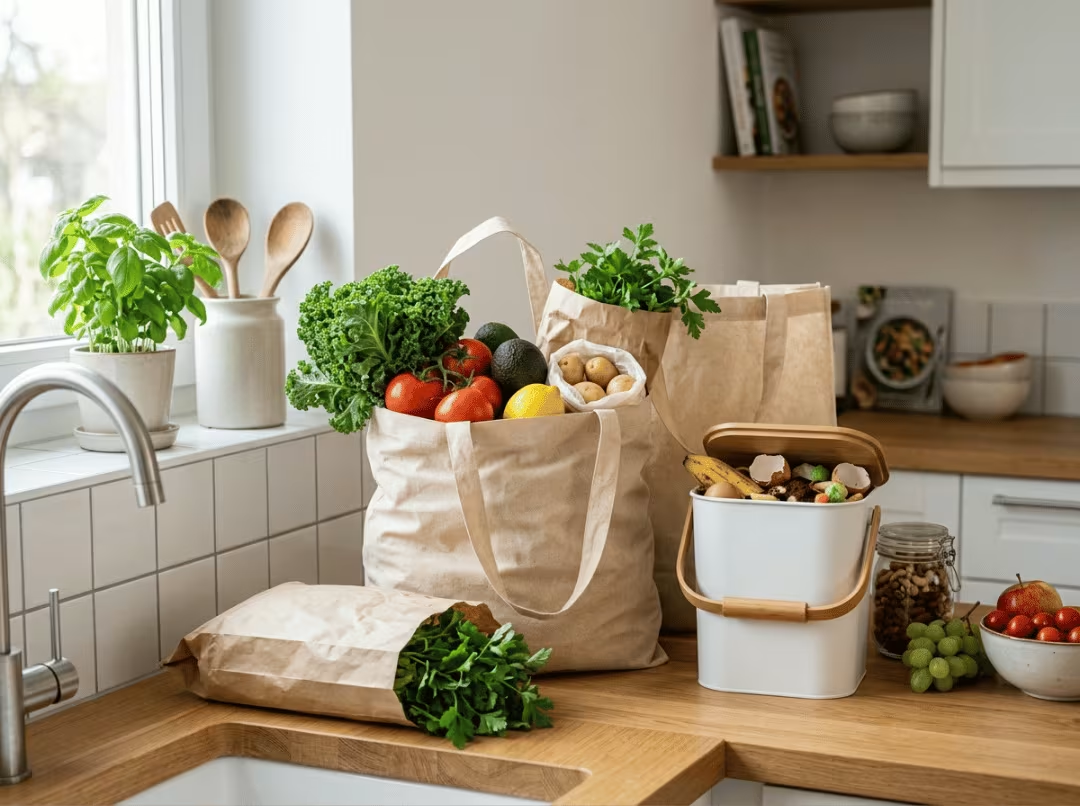
You pick the compostable bag at checkout. It costs a little more, carries a certification logo, and feels like the responsible choice. A few weeks later, it’s sitting in your home compost bin — and nothing seems to be happening.
That uncertainty has a specific answer. Whether a compostable bag actually breaks down depends on three things: what it’s made of, the conditions it encounters, and where it ends up. This article covers all three — material composition, the chemistry of breakdown, what industrial versus home composting actually deliver, and how to make a disposal decision that reflects what the bag can actually do.
What Compostable Shopping Bags Are Made Of
Most compostable bags are built from one of three material types — or a blend of them.
PLA (polylactic acid) is derived from fermented plant sugars, typically corn starch. Rigid and often clear, PLA is the material most consumers encounter when they pick up a “compostable” bag. It looks and feels like conventional plastic, which creates a misleading sense of interchangeability.
PBAT (polybutylene adipate terephthalate) is petroleum-derived but genuinely biodegradable. Flexible and elastic, it’s typically blended with PLA or starch to improve a bag’s durability and compostability profile.
Starch blends — made from potato, corn, or cassava starch — break down faster than PLA across a wider range of conditions, including cooler temperatures. This makes them better suited for home composting environments.
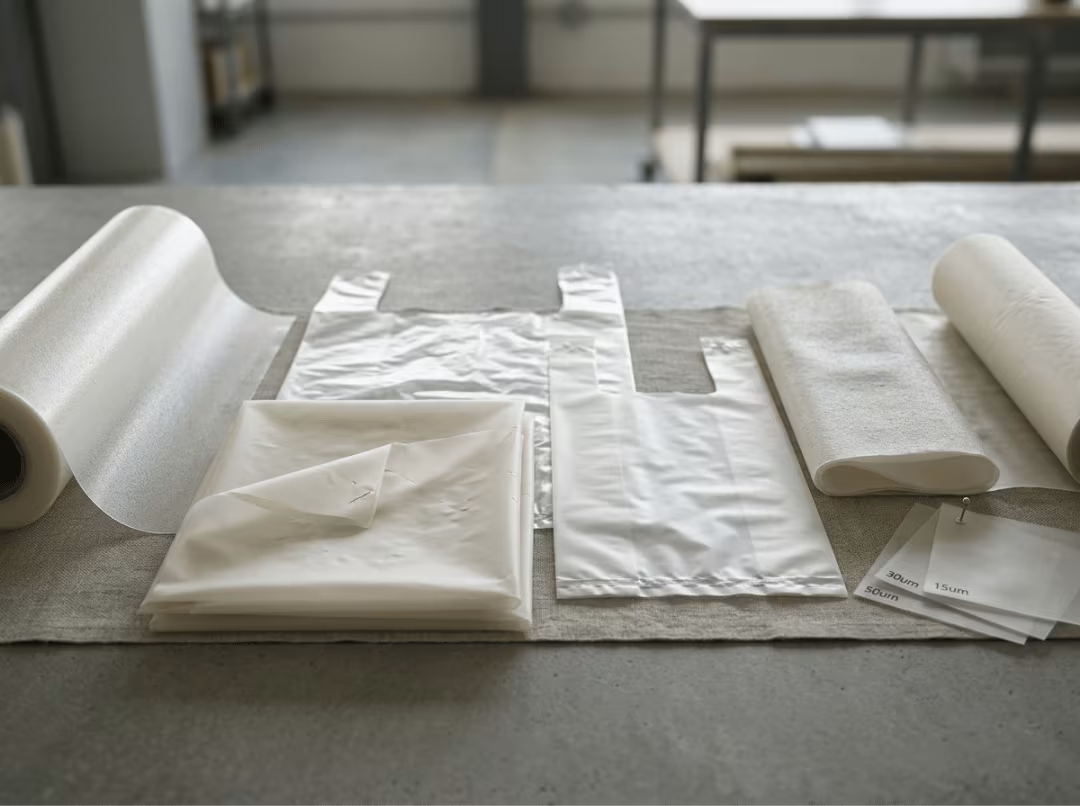
Conventional polyethylene — standard plastic — behaves differently from all three. Polyethylene chains don’t hydrolyze and can’t support microbial digestion. They fragment into microplastics over time but never fully mineralize.
|
Material |
Source |
Typical Use |
Relative Breakdown Speed |
|---|---|---|---|
|
PLA |
Fermented plant sugars (corn) |
Rigid packaging, bags |
Slow without sustained heat |
|
PBAT |
Petroleum co-polymer |
Flexible films, bag blends |
Moderate under composting conditions |
|
Starch blends |
Potato, corn, or cassava |
Bags, films |
Faster; viable at lower temperatures |
|
Polyethylene |
Petroleum |
Conventional plastic bags |
Does not biodegrade |
Being bio-based doesn’t automatically mean fast to compost. The material is only part of the equation — what happens next depends on the environment it ends up in.
The Chemistry of Breakdown
Why does the same type of bag fully mineralize in one setting and sit largely intact in another? The answer lies in two sequential processes: hydrolysis and microbial digestion. Both must occur, in that order, for a bag to break down completely.
Hydrolysis comes first. Water molecules attack the ester bonds that hold polymer chains together, cleaving them into shorter fragments. For PLA and PBAT, this requires heat and moisture. PLA specifically needs sustained temperatures above 55–60°C to hydrolyze at any meaningful rate. Below that threshold, the reaction slows to near zero — and without hydrolysis, nothing else follows.
Microbial digestion comes second. Once polymer chains are short enough, bacteria and fungi can metabolize them, converting the fragments into carbon dioxide, water, and biomass. The critical constraint: microbes can’t digest intact long-chain polymers. Hydrolysis has to happen first. This two-step dependency is why conditions are decisive, not incidental.
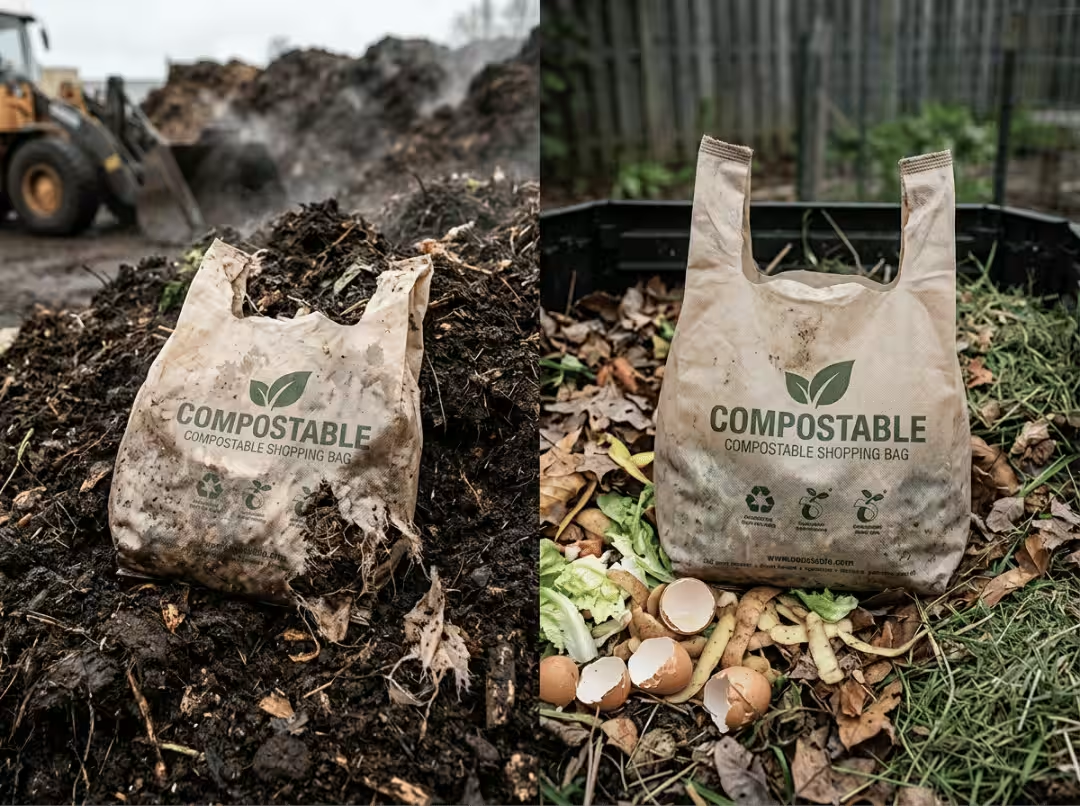
Temperature is the controlling variable throughout. At ambient temperatures of 15–25°C — typical of a home compost bin — PLA hydrolysis essentially stalls. The same PLA bag in an industrial composting facility running at 58°C can fragment and fully mineralize within 12 weeks. That’s not a difference in speed. It’s a difference in outcome.
Starch-based materials are the exception. The bonds in starch are more vulnerable to water attack at lower temperatures, which is why certified starch-blend bags can degrade in home composting conditions that leave a PLA bag structurally intact.
Industrial vs. Home Composting: What Actually Happens
“Compostable” on a label describes what a material is capable of under the right conditions — not what will happen to it in your bin.
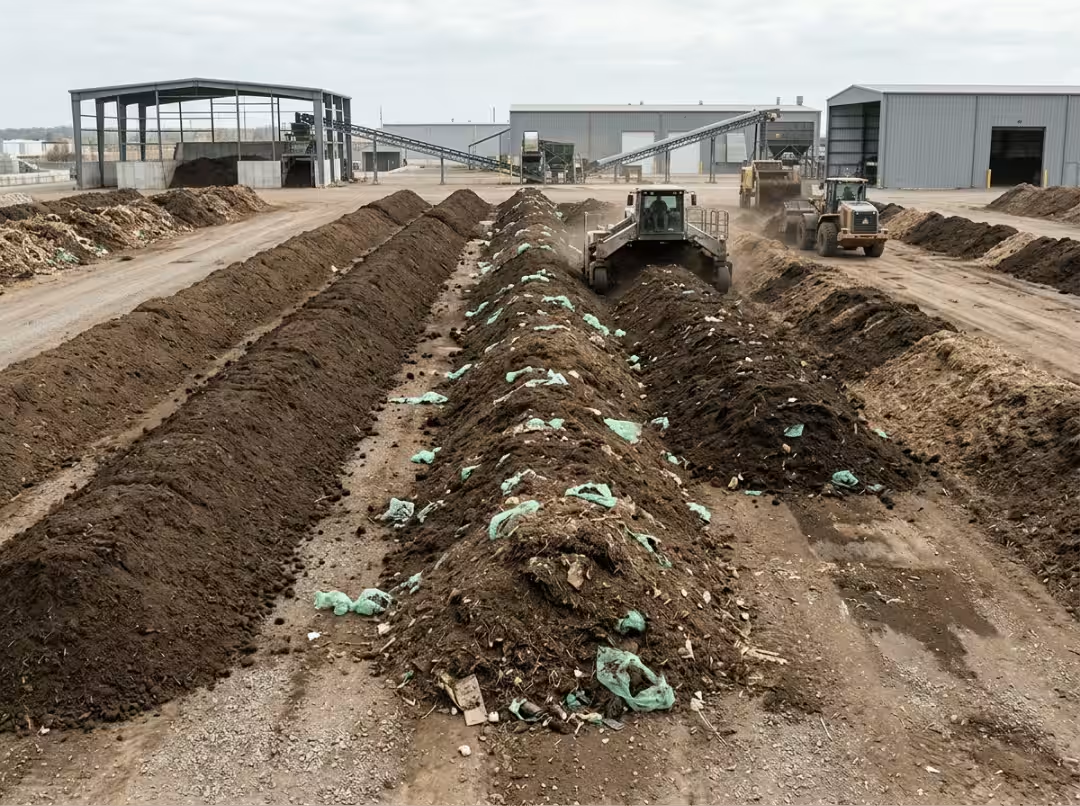
Industrial composting maintains temperatures of 55–70°C with controlled aeration, moisture, and regular turning. Under these conditions, bags certified to ASTM D6400 (North America) or EN 13432 (Europe) typically fragment within 6–12 weeks and fully mineralize within 12–24 weeks. One practical caveat: if a bag arrives at a facility contaminated or mixed with non-compostable materials, it may be rejected and sent to landfill regardless of its certification.
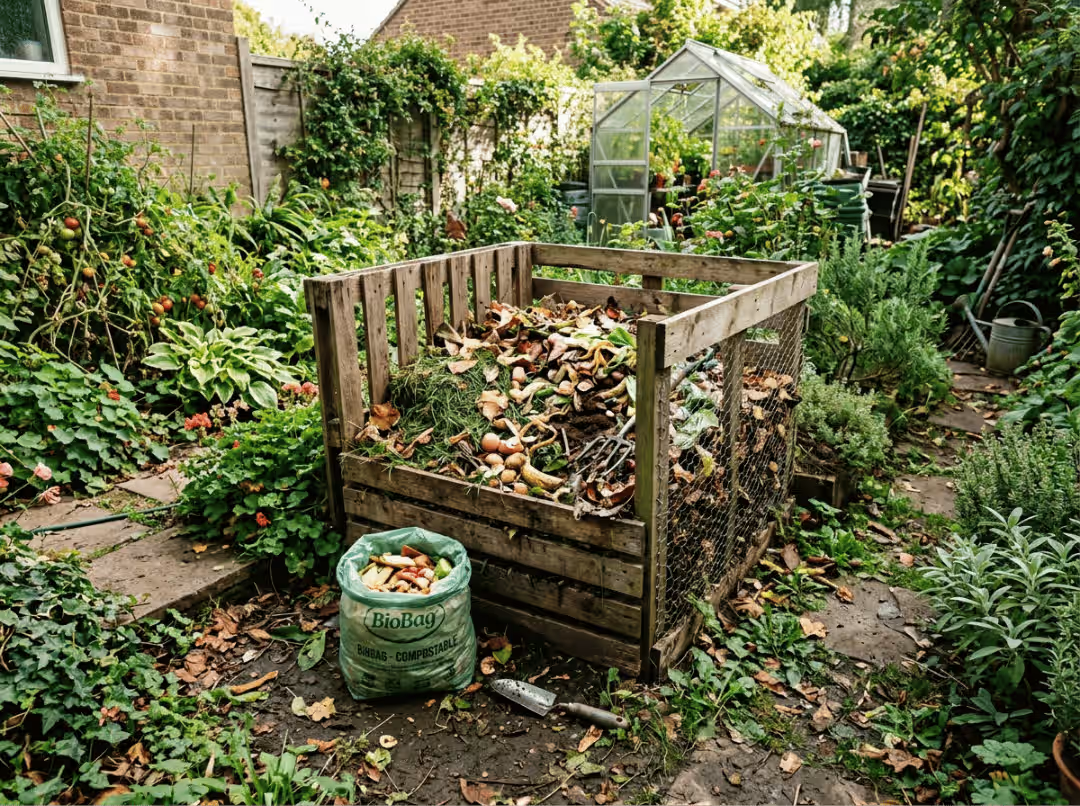
Home composting is a fundamentally different environment. A typical backyard heap runs at 20–35°C — well below PLA’s hydrolysis threshold. PLA bags in a home bin can show little to no degradation after two to five years. Starch-blend bags certified to TÜV Austria OK compost HOME can break down within 6–12 months, but only in an active, well-managed heap with adequate moisture and aeration.
|
Composting Type |
Temperature Range |
Suitable Materials |
Realistic Timeline |
Certification to Look For |
|---|---|---|---|---|
|
Industrial |
55–70°C |
PLA, PBAT, starch blends |
12–24 weeks |
ASTM D6400, EN 13432 |
|
Home |
20–35°C |
Certified starch blends only |
6–12 months |
TÜV Austria OK compost HOME |
Landfills and marine environments are worth addressing directly. Certified compostable bags don’t break down meaningfully in either. Landfills are largely anaerobic — low-oxygen, low-temperature environments that shut down the aerobic microbial activity composting depends on. Cold seawater dramatically slows hydrolysis. A compostable bag that ends up in the ocean or a landfill cell behaves much like ordinary plastic within any practical timeframe. Compostability is not a solution to ocean plastic pollution, and it’s not a license to treat disposal casually.
Compostable vs. Biodegradable vs. Recyclable
These three terms are frequently misused — and the distinctions carry real consequences.
Compostable means the material breaks down into CO₂, water, and biomass within a defined timeframe under specified conditions. The claim is only meaningful when backed by third-party certification.
Biodegradable has no standardized definition in most markets. There’s no required timeframe, no required end product, and no certification process. A bag labeled “biodegradable” without supporting certification is a marketing claim, not a performance guarantee. Technically, conventional plastic is biodegradable too — just over hundreds of years.
Recyclable means the material is designed to re-enter a material recovery stream. Compostable bags are not recyclable. They’re chemically incompatible with conventional polyethylene recycling and can contaminate an entire batch of recyclate if they enter a curbside plastic collection.
If a bag carries a compostable claim but no recognized certification mark, treat the claim as unverified.
How to Choose and Dispose of Compostable Bags Correctly
Getting the intended benefit from a compostable bag comes down to three decisions made in the right sequence.
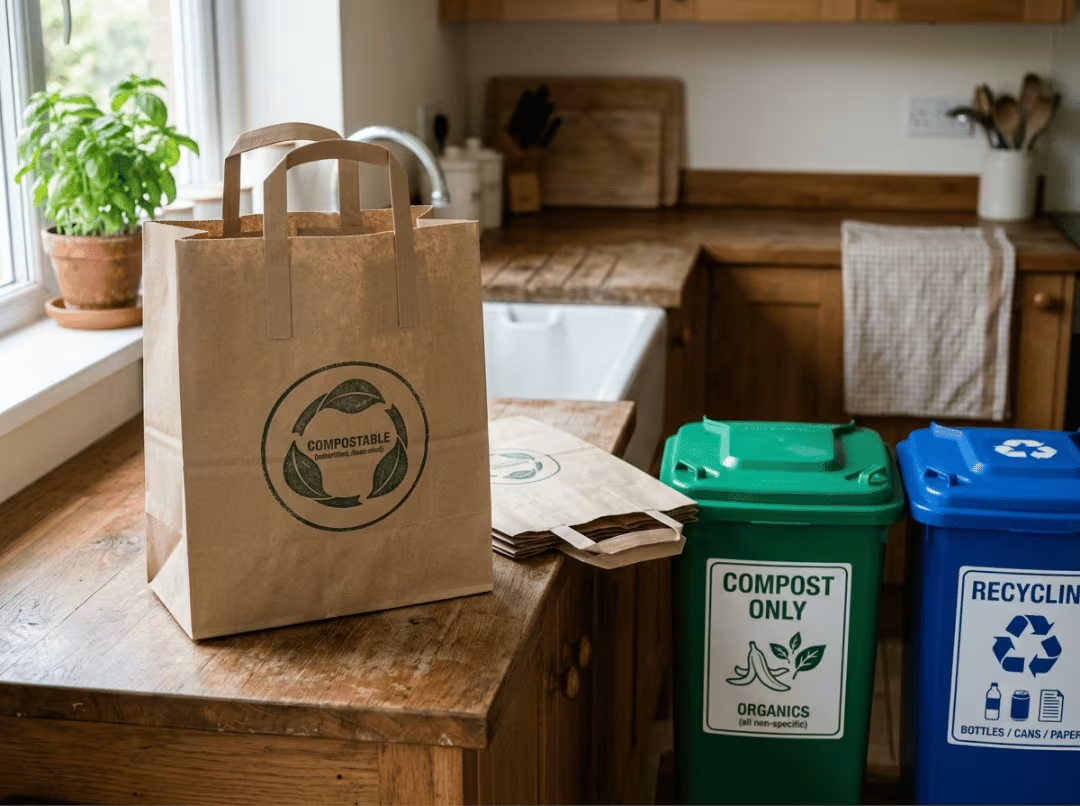
Check the certification first. The marks that indicate independently verified compostability are BPI (referencing ASTM D6400, North America), EN 13432 (Europe), and TÜV Austria OK compost HOME (for home composting specifically). These marks are usually printed on the bag or listed in the product specifications. No mark means no verified claim.
Verify local disposal infrastructure before buying. A certified compostable bag that ends up in a general waste bin will go to landfill — and will not compost. Check your municipal waste authority’s website or contact your local composting program to confirm whether compostable bags are accepted in organics collection. Many areas still don’t have the infrastructure to process them correctly.
Match the material to the disposal route. Starch-blend bags with OK compost HOME certification belong in an active home compost heap. Bags certified to ASTM D6400 or EN 13432 require industrial composting. No compostable bag — regardless of certification — belongs in a curbside plastic recycling bin.
Frequently Asked Questions
Can I compost these bags at home?
Only if the bag carries TÜV Austria OK compost HOME certification. PLA bags certified to ASTM D6400 or EN 13432 are designed for industrial composting temperatures and won’t break down in a typical backyard heap within any reasonable timeframe.
What happens to a compostable bag in a landfill or the ocean?
It persists — much like conventional plastic. Landfills are anaerobic and too cool for the composting process to function. Cold seawater slows hydrolysis to a near standstill. Neither environment produces the outcome the label implies.
What’s the actual difference between “compostable” and “biodegradable”?
Compostable is a certified, time-bound claim with a defined end state. Biodegradable has no regulated definition in most markets — no required timeframe, no required outcome, no certification standard. Without a certification mark, “biodegradable” is a marketing term that tells you very little.
Will compostable bags contaminate my plastic recycling?
Yes. Compostable materials are chemically incompatible with conventional plastic recycling streams. They don’t belong in a curbside recycling bin, even if they look like plastic.
How long does it actually take for one of these bags to break down?
In certified industrial composting: 12–24 weeks. In home composting with a certified starch-blend bag and an active heap: 6–12 months. PLA in a backyard compost bin: potentially years, with little or no meaningful breakdown.
The Label Tells You the Potential. The Bin Determines the Outcome.
Compostable shopping bags can offer a genuine improvement over conventional plastic — but the benefit depends entirely on where they end up. A certified bag that reaches an industrial composting facility does what it claims. The same bag in a landfill or recycling bin does not.
Before your next purchase, check for a recognized certification mark and confirm that your local infrastructure can actually process it. If that infrastructure doesn’t exist where you are, a reusable bag is the more honest choice.
For businesses evaluating compostable packaging at scale — in retail, food service, or e-commerce — the specification should align with the end-of-life infrastructure available to your customers. Getting the material right is only half the decision; the other half is making sure it can actually be composted.
If you’re sourcing certified compostable bags or looking for packaging that meets both industrial and home composting standards, look for suppliers who can show verified certification documentation — not just a logo on the box.