


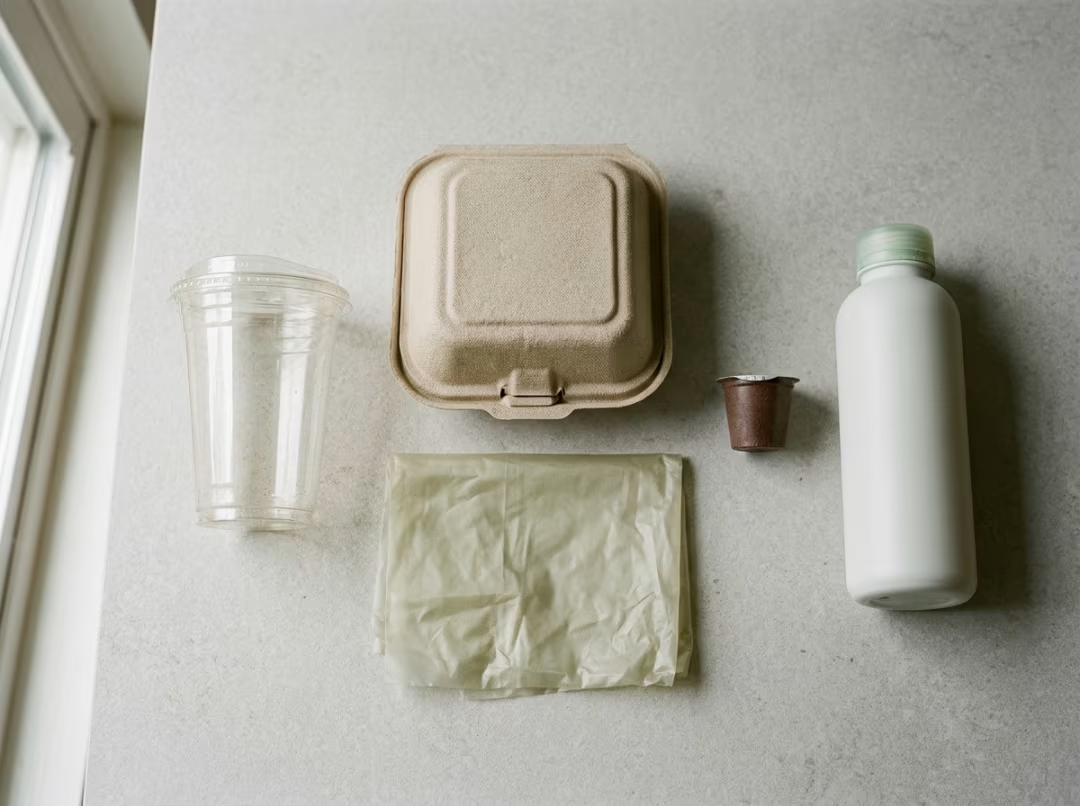
Bioplastics are already in your kitchen. They show up in grocery bags, takeout boxes, coffee pods, tea bags, and the sticker on your apple. You probably touch a few every day without noticing.
Here’s where it gets tricky. You finish a salad from a container stamped “compostable,” toss it in the trash, and feel good about it. But that box may only break down inside an industrial facility, not your backyard bin. And “biodegradable”? That word has no set timeframe. It could mean months, or decades.
Most shoppers can’t tell the difference. That’s a problem, because these are separate properties, and the label rarely spells it out.
This guide walks through 10 everyday bioplastic products and gives you a simple way to figure out how to dispose of each one correctly.
Why Bioplastics Are So Easy to Misread
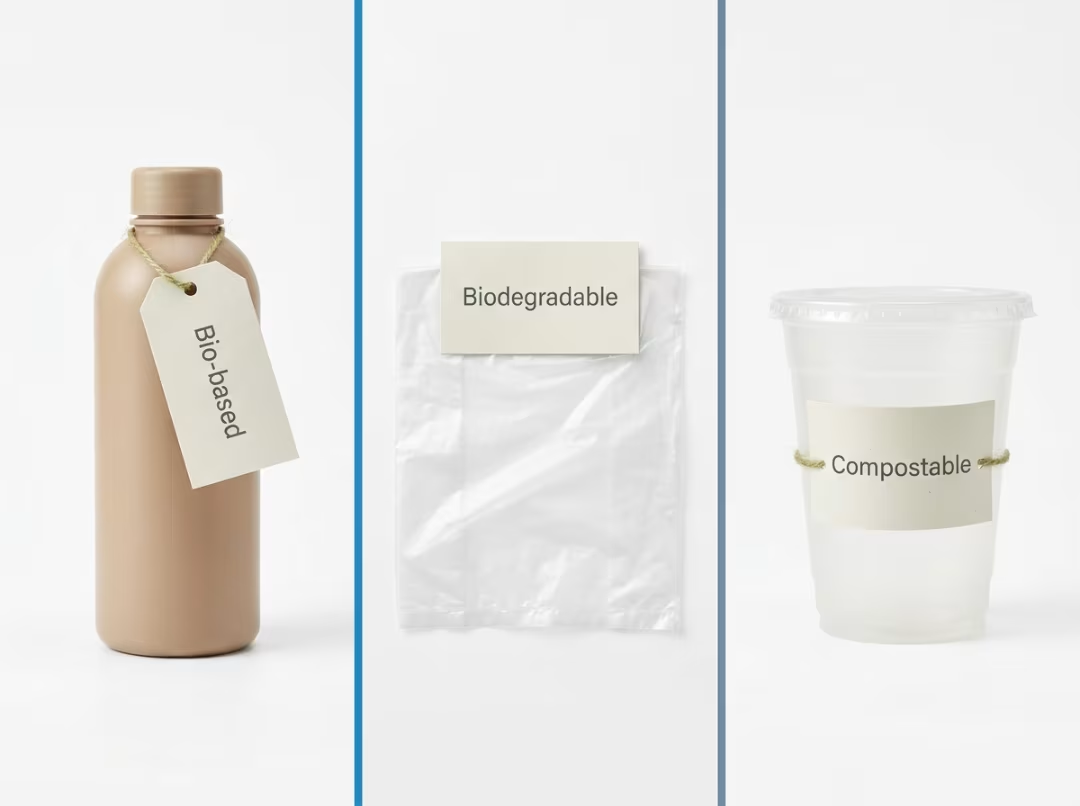
Marketing copy treats “bio-based,” “biodegradable,” and “compostable” as interchangeable. They’re not. Each term describes a distinct, independently verifiable property, and confusing them is the single biggest reason people misdispose of bioplastic products.
Bio-based describes where a material comes from, not what happens to it afterward. A bio-based plastic uses renewable biomass — corn starch, sugarcane, cellulose — instead of petroleum as its feedstock. It says nothing about whether the material will ever break down after disposal. Bio-PET is a clear example: it’s partly plant-derived, but it behaves exactly like petroleum-based PET once it reaches a landfill.
Biodegradable describes a process, not a promise. It means a material breaks down through microbial action, but the term carries no defined timeframe or environmental conditions. A “biodegradable” bag might vanish within six months in a warm, microbe-rich environment, or sit intact for decades in a dry landfill where those microorganisms can’t function. Without a specified timeframe, “biodegradable” behaves more like a marketing claim than a technical guarantee.
Compostable is the most specific and most useful of the three. A genuinely compostable material breaks down into water, carbon dioxide, and biomass within a defined timeframe, under defined conditions, without leaving toxic residue. It’s also the only term of the three tied to enforceable certification standards — which is exactly why the certification logo on a package matters more than the word “compostable” printed next to it.
Bio-PET sits alone as bio-based without being biodegradable or compostable. It’s partly plant-derived but chemically identical to conventional PET, which makes it recyclable through standard plastic streams. A product can be bio-based without being remotely eco-friendly at disposal, and that gap is where most greenwashing lives.
The 4 Materials You’ll See Most Often
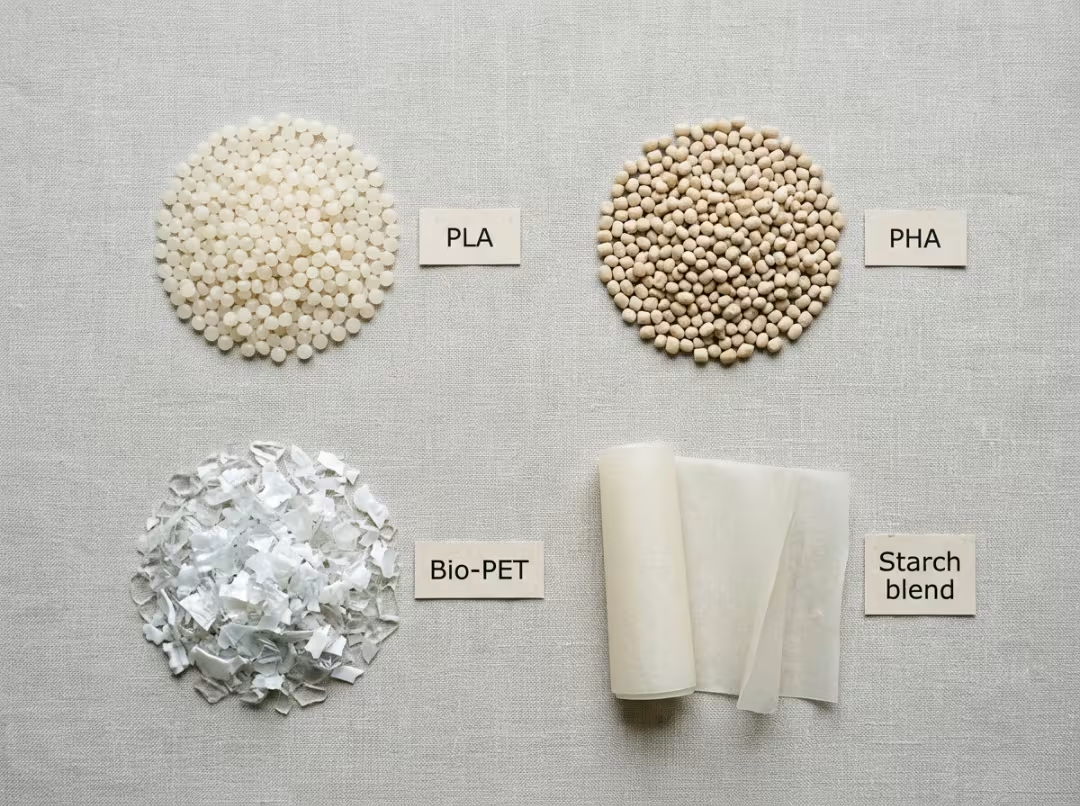
Once you understand that bio-based, biodegradable, and compostable are separate properties, the next question is which material you’re actually holding. Four materials account for the overwhelming majority of bioplastic products on shelves today.
PLA (Polylactic Acid) comes from fermented plant starch, usually corn or sugarcane. It’s the most common bioplastic in consumer goods — cups, cutlery, films, rigid containers — largely because it’s cost-competitive with conventional plastic. PLA is compostable only under industrial conditions. Left in a backyard pile or a landfill, it behaves much closer to conventional plastic than most shoppers expect.
PHA (Polyhydroxyalkanoates) is produced by microorganisms that ferment plant oils or sugars and store the resulting polymer inside their own cells. PHA is one of the few bioplastics that biodegrades in marine and home compost environments, without needing the elevated heat of an industrial facility. It appears less often than PLA, mainly because it costs more to produce and isn’t yet available at the same scale.
Bio-PET is chemically identical to standard PET — the plastic used in most beverage bottles — except some or all of its feedstock is plant-derived rather than petroleum-derived. Because the molecular structure doesn’t change, Bio-PET runs through existing PET recycling streams. It’s neither biodegradable nor compostable.
Starch blends combine starch with other polymers to improve durability or flexibility. How compostable a starch blend is depends heavily on the exact formulation, which makes this category the hardest to generalize about. Two products labeled “starch-based” can behave completely differently once they hit a compost pile.
PLA vs. PHA: Which One Is More Practical?
PLA and PHA get compared constantly because they’re the two “true” bioplastics on this list — materials that are bio-based, biodegradable, and often compostable, rather than bio-based alone like Bio-PET.
PHA wins on disposal flexibility. Where PLA needs the sustained heat and moisture of an industrial facility to break down in a reasonable window, PHA biodegrades across a much wider range of conditions, including home compost piles and marine environments. That flexibility costs money: PHA is more expensive to manufacture and far less common in mass-market packaging.
PLA dominates the market for the opposite reason — it’s cheaper and easier to produce at scale. The tradeoff is that PLA’s real-world sustainability depends entirely on whether the product actually reaches an industrial composting stream. Choose PHA-based products if your disposal options are limited to home composting. Choose PLA if you’ve confirmed access to municipal industrial composting; it’s a perfectly reasonable option in that scenario, just not a universal one.
10 Bioplastic Examples in Everyday Products
This is where the theory meets the shopping cart. These ten categories cover most of the bioplastic products a typical household encounters, along with the material most likely used and the disposal path that actually works. The first few show up constantly and carry the most disposal risk; the later ones are smaller but still worth getting right.
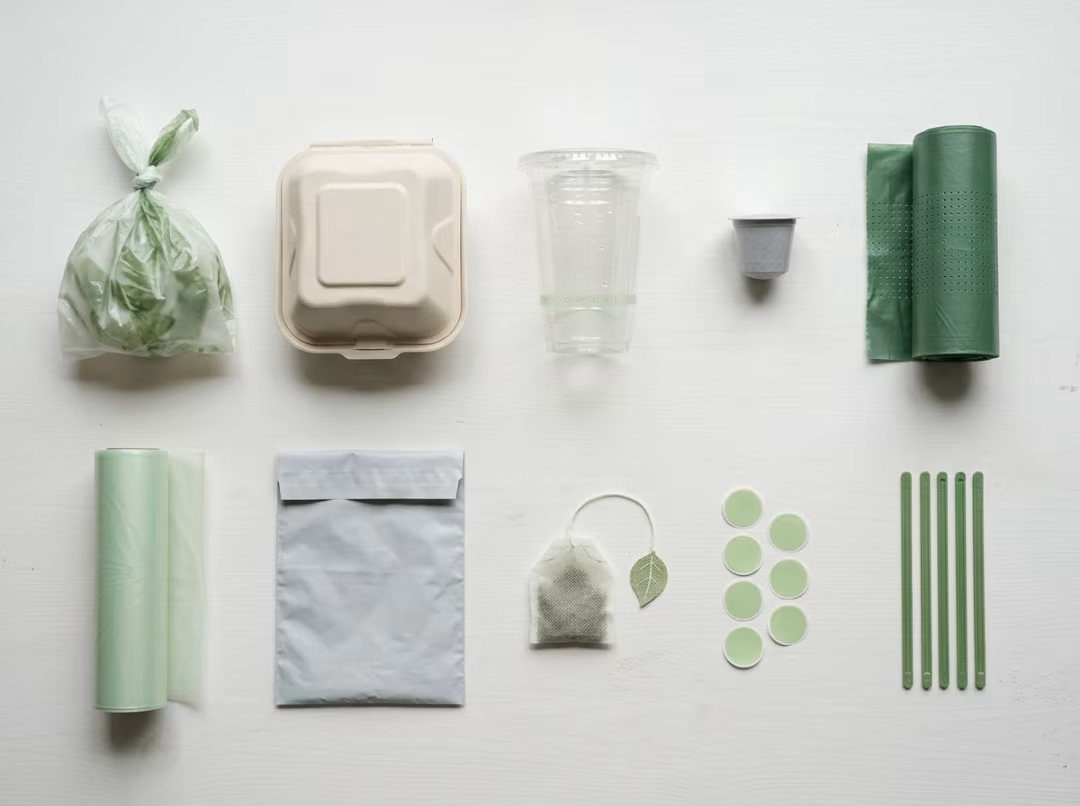
1. Grocery and produce bags. Usually PLA or a starch blend. Shoppers often assume these are backyard-compostable because they tear like paper. In reality, most need industrial composting, and even a small percentage mixed into curbside recycling can contaminate an entire batch of plastic film.
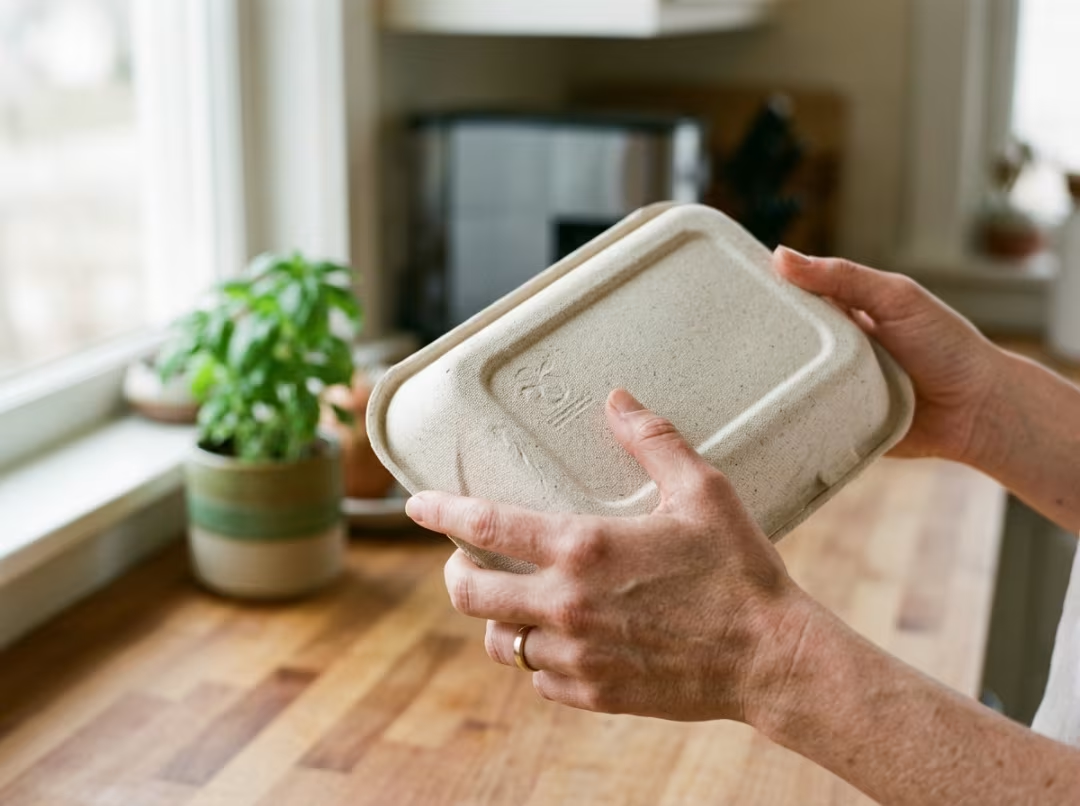
2. Takeout containers and clamshells. Frequently PLA, sometimes a starch blend for rigid shapes. The common mistake is dropping a container labeled “compostable” into a home compost bin. Unless it’s specifically certified for home composting — which is rare — it needs an industrial facility, or it belongs in the trash.
3. Cold cups, lids, and beverage bottles. Cold cups often use PLA; bottles are increasingly made with Bio-PET, marketed as a “plant-based” upgrade. Assuming plant-based automatically means biodegradable is the trap here. Bio-PET belongs in your standard recycling bin, not a compost bin, and PLA cups need industrial composting to break down properly.
4. Coffee pods. Increasingly built with PLA components, sometimes paired with a paper or foil layer. Assuming the whole pod is compostable because the shell is causes problems downstream. Mixed-material pods often need to be pulled apart before disposal, and the wet grounds trapped inside slow the composting process further.
5. Compost bin liners. Usually PLA or a starch blend, sold specifically for lining countertop compost bins. Buyers often assume a bag marketed for composting is automatically home-compostable. Many of these liners are certified for industrial facilities only, so check the packaging for a home-compost certification before tossing one into a backyard pile.
6. Packaging films and produce wraps. Typically PLA or a starch-blend film. Thin, flexible film looks like it should disappear outdoors quickly, but films are actually among the trickiest bioplastics to compost properly. Their thinness can cause fragmentation before they fully break down, especially outside industrial conditions.
7. Mailer bags and e-commerce packaging. Frequently PLA or starch-blend film. Shoppers see “compostable mailer” and assume it belongs in curbside yard waste. Most need an industrial facility, and without that access, they should go in the trash rather than recycling, where they contaminate plastic film streams.
8. Tea bags and single-serve filters. A growing share use PLA-based sealing fibers instead of traditional polypropylene. Tossing the whole bag into a home compost pile because it’s marketed as “plastic-free” is a common error. The PLA seal may not break down at backyard temperatures, leaving small plastic fragments behind long after the tea leaves have decomposed.
9. Produce stickers, tape, and labels. Small, easy to overlook, and sometimes made from bio-based films. People leave them stuck to fruit and vegetable scraps headed for compost, assuming something that tiny can’t matter. In practice, non-compostable stickers are a leading source of plastic contamination in municipal food-waste composting programs.
10. Stirrers and small disposable serviceware. Often PLA, sometimes blended with wood fiber for rigidity. Because these items don’t feel like conventional plastic, people treat them like paper products. They follow the same rule as takeout containers: industrial composting only, unless a home-compost certification says otherwise.
What “Compostable” Usually Means in Practice
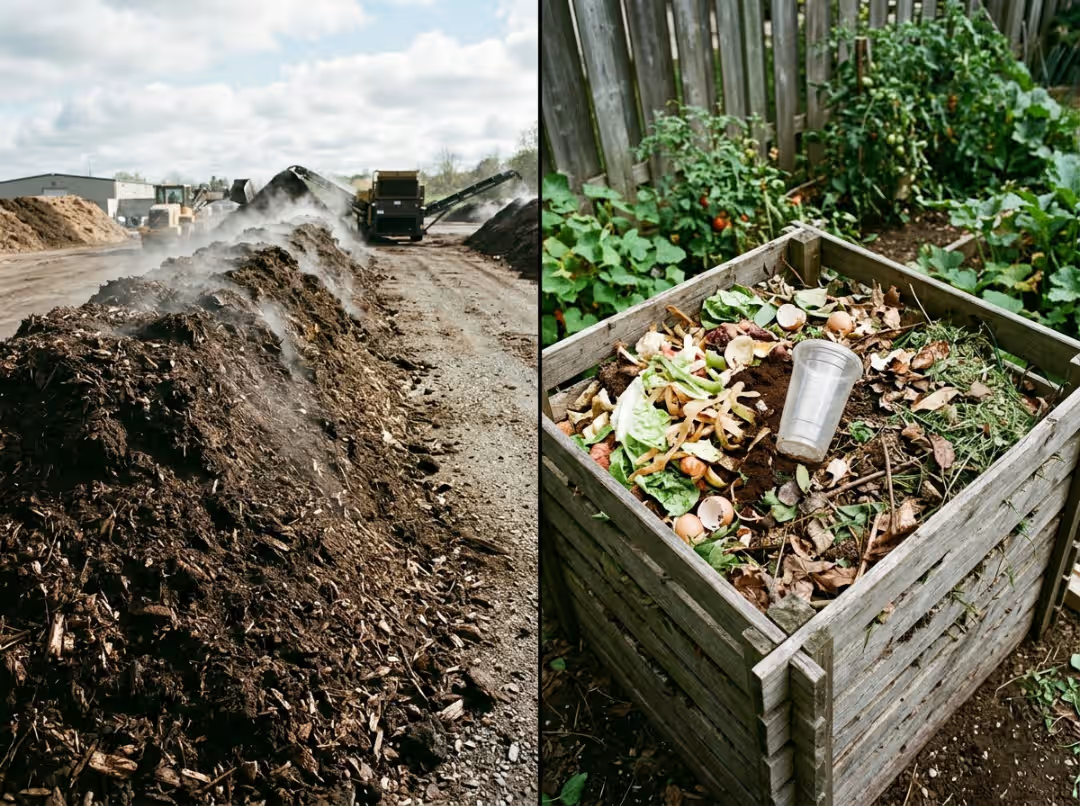
The single biggest gap between what a “compostable” label promises and what actually happens is the difference between industrial and home composting conditions.
Industrial composting facilities run at sustained temperatures of roughly 55 to 70°C, with controlled moisture and regular mechanical turning to keep oxygen flowing. Those conditions push microbial activity far beyond what’s achievable in a backyard bin, which typically sits closer to ambient outdoor temperature. Most “compostable” labels on consumer packaging apply specifically to industrial facilities, not to the pile behind your house.
Consider someone buying a PLA cold cup labeled “compostable,” tossing it into their backyard pile expecting it to vanish alongside vegetable scraps, then finding it fully intact months later. That’s not a composting mistake — it’s a mismatch between the material’s certification and the environment it landed in. PLA needs industrial heat to break down within a reasonable window; a home pile simply doesn’t get hot enough.
This mismatch creates a second, less visible problem: recycling contamination. Bioplastics that look like conventional plastic — clear cups, clamshells, thin films — frequently end up in curbside recycling bins by mistake. Because bioplastics have a different chemical structure than the PET or HDPE that recycling facilities are built to process, even small amounts of contamination can degrade an entire batch of recycled plastic, sometimes forcing facilities to send the whole load to landfill instead.
A “compostable” or “biodegradable” label doesn’t tell you what to do with a product. It tells you what’s possible under the right conditions, and your household may or may not have those conditions.
How to Tell What Bin It Belongs In
Rather than memorizing every material code, use this checklist to make a fast, reliable disposal call at the point of purchase or at the trash can.
- Check for a certification logo, and read which version it is. Look for BPI (Biodegradable Products Institute) certification or a TÜV OK Compost mark. TÜV distinguishes between OK Compost INDUSTRIAL and OK Compost HOME, and that distinction changes where the product belongs. No certification logo — just a vague claim like “eco-friendly” — means the product is unverified.
- Identify the resin or material code. Many bioplastic products print a resin identification number or material abbreviation (PLA, PHA, and so on) near the certification mark or on the base of the item. This tells you the actual disposal category, independent of the marketing copy on the front.
- Match the label to your local infrastructure. A certified industrial-compostable product only matters if your city or a private hauler actually runs a facility that accepts it. Check your municipal composting program directory before assuming any “compostable” item belongs in your green bin.
- When in doubt, default to trash over recycling. If you can’t confirm certification, material, or local access, don’t guess by putting it in recycling. Misplaced bioplastics are a documented source of contamination in recycling streams, and one misidentified item can cause more damage there than sending it to a landfill.
Sustainability here isn’t determined by the material alone; it’s determined by whether a certified claim matches infrastructure you actually have. A PLA cup and a PHA cup can look identical on a shelf, but one belongs in industrial compost and the other might genuinely break down in your backyard. The checklist above is how you tell the difference.
Are Bioplastics Actually a Better Choice?
The honest answer depends on what “better” means to you, and what happens after disposal.
If your priority is reducing petroleum use, bio-based materials like PLA and Bio-PET are a clear improvement. They draw on renewable feedstock instead of fossil fuels, regardless of what happens at end of life.
If your priority is what happens after you throw something away, the calculation changes. A PLA container that ends up in a landfill because no industrial facility exists nearby offers little practical advantage over conventional plastic in that same landfill — it just took a different manufacturing path to get there. In that scenario, PHA or a genuinely home-compostable product delivers a real disposal benefit; PLA without industrial access doesn’t.
If your priority is recyclability, Bio-PET is arguably the safest bet, since it slots directly into existing PET recycling infrastructure without requiring any new systems.
Choose bio-based-only materials like Bio-PET if recyclability matters most and you have reliable access to plastic recycling. Choose PHA if home composting is your only realistic disposal path. Choose PLA only if you’ve confirmed access to industrial composting; otherwise, its advantage over conventional plastic shrinks considerably.
What to Choose in the Store
Faced with two nearly identical products on a shelf, here’s a practical way to decide:
- Start with your disposal access, not the packaging claim. If you don’t have industrial composting nearby, a product’s PLA certification won’t help you. Favor recyclable options (Bio-PET) or genuinely home-compostable ones (certified PHA) instead.
- Treat certification logos as the deciding factor, not the word “compostable.” A package that says “compostable” with no BPI or TÜV mark is telling you less than you think.
- Weigh cost against actual impact. PHA products often cost more; that premium is only worth paying if you’ll use the disposal path that makes PHA meaningful — home composting or marine-adjacent settings.
- Don’t let small items slide. Stickers, tea bag seals, and pod linings are easy to ignore, but they’re disproportionately responsible for compost and recycling contamination given their size.
None of this requires becoming a materials scientist. It just means treating the certification logo as the primary signal and the word “compostable” as a starting point for verification, not a final answer.
FAQ
What’s the difference between a bioplastic and a regular plastic?
A bioplastic is made wholly or partly from renewable biomass, such as corn starch or sugarcane, instead of petroleum. That difference describes the source material only. It doesn’t automatically mean the plastic is biodegradable or compostable.
Do bioplastic products cost more than conventional plastic?
It depends on the material. PLA is generally cost-competitive with conventional plastic, which is why it dominates consumer packaging. PHA costs more to manufacture, which is why it shows up less often despite its broader composting flexibility.
How long does it take a bioplastic product to break down?
There’s no single answer, because “biodegradable” carries no legal timeframe. A certified compostable PLA product typically breaks down within weeks to a few months in an industrial facility. The same item left in a landfill or backyard pile can remain intact far longer, sometimes indefinitely.
What’s the risk of putting a bioplastic item in the wrong bin?
Bioplastics placed in curbside recycling can contaminate a batch of recyclable plastic, since their chemical structure differs from conventional PET or HDPE, sometimes causing facilities to send the whole load to landfill. Bioplastics placed in a home compost pile without home-compost certification typically just sit there without breaking down.
Are there alternatives if I don’t have access to industrial composting?
Yes. Look for products made with PHA or specifically certified for home composting, such as those carrying a TÜV OK Compost HOME mark. If neither is available, Bio-PET items can go into standard plastic recycling instead of compost or trash.
Who actually needs to pay attention to these distinctions?
Anyone who regularly buys packaged food, takeout, or e-commerce shipments and wants their disposal choices to match the product’s actual certification. Households with access to municipal industrial composting benefit most from choosing PLA products; those without it get more practical value from PHA or Bio-PET.
Read the Label, Know Your System
Bioplastic is an umbrella term, not a single material or a single promise. Whether something is bio-based, biodegradable, or compostable are three separate questions, and a product can answer yes to one, all three, or none. The ten examples above — bags, containers, cups, pods, liners, films, mailers, tea bags, stickers, and serviceware — show how differently these materials behave once they leave the shelf.
The label alone can’t make the disposal decision for you. Certification logos, paired with a clear read on your local composting infrastructure, are what actually determine whether a “compostable” claim holds up in practice. Before your next grocery run, spend five minutes checking whether your city runs an industrial composting program and what it accepts. That single piece of information will do more for your household’s real environmental impact than any amount of label-reading at checkout.
Keep the four-step framework in mind the next time you’re comparing two nearly identical containers. It’s a small habit, but it’s the difference between a product that genuinely breaks down and one that just looks like it will.