


Did you know that the average wedding generates 400 pounds of waste and 63 tons of CO2 emissions? For couples planning their big day, sustainability often feels like an afterthought amidst the whirlwind of decisions. But imagine hosting a wedding where every detail, down to the plates, reflects your commitment to the planet.
Eco-friendly disposable plates offer a perfect balance of style, convenience, and sustainability. Made from renewable materials like bamboo, palm leaves, or bagasse, these plates not only reduce waste but also add a natural, elegant touch to your wedding decor. They eliminate the need for washing up, making them practical for large gatherings, while ensuring your event leaves a lighter environmental footprint.
This guide will walk you through everything you need to know about choosing and using sustainable plates for your wedding. From understanding the best materials to matching plates with your wedding theme, you’ll gain the tools to make informed, eco-conscious decisions. Whether you’re planning a rustic outdoor celebration or a chic indoor reception, these tips will help you create a memorable event that aligns with your values.
Choosing the Best Eco-Friendly Plates for Your Wedding
Selecting the right eco-friendly plates for your wedding involves more than just picking a sustainable option—it’s about finding plates that align with your event’s style, functionality, and environmental goals. Let’s explore the best materials and key features to help you make an informed choice.
Material Options
The material of your plates sets the tone for both the aesthetic and the environmental impact of your wedding. Here’s a breakdown of popular options:
- Bamboo: Bamboo plates offer a sleek, natural aesthetic that complements both rustic and modern wedding themes. They are incredibly durable, making them ideal for heavy meals or multi-course dinners. Fully compostable, bamboo plates break down quickly in composting systems, leaving no harmful residue behind.
- Palm Leaf: If you’re aiming for a rustic or boho vibe, palm leaf plates deliver charm and functionality. Made from fallen palm leaves, these plates are sturdy enough to handle saucy or oily dishes without leaking. Each plate has a unique texture and pattern, adding a touch of individuality to your table settings.
- Sugarcane/Bagasse: Plates made from sugarcane fiber, or bagasse, are a versatile and sustainable choice. They are sturdy, microwave-safe, and compostable, making them perfect for weddings with a mix of hot and cold dishes. Their clean, white appearance works well with a variety of decor styles.
- Recycled Paper: Recycled paper plates are lightweight and customizable, allowing you to print designs or messages that match your wedding theme. However, pay attention to coatings—some plates have plastic or wax linings that can affect recyclability or compostability. Opt for uncoated or certified compostable options when possible.
- Bioplastic (PLA): For a modern, clear aesthetic, PLA plates offer a unique look. Made from plant-based materials, they are compostable but require industrial composting facilities to break down properly. These plates work well for lighter meals or dessert tables but may not be as sturdy as other options.
Key Features
Once you’ve chosen a material, focus on the features that will ensure your plates perform well during the event.
- Durability and Strength for Heavy Meals: Weddings often feature hearty meals, so your plates need to handle the weight of entrees, sides, and sauces without bending or leaking. Bamboo, palm leaf, and bagasse plates excel in this area, offering the strength needed for a stress-free dining experience.
- Design and Style to Match Wedding Themes: Your plates should enhance your wedding’s aesthetic, not detract from it. Bamboo and palm leaf plates bring a natural, earthy feel, while bagasse and recycled paper plates offer a clean, minimalist look. For a modern or elegant theme, consider PLA plates for their sleek, transparent design.
- Compostability and Proper Disposal Options: To maximize the environmental benefits, ensure your plates are compostable and plan for proper disposal. Provide clearly labeled compost bins at your venue and educate guests on where to discard their plates. If industrial composting isn’t available, choose materials like bamboo or bagasse that can break down in home compost systems.
By carefully considering materials and features, you can select eco-friendly plates that not only meet your practical needs but also align with your wedding’s style and sustainability goals. In the next section, we’ll discuss how to pair these plates with other sustainable tableware to create a cohesive and eco-conscious dining experience.
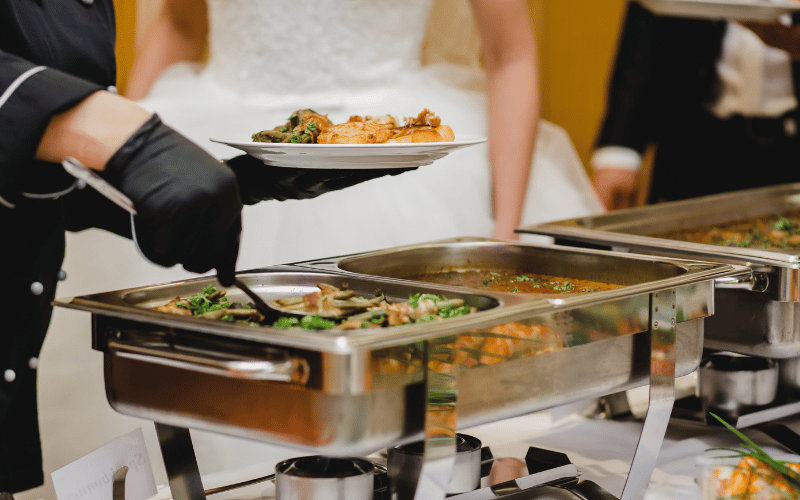
Benefits of Eco-Friendly Disposable Plates
Eco-friendly disposable plates offer a unique combination of practicality, style, and sustainability, making them an excellent choice for weddings and other events. Let’s dive into the specific benefits they bring to the table.
Convenience
When planning a wedding, convenience often becomes a top priority, especially for large guest lists or outdoor venues.
- No Dishwashing or Rental Fees: With eco-friendly disposable plates, you eliminate the need for washing dishes or renting tableware. This not only saves time but also reduces the logistical hassle of coordinating returns or cleaning services.
- Easy Cleanup for Outdoor or Remote Venues: For weddings held in gardens, beaches, or other remote locations, disposable plates simplify cleanup. Guests can easily discard their plates in designated compost bins, leaving you with less to worry about after the celebration.
Aesthetic
Eco-friendly plates don’t just perform well—they also look stunning and can elevate your wedding decor.
- Variety of Shapes, Sizes, and Finishes: From sleek, modern designs to rustic, textured finishes, these plates come in a wide range of styles to suit any wedding theme. Bamboo plates, for example, offer a polished, natural look, while palm leaf plates add a rustic charm with their unique patterns.
- Personalization Options Like Stamps or Decals: Many eco-friendly plates, especially those made from recycled paper, can be customized with stamps, decals, or printed designs. Add your wedding monogram, a meaningful quote, or a thank-you message to make the plates a memorable part of your event.
Environmental Impact
The true value of eco-friendly disposable plates lies in their ability to reduce your wedding’s environmental footprint.
- Reduces Waste and Supports Sustainable Practices: Unlike traditional disposable plates made from plastic or foam, eco-friendly options decompose naturally, leaving no harmful residues. Materials like bagasse, bamboo, and palm leaves are renewable and biodegradable, making them a responsible choice for the planet.
- Saves Water and Energy Compared to Traditional Dishwashing: By using disposable plates, you avoid the water and energy consumption associated with washing large quantities of dishes. This is especially impactful for events with hundreds of guests, where traditional dishwashing can strain resources.
By choosing eco-friendly disposable plates, you not only simplify your wedding logistics but also make a meaningful contribution to sustainability. In the next section, we’ll explore how to pair these plates with other eco-conscious tableware to create a cohesive and environmentally friendly dining experience.
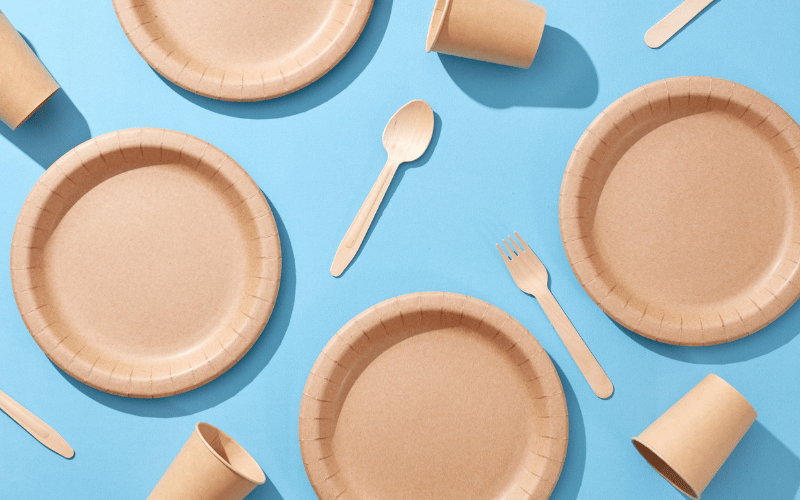
Creative Presentation Ideas
Eco-friendly disposable plates don’t just serve a functional purpose—they can also enhance the visual appeal of your wedding. With thoughtful presentation, these plates can seamlessly blend into your decor while making a statement about sustainability.
Layering and Stacking
Layering and stacking plates is a simple yet effective way to create a polished and cohesive look.
- Use Different Sizes for a Cohesive Look: Pair larger dinner plates with smaller salad or dessert plates to add dimension to your table settings. For example, a sturdy bagasse dinner plate can serve as the base, while a smaller bamboo or palm leaf plate sits on top, ready for appetizers or desserts. This layering not only looks elegant but also helps guests easily navigate their meal courses.
- Combine Materials for Visual Interest: Don’t be afraid to mix and match materials. A palm leaf plate paired with a bamboo charger creates a rustic yet refined aesthetic, while combining bagasse plates with recycled paper napkins adds a clean, minimalist touch. The contrast in textures and finishes can elevate the overall presentation.
Personalization
Adding personal touches to your plates can make them feel like a unique part of your wedding experience.
- Custom Stamps, Stickers, or Monograms: Personalize your plates with custom stamps or stickers featuring your wedding monogram, date, or a meaningful quote. For example, a simple “Thank you for celebrating with us” stamped on each plate can leave a lasting impression on your guests.
- Coordinate with Wedding Invitations and Decor: Match the design elements of your plates to your wedding theme. If your invitations feature floral patterns, consider incorporating similar designs on your plates or napkins. This attention to detail ties everything together and creates a cohesive visual experience.
Buffet and Table Settings
How you arrange your plates on the buffet or dining tables can significantly impact the overall ambiance.
- Arrange Plates with Natural Elements Like Flowers or Greenery: Add a touch of nature by surrounding your plates with fresh flowers, eucalyptus sprigs, or other greenery. For a beach wedding, consider incorporating seashells or driftwood into the display. These natural accents enhance the eco-friendly vibe and make the setup more inviting.
- Pair with Eco-Friendly Cutlery and Napkins: Complete the look by pairing your plates with biodegradable cutlery and compostable napkins. Bamboo utensils and kraft paper napkins complement most eco-friendly plates and add to the sustainable theme. Arrange them neatly in bundles or place them in decorative holders for easy access.
By focusing on creative presentation, you can transform simple eco-friendly plates into a stylish and memorable part of your wedding decor. In the next section, we’ll discuss how to educate your guests about the sustainable choices you’ve made and encourage them to participate in proper disposal practices.
Post-Wedding Cleanup and Disposal
A sustainable wedding doesn’t end when the last guest leaves. Proper cleanup and disposal of your eco-friendly plates ensure they fulfill their purpose of reducing waste and supporting the environment. Let’s explore how to handle composting, recycling, and waste minimization effectively.
Composting Options
Composting is the ideal way to dispose of most eco-friendly plates, but it’s important to understand the specific requirements for different materials.
- Identify Industrial vs. Home Composting Requirements: Not all compostable plates break down in the same conditions. Materials like bagasse and bamboo can often decompose in home compost systems, provided they are shredded into smaller pieces. However, PLA-lined plates and some thicker palm leaf options require the high heat of industrial composting facilities. Check the product packaging for composting guidelines and certifications like BPI Certified Compostable to determine the best disposal method.
- Work with Venues or Caterers for Proper Disposal: Many wedding venues and caterers now offer composting services or partnerships with local facilities. Coordinate with them in advance to ensure your plates and other compostable items are collected and processed correctly. If the venue doesn’t provide composting, consider hiring a waste management service that specializes in sustainable disposal.
Recycling Guidelines
While composting is the preferred option, some plates or accompanying items may need to be recycled. Proper recycling practices prevent contamination and ensure materials are reused effectively.
- Understand What Can and Cannot Be Recycled: Plates made from recycled paper may be recyclable, but only if they are free from food residue or coatings. Plastic-like PLA linings, even though plant-based, are not recyclable in most curbside programs. Always check local recycling guidelines to avoid sending non-recyclable items to the wrong stream.
- Separate Waste Streams Effectively: Set up clearly labeled bins for composting, recycling, and landfill waste. Use visual aids or examples to show guests where to dispose of their plates, cutlery, and napkins. For instance, a sign could read, “Compost: Plates, napkins, and food scraps” with images for clarity.
Minimizing Waste
Reducing waste at the source is just as important as proper disposal. Simple strategies can help you minimize the number of plates and other items used during your wedding.
- Encourage Guests to Use Fewer Plates: If your wedding includes a buffet or multiple courses, remind guests to reuse their plates when possible. For example, a sturdy bagasse plate can easily handle both the main course and dessert. Include a note on the menu or make an announcement to encourage mindful use.
- Provide Clear Signage for Waste Bins: Guests are more likely to dispose of items correctly when the process is straightforward. Use large, easy-to-read signs with clear instructions and place bins in high-traffic areas like near the buffet or exit. If possible, station a volunteer or staff member nearby to assist and answer questions.
By planning for composting, recycling, and waste reduction, you can ensure your eco-friendly plates contribute to a genuinely sustainable wedding. In the next section, we’ll explore how to share your sustainability efforts with guests and inspire them to adopt eco-friendly practices in their own lives.
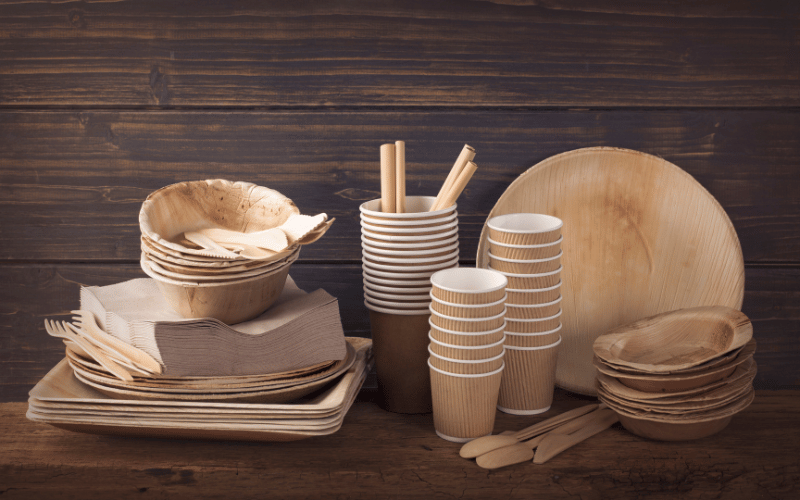
Where To Buy Compostable Plates and Cutlery for a Wedding?
You can find compostable plates and cutlery for a wedding at the following places:
- Online retailers, such as Amazon, Etsy, and specialized eco-friendly stores (e.g., Green Paper Products, Eco-Products), offer a wide range of compostable tableware.
- Local Stores: Check big-box retailers like Target, Walmart, or Whole Foods, which often carry eco-friendly options in their party or kitchenware sections.
- Party Supply Stores: Many party supply shops now stock sustainable options for events.
- Wholesale Suppliers: For larger quantities, consider wholesalers like Costco, Sam’s Club, or restaurant supply stores.
- Specialty Eco-Friendly Brands: Brands like Bambu, Repurpose, or World Centric focus on sustainable tableware and often sell directly through their websites.
Please order in advance to ensure availability on your wedding date.
7 Tips for Purchasing Compostable Food Containers
As someone who has spent decades immersed in the world of eco-friendly packaging, I’ve seen trends come and go, but one thing remains constant: the need for sustainable solutions that balance practicality with environmental responsibility. When it comes to sourcing compostable plates and cutlery for a wedding, the stakes are high—not just for the planet, but for the success of your event. Let me guide you through this process with precision and purpose.
1. Understand Your Needs Before You Shop
Think of your wedding as a symphony, and every detail—down to the plates and cutlery—must harmonize. Start by calculating the number of guests and the type of food you’ll serve. Compostable plates and cutlery come in various materials like sugarcane bagasse, bamboo, and cornstarch-based PLA. For heavier meals, opt for sugarcane or bamboo, as they’re sturdier and won’t buckle under the weight of sauces or proteins. For lighter fare, cornstarch-based options will suffice.
2. Source from Reputable Suppliers
Not all compostable products are created equal. Some may claim to be biodegradable but require industrial composting facilities to break down. Look for certifications like BPI (Biodegradable Products Institute) or TUV Austria to ensure authenticity. Brands like Eco-Products, World Centric, and Bambu have earned their stripes in this industry and consistently deliver quality. If you’re buying in bulk, consider wholesalers like WebstaurantStore or Green Paper Products—they cater specifically to large events and offer competitive pricing.
3. Plan for Disposal
Compostable doesn’t mean “throw it anywhere.” To truly honor the eco-friendly ethos, arrange for proper disposal. If your venue doesn’t have composting facilities, partner with a local composting service. Many cities now offer event-specific composting bins and pickup services. Educate your guests with clear signage at waste stations—your plates and cutlery deserve a second life as nutrient-rich soil, not landfill waste.
4. Order Samples Before Committing
Here’s a pro tip: never place a bulk order without testing the products first. Order samples from a few suppliers and put them through their paces. Serve a mock meal, test their durability, and even pour hot liquids to see how they hold up. This small step can save you from last-minute surprises on your big day.
5. Budget Wisely
While compostable tableware often costs more than traditional options, it’s an investment in the planet—and your wedding’s legacy. To manage costs, mix and match materials. For example, use premium bamboo plates for the main course and more affordable bagasse plates for appetizers or desserts. Bulk discounts are your friend, so don’t hesitate to negotiate with suppliers.
6. Add a Personal Touch
Your choice of compostable tableware can also be a statement piece. Many suppliers offer customization options, allowing you to emboss your wedding logo or initials onto the plates and cutlery. It’s a subtle yet impactful way to tie sustainability into your wedding theme.
7. Leverage Local Resources
If you’re committed to reducing your carbon footprint, prioritize local suppliers. Not only does this cut down on shipping emissions, but it also supports businesses in your community. Farmers’ markets and eco-friendly boutiques often stock compostable tableware, and you might even discover unique, artisanal options that add charm to your event.
Final Thoughts
After decades in this industry, I can confidently say that choosing compostable plates and cutlery for your wedding is more than a practical decision—it’s a statement of values. By following these steps, you’re not just planning a beautiful event; you’re contributing to a more sustainable future. Remember, every plate and fork tells a story. Let yours be one of care, responsibility, and celebration.
FAQs
Q: Are disposable wedding plates truly eco-friendly?
A: Disposable wedding plates can be eco-friendly if you choose the right materials. Look for plates made from renewable resources like bamboo, bagasse, or palm leaves, and ensure they are certified compostable. Avoid plates with plastic coatings or harmful chemicals like PFAS. Proper disposal, such as composting, also plays a key role in maximizing their environmental benefits.
Q: Can I use disposable plates for a formal wedding?
A: Absolutely! Many eco-friendly disposable plates, such as those made from bamboo or palm leaves, offer a sophisticated and elegant look that works perfectly for formal weddings. Pair them with high-quality biodegradable cutlery and cloth-like compostable napkins to elevate the table setting. Customization options, like monograms or designs, can also add a personal and refined touch.
Q: How sturdy are eco-friendly disposable plates?
A: Eco-friendly disposable plates are designed to handle a variety of foods, including heavy and saucy dishes. Materials like bagasse and palm leaves are particularly sturdy and can hold up to hot, oily, or liquid-heavy meals without bending or leaking. Bamboo plates are also highly durable, making them a reliable choice for multi-course meals.
Q: Where can I find compostable plates for weddings?
A: You can find compostable plates for weddings at eco-friendly retailers, online marketplaces like Amazon, and specialty stores that focus on sustainable products. Many bulk suppliers and catering companies also offer compostable options. Look for certifications like BPI Certified Compostable or TUV Austria to ensure the plates meet composting standards.
Q: What is the difference between biodegradable and compostable?
A: Biodegradable refers to materials that break down naturally over time, but the process can take years and may leave behind harmful residues. Compostable materials, on the other hand, decompose into nutrient-rich soil within a specific timeframe under composting conditions, leaving no toxic waste. Always prioritize compostable products for a more sustainable and environmentally friendly choice.
Conclusion
Sustainable disposable wedding plates offer the perfect blend of convenience, style, and environmental responsibility. They reduce waste, support renewable materials, and simplify cleanup without compromising on elegance. By choosing eco-friendly plates, you can create a memorable celebration that reflects your values and contributes to a healthier planet. Make eco-conscious choices for your special day and inspire others to do the same.